Esports, or electronic sports, has evolved from a niche hobby into a global phenomenon that captivates millions of people around the world. Over the past two decades, competitive gaming has transformed from small gatherings of enthusiasts into highly organized, professional competitions with significant financial stakes, massive audiences, and international recognition. The growth of esports is a testament to the power of technology, community, and entertainment in the digital age.
The Origins of Competitive Gaming
The roots of esports can be traced back to the late 1970s and early 1980s when video games first became a popular form of entertainment. Early competitive gaming events often took place in arcades, where players competed for high scores in games like Space Invaders and Pac-Man. These competitions were modest in scale but laid the foundation for a culture of rivalry and skill-based gameplay.
In the 1980s, gaming tournaments began to formalize. One notable example is the “Space Invaders Championship” held in 1980, which drew thousands of participants across the United States. While the prizes were relatively small, the event highlighted the growing interest in competitive gaming and set the stage for future developments. These early competitions were primarily local or regional but demonstrated that players were willing to dedicate time, effort, and skill to excel in digital contests.
The Growth of Online Gaming
The 1990s marked a turning point in competitive gaming with the advent of personal computers and the internet. Online connectivity allowed gamers from different parts of the world to compete against each other in real-time. Titles like Doom, Quake, and StarCraft became popular in the competitive scene because they combined fast-paced action with strategic depth, making them ideal for tournaments.
During this era, LAN (Local Area Network) parties became a cultural phenomenon. Gamers would bring their computers together in a single location to compete in marathon gaming sessions. These events were not only about competition but also about community, fostering friendships, rivalries, and a shared passion for gaming. The rise of online forums and chat rooms further strengthened the esports community, allowing players to share strategies, organize competitions, and celebrate victories together.
The Emergence of Professional Esports
By the early 2000s, competitive gaming began to resemble the professional sports industry. Dedicated esports organizations and teams started to form, offering players salaries, sponsorships, and career opportunities. This period saw the rise of professional leagues and tournaments with substantial prize pools, drawing attention from both players and audiences.
Games such as Counter-Strike, Warcraft III, and Halo became staples of competitive esports. Players became celebrities within the community, and their performances were analyzed and celebrated with the same intensity as traditional athletes. The professionalization of esports also attracted corporate sponsorship, enabling the industry to grow financially and gain mainstream recognition.
The Role of Streaming Platforms
The next significant milestone in the evolution of esports was the rise of streaming platforms in the 2010s. Services like Twitch and YouTube Gaming allowed fans to watch live competitions, follow their favorite players, and engage with the community in real-time. Streaming not only increased the visibility of esports but also created new revenue streams for players, teams, and organizers.
Streaming platforms revolutionized how audiences consume esports content. Fans no longer needed to attend tournaments in person; they could watch high-level gameplay from the comfort of their homes. Interactive features such as live chat, donations, and subscriber systems fostered a sense of participation, turning viewers into active members of the esports ecosystem. The accessibility and immediacy of streaming played a crucial role in making esports a mainstream form of entertainment.
Popular Esports Titles and Their Impact
Esports encompasses a wide variety of game genres, each with its own competitive community and fanbase. Multiplayer Online Battle Arena (MOBA) games like League of Legends and Dota 2 have some of the largest competitive scenes, attracting millions of viewers to international tournaments with prize pools reaching tens of millions of dollars. These games emphasize teamwork, strategy, and coordination, requiring players to develop both mechanical skill and tactical insight.
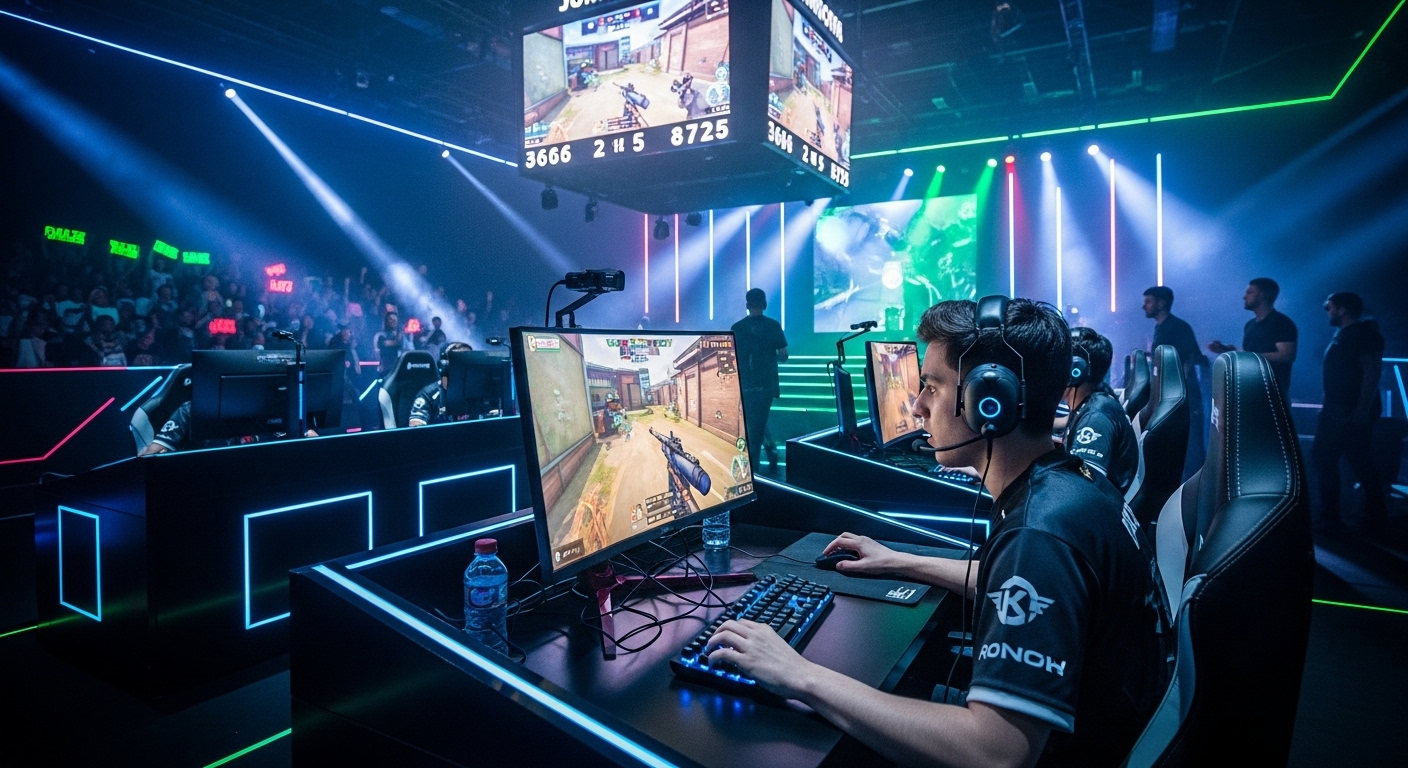
First-Person Shooter (FPS) games like Counter-Strike: Global Offensive and Call of Duty highlight individual skill, precision, and reflexes. Their fast-paced gameplay creates thrilling spectator experiences, making them ideal for live broadcasts and esports events. Fighting games, sports simulations, and card-based games also have vibrant competitive communities, demonstrating the diversity of esports as a global phenomenon.
The impact of these games goes beyond competition. They influence popular culture, inspire fan art, and shape online communities. Professional players become influencers, guiding trends in gaming gear, fashion, and lifestyle. Esports tournaments are not merely contests; they are entertainment spectacles that combine skill, strategy, and showmanship.
Esports Tournaments and Events
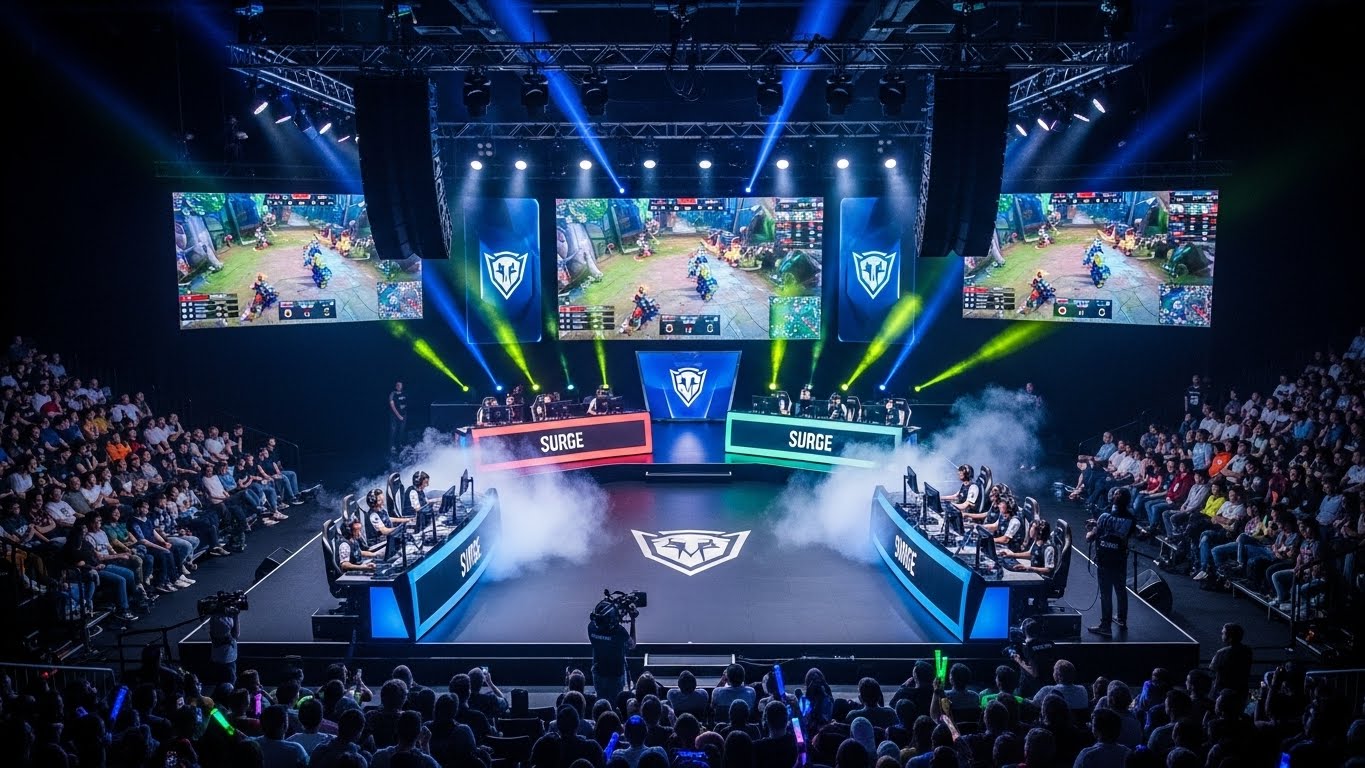
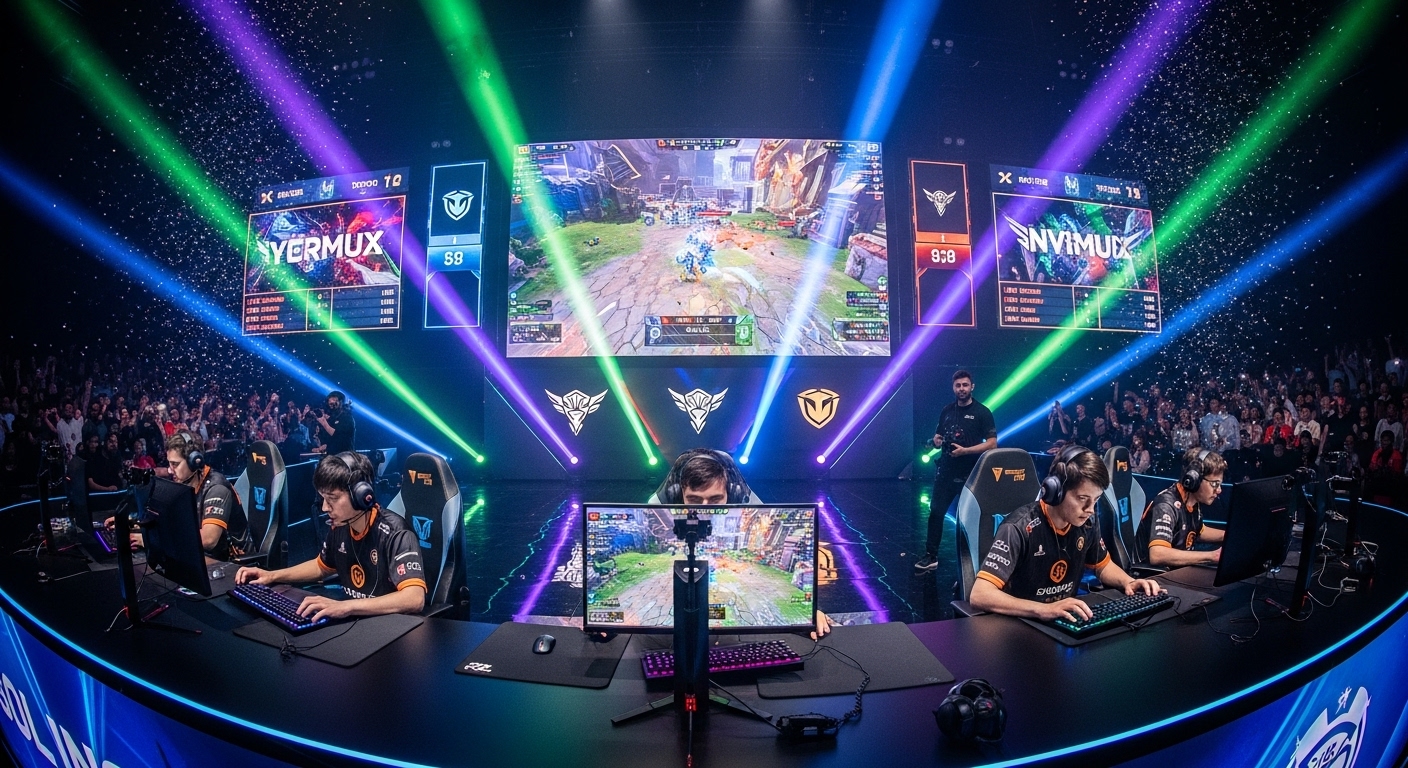
Tournaments are the lifeblood of esports. Events range from small local competitions to massive international championships attended by thousands of fans and watched by millions online. Major tournaments, such as The International for Dota 2 or the League of Legends World Championship, feature intricate production, live commentary, and sponsorships comparable to traditional sporting events.
The tournament scene has professionalized over the years, with structured leagues, seasonal schedules, and formalized rankings. Players and teams prepare rigorously, often training as intensely as athletes in traditional sports. Coaches, analysts, and support staff contribute to a professional environment, ensuring that every aspect of performance is optimized. The competitive scene has grown so large that many countries now recognize esports as an official sport, providing opportunities for scholarships and government support.
The Economic Impact of Esports
Esports is not just a cultural phenomenon; it is a major economic force. The industry generates revenue through sponsorships, advertising, ticket sales, merchandise, and media rights. Professional teams and players can earn substantial incomes, while organizers and event hosts benefit from the commercial appeal of large audiences.
The rise of esports has also influenced technology and hardware markets. Gaming peripherals, high-performance computers, and specialized software are in demand due to the competitive nature of the scene. In addition, esports has spurred growth in related industries, including content creation, marketing, and digital media production. This economic ecosystem demonstrates that esports is not merely entertainment—it is a multifaceted industry with global influence.
The Social and Cultural Significance of Esports
Beyond economics, esports has a profound social and cultural impact. It creates communities that transcend geographic boundaries, connecting players and fans worldwide. Online multiplayer games foster collaboration, teamwork, and communication, while tournaments provide a platform for celebration, recognition, and achievement.
Esports also challenges traditional notions of sports and competition. It demonstrates that physical prowess is not the only measure of skill, and that cognitive abilities, strategy, and precision are equally valuable. The inclusivity of esports allows people of different ages, genders, and backgrounds to participate, contributing to a diverse and dynamic community.
Furthermore, esports inspires educational initiatives and youth programs. Schools and universities now offer esports programs, teaching students not only how to compete but also how to develop skills in leadership, teamwork, and technology. This educational dimension highlights the potential of esports to contribute positively to society beyond entertainment.
Challenges Facing the Esports Industry
Despite its rapid growth, esports faces several challenges. Player burnout, mental health issues, and intense pressure are significant concerns in professional gaming. Unlike traditional sports, where physical training and recovery are well-understood, esports requires unique approaches to maintain both mental and physical health. Organizations are beginning to recognize the importance of player wellness, but there is still much work to be done.
Another challenge is sustainability. The esports industry relies heavily on sponsorships, streaming revenue, and tournament prize pools. Economic fluctuations and market saturation could pose risks to the stability of teams and leagues. Additionally, regulatory frameworks for esports are still evolving, with concerns about gambling, cheating, and fair play needing careful attention.
Finally, accessibility and representation remain issues. While esports is more inclusive than many traditional sports, certain barriers, such as high costs of equipment or internet access, can limit participation. Efforts to make esports more equitable and diverse are ongoing, ensuring that talent and passion are not hindered by external factors.
The Future of Esports
The future of esports looks promising, with continued growth expected in both participation and viewership. Technological advancements, such as virtual reality, augmented reality, and artificial intelligence, may redefine how games are played and experienced. These innovations could create new genres of competitive gaming and offer immersive experiences for both players and audiences.
Global expansion is also a key factor in the future of esports. Emerging markets in Asia, Latin America, and Africa are seeing rapid growth in gaming infrastructure, creating opportunities for new talent and fan engagement. As esports becomes more mainstream, traditional media, sports organizations, and entertainment companies are likely to invest further, strengthening the industry’s position on a global scale.
Education and professional development within esports will also play a vital role. As universities, training academies, and mentorship programs expand, the next generation of players and professionals will have access to structured pathways for success. This institutional support will help legitimize esports as a long-term career option and cultural institution.
Conclusion
Esports has grown from humble beginnings into a global powerhouse that combines competition, entertainment, and community. Its evolution reflects broader trends in technology, culture, and society, demonstrating how digital experiences can shape human connection and achievement. With its expanding audience, professional opportunities, and cultural significance, esports is no longer just a hobby—it is a defining feature of the 21st-century entertainment landscape.
From the first arcade tournaments to massive international championships, esports continues to inspire, challenge, and unite people around the world. Its journey is far from over, and the coming years promise even more innovation, excitement, and recognition. Whether as a player, fan, or industry professional, being part of the esports phenomenon offers a front-row seat to one of the most dynamic and transformative movements of modern times.