Esports, short for electronic sports, has become one of the most significant cultural phenomena of the 21st century. What began as casual gaming in arcades and local LAN parties has evolved into a global multi-billion-dollar industry with millions of fans worldwide. With its unique blend of skill, strategy, and entertainment, esports has transformed the way people interact with video games and has paved the way for a new kind of competitive sport. This blog post explores the growth, impact, and future of esports, detailing its journey from humble beginnings to its current status as a major player in the world of sports and entertainment.
The Origins of Esports
The history of esports dates back to the early days of competitive gaming. The first known esports event took place in 1972, at Stanford University, where students competed in a game called Spacewar. Although this event was small, it marked the beginning of competitive video gaming. Over the years, gaming tournaments became more organized, and by the late 1990s, esports started to gain traction.
During the 1990s, online gaming became more accessible with the advent of the internet. Games like Quake and StarCraft provided platforms for gamers to compete against each other over the internet, setting the stage for the esports boom. The first large-scale esports tournaments began appearing in the late 1990s and early 2000s. Events like the Red Annihilation tournament for Quake in 1997 and the StarCraft tournaments in Korea in the early 2000s began attracting substantial audiences, both online and offline.
However, it was in the early 2000s when esports really began to take off, with South Korea leading the charge. The government of South Korea recognized esports as a legitimate sport, and this helped to create a fertile environment for professional gaming. The launch of League of Legends in 2009, followed by Dota 2 and Counter-Strike: Global Offensive in the 2010s, further fueled the growth of esports, as these titles became the cornerstone of the esports landscape.
The Evolution of Esports Tournaments
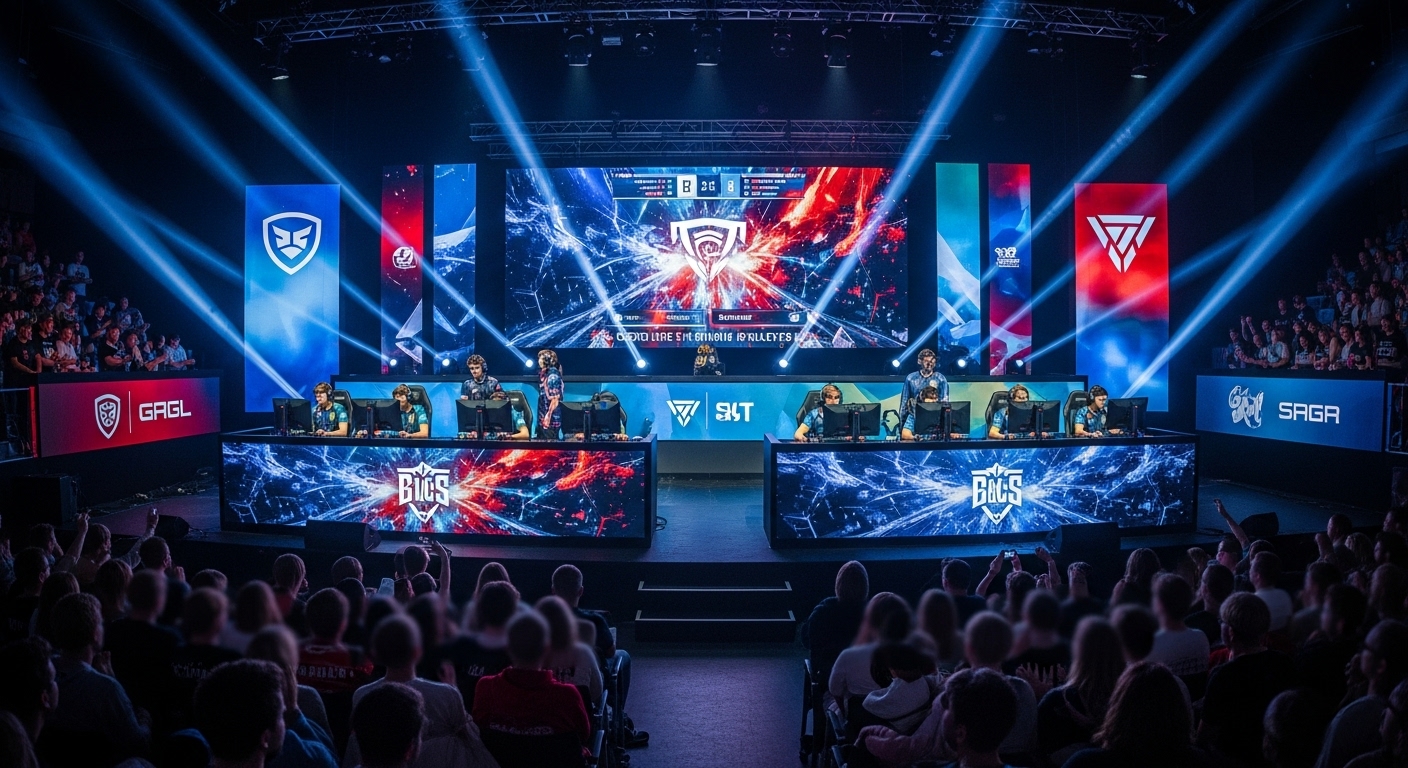
The heart of the esports world lies in its tournaments, which have grown from small, local competitions to massive, international events. Early tournaments were often community-driven and took place in LAN centers or small venues. The players were often amateurs competing for small prizes or bragging rights. Over time, these tournaments evolved into professional leagues, with sponsorships, broadcasting deals, and multi-million-dollar prize pools.
In 2011, the Intel Extreme Masters tournament was launched, showcasing the growing professionalization of esports. This tournament became a key player in the development of global esports, bringing together the best players in games like StarCraft II, League of Legends, and Counter-Strike. Other major tournaments, such as the The International for Dota 2, further demonstrated the potential for esports as a legitimate spectator sport.
The prize pools for these tournaments also grew exponentially. For example, in 2011, The International featured a prize pool of $1 million, which was considered a landmark achievement in esports. By 2021, that prize pool had increased to over $40 million, making it one of the largest in all of sports. This massive growth in prize money has attracted top-tier talent and has helped propel esports into the global spotlight.
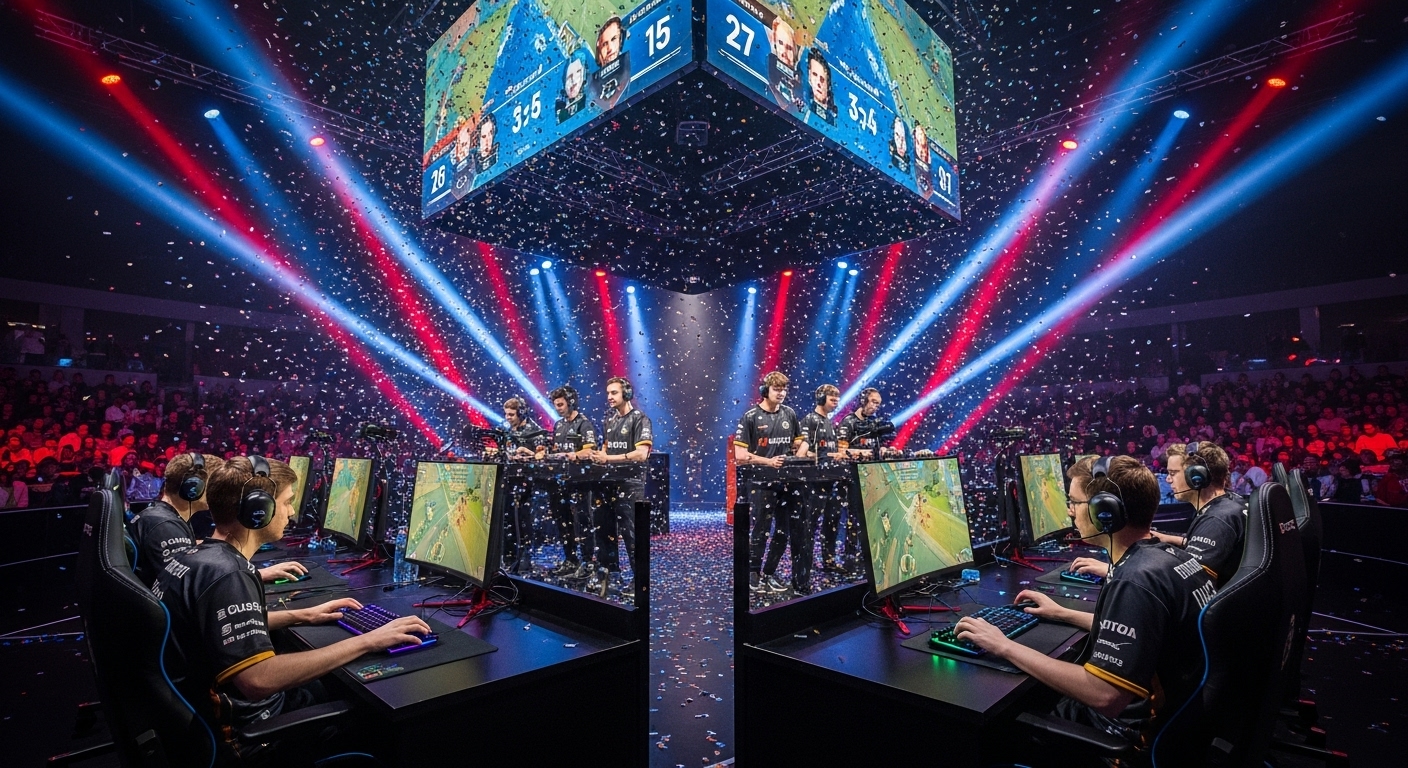
Today, major esports events are broadcasted live on platforms like Twitch, YouTube, and Facebook, with millions of viewers tuning in to watch their favorite players and teams. Esports tournaments now fill arenas, with fans packing into large stadiums to cheer on their favorite teams and players. This professionalization of esports has not only enhanced the competitive experience for players but has also made it a mainstream entertainment form that competes with traditional sports in terms of viewership and popularity.
The Impact of Streaming and Online Platforms
One of the key factors behind the explosive growth of esports has been the rise of streaming platforms like Twitch, YouTube, and Facebook. These platforms have allowed players, teams, and tournaments to connect with fans in real-time, offering live coverage, commentary, and behind-the-scenes content. The interaction between players and fans has transformed esports into a highly interactive and engaging form of entertainment.
Twitch, launched in 2011, quickly became the dominant platform for live streaming gaming content. It provided a space for professional players to stream their gameplay, interact with fans, and build personal brands. This level of accessibility has allowed esports to flourish, as viewers are able to watch live gameplay, learn from the pros, and become invested in their favorite players and teams. The platform also provides opportunities for players to earn income through subscriptions, donations, and sponsorships.
Similarly, YouTube has been a major force in the growth of esports. The platform offers a space for gamers to upload content ranging from highlight reels and tutorials to full tournament broadcasts. YouTube has also become a key distribution channel for esports content, providing a massive audience for competitive gaming.
Social media platforms, like Twitter and Instagram, have further amplified the connection between players and fans, allowing real-time updates, behind-the-scenes content, and fan interactions. This direct connection has created a level of fandom and community engagement that is unique to esports.
The Role of Professional Esports Leagues
In recent years, esports has seen the emergence of professional leagues that mirror the structure of traditional sports leagues. Games like League of Legends, Overwatch, and Call of Duty now have official professional leagues with franchised teams, regular seasons, and playoffs. These leagues bring a sense of structure and consistency to esports, making it easier for fans to follow their favorite teams and players.
The League of Legends Championship Series (LCS) is one of the most well-known examples of a professional esports league. The LCS features top teams from North America competing in a regular season, followed by playoffs and a grand final. Similarly, the Overwatch League (OWL), launched in 2018, follows a franchised model where teams represent cities around the world. These leagues have helped to stabilize the industry, attracting investment from major corporations and even traditional sports organizations.
The rise of professional esports leagues has also led to the development of esports organizations, which manage teams, players, and sponsorships. Organizations like Cloud9, Team Liquid, and Fnatic have become household names in the esports world, creating large fanbases and generating significant revenue through sponsorships, merchandise sales, and tournament earnings.
The Global Appeal of Esports
One of the most impressive aspects of esports is its global appeal. Unlike traditional sports, which may be popular in certain regions or countries, esports transcends geographical boundaries. Games like League of Legends, Dota 2, and Counter-Strike: Global Offensive have massive global followings, with players and fans from all corners of the world participating in and watching esports events.
In countries like South Korea, esports has been elevated to a national pastime, with professional players enjoying celebrity status and government support for the industry. The success of Korean esports has had a profound impact on the global scene, as many of the world’s top esports players come from the country. Similarly, esports is also gaining traction in countries like China, the United States, and Europe, where massive tournaments attract millions of viewers and fans.
Esports is also making its mark in developing regions, with countries in Southeast Asia, Latin America, and Africa experiencing rapid growth in gaming and esports culture. The global nature of esports has allowed players from diverse backgrounds and regions to compete on a level playing field, fostering a sense of inclusivity and community.
Esports as a Career Path
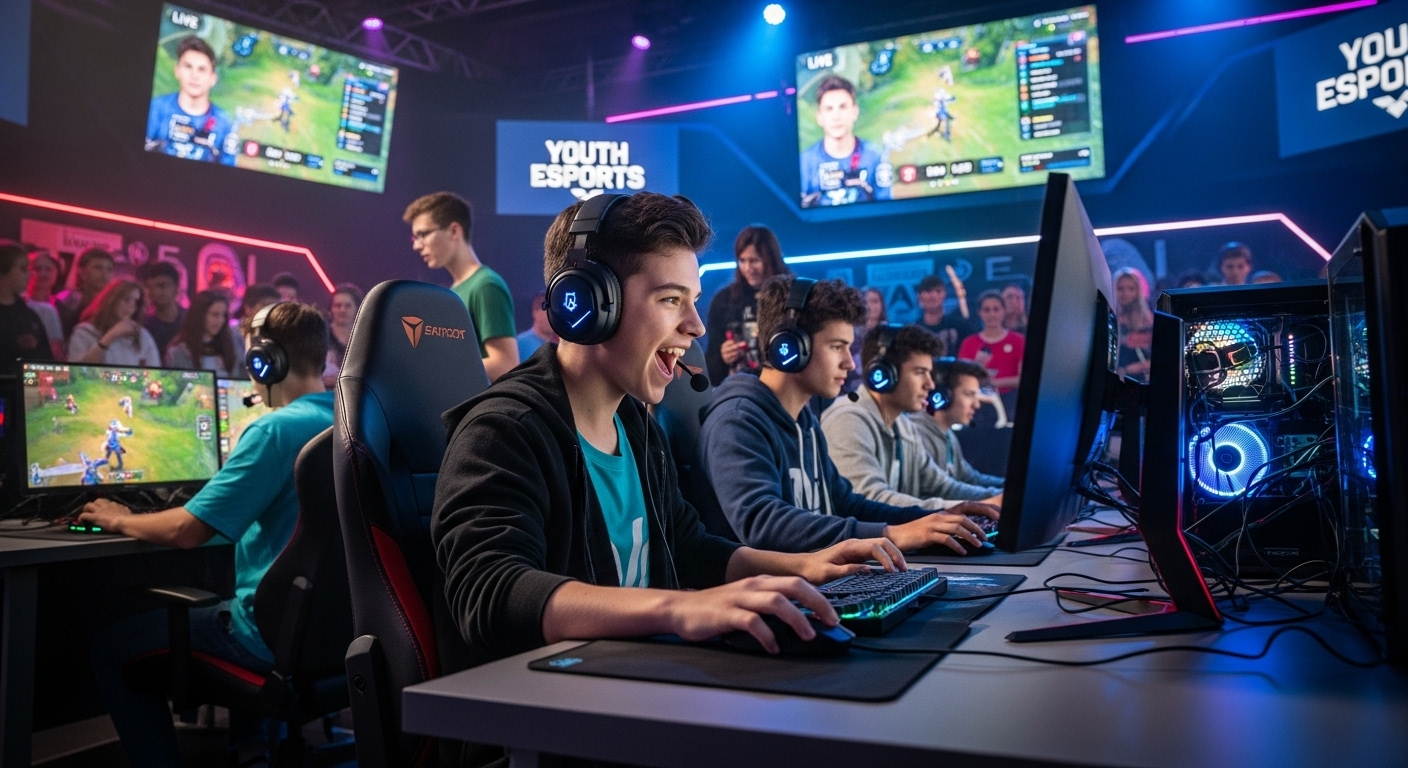
In recent years, esports has become a legitimate career path for many young people. Professional gamers, streamers, and content creators are now able to make a living from their passion for gaming. The rise of sponsorships, streaming platforms, and esports organizations has created a thriving ecosystem that provides career opportunities for players, coaches, analysts, broadcasters, and content creators.
Becoming a professional esports player is no longer just a dream for many. The highly competitive nature of esports means that only the best players can make a career out of it, but the opportunities for success are greater than ever. Players who excel in their chosen games can earn substantial salaries through tournament winnings, sponsorships, and streaming. Top-tier esports organizations also offer salaries, housing, and support for their players, providing them with the resources they need to succeed at the highest level.
Esports has also led to the creation of a range of support roles, such as coaches, analysts, and event organizers. The demand for skilled professionals in areas like broadcasting, marketing, and production has made esports a viable career for people with diverse skill sets beyond just playing games.
The Future of Esports
The future of esports looks bright, with continued growth on the horizon. As technology advances, the quality of gaming and viewing experiences will improve, and new opportunities for interaction and engagement will arise. Virtual reality (VR) and augmented reality (AR) could provide new ways for fans to experience esports events, while advancements in 5G technology could lead to faster, more immersive gameplay.
Esports is also expected to continue its integration into traditional sports and entertainment. We’ve already seen major sports organizations like the NBA and NFL invest in esports, and more partnerships between esports and traditional sports teams are expected in the coming years. The inclusion of esports in multi-sport events like the Asian Games is another sign that esports is becoming a recognized form of competitive sport.
In the long term, esports could even make its way into the Olympic Games. Discussions have already taken place regarding the inclusion of esports as a medal event, and as the popularity of competitive gaming continues to rise, it is only a matter of time before esports takes its place alongside traditional sports in the world’s most prestigious event.
Conclusion
Esports has come a long way from its humble beginnings in arcades and small LAN parties. Today, it is a global powerhouse that has revolutionized the way we view competitive gaming. With professional leagues, massive tournaments, and a growing community of fans, esports has firmly established itself as a mainstream form of entertainment.
As the industry continues to grow, esports will become an even more integral part of the global sports and entertainment landscape. The future of esports is bright, and it’s exciting to think about how this dynamic industry will continue to evolve in the coming years. Whether you’re a casual gamer or a die-hard esports fan, one thing is clear: esports is here to stay.