Introduction: The New Age of Competition
Esports, once considered a niche hobby, has exploded into a global phenomenon that rivals traditional sports in both popularity and revenue. Competitive gaming has evolved from casual play among friends into professional tournaments watched by millions around the world. With teams, sponsorships, and global fan bases, esports is no longer just a pastime—it is a legitimate career, an entertainment industry, and a cultural movement.
This article explores the rise of esports, its impact on players and fans, the business behind the industry, and the future of competitive gaming in a digitally connected world.
The Origins of Esports: From Arcades to Global Stages
Esports has humble beginnings in the arcades and computer labs of the 1970s and 1980s. Early competitions were small-scale, often limited to local communities or school tournaments. Games like Pong, Space Invaders, and later Street Fighter laid the foundation for competitive gaming.
By the 1990s, the rise of PC gaming introduced titles like StarCraft, Quake, and Counter-Strike, which created the first organized competitive communities. Players began to compete online, and small-scale tournaments offered cash prizes, recognition, and the thrill of victory.
The internet revolution made esports accessible to larger audiences. Players could compete across continents, while fans could watch matches from their homes. What started as informal competition gradually transformed into structured leagues, paving the way for the multi-billion-dollar industry we see today.
The Explosion of Popular Titles
One of the key factors behind esports’ rapid growth is the popularity of competitive games. Multiplayer online battle arena games, first-person shooters, and real-time strategy games have become staples in the esports ecosystem.
Titles like League of Legends, Dota 2, Fortnite, and Call of Duty have attracted massive audiences and professional players. Each game has its own community, culture, and set of rules, creating diverse opportunities for competition. Some tournaments offer millions of dollars in prize money, drawing the best players from around the world.
The appeal of these games lies not only in skill but also in strategy, teamwork, and entertainment value. Fans cheer for their favorite players and teams, much like in traditional sports, and in some cases, the followings rival the biggest football clubs or basketball franchises.
The Role of Streaming and Online Platforms
The rise of streaming platforms has been a game-changer for esports. Services like Twitch, YouTube Gaming, and other live-streaming platforms have allowed fans to watch tournaments in real time, interact with players, and share their experiences globally.
Streaming has turned esports into an interactive spectacle. Audiences no longer passively watch; they comment, react, and participate in real-time discussions. This interactivity strengthens the connection between players and fans, creating communities that thrive both online and offline.
Moreover, content creators and streamers have become celebrities in their own right, blending entertainment with competition. Their influence helps attract new audiences, bringing esports closer to mainstream recognition.
Professional Players and Esports Careers
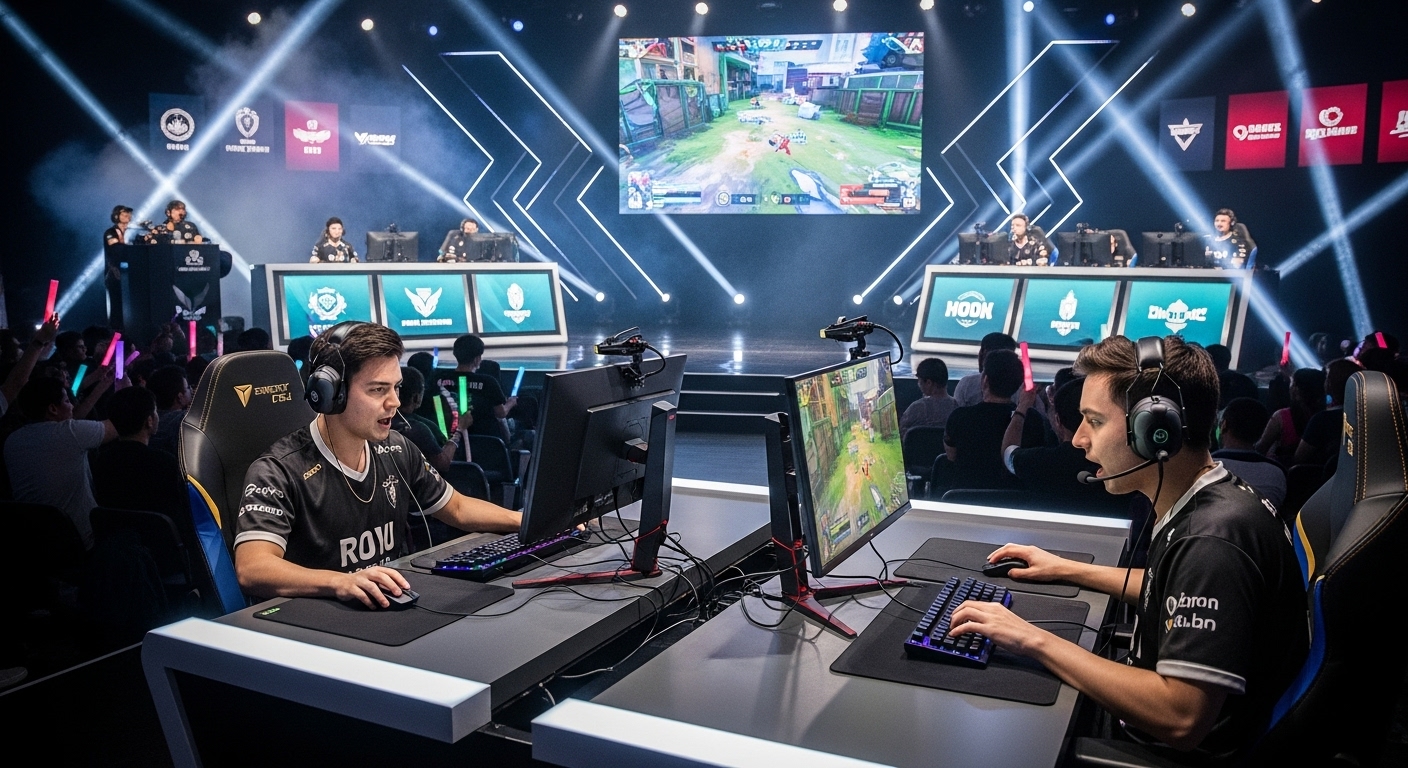
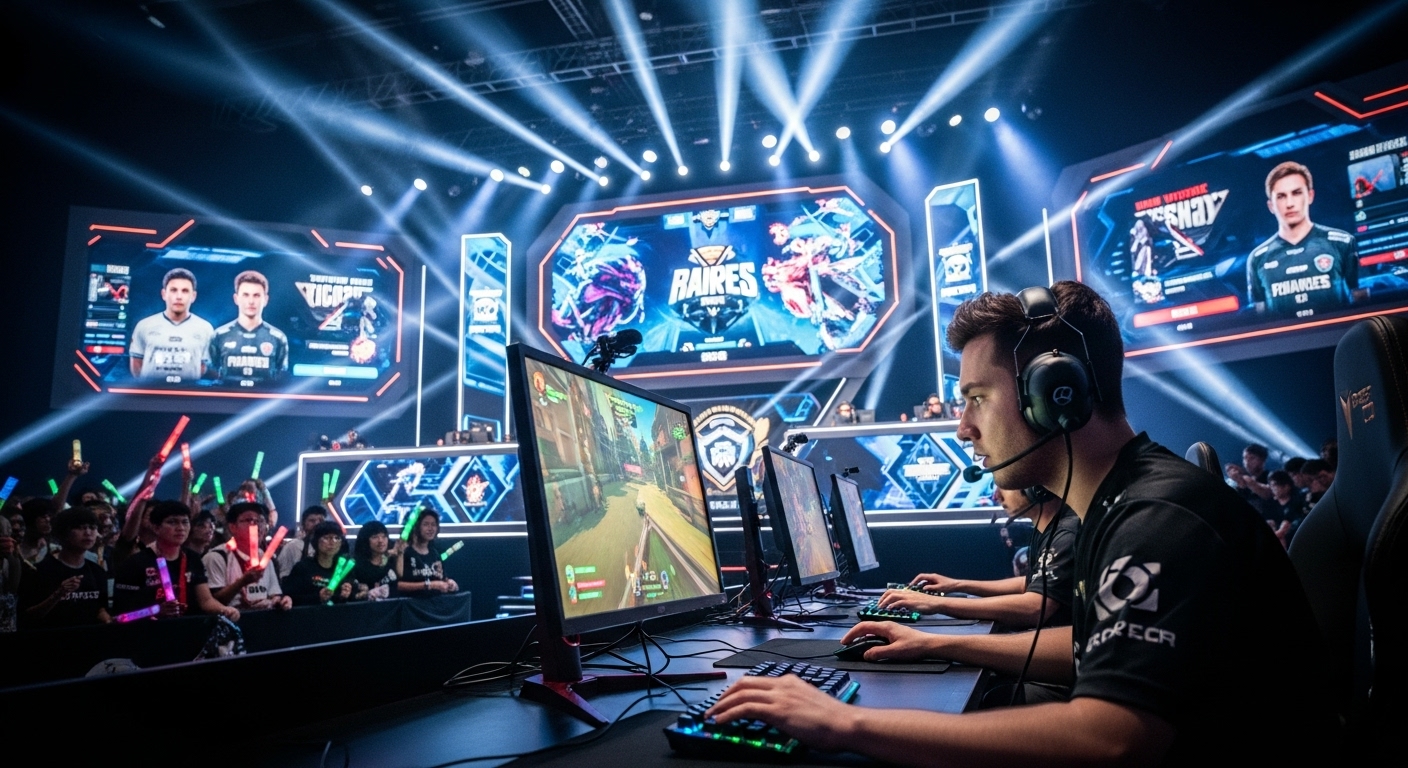
Esports has given rise to a new kind of athlete—the professional gamer. These players dedicate hours daily to practice, strategy development, and teamwork. Professional esports teams often have coaches, analysts, and support staff, reflecting the same structure seen in traditional sports.
The life of a professional gamer is demanding. Players must maintain peak performance under high pressure, balance practice schedules, and navigate the mental challenges of competition. Yet, the rewards can be substantial, from sponsorships and tournament winnings to global fame.
Esports has also opened careers beyond players, including broadcasting, event management, marketing, and game development. The ecosystem surrounding competitive gaming is diverse, offering opportunities for a wide range of talents.
Major Tournaments and Global Reach
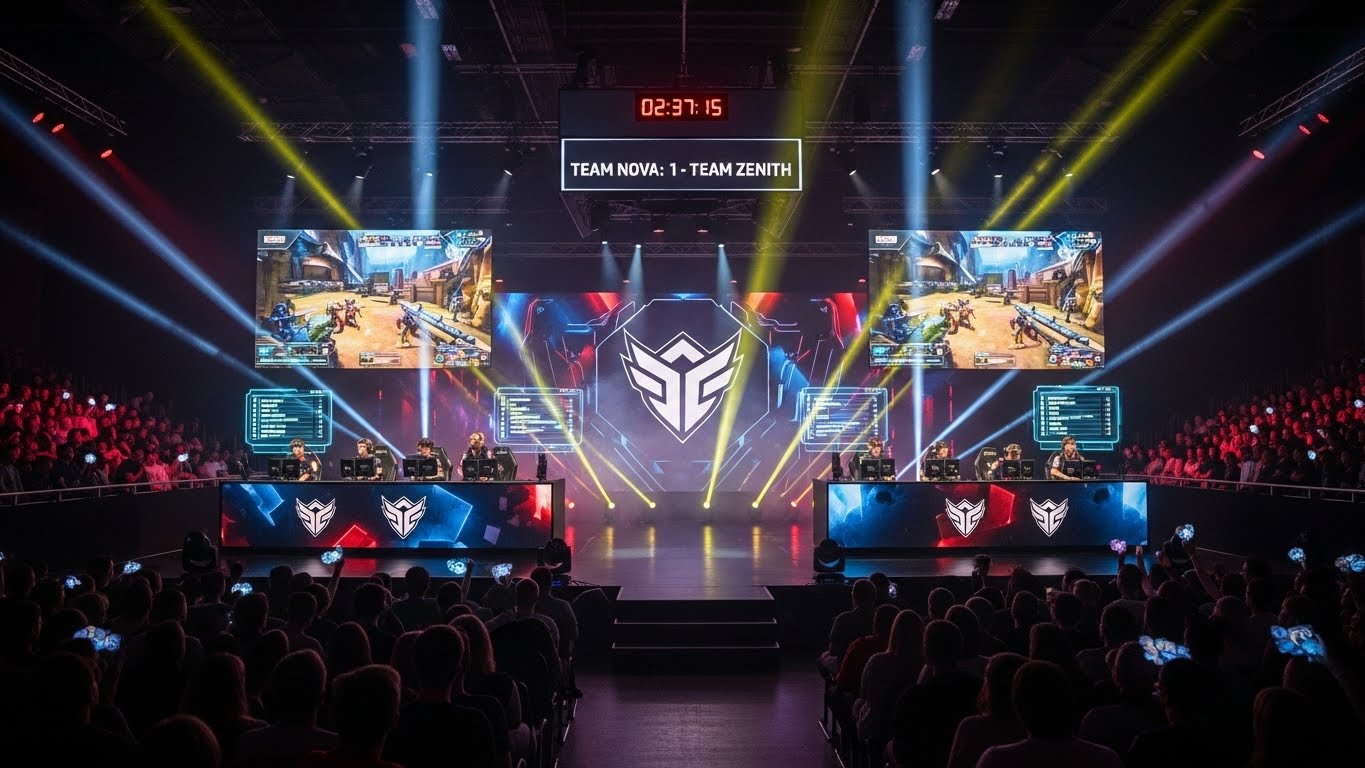
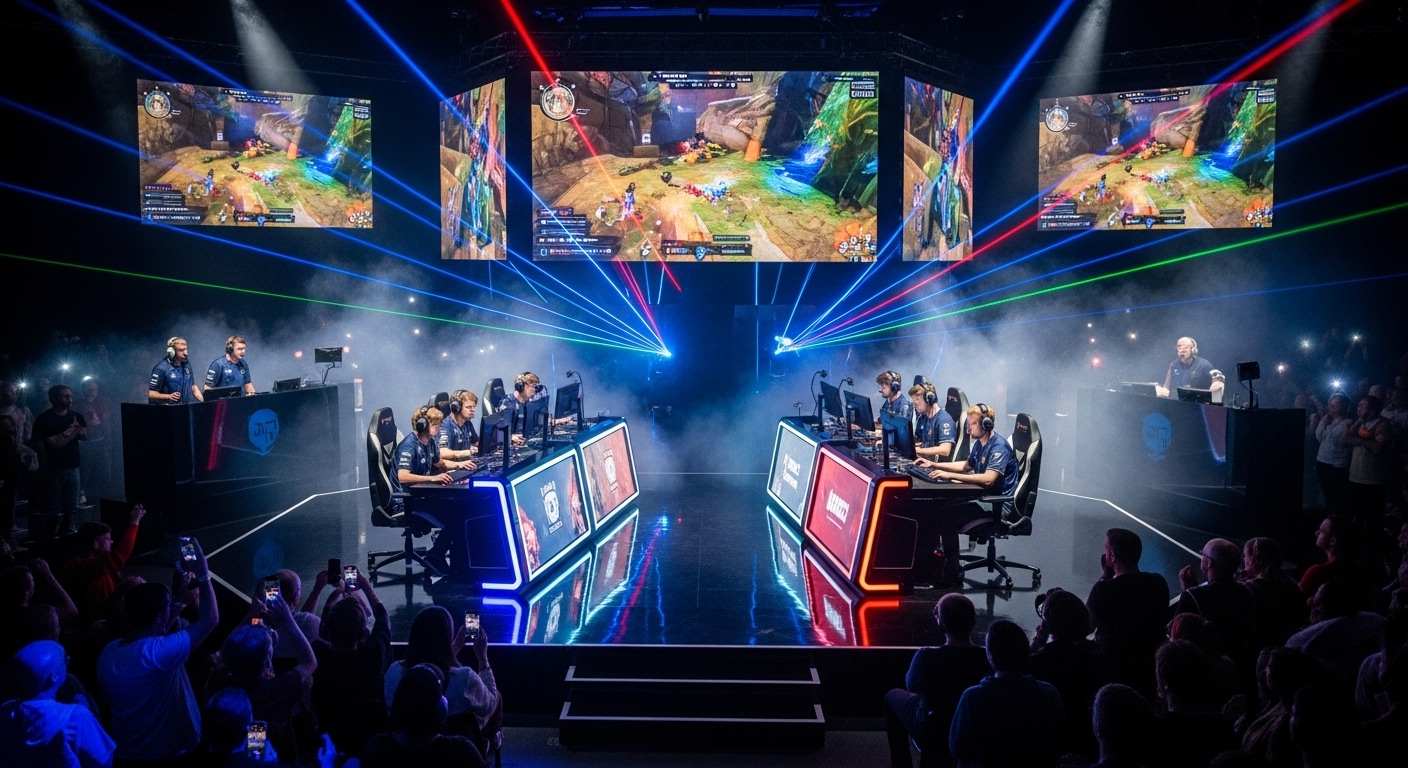
Esports tournaments have grown in scale and prestige. Events such as The International, the League of Legends World Championship, and EVO attract millions of viewers, both online and in stadiums. Some tournaments now rival traditional sports events in terms of audience size and media coverage.
These tournaments are more than just competitions—they are celebrations of gaming culture. Fans travel from around the world, cosplayers showcase their creativity, and sponsors showcase cutting-edge technology. Esports events have become global spectacles that highlight the skill, strategy, and passion of players and teams.
The international reach of esports is another factor in its meteoric rise. Players from Asia, Europe, North America, and beyond compete on a shared stage, breaking barriers of language, geography, and culture.
Esports and Its Cultural Impact
Esports is reshaping culture in profound ways. It has made gaming a respected profession and transformed how people view digital entertainment. Players are now role models for millions of fans, inspiring younger generations to pursue competitive gaming with dedication and discipline.
The culture of esports emphasizes teamwork, problem-solving, and adaptability. Players learn to manage stress, think strategically, and communicate effectively under pressure. These skills extend beyond gaming and are valuable in education, business, and personal development.
Esports also fosters inclusivity. Unlike traditional sports, competitive gaming is not limited by physical size or athletic ability. It provides opportunities for people of all ages, genders, and backgrounds to compete on an equal playing field.
The Business of Esports
The esports industry is a multi-billion-dollar enterprise. Revenue streams include sponsorships, advertising, merchandise sales, tournament prizes, and media rights. Major brands are increasingly investing in esports, recognizing its reach among younger demographics.
Teams and organizations have become professional entities with investors, managers, and marketing strategies. Sponsorship deals with technology companies, energy drink brands, and apparel companies provide financial support and legitimacy.
Media rights and live-streaming revenue also contribute significantly to the industry’s growth. Platforms host exclusive events, monetize content through subscriptions and ads, and attract millions of viewers worldwide. The business of esports is now as complex and competitive as the games themselves.
Challenges Facing the Esports Industry
Despite its rapid growth, esports faces several challenges. Mental health is a major concern for professional players, as long hours of practice, travel, and high-pressure competition can lead to stress and burnout.
Cheating and unethical behavior also threaten the integrity of competitions. Developers and tournament organizers must constantly innovate to prevent unfair play and maintain credibility.
Additionally, the perception of esports as “real sports” is still debated. While audiences are growing, some critics argue that the physical aspect of traditional sports cannot be replicated digitally. Esports organizations must continue to educate the public about the skill, strategy, and dedication required to compete at the highest level.
Esports and Education
Esports has begun to enter educational institutions. Universities and colleges now offer scholarships for skilled players, alongside programs in game design, broadcasting, and esports management.
High school and collegiate leagues provide a platform for young talent to develop skills, gain exposure, and pursue professional careers. These programs teach important life skills, including teamwork, communication, and time management.
By integrating esports into education, schools are recognizing gaming as a legitimate avenue for personal growth and career development, further normalizing competitive gaming in society.
The Future of Esports
The future of esports is promising. Emerging technologies like virtual reality, augmented reality, and cloud gaming will enhance the gaming experience, making competitions more immersive and interactive. AI and analytics will help teams refine strategies and improve performance.
Esports is likely to become even more global, with new regions contributing talent and audiences. Collaborations with traditional sports, entertainment industries, and technology companies will expand its reach and legitimacy.
Sustainability and accessibility will also shape the future. Organizers are exploring ways to reduce environmental impact while ensuring that esports is accessible to players and fans from diverse backgrounds.
Conclusion
Esports has evolved from a niche hobby into a global cultural and economic powerhouse. It has redefined competition, entertainment, and career opportunities in the digital age. Through tournaments, streaming, and community engagement, esports has created a new kind of global arena where skill, strategy, and passion are celebrated.
As technology advances and audiences continue to grow, esports will remain a driving force in entertainment and culture. It is a testament to the power of digital platforms, human creativity, and the universal appeal of competition. In the world of esports, the game is no longer just virtual—it is real, influential, and here to stay.