Introduction: The New Frontier of Entertainment
Esports, short for electronic sports, has transformed from a niche hobby into a global phenomenon that captivates millions around the world. Once considered a pastime for gamers, competitive video gaming now attracts huge audiences, generates billions in revenue, and has forged its own thriving industry. Whether it’s the electrifying atmosphere of a major tournament or the personal thrill of watching your favorite gamer compete, esports has carved out its place as one of the most popular forms of entertainment in the digital age. This blog delves into the evolution of esports, its impact on the gaming world, and why it’s becoming one of the most powerful cultural forces of the 21st century.
The Birth of Esports: From Casual Gaming to Professional Tournaments
Esports didn’t develop overnight—it has a long and rich history that dates back to the early days of video gaming. The concept of competitive gaming began in the late 20th century, with local tournaments and competitions emerging as a way for players to showcase their skills. Games like Space Invaders and Street Fighter saw early tournaments in the 1980s, but it was in the late 1990s and early 2000s that esports began to evolve into a professional sport.
The release of StarCraft in 1998 and Warcraft III in the early 2000s marked a pivotal moment, as they gave birth to the competitive real-time strategy (RTS) genre. South Korea played a major role in popularizing esports with the establishment of professional gaming leagues and televised tournaments. The launch of platforms like Twitch in 2011 further propelled the growth of esports by providing a live streaming platform for players and fans to connect.
Esports Today: A Multi-Billion-Dollar Industry
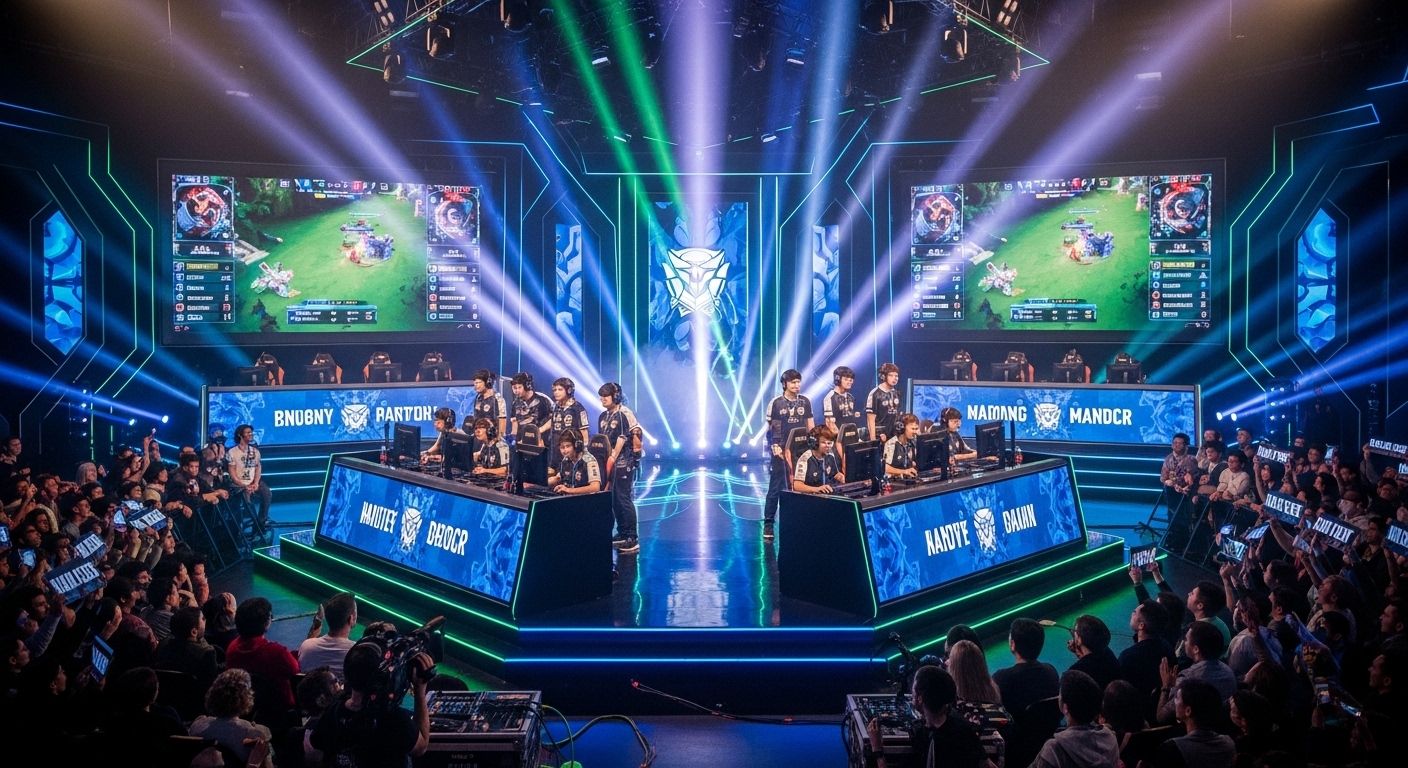
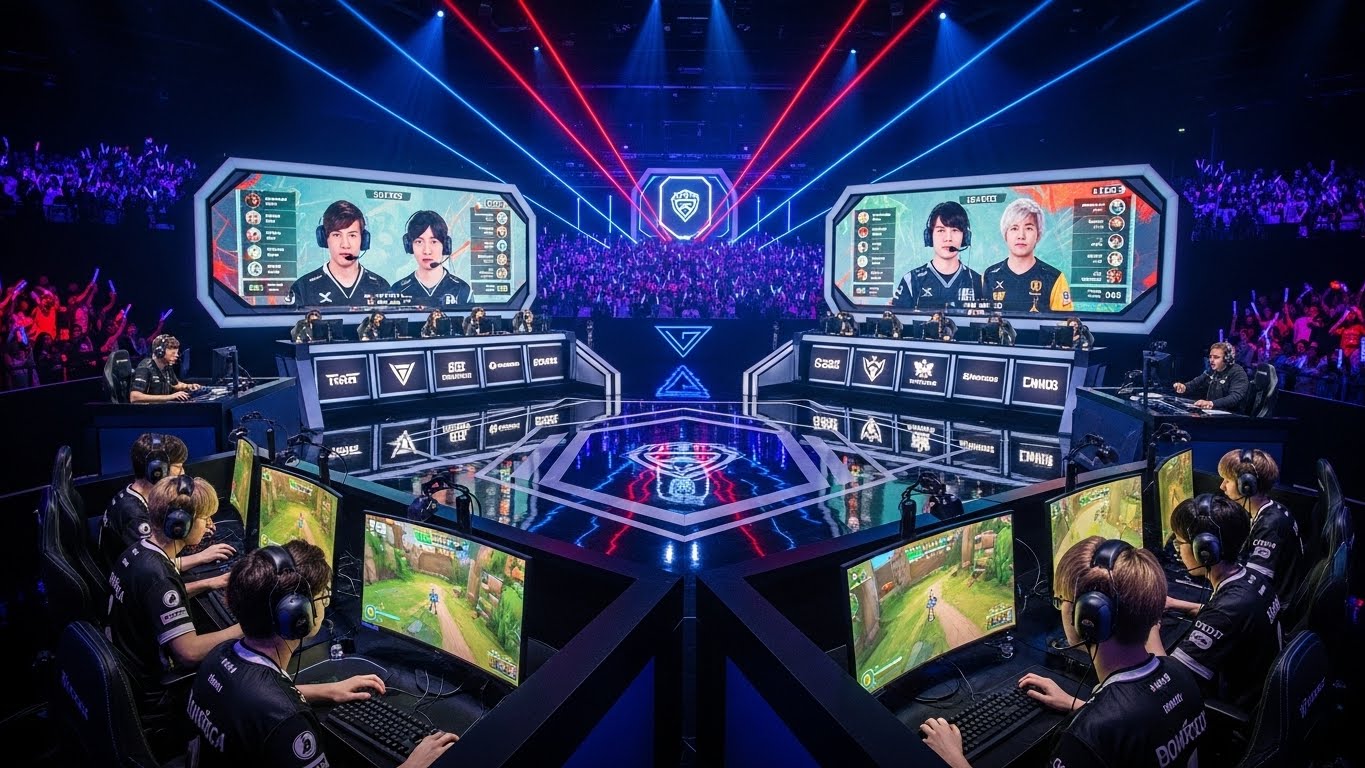
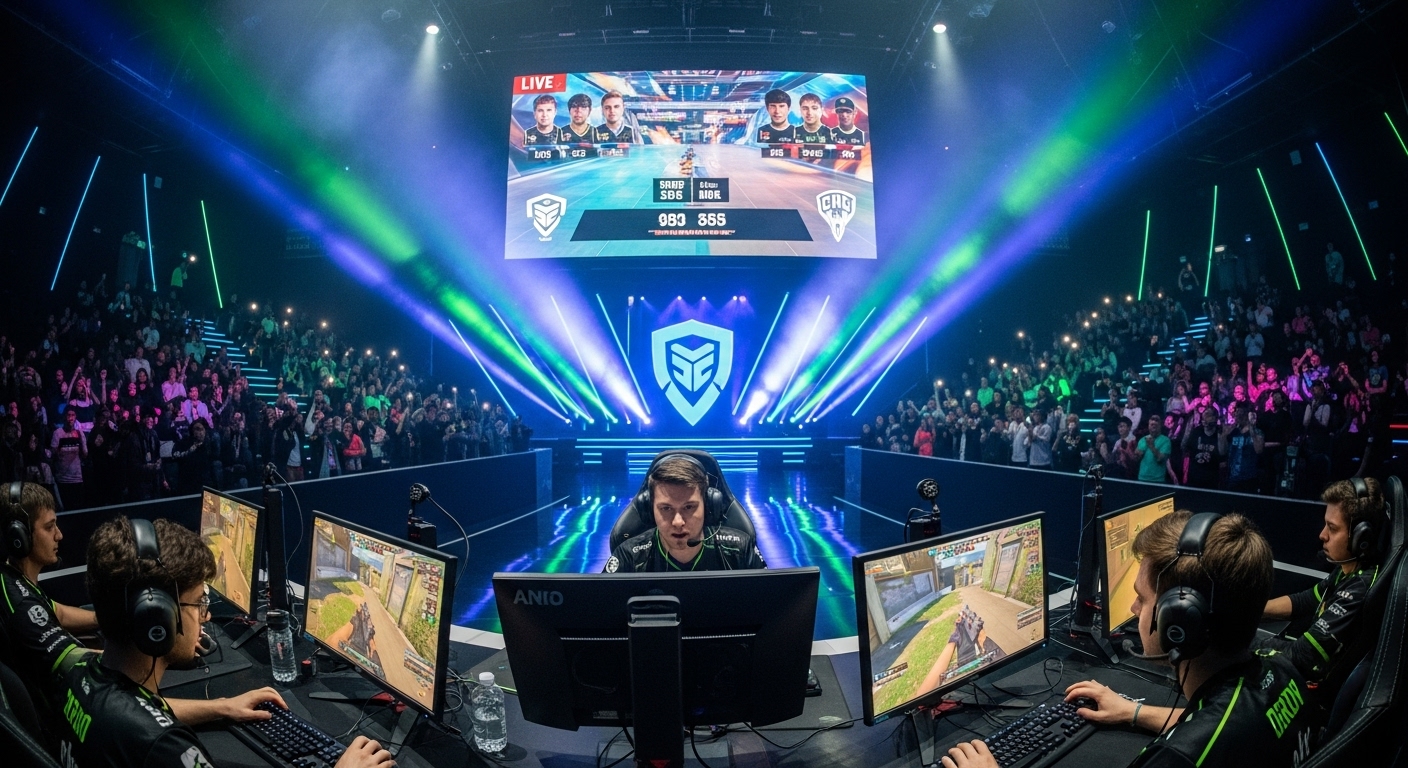
Today, esports is no longer just a hobby—it’s a multi-billion-dollar industry with millions of fans, players, sponsors, and investors. Major tournaments, such as The International for Dota 2, the League of Legends World Championship, and Fortnite tournaments, draw global attention, with prize pools often reaching tens of millions of dollars. These events not only showcase the skills of the best players but also demonstrate the incredible production value and entertainment experience that esports now offers.
One of the key factors in esports’ rise is the increasing recognition it’s receiving from mainstream media and traditional sports networks. Major companies like ESPN and the BBC have started to cover esports tournaments, bringing competitive gaming into the living rooms of millions. Additionally, global sponsors, ranging from tech giants to consumer brands, have jumped on board, offering significant financial backing for teams, events, and content creators.
Esports and the Digital Revolution: Changing the Way We Play and Watch
Esports is a product of the digital revolution. Unlike traditional sports, esports exists entirely within the virtual world, leveraging the power of high-speed internet, advanced gaming technology, and social media to bring people together from across the globe. Players compete not in physical arenas but in virtual battlegrounds, where skill, strategy, and teamwork are put to the test.
One of the most appealing aspects of esports is its accessibility. Anyone with a computer or console can potentially compete, regardless of geographical location. Online multiplayer games have created a new breed of competition that allows players to form teams, strategize, and face off in real time against opponents from all over the world. With platforms like Twitch, YouTube, and Facebook Gaming, fans can tune in to watch these games live, interact with the community, and follow their favorite players and teams. The ease of access has contributed to esports’ rapid rise and expansion, as viewers can easily become participants and participants can easily become stars.
The Rise of Esports Streaming: A New Era of Content Consumption
Streaming platforms like Twitch, YouTube Gaming, and Facebook Gaming have played an integral role in the development of esports. In the early days, gaming content was largely limited to offline events and small-scale video uploads. Now, thanks to live-streaming technology, fans have 24/7 access to live gameplay, professional tournaments, and behind-the-scenes content.
Twitch, in particular, has become the cornerstone of esports content. Millions of viewers tune in daily to watch gamers play, whether it’s high-stakes tournaments, casual gameplay, or creative content such as speedrunning or game development. The accessibility of live streaming has also allowed gamers to monetize their skills, with top streamers earning large sums through sponsorships, subscriptions, and donations from their fanbase. This has given rise to a new form of celebrity, where gamers are now household names with as much influence as traditional athletes.
Esports streaming has also fostered a unique sense of community. Fans can interact with players and other viewers through chat functions, participate in live polls and giveaways, and follow their favorite streamers on social media. This level of interactivity makes watching esports an immersive experience, with fans feeling like they are part of the action rather than mere spectators.
The Evolution of Esports Games: From Strategy to Battle Royale
Esports encompasses a wide range of gaming genres, from real-time strategy (RTS) and multiplayer online battle arenas (MOBA) to first-person shooters (FPS) and battle royale games. Each genre has brought its own style of competition, creating a diverse landscape of esports titles that appeal to different audiences.
League of Legends, Dota 2, and Heroes of the Storm represent the MOBA genre, where teams of players must work together to destroy their opponent’s base. These games require complex strategies, precise timing, and excellent teamwork. On the other hand, games like Counter-Strike: Global Offensive and Call of Duty belong to the FPS genre, where players engage in fast-paced shooting battles that test reflexes, accuracy, and tactics.
Recently, battle royale games like Fortnite, Apex Legends, and PUBG have taken the esports world by storm. These games combine traditional FPS mechanics with the survival genre, where players must outlast one another in a shrinking map. Fortnite in particular has become a cultural phenomenon, attracting millions of players and viewers, thanks to its free-to-play model and innovative in-game events that blend gaming with live concerts and virtual experiences.
The evolution of esports games has brought about increased diversity in the types of competitions available. No longer are esports limited to one type of game; the ecosystem now includes genres that appeal to a wide range of playstyles and interests, ensuring that there is something for everyone.
Esports Players: From Hobbyists to Professional Athletes
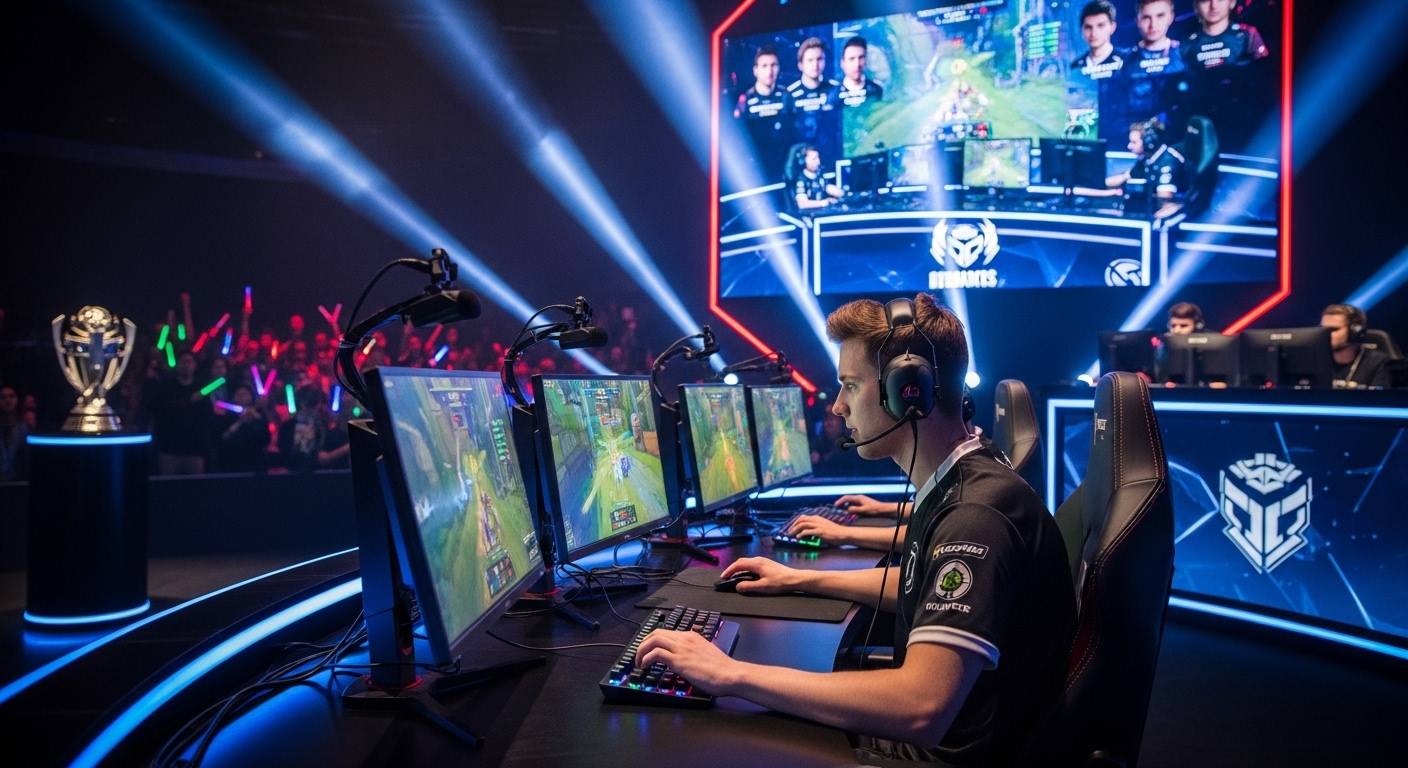
As the esports industry has grown, so too has the professionalism of the players. What was once a pastime for passionate gamers is now a full-time career for many. Esports athletes train just like traditional athletes, practicing for hours each day to perfect their skills, learn new strategies, and stay ahead of the competition. Professional gaming teams are now considered legitimate sports organizations, with coaches, analysts, and support staff working to ensure the best performance from their players.
Esports players are also becoming major celebrities in their own right. Top players like Faker in League of Legends, Ninja in Fortnite, and S1mple in Counter-Strike have amassed huge followings and endorsement deals. These players aren’t just recognized for their skills; they are also regarded as influencers and content creators, shaping the future of gaming culture.
The rise of esports as a career option has also led to the creation of esports academies and universities, where aspiring players can hone their skills and receive scholarships to further their education while pursuing competitive gaming. This professionalization of esports has transformed the industry from a fringe hobby into a legitimate career path for millions.
Esports as a Cultural Phenomenon
Esports has evolved into a cultural phenomenon, influencing music, fashion, and even lifestyle. Esports events, once held in small venues or basements, are now massive productions held in stadiums, arenas, and even virtual worlds. The spectacle surrounding these events rivals that of traditional sports, with elaborate stage designs, live commentary, and dedicated fan bases.
Brands and sponsors have jumped on the esports bandwagon, recognizing its massive potential to engage with young, tech-savvy audiences. From tech companies like Intel and Nvidia to consumer brands like Coca-Cola and Nike, corporate sponsorships have become a driving force behind the growth of esports.
Esports has also played a significant role in shaping youth culture. For many young people, gaming is more than just a hobby—it’s a way of life. Esports communities have created their own language, rituals, and fan culture, with players and fans sharing their passion for gaming through memes, fan art, and merchandise.
The Challenges and Future of Esports
While esports has experienced incredible growth, it also faces challenges. The rapid expansion of the industry has led to concerns about player burnout, mental health, and the sustainability of professional gaming. The pressure to perform at the highest level can take a toll on athletes, and the lack of a standardized system for player treatment and compensation is a growing concern.
Furthermore, while esports has exploded in popularity, it still faces skepticism from some quarters about its legitimacy as a sport. Critics argue that video gaming lacks the physical demands of traditional sports, but as esports continues to grow, these concerns may fade.
The future of esports looks promising, with new technologies like virtual reality and augmented reality poised to further enhance the gaming experience. As esports continues to gain mainstream recognition, it’s likely that it will only grow bigger, more diverse, and more integrated into popular culture.