Introduction: The New Era of Competitive Entertainment
Esports has risen from a niche subculture to a global force that influences entertainment, technology, sports, and youth culture. What once began as small local competitions has evolved into massive tournaments watched by millions. Today, esports represents more than just competitive gaming. It is a professional industry, a cultural movement, and a powerful symbol of how technology shapes human interaction. This blog explores the evolution, impact, and future of esports in a detailed and comprehensive way, offering a full understanding of why this digital sport has captured worldwide attention.
The Origins of Esports: From Arcades to Competitive Platforms
The story of esports begins in the early days of arcade gaming. Gamers gathered around machines like Pac-Man and Space Invaders, competing for high scores and recognition. These simple competitions planted the seeds for organized play. With the introduction of home consoles and personal computers, gaming became more accessible. Titles like Street Fighter, StarCraft, and Super Smash Bros encouraged head-to-head battles, sparking the earliest forms of competitive gaming communities. While basic in structure, these events set the stage for the sophisticated esports environment we see today.
The Online Gaming Revolution
The rise of online gaming changed everything. Suddenly, players were no longer limited to local opponents. They could test their skills against competitors from different cities, countries, and continents. Online multiplayer games such as Counter-Strike, Dota, and World of Warcraft created global communities that thrived on competition and collaboration. This connectivity amplified the idea of esports, demonstrating the potential for large-scale competitive gaming. It introduced rankings, leagues, and statistics that allowed players to measure their progress and strive for excellence.
The Transformation to Professional Esports
As gaming communities grew, the need for organized competition became clear. Professional esports teams emerged, complete with coaches, analysts, and dedicated training routines. Major titles such as League of Legends and Dota 2 began hosting structured tournaments with substantial prize pools. Gaming organizations adopted business structures similar to those seen in traditional sports. Investors, sponsors, and media companies took notice, injecting financial support and raising the competitive standard. With this professionalization, esports became a legitimate career path, with players dedicating countless hours to mastering their craft.
The Spectacle of Esports Tournaments
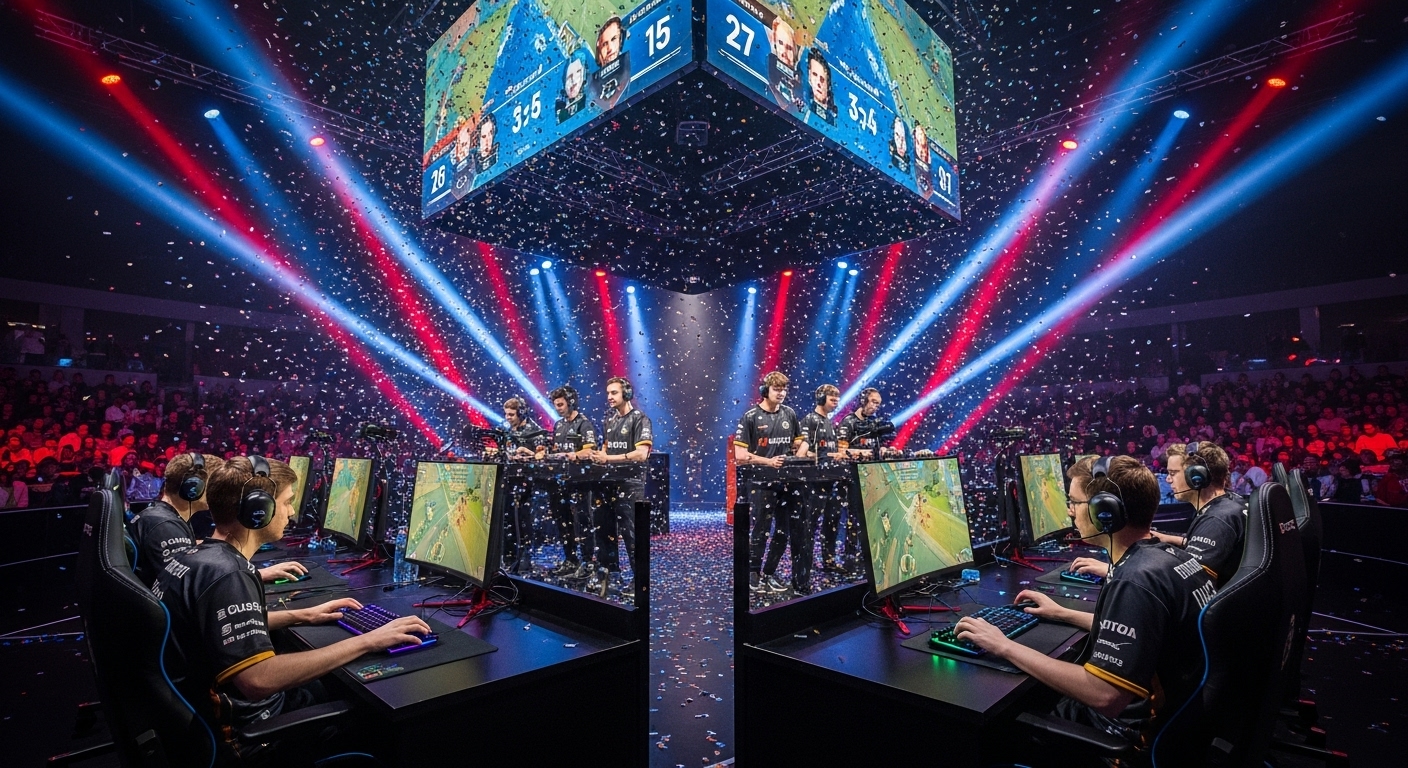
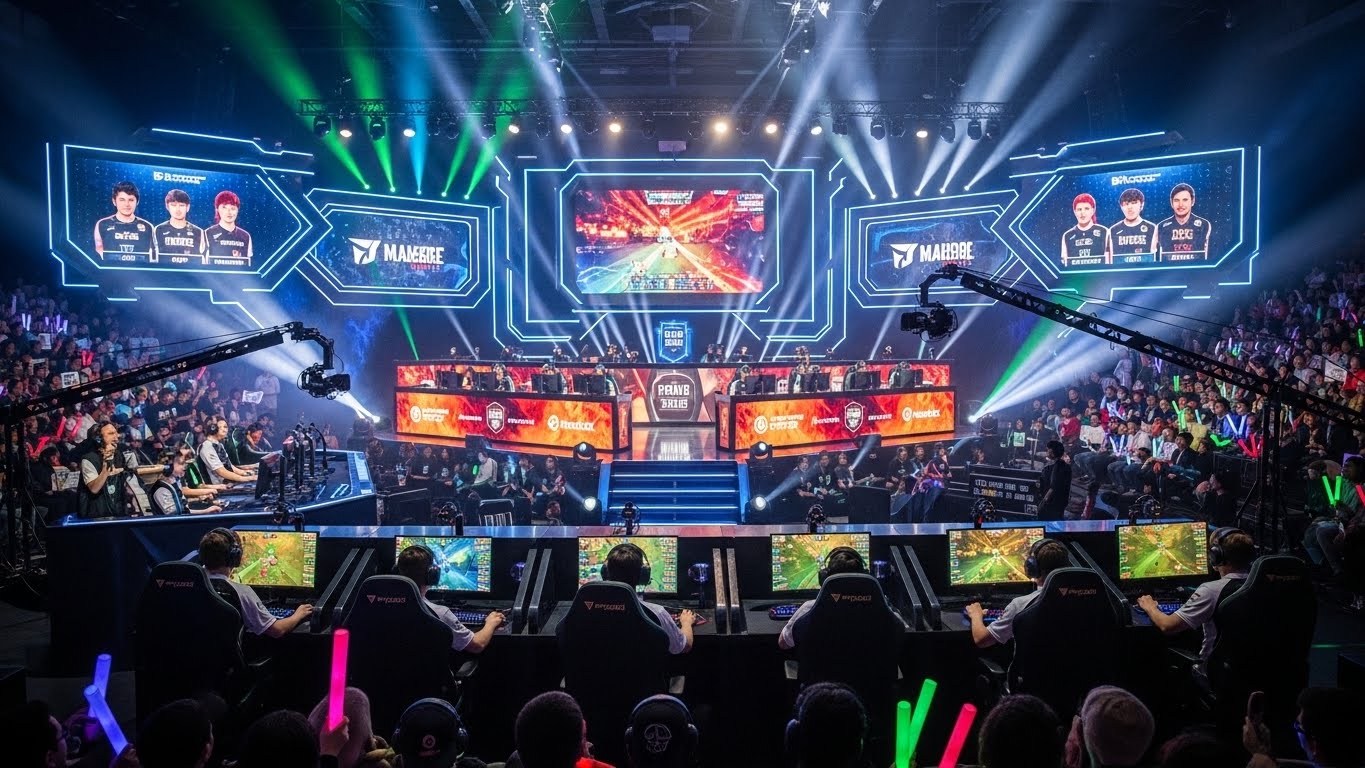
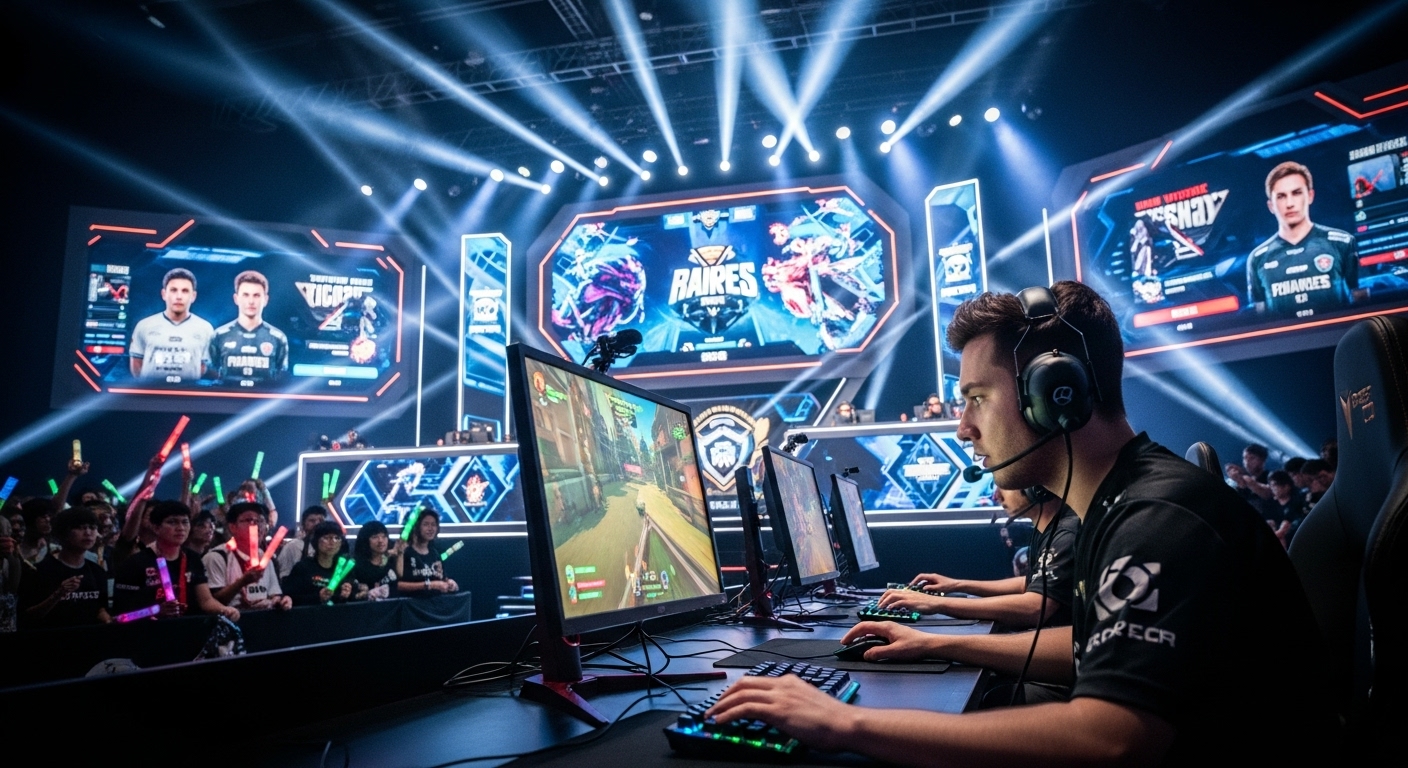
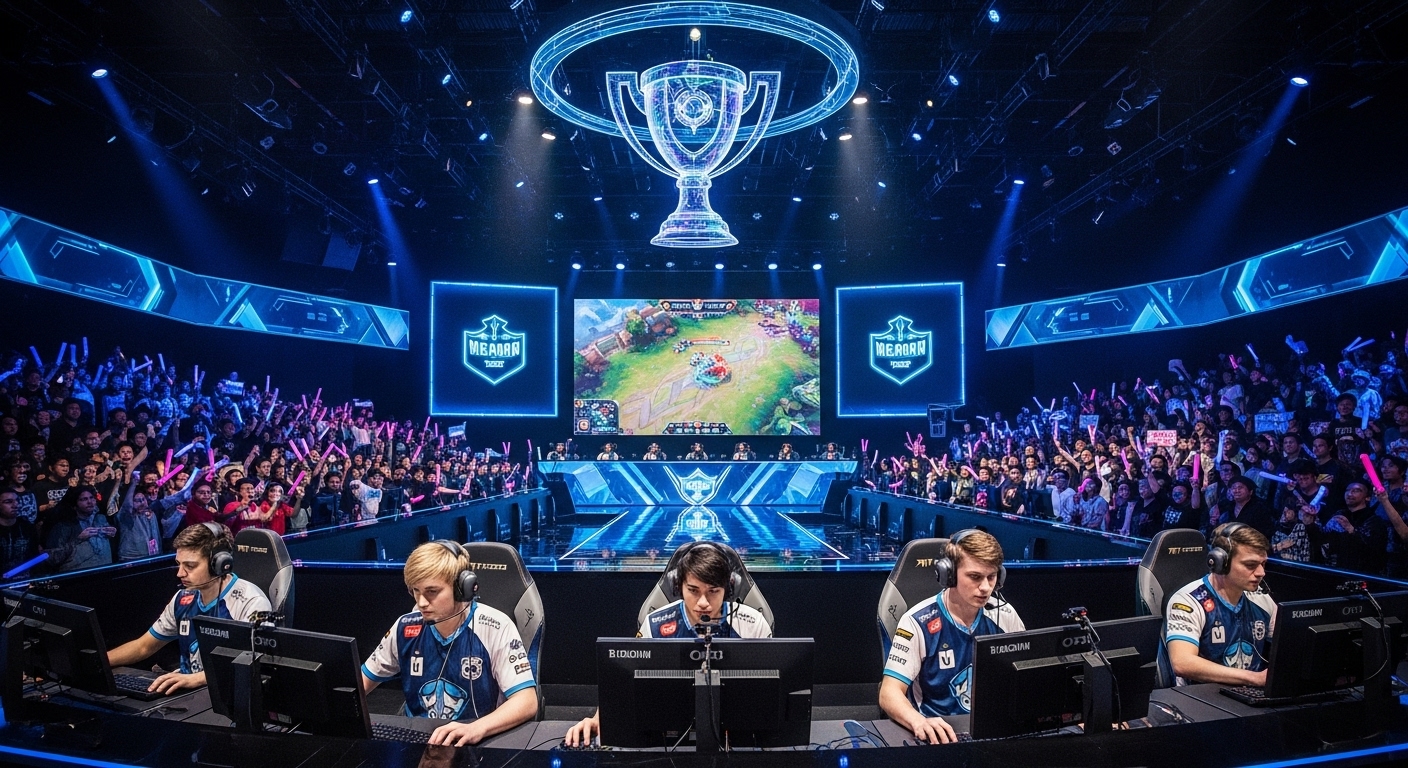
Esports tournaments have become global spectacles capable of filling stadiums and drawing millions of viewers online. The atmosphere in these events mirrors that of traditional sports championships. Fans cheer for their favorite players, wave banners, and celebrate victories with extraordinary enthusiasm. Massive screens, dazzling lights, and expert commentary add layers of excitement. The combination of entertainment and competition creates an unforgettable experience. These tournaments highlight the passion of the esports community and demonstrate its ability to unite diverse audiences worldwide.
The Role of Streaming and Digital Broadcasting
Streaming platforms played a fundamental role in propelling esports into mainstream entertainment. Gamers broadcasting their gameplay attracted massive audiences, turning individuals into celebrities. Viewers enjoy watching professional players, learning strategies, and interacting through chat. This dynamic builds strong communities and encourages global engagement. Streaming content also provides instant access to live matches, creating a continuous flow of entertainment. The on-demand nature of digital broadcasting ensures that esports remains accessible to fans at any time, from anywhere.
The Business of Esports: A Billion-Dollar Industry
Esports has rapidly developed into a billion-dollar industry fueled by sponsorships, advertising, merchandise, and media rights. Companies outside the gaming world recognize its marketing potential, investing heavily to reach younger and highly engaged audiences. Esports teams operate like professional sports franchises, managing branding, training facilities, and fan engagement strategies. Merchandise sales, including team jerseys and accessories, help build loyalty and identity among fans. The financial ecosystem surrounding esports continues to expand, creating countless opportunities for entrepreneurs, investors, and professionals.
The Structure and Training of Esports Teams
Esports teams function with professional discipline. Players often train for several hours daily, focusing on mechanics, strategy, and teamwork. Coaches analyze gameplay footage to refine tactics and eliminate mistakes. Analysts study opponents to develop counter-strategies. Physical fitness is increasingly emphasized, as stamina and reaction time are crucial in competitive gaming. Mental wellness also plays a significant role, with organizations providing psychological support to help players cope with stress, pressure, and the demands of competition. This level of structure demonstrates how seriously esports athletes approach their craft.
The Cultural Influence of Esports
Esports has become a major cultural influence, shaping fashion, music, entertainment, and communication. Gaming culture extends far beyond the competition itself. Fans create art, memes, and social content celebrating their favorite players and teams. The language of gaming has seeped into everyday conversations among younger generations. Esports has also helped promote diversity and inclusion, providing platforms where people from all backgrounds can connect through shared passion. Its impact on pop culture continues to grow, making it one of the most influential modern entertainment trends.
Esports in Education and Youth Development
Schools and universities increasingly recognize the value of esports. Many institutions now offer esports programs, scholarships, and academic courses related to game design, management, and marketing. Competitive gaming teaches valuable life skills including teamwork, communication, leadership, and critical thinking. Young players learn discipline and dedication through regular practice and competition. Esports clubs in schools help students develop social confidence and form lasting friendships. As educational programs continue to expand, esports is gaining acceptance as a positive force in youth development.
Technology and the Future of Esports Innovation
The rapid development of technology drives the future of esports. High-powered hardware, advanced graphics, and improved internet speeds enhance gaming quality and viewer experience. Innovations such as virtual reality, augmented reality, and artificial intelligence pave the way for new competitive formats. Cloud gaming increases accessibility by allowing players to compete without expensive equipment. Data analytics help teams evaluate gameplay more effectively, improving performance and strategy. As technology continues to evolve, the capabilities and potential of esports will expand even further.
Challenges in the Esports Industry
Despite its impressive growth, esports faces several challenges. Player burnout is a significant concern due to intense training schedules and pressure. Regulatory inconsistencies make it difficult to establish global standards. Issues such as cheating, match-fixing, and toxic behavior require strict oversight and enforcement. Ensuring diversity and equal opportunity within the industry is another ongoing concern. By addressing these challenges, the esports community can create a sustainable and fair environment for players and fans alike.
Global Acceptance and Recognition of Esports
Esports is gaining recognition worldwide. Governments, organizations, and sports associations acknowledge its value and economic potential. Many countries support esports through official programs, funding, and events. As global interest grows, esports is becoming an integral part of international competitions and celebrations. The increasing acceptance highlights its significance not only as entertainment but also as a competitive and professional field that deserves respect and recognition.
The Future of Esports: A Boundless Frontier
The future of esports promises continued growth, innovation, and mainstream acceptance. As more games join the competitive landscape, new audiences will be introduced to the excitement of digital competition. Advanced technologies will make tournaments even more immersive and engaging. The blending of traditional sports and esports will create new hybrid events and experiences. As this industry evolves, it will remain a major force shaping global entertainment and technological innovation.
Conclusion: The Legacy and Promise of Esports
Esports represents a remarkable evolution in how humans compete, connect, and experience entertainment. Its journey from arcade competitions to global championships is a testament to the power of passion, community, and technology. Esports has redefined what it means to be an athlete, a fan, and a participant in modern culture. Its impact reaches far beyond gaming, influencing education, business, entertainment, and communication. As esports continues to thrive, it stands as a powerful symbol of the future of competitive entertainment and the limitless possibilities of digital innovation.