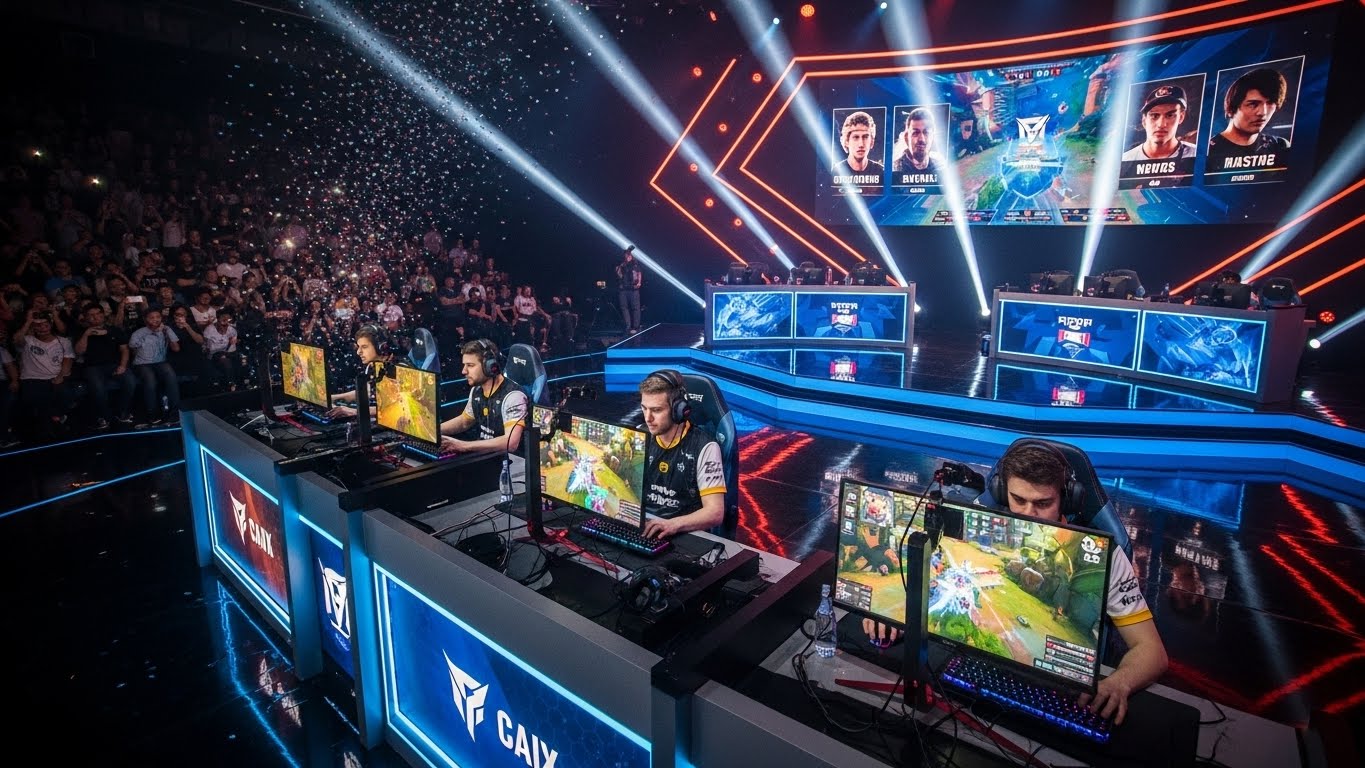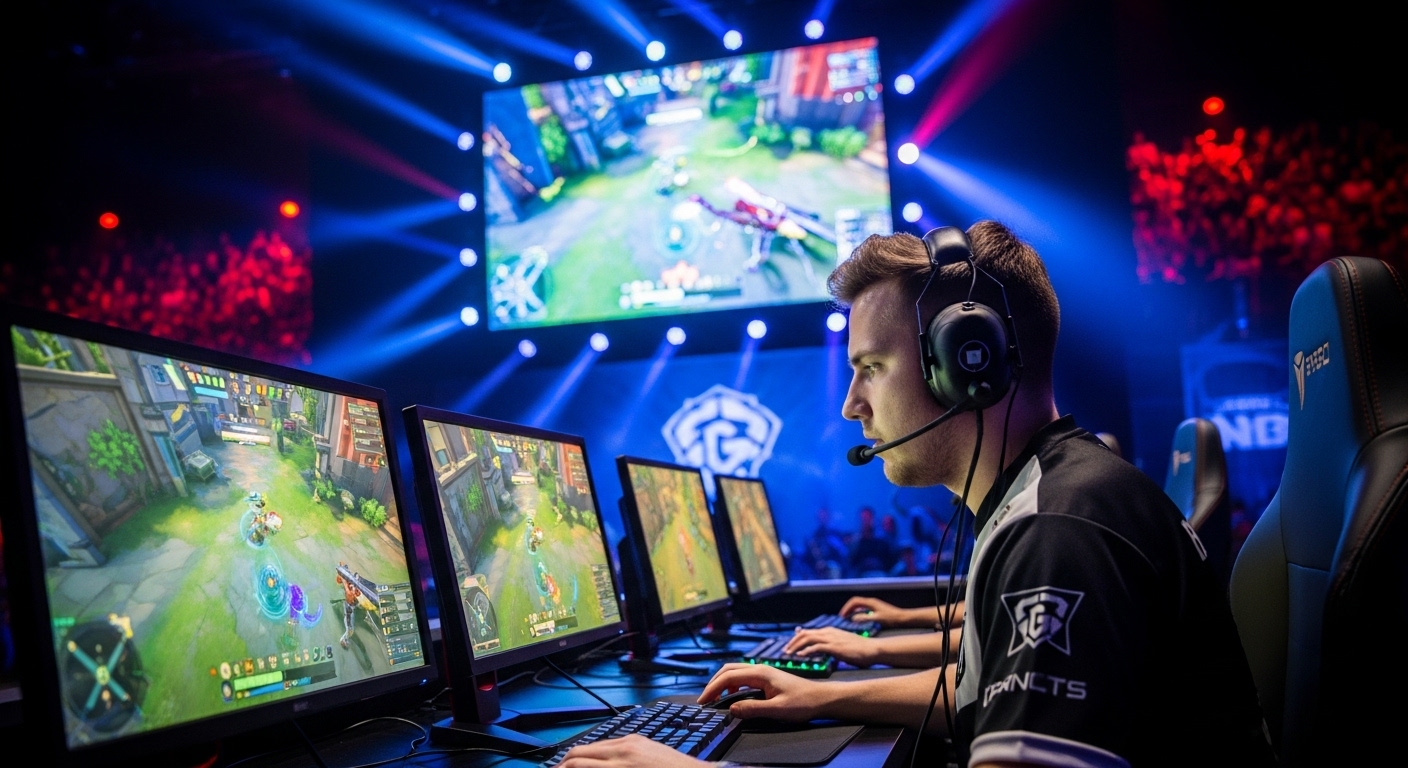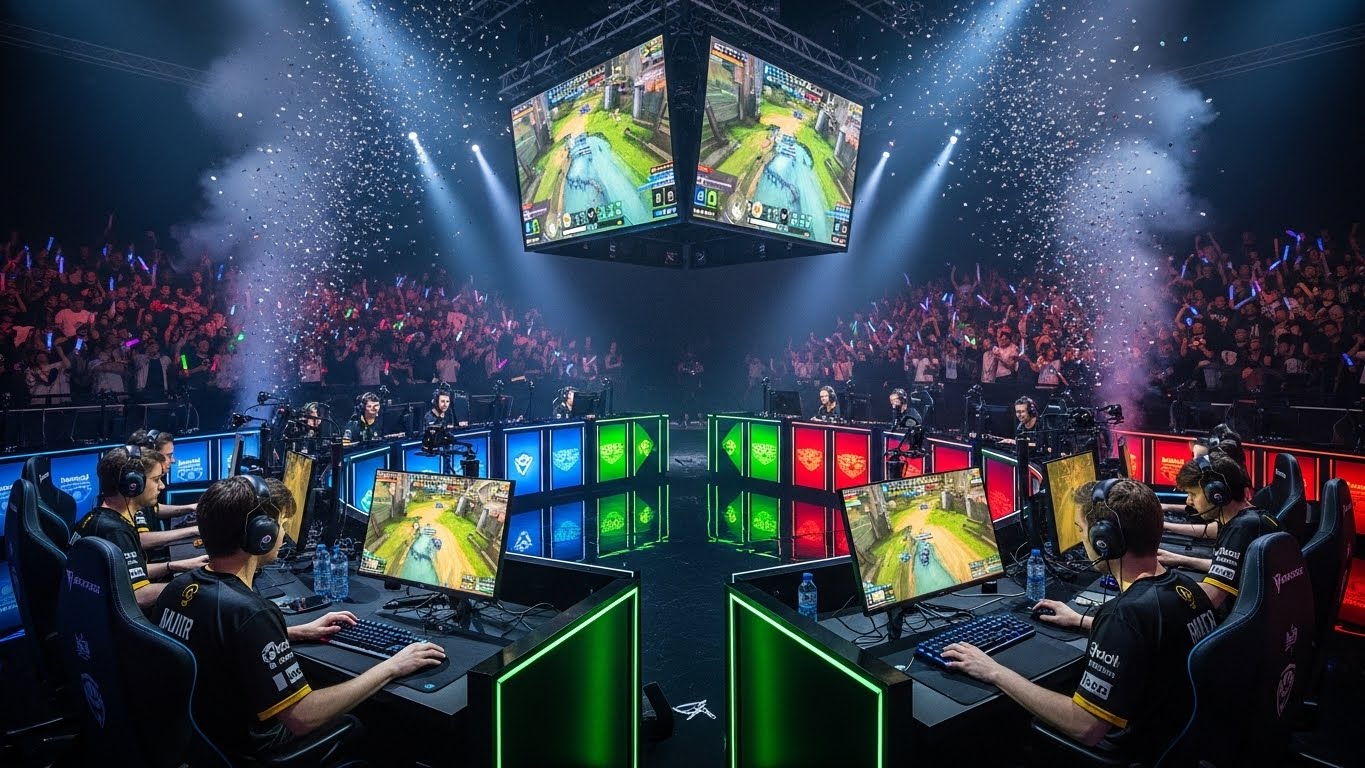
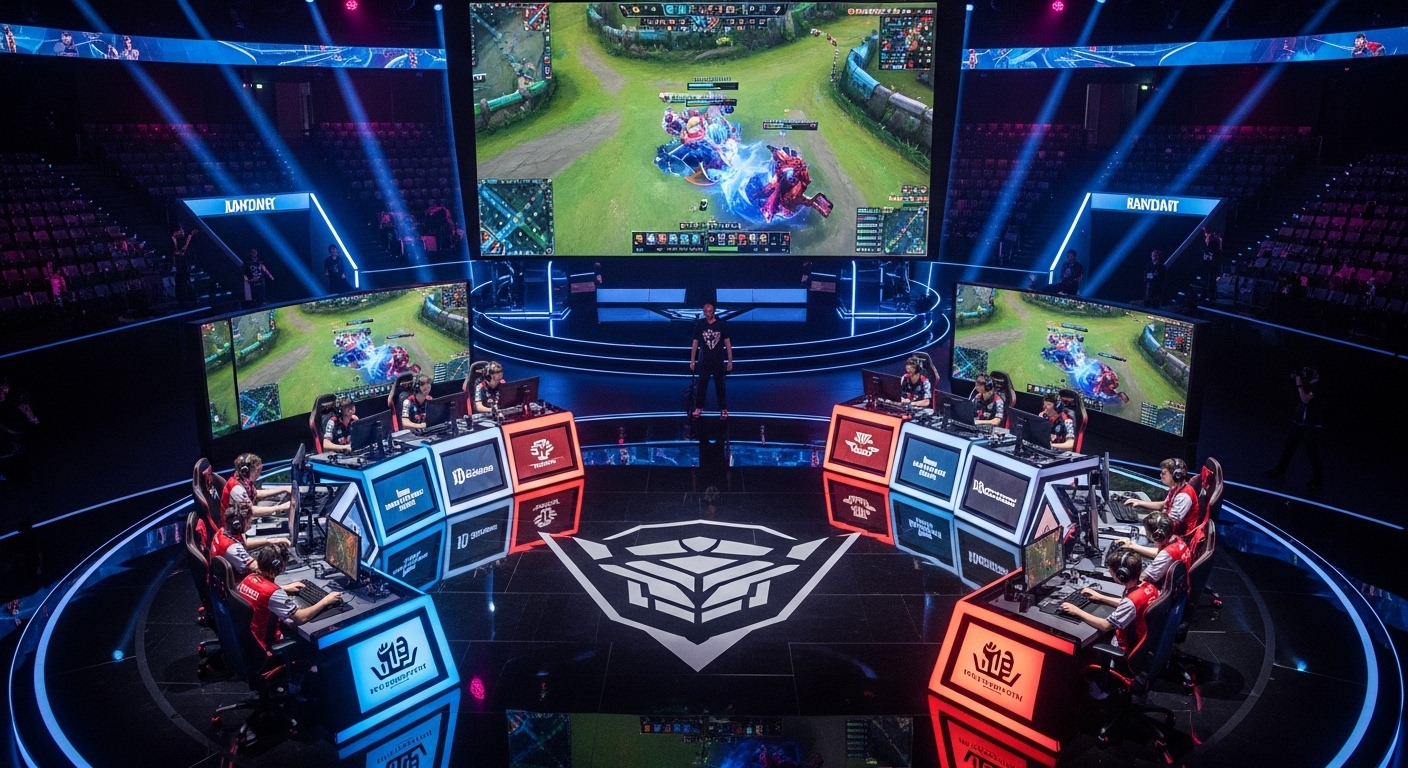
Esports, once seen as a niche hobby for gamers, has quickly grown into a global phenomenon. What started as competitive video gaming in small tournaments has blossomed into a multi-billion dollar industry, attracting millions of players, fans, and investors worldwide. Esports now occupies a unique position at the crossroads of entertainment, technology, and competition, influencing everything from traditional sports to popular culture. In this blog post, we’ll take a deep dive into the rise of esports, exploring its history, current landscape, and the factors that have contributed to its explosive growth.
The Early Days of Competitive Gaming
The roots of esports can be traced back to the early days of gaming itself. In the 1970s and 1980s, arcade games like Pong, Space Invaders, and Pac-Man were popular among players who often competed against each other for high scores. These informal competitions laid the groundwork for a culture of gaming that valued skill and competition. However, it wasn’t until the early 1990s that competitive gaming began to evolve into a more formalized structure.
One of the first significant milestones in esports history was the 1997 Red Annihilation tournament for the game Quake. The event, which took place in the United States, featured some of the best players in the world and offered a $20,000 prize, making it one of the first major esports competitions. This tournament not only introduced a new level of seriousness and organization to competitive gaming, but it also helped to solidify the idea that esports could be a legitimate, skill-based competition with substantial rewards.
The Birth of Modern Esports
By the late 1990s and early 2000s, the growth of the internet and broadband technology helped esports take its next major step forward. Games like StarCraft, Warcraft III, and Counter-Strike started to gain popularity, and dedicated online multiplayer servers allowed players from across the world to connect and compete in real-time. This new level of connectivity laid the foundation for what would become a truly global competitive gaming scene.
In 2000, the World Cyber Games (WCG) was founded, bringing together players from across the globe to compete in a variety of games. This marked the first large-scale international esports tournament, helping to expand the reach of esports beyond regional boundaries. The WCG was followed by the creation of other major tournaments, such as the Electronic Sports World Cup (ESWC), which further fueled the growth of competitive gaming and inspired new leagues and competitions.
The rise of streaming platforms like Twitch, which launched in 2011, also played a pivotal role in the growth of esports. Twitch allowed gamers to stream their gameplay live to a global audience, enabling players to build large fanbases and allowing fans to watch tournaments and competitions in real-time. The ability to broadcast competitive gaming in such an accessible and interactive format gave esports a visibility it had never had before and created a new avenue for fans to engage with the sport.
The Explosion of Esports: Major Games and Professional Leagues
As esports continued to gain traction, certain games emerged as staples of the competitive gaming scene. Titles like League of Legends, Dota 2, Counter-Strike: Global Offensive, and Overwatch became central to esports’ rise, with tournaments and leagues built around them attracting millions of viewers and offering substantial prize pools.
League of Legends, developed by Riot Games and released in 2009, became a flagship title in the esports world. The League of Legends World Championship is now one of the most-watched esports events globally, with viewership numbers often exceeding those of traditional sports finals. The game’s competitive structure, with its emphasis on team-based strategy and fast-paced gameplay, made it a natural fit for esports.
Similarly, Dota 2, developed by Valve Corporation, revolutionized esports with its International tournament, which boasts one of the largest prize pools in esports history. In 2011, the first Dota 2 International tournament offered a prize pool of $1 million, an eye-watering sum for competitive gaming at the time. Since then, the prize pool has skyrocketed, with the 2018 International reaching over $25 million.
Other games, like Counter-Strike: Global Offensive (CS: GO) and Overwatch, also contributed to the expansion of esports. These titles offered different styles of competitive gameplay, from tactical first-person shooters to team-based objective games, providing something for every type of gamer. As these games grew in popularity, so did the professional leagues and tournaments around them.
The creation of dedicated esports leagues, such as the Overwatch League (OWL) and the Call of Duty League (CDL), further institutionalized esports, creating franchise-based structures similar to those of traditional sports leagues. These leagues brought a sense of professionalism to esports, with teams representing cities or organizations, playing regular seasons, and participating in playoff-style tournaments.
Esports as a Mainstream Industry: Sponsorships, Media Deals, and Big Business
In recent years, esports has transitioned from being a niche subculture to a fully-fledged mainstream industry. As the audience for esports continues to grow, so does the level of investment from major companies, brands, and media outlets. Esports teams, tournaments, and players are now attracting sponsorship deals from some of the biggest names in business, including Coca-Cola, Intel, and Red Bull. These partnerships not only provide financial backing but also help to further legitimize esports as a professional, competitive sport.
The rise of esports also coincided with the increasing popularity of streaming platforms like Twitch, YouTube Gaming, and Facebook Gaming. These platforms not only serve as a venue for players to showcase their skills but also provide a source of income for top streamers, who can monetize their channels through advertising, subscriptions, and donations from viewers. Some of the biggest esports personalities, like Ninja (Tyler Blevins) and Shroud (Michael Grzesiek), have become household names, with millions of followers and lucrative sponsorship deals.
Media companies have also recognized the potential of esports. Major networks like ESPN and Fox Sports have begun broadcasting esports tournaments, while streaming platforms have made esports more accessible than ever. In 2019, the League of Legends World Championship was broadcasted live on cable television in several countries, marking a significant milestone in esports’ mainstream acceptance.
In addition to sponsorships and media deals, esports has also become a profitable business venture for investors. Venture capitalists and private equity firms are increasingly investing in esports organizations, platforms, and events. The purchase of esports teams by traditional sports franchises, such as the Golden State Warriors investing in T1 (a League of Legends team) and the Dallas Cowboys backing Team Envy, further underscores esports’ increasing legitimacy in the eyes of traditional investors.
The Global Impact of Esports: A Cultural and Social Movement
Esports has transcended borders, uniting players and fans from every corner of the globe. While gaming has always been a global activity, esports has created a platform for international competition and collaboration like never before. Esports events often feature teams from multiple countries, with international competitions allowing players to represent their home nations on the world stage.
This global connectivity has led to the formation of a unique esports culture, where fans and players form tight-knit communities around their favorite games, teams, and players. Social media, online forums, and live streaming have created spaces for fans to interact with one another, share experiences, and discuss strategies, news, and updates.
Esports has also been credited with fostering inclusivity and diversity within gaming. While the gaming world has historically been dominated by male players, esports has provided an avenue for women, LGBTQ+ individuals, and people of diverse backgrounds to participate in the competitive gaming scene. Various initiatives, tournaments, and organizations now actively support and promote diversity in esports, working to create a more inclusive and welcoming environment for all players.
Esports has even begun to influence traditional sports and entertainment. Many professional sports teams and organizations now invest in esports teams or host esports tournaments as part of their branding. The crossover between traditional sports and esports has led to the rise of esports arenas, live broadcasts, and collaborations between athletes and esports players.
The Challenges and Future of Esports
Despite its meteoric rise, esports still faces several challenges. One of the most significant concerns is the issue of player health and well-being. Competitive gaming can be physically and mentally demanding, with players often participating in long practice sessions and tournaments. Issues such as repetitive strain injuries, mental health problems, and burnout are becoming increasingly prevalent in the esports community, highlighting the need for better support systems and player welfare initiatives.
Another challenge for the esports industry is its sustainability. While sponsorships and media deals have provided a financial boost, the long-term stability of esports organizations and tournaments remains uncertain. As the market matures, esports must find new ways to ensure profitability while maintaining the integrity and accessibility of competitive gaming.
Additionally, the growth of esports has led to concerns about cheating and match-fixing. As the stakes in esports rise, so does the temptation for players and teams to engage in unethical practices to secure victories. Esports governing bodies and tournament organizers are working to implement stricter rules and anti-cheating measures, but this remains an ongoing issue for the industry.
Looking to the future, the growth of esports seems poised to continue. As technology advances, new games, formats, and ways of interacting with esports will emerge, offering fresh opportunities for fans and players alike. With the continued support of major brands, media companies, and investors, esports is set to become an even more integral part of the global entertainment landscape.