Introduction: The Evolution of Competitive Gaming
Esports, or electronic sports, has emerged as one of the most exciting and rapidly growing forms of entertainment in the 21st century. What began as casual video gaming among friends has transformed into a global phenomenon where professional players compete for substantial prizes, recognition, and worldwide fame. Esports transcends traditional gaming, blending technology, strategy, and athleticism to create a unique competitive experience.
The appeal of esports lies not only in the thrill of competition but also in its ability to connect players and audiences across the globe. Millions of fans tune in to watch live tournaments, follow their favorite teams, and engage in interactive experiences. This blog explores the rise of esports, its cultural and economic impact, technological advancements, and its significance in the world of modern sports and entertainment.
The Origins of Esports: From LAN Parties to Global Tournaments
The origins of esports can be traced back to the early days of competitive video gaming in the 1980s and 1990s. Games like Pac-Man, Street Fighter, and StarCraft provided the foundation for competitive play, with players gathering in arcades or local networks to test their skills. These early competitions were often small-scale but cultivated a growing community of dedicated players.
The 2000s saw the rise of online multiplayer games and professional leagues. Titles such as Counter-Strike, Warcraft III, and Dota created opportunities for international competition, with organized tournaments and prize pools attracting global attention. The emergence of streaming platforms further accelerated esports, allowing audiences to watch live matches and follow players in real time.
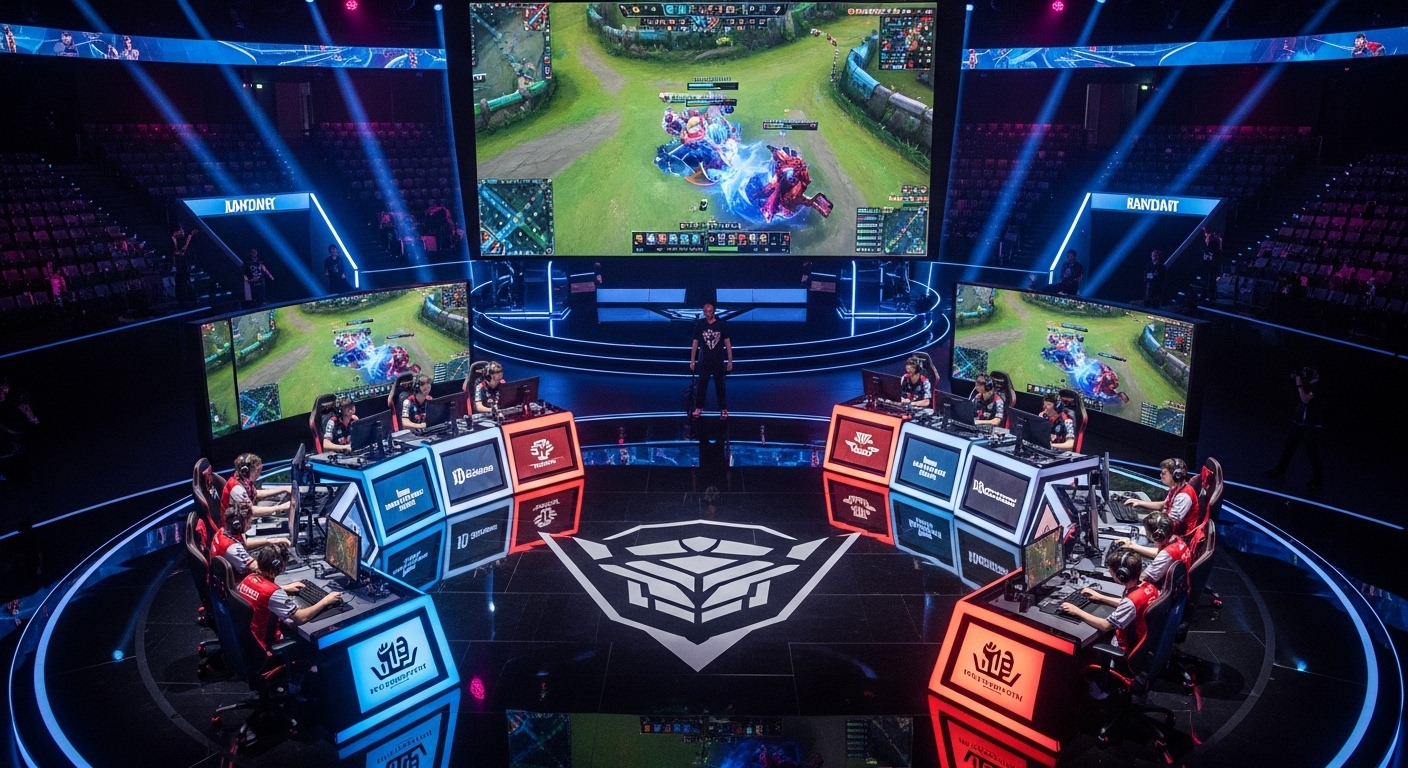
Today, esports has evolved into a professional industry with structured leagues, sponsorship deals, media coverage, and international tournaments. Major events such as the League of Legends World Championship, Dota 2’s The International, and the Call of Duty League Finals attract millions of viewers and offer multi-million-dollar prize pools, solidifying esports as a legitimate form of competitive entertainment.
Esports as a Professional Career
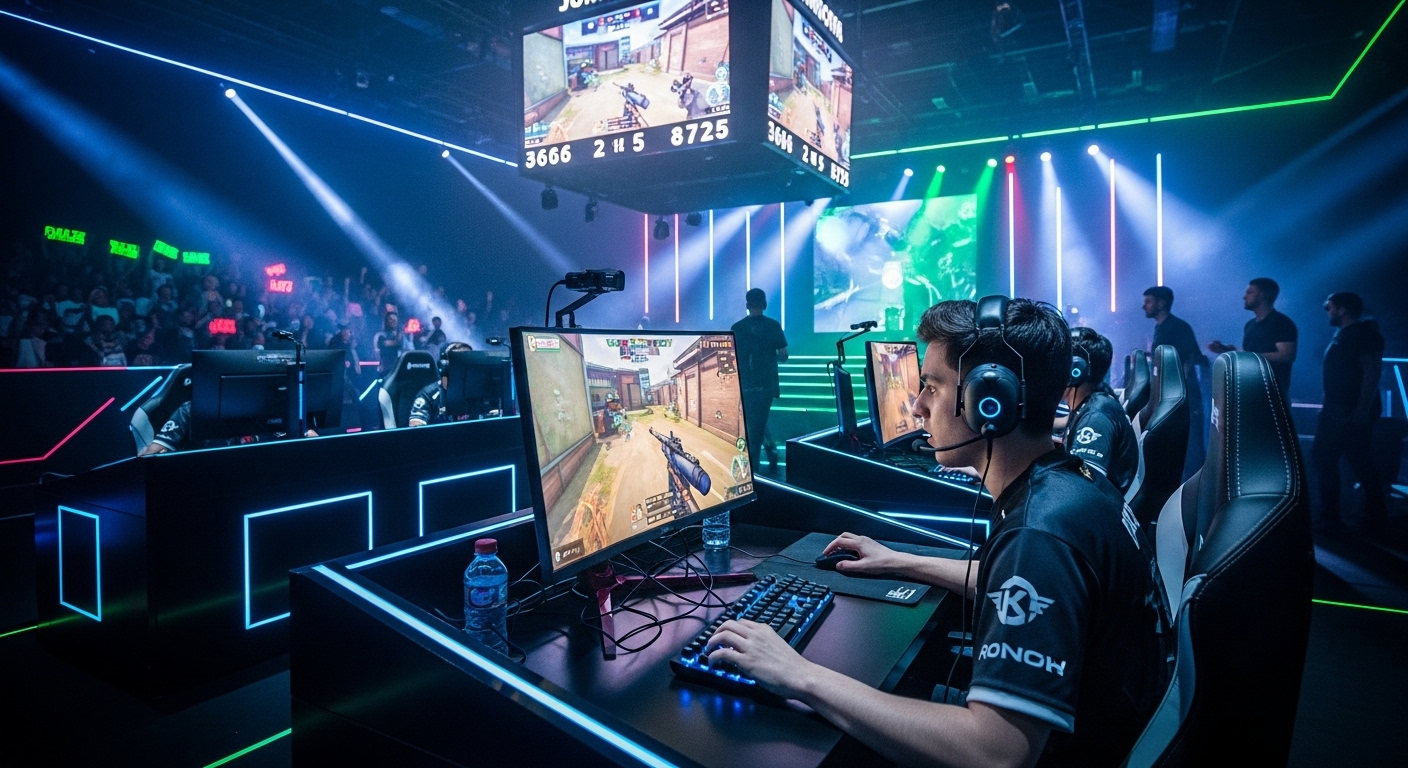
Esports is no longer merely a hobby; it has become a viable professional career. Professional players dedicate countless hours to training, strategy development, and teamwork, similar to traditional athletes. They often maintain strict routines, including physical conditioning, mental coaching, and practice schedules to enhance focus, reaction time, and strategic decision-making.
Beyond players, esports offers career opportunities in coaching, management, broadcasting, content creation, marketing, and event organization. Analysts, commentators, and production teams contribute to the spectator experience, while organizations manage sponsorships, merchandising, and branding. The professional ecosystem ensures that esports is not just about gameplay but a multifaceted industry with diverse career paths.
The Popularity and Global Reach of Esports
Esports has grown into a global phenomenon with millions of active players and viewers. Countries in Asia, North America, and Europe dominate the competitive scene, but emerging markets in South America, Africa, and the Middle East are also contributing to the industry’s expansion.
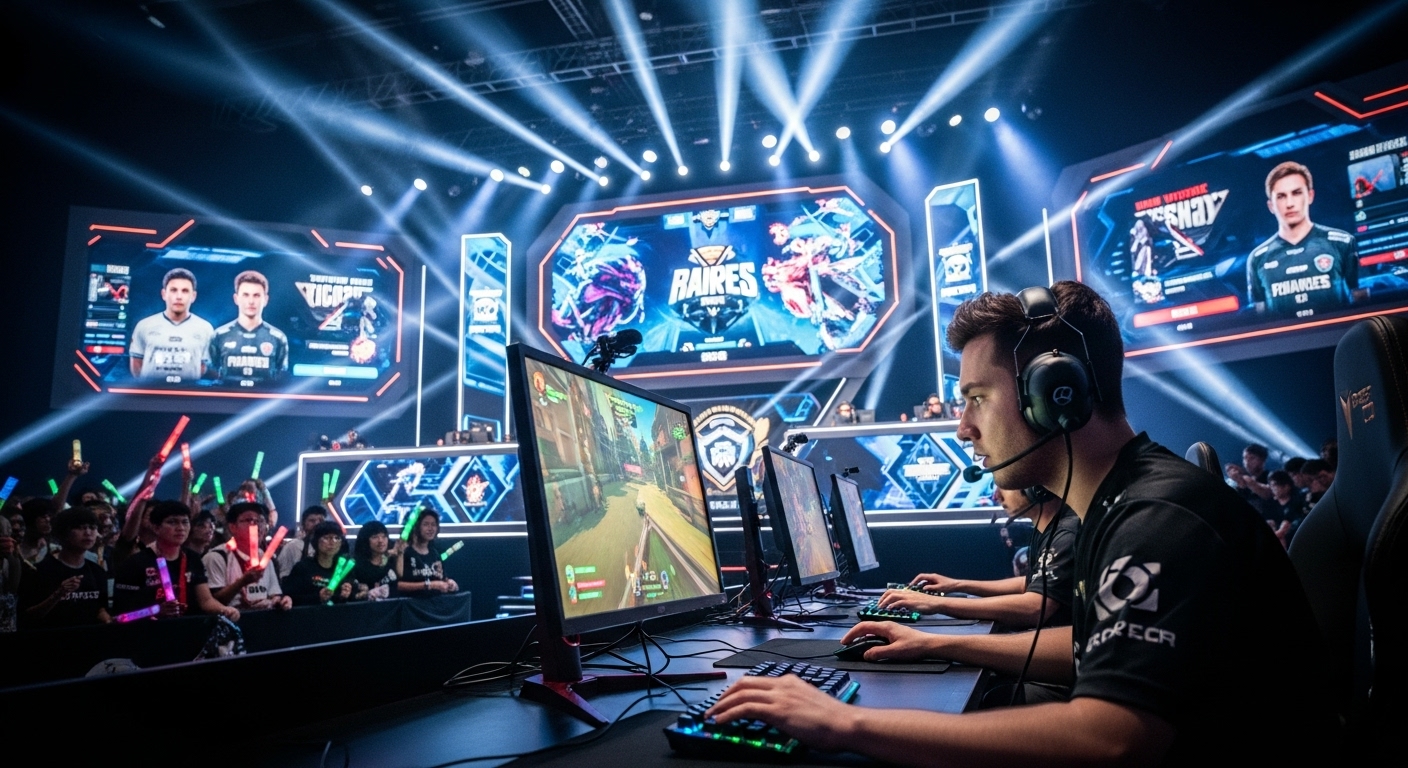
Streaming platforms and social media have revolutionized how audiences consume esports content. Fans can watch live matches, interact with players through chat features, and follow behind-the-scenes content. The accessibility of digital platforms ensures that esports reaches audiences who might not have access to traditional sports broadcasts, creating a truly global community of fans.
The Cultural Impact of Esports
Esports has influenced culture in multiple ways. It has popularized gaming as a legitimate form of entertainment, shifting societal perceptions of gamers and video games. Competitive gaming has inspired merchandise, fashion trends, and even music collaborations, integrating esports into mainstream culture.
Esports also fosters a sense of identity and belonging. Fans rally behind teams and players, participating in discussions, creating fan art, and attending live events. Online communities provide social interaction and shared experiences, strengthening bonds among individuals who might be separated by geography.
Moreover, esports promotes diversity and inclusion. Players of all genders, nationalities, and backgrounds can compete at high levels, breaking down barriers and challenging stereotypes about who can participate in competitive gaming. This inclusivity has contributed to esports’ cultural significance and growing acceptance worldwide.
Esports and Technology: Driving Innovation
Technology is the backbone of esports. High-speed internet, advanced gaming hardware, and sophisticated software have enabled competitive play to reach new levels of precision and entertainment. High-performance computers, gaming peripherals, and ergonomic setups ensure that players can perform at their best.
Broadcast technology and streaming platforms have transformed how audiences engage with esports. Real-time analytics, multi-angle cameras, and interactive features enhance the spectator experience, making esports more immersive and engaging. Artificial intelligence and data analysis tools help teams assess performance, optimize strategies, and scout emerging talent.
Virtual reality and augmented reality are also being explored in esports, offering new ways for players and audiences to experience competition. As technology continues to evolve, esports is likely to become even more interactive, dynamic, and accessible.
The Psychological and Cognitive Benefits of Esports
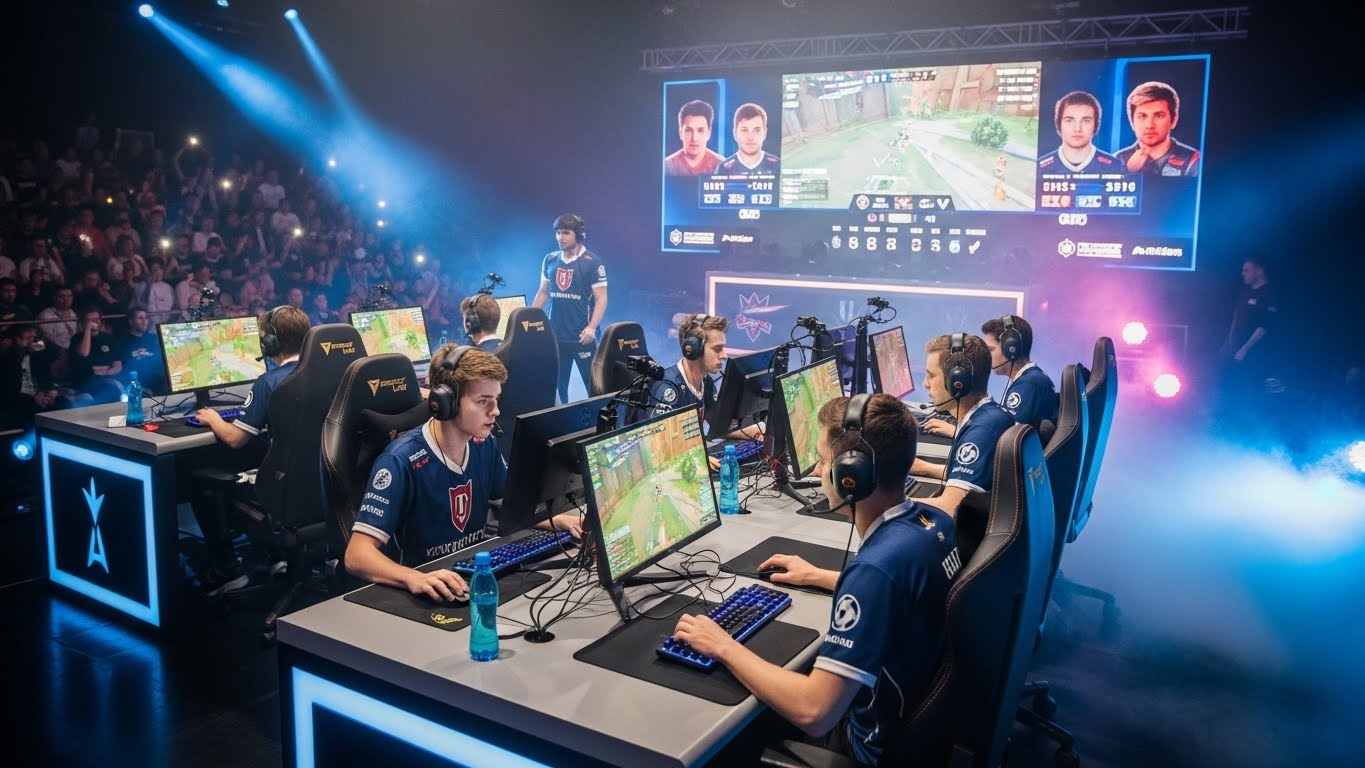
Esports is not just a test of reflexes and coordination; it also challenges the mind. Competitive gaming improves strategic thinking, problem-solving skills, multitasking, and decision-making under pressure. Players must adapt to constantly changing scenarios, anticipate opponents’ moves, and work as part of a coordinated team.
Esports also fosters mental resilience and discipline. The intensity of competition requires focus, patience, and perseverance. Players learn to handle victories and defeats constructively, developing emotional intelligence and the ability to perform under pressure. Cognitive skills developed through esports can translate into real-life problem-solving and leadership abilities, making competitive gaming more than just entertainment.
Esports as a Platform for Education and Development
Esports has begun to influence education and youth development. Many schools and universities now offer esports programs, providing students with opportunities to learn teamwork, strategy, and digital literacy. Competitive gaming encourages students to set goals, manage time effectively, and cultivate leadership skills.
Scholarships for esports athletes are increasingly common, recognizing competitive gaming as a legitimate pursuit. Academic institutions also explore esports as a tool for technology education, media production, and event management, integrating the industry into broader learning opportunities.
Economic Impact of Esports
The esports industry has become a major economic force. Revenue streams include tournament prize pools, sponsorship deals, advertising, merchandise, media rights, and streaming subscriptions. Professional leagues, international tournaments, and online competitions generate substantial income for players, teams, organizers, and supporting industries.
Esports also stimulates economic activity beyond gaming itself. Event production, hospitality, marketing, and technology sectors benefit from tournaments and conventions. The industry’s growth contributes to job creation, innovation, and global business opportunities, further solidifying esports as a significant economic driver.
Challenges Facing Esports
Despite its rapid growth, esports faces challenges. Physical and mental health concerns, such as eye strain, repetitive stress injuries, and burnout, affect professional players. Maintaining balance, physical fitness, and mental well-being is essential for sustainable careers.
Additionally, issues of governance, regulation, and standardization persist. Disparities in prize distribution, inconsistent rules across leagues, and concerns about fair play and cheating need to be addressed to maintain credibility. Gender inclusivity and combating toxicity in online communities are also ongoing challenges.
The Future of Esports
The future of esports is full of potential. As technology advances, competitive gaming will become more immersive, interactive, and accessible. Virtual reality tournaments, AI-assisted training, and global online leagues will redefine the way players and audiences engage with esports.
Esports is likely to continue integrating with traditional sports, entertainment, and media, creating hybrid experiences that appeal to diverse audiences. The industry’s inclusivity and global reach position it as a key driver of innovation, cultural exchange, and economic growth.
Educational programs, professional development, and youth engagement initiatives will further legitimize esports as a career and cultural phenomenon. As esports continues to expand, it will inspire new generations of players, creators, and fans, shaping the future of competitive entertainment.
Conclusion: Esports as a New Era of Competition
Esports represents a transformative shift in the world of competitive entertainment. It combines skill, strategy, technology, and community, creating an experience that transcends traditional gaming. From its humble beginnings in arcades and LAN parties to global tournaments with millions of viewers, esports has evolved into a professional, culturally significant, and economically impactful industry.
Beyond the games themselves, esports fosters global connection, cognitive development, and cultural exchange. It challenges perceptions of what it means to be an athlete, expanding the definition of competition in the digital age. As technology, accessibility, and community continue to drive the industry forward, esports stands as a testament to human creativity, dedication, and the universal appeal of competition.
Whether as players, fans, or professionals, individuals engaging with esports are participating in a global phenomenon that blends entertainment, skill, and innovation, shaping the future of sports and gaming in unprecedented ways.