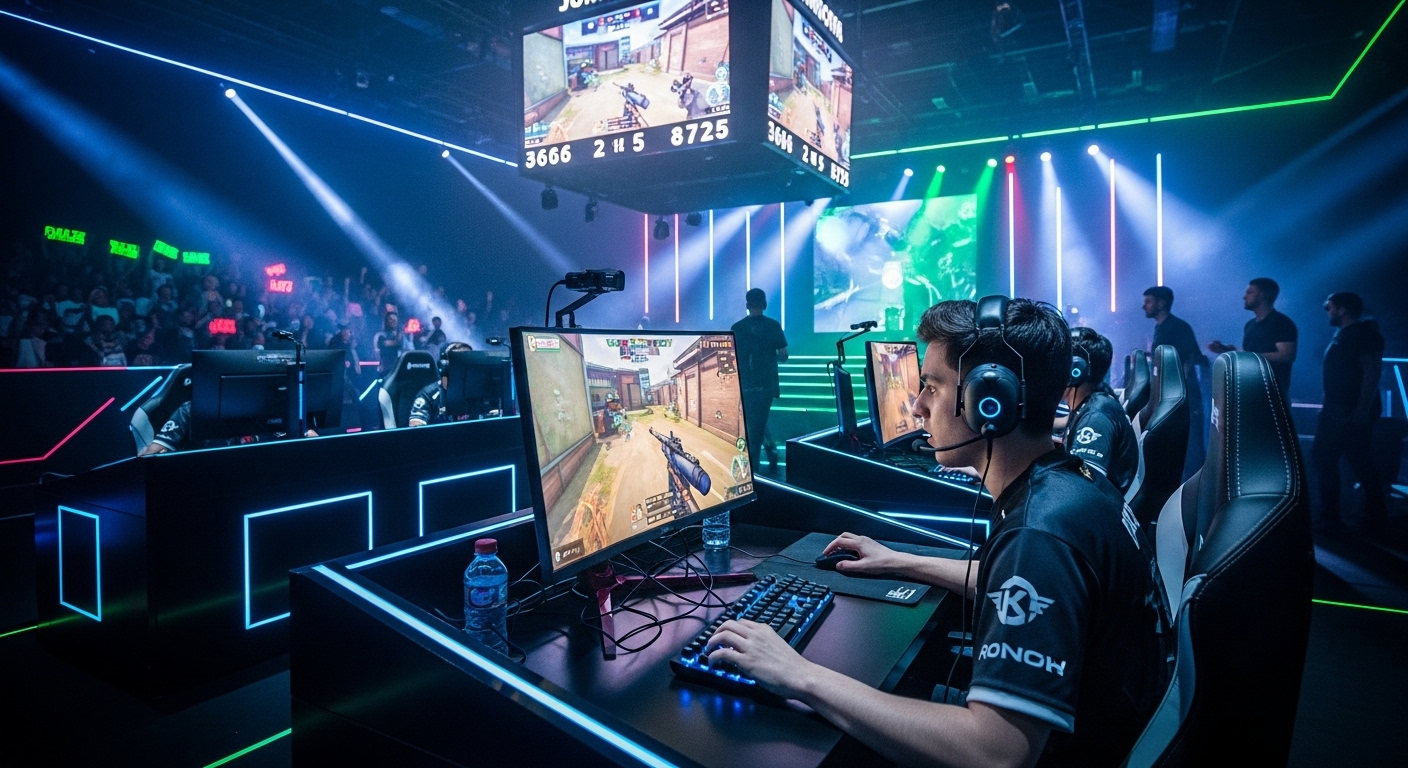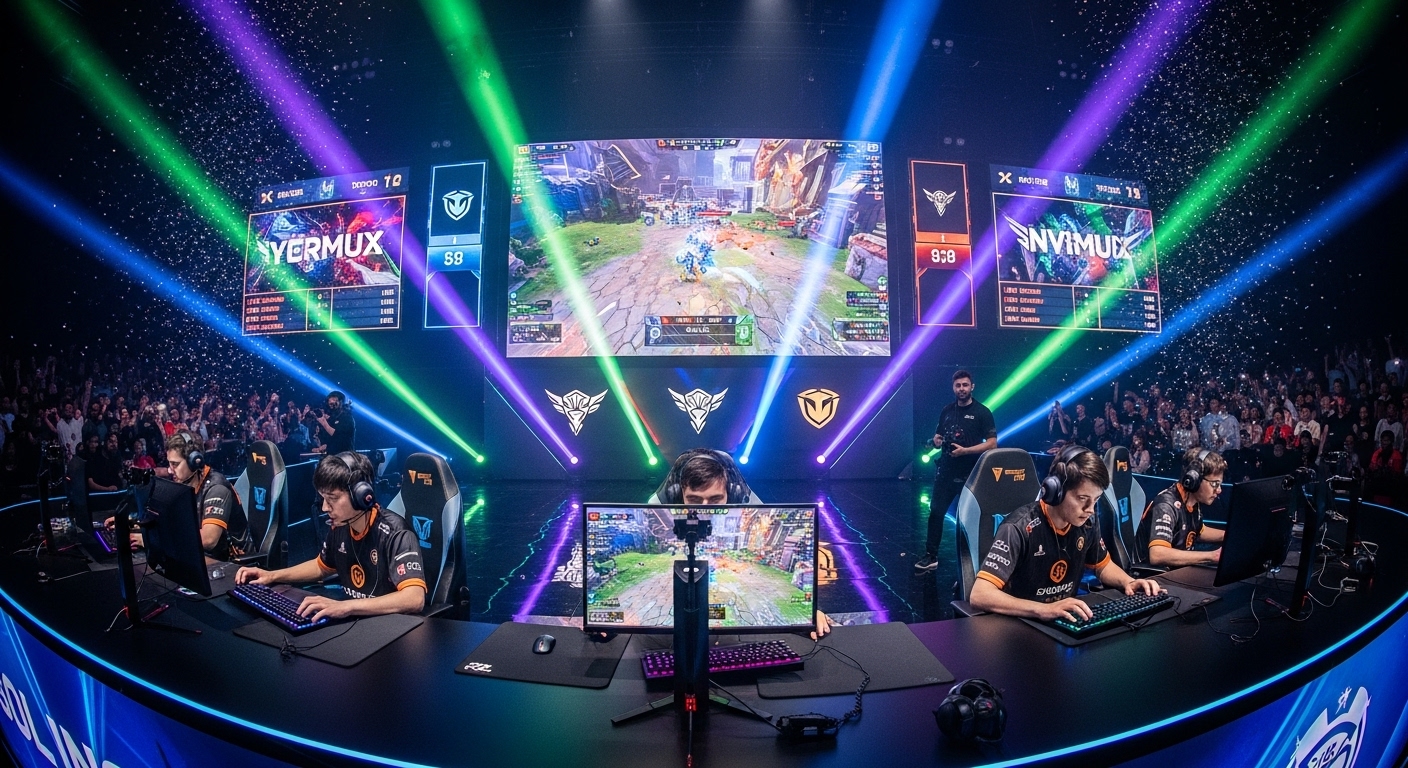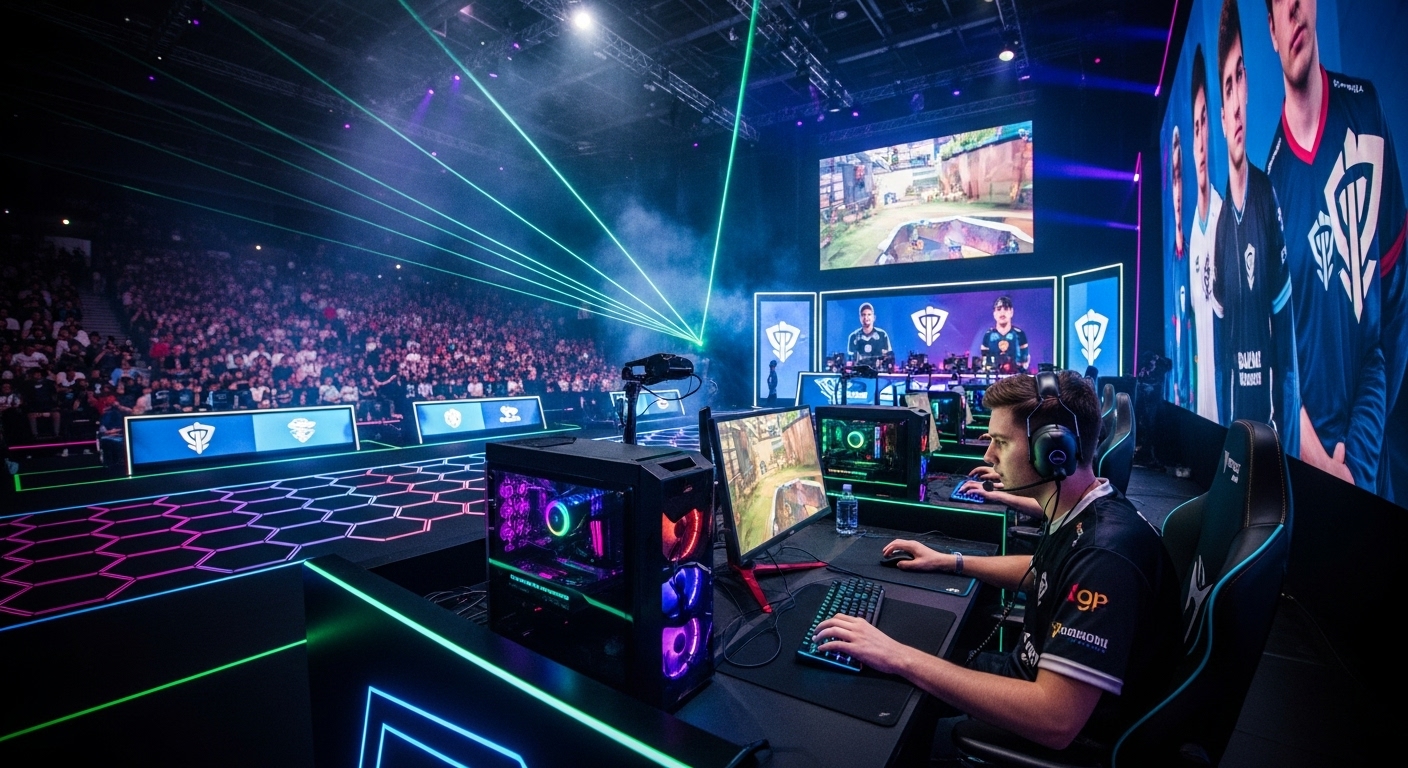
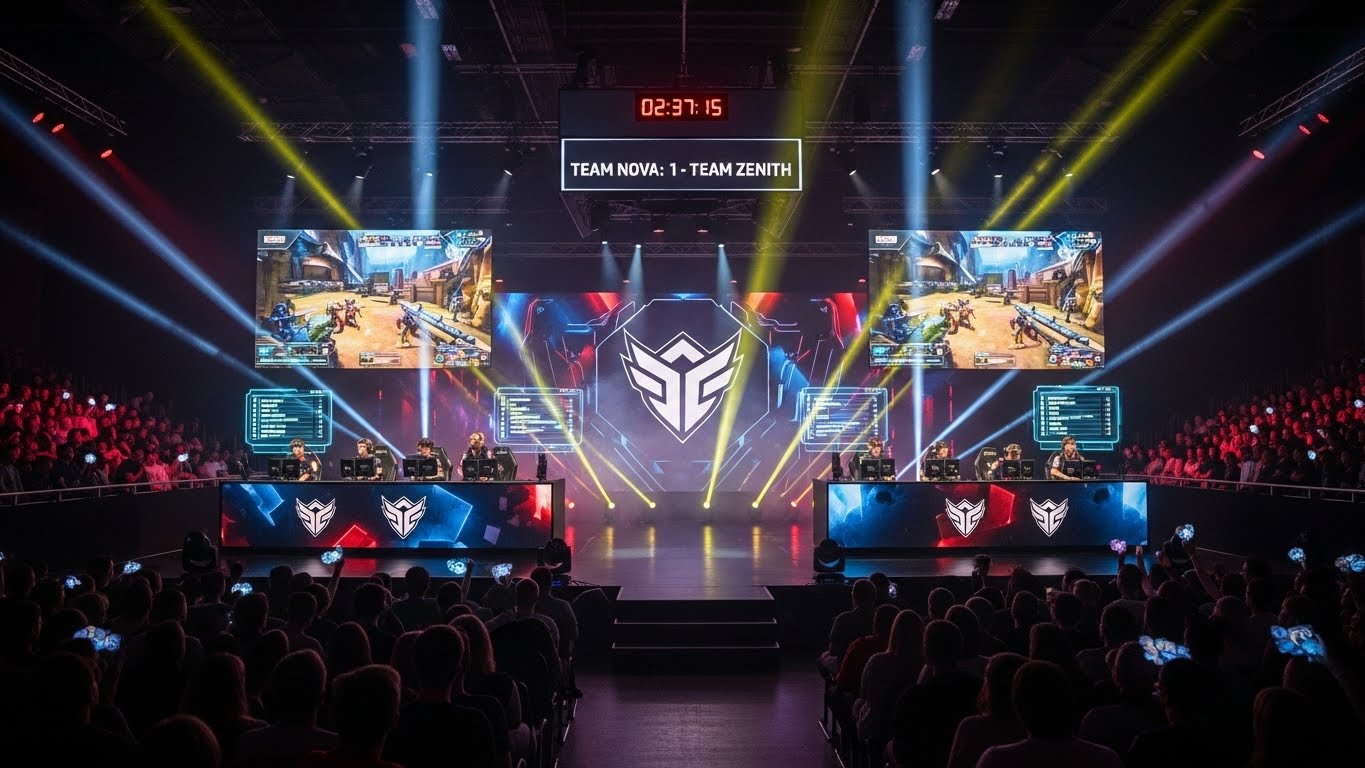
Introduction: The Rise of Esports
Esports, or competitive gaming, has grown from a niche hobby into a global phenomenon, captivating millions of players and viewers worldwide. Unlike traditional sports, esports emphasizes strategy, precision, and teamwork within virtual environments. This rapid rise reflects the intersection of technology, entertainment, and human ambition. From casual online matches to professional tournaments with massive prize pools, esports represents more than gameplay—it is a cultural movement, a career pathway, and a form of entertainment that rivals conventional sports in popularity and influence.
The Origins of Esports
The seeds of esports were planted decades ago, long before streaming platforms and professional leagues existed. In the late 1970s and 1980s, arcade games such as Space Invaders, Pac-Man, and Donkey Kong attracted competitive players seeking to achieve high scores and local recognition. Early computer games allowed enthusiasts to challenge each other, often through local networks or in-person competitions.
By the 1990s, the proliferation of personal computers and consoles created new possibilities for multiplayer gaming. Titles such as Doom, Quake, and StarCraft offered competitive depth that required skill, coordination, and tactical thinking. LAN parties became a social and competitive hub, laying the foundation for organized esports events. Communities formed around games, sharing strategies, forming teams, and cultivating the competitive spirit that defines esports today.
The Professionalization of Esports
The 2000s marked the transformation of esports from amateur competition to a structured professional industry. Games like League of Legends, Dota 2, and Counter-Strike: Global Offensive became staples of professional competition. Tournament organizers, sponsors, and media networks began to recognize the growing potential of esports as a legitimate career path and entertainment medium.
Professional teams emerged, with contracts, salaries, coaching staff, and structured training schedules similar to traditional sports teams. Large-scale tournaments offered prize pools in the millions, attracting both players and audiences worldwide. Streaming platforms such as Twitch and YouTube Gaming enabled live viewing, allowing fans to follow competitions, interact with players, and become part of the global esports community.
Popular Esports Genres and Their Appeal
Esports is diverse, encompassing multiple genres that cater to different interests and skills. Multiplayer Online Battle Arena (MOBA) games like League of Legends and Dota 2 emphasize teamwork, strategy, and coordination. First-Person Shooters (FPS) such as Counter-Strike and Call of Duty require fast reflexes, precision, and tactical awareness. Real-Time Strategy (RTS) games like StarCraft challenge players’ strategic planning and resource management. Fighting games and sports simulations offer competitive depth and appeal to specific communities.
This variety ensures that esports reaches a broad audience. Each game has its own culture, terminology, and strategies, creating sub-communities within the larger esports ecosystem. Fans often follow multiple games, supporting their favorite players while learning about different playstyles and strategies.
The Economic Landscape of Esports
Esports has grown into a multi-billion-dollar industry with diverse revenue streams. Tournament prize pools, sponsorships, merchandising, media rights, and advertising contribute significantly to the global market. Major tournaments draw millions of online viewers, rivaling traditional sports in audience size and engagement.
Investments from technology companies, traditional sports organizations, and venture capital have fueled infrastructure growth, including dedicated esports arenas, training facilities, and professional management teams. Cities host international tournaments, generating revenue through tourism, ticket sales, and media coverage. The economic impact of esports is significant, providing career opportunities not only for players but also for coaches, analysts, broadcasters, and event organizers.
Technology’s Role in Esports
Technology is central to the esports phenomenon. High-performance computers, gaming consoles, peripherals, and reliable internet connectivity are essential for competitive play. Advanced graphics, game engines, and online platforms allow for complex gameplay, real-time strategy, and interactive experiences.
Streaming technology has revolutionized how esports reaches audiences. Fans can watch live events, interact through chat, and access player insights instantly. Virtual reality, cloud gaming, and AI-driven analytics are further shaping the future of esports, enhancing immersion, gameplay, and training methods. The symbiotic relationship between technology and esports continues to drive innovation and expand possibilities for players and fans alike.
Training and Professional Development in Esports
Professional esports players train rigorously to maintain peak performance. Daily practice routines, strategy sessions, and mental conditioning are essential. Teams employ coaches, analysts, and nutritionists to optimize player performance and longevity.
Esports requires not only technical skill but also mental resilience. Players must manage stress, maintain focus during high-pressure matches, and work cohesively with teammates. The professionalization of esports has elevated it to a career requiring discipline, dedication, and continuous improvement, similar to traditional sports.
Esports as a Social and Cultural Phenomenon
Esports fosters vibrant global communities. Online platforms allow players and fans to interact, share strategies, and celebrate achievements. Spectatorship is highly interactive, with live chat, polls, and social media engagement creating dynamic experiences.
Culturally, esports challenges traditional perceptions of sports. While physical athleticism remains central in conventional sports, esports emphasizes mental agility, strategy, and precision. Its growing popularity demonstrates that competition and excellence are not limited to physical activity, redefining what it means to be an athlete in the digital age.
Challenges Facing the Esports Industry
Despite its rapid growth, esports faces challenges that must be addressed to ensure sustainability. Player burnout is a significant concern due to long hours of practice and competitive stress. Physical health issues, including eye strain, posture problems, and repetitive stress injuries, are common among professional gamers.
Ethical issues such as cheating, match-fixing, and toxicity in online communities threaten the integrity of esports. Organizations and developers are implementing rules, monitoring, and educational programs to maintain fairness, professionalism, and sportsmanship. Addressing these challenges is crucial for long-term growth and global recognition.
The Future of Esports
The future of esports is promising and poised for further expansion. Virtual reality, augmented reality, and AI integration will redefine gameplay, training, and fan engagement. Esports education programs and scholarships are increasingly available at schools and universities, recognizing competitive gaming as a platform for developing strategic thinking, teamwork, and digital literacy.
Esports may increasingly intersect with traditional sports, entertainment, and media, creating hybrid experiences that attract diverse audiences. Its global reach will continue to grow, fostering cross-cultural exchange and creating new opportunities for players, teams, and investors.
Global Recognition and Legitimacy
Esports is gaining legitimacy as a recognized competitive discipline. Major sporting organizations, including international committees, are exploring ways to integrate esports into traditional sporting frameworks. Countries invest in infrastructure, training programs, and international tournaments, solidifying esports’ position as a professional and respected arena of competition.
The international nature of esports promotes cultural exchange. Players from different countries compete and collaborate, fostering understanding, friendship, and shared passion through gaming. Esports unites people in ways traditional sports sometimes cannot, transcending geographic, linguistic, and cultural barriers.
Conclusion: Esports as a Transformative Force
Esports has evolved into a cultural, social, and economic powerhouse. It redefines competition, challenges conventional ideas of athleticism, and offers opportunities for millions of players and fans. Beyond entertainment, esports fosters community, develops cognitive and social skills, and drives technological innovation.
As technology, accessibility, and global interest continue to expand, esports will solidify its place as a key component of modern society. It is not merely a trend or pastime—it is a transformative force that reshapes how we compete, connect, and experience entertainment in the digital age. Esports demonstrates that the spirit of competition, the thrill of victory, and the joy of shared experience are universal, whether on a field, court, or digital arena.