Introduction: From Hobby to Global Phenomenon
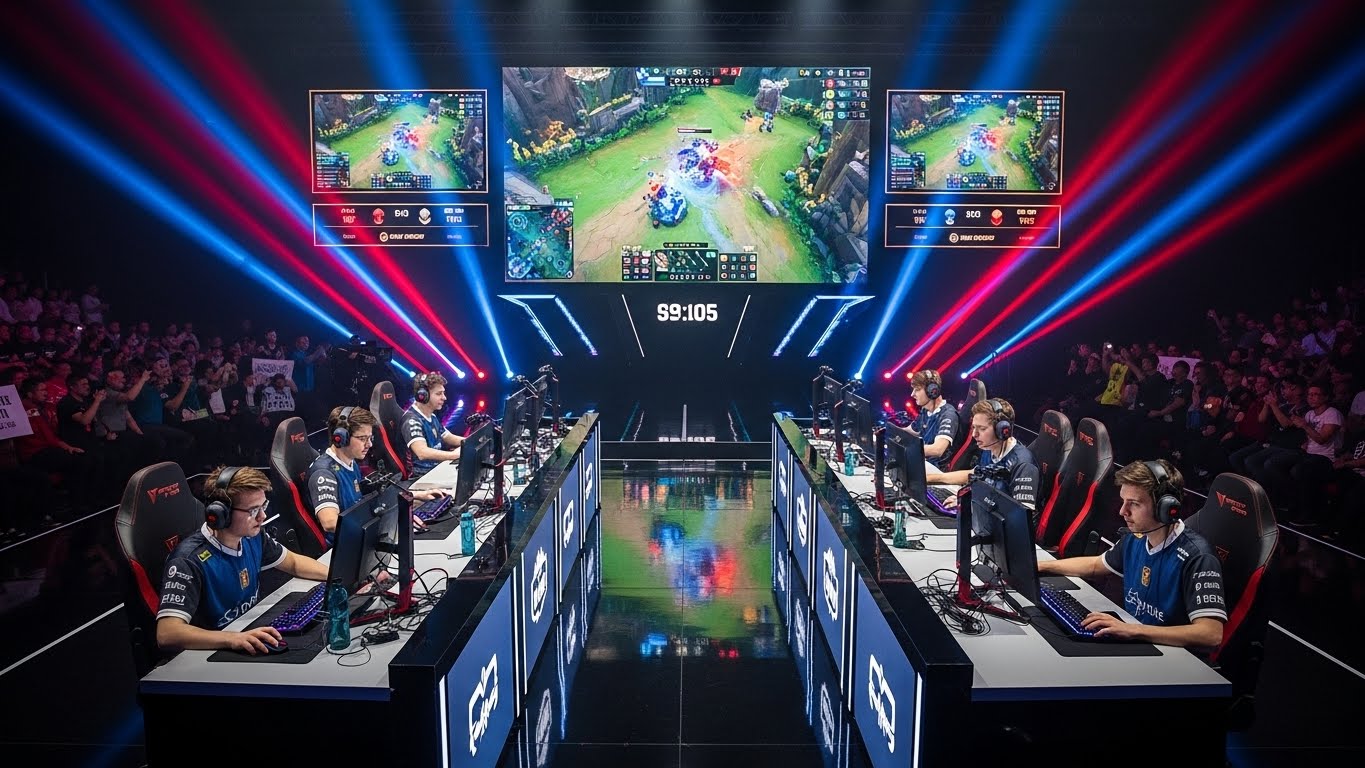
In the early 2000s, competitive gaming was often dismissed as a niche hobby, something only a handful of enthusiasts engaged in. Fast forward to today, and esports has transformed into a global phenomenon with millions of fans, multi-million-dollar tournaments, and professional players who are recognized as celebrities in their own right. The world of esports is no longer just about playing video games—it has evolved into an industry that combines entertainment, technology, and professional competition, influencing culture, economics, and even education.
Understanding Esports: More Than Just Gaming
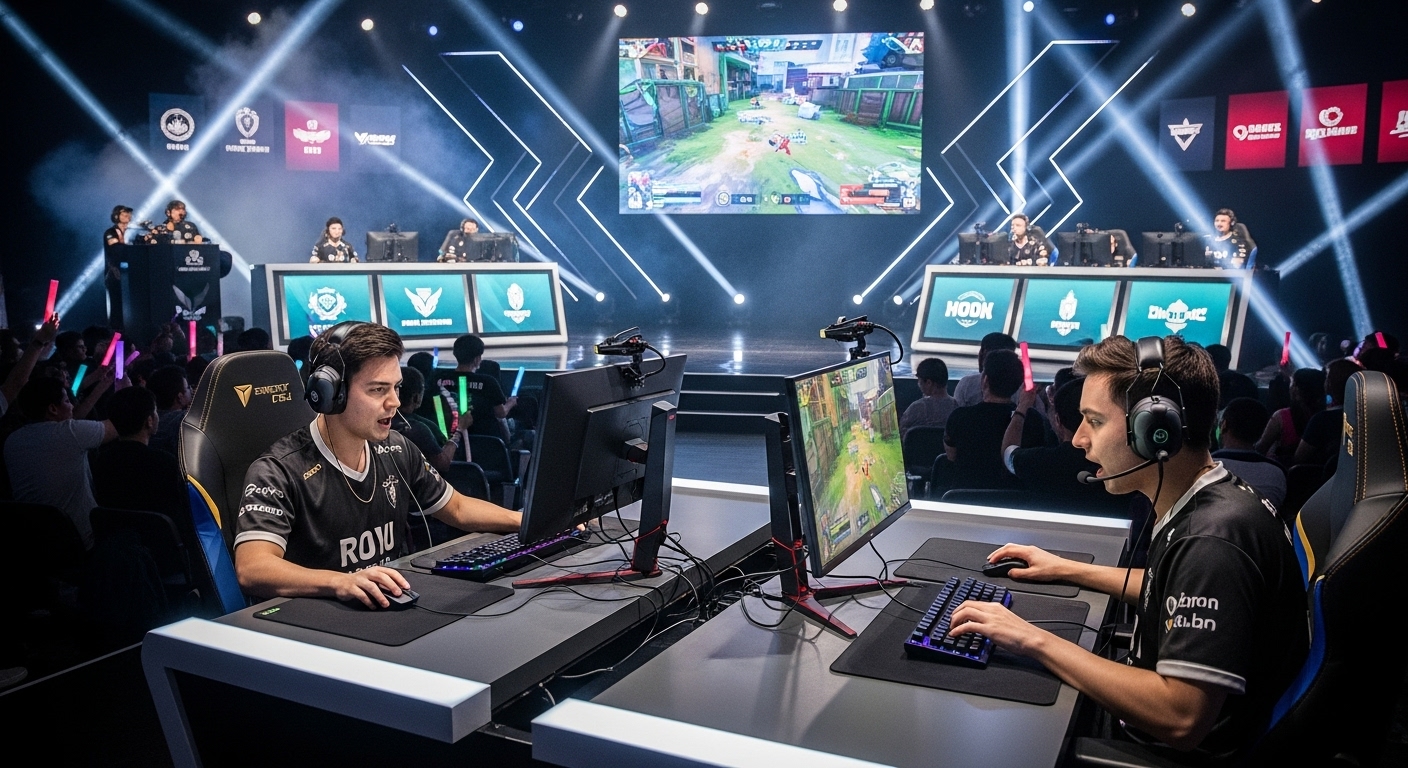
Esports, short for electronic sports, refers to competitive gaming at a professional level. Unlike casual gaming, esports involves structured competitions with organized teams, leagues, and tournaments. Players compete in games that span multiple genres, including real-time strategy, first-person shooters, multiplayer online battle arenas, and sports simulations.
The essence of esports lies in skill, strategy, and teamwork. Success is not measured by how quickly one can finish a game but by tactical decision-making, reflexes, and adaptability under pressure. With increasing sophistication in both gameplay and viewership, esports has become a serious career path for many individuals who dedicate countless hours to training and refining their abilities.
The Growth of Esports: Numbers Speak Louder Than Words
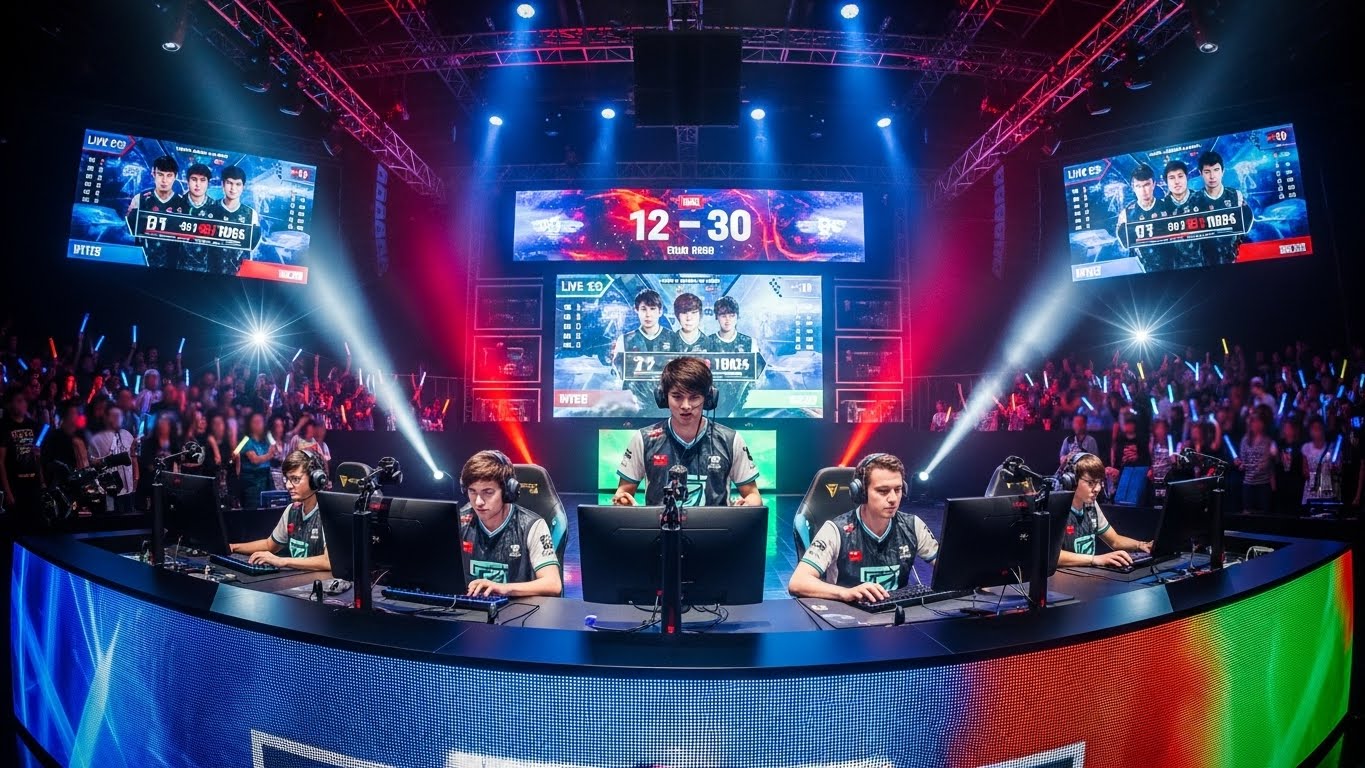
The growth of esports over the past decade has been phenomenal. Global tournaments now attract audiences comparable to traditional sports events, with millions watching live streams on platforms dedicated entirely to gaming. Revenue in esports is generated through sponsorships, advertising, merchandise, ticket sales, and media rights, creating a thriving economic ecosystem.
Asia, particularly South Korea and China, was among the first regions to recognize esports as a serious pursuit. South Korea’s professional gaming leagues laid the foundation for what would eventually become a global industry. Today, countries worldwide are following suit, offering scholarships, professional training facilities, and even national esports teams.
Key Genres and Games Dominating the Esports Scene
Esports spans a wide range of games, each attracting its own dedicated audience. Multiplayer online battle arena games, often abbreviated as MOBAs, are extremely popular. Titles like League of Legends and Dota 2 have developed massive followings, with tournaments offering prize pools reaching tens of millions of dollars.
First-person shooters, another dominant genre, test a player’s precision, reflexes, and strategic thinking. Games such as Counter-Strike: Global Offensive and Valorant have carved a niche for themselves, hosting both regional and international competitions that draw millions of viewers. Sports simulation games like FIFA and NBA 2K appeal to fans of traditional sports, blending the thrill of gaming with the excitement of competitive sports.
The Role of Streaming Platforms and Digital Media
The rise of streaming platforms has played a crucial role in the growth of esports. Platforms dedicated to live gaming content have made it possible for fans to watch their favorite players and teams in real-time. This accessibility has democratized esports, allowing viewers from around the world to engage, interact, and even participate in discussions during live events.
Additionally, content creators and influencers have expanded the reach of esports beyond traditional competitions. Through tutorials, highlight reels, and commentary, these creators foster communities and encourage new generations of players to participate. The integration of social media further amplifies this effect, allowing fans to follow their favorite players, watch behind-the-scenes content, and engage with the esports culture on a personal level.
Professional Players: Athletes of the Digital Era
Professional esports players are the backbone of the industry. These individuals train rigorously, often dedicating more than eight hours a day to practice, strategy sessions, and physical fitness. Contrary to common stereotypes, professional gamers maintain high levels of discipline, mental acuity, and teamwork skills.
The career of a professional player comes with its own set of challenges. The competitive lifespan of a player can be relatively short, prompting many to transition into coaching, streaming, or esports management. Despite these challenges, the rewards can be substantial, with top-tier players earning salaries, sponsorships, and prize money comparable to traditional sports athletes.
Esports and Education: Nurturing Talent from a Young Age
The educational sector has also recognized the value of esports. Schools and universities have begun to offer scholarships and dedicated programs for students pursuing careers in competitive gaming. These programs provide training in strategy, communication, and leadership, while also promoting physical fitness and mental health awareness.
Esports education is about more than gaming—it’s a multidisciplinary approach that equips students with skills applicable in various fields. From marketing and media production to psychology and teamwork, esports programs are preparing students for careers both inside and outside the gaming industry.
Economic Impact: Jobs, Revenue, and Opportunities
The economic impact of esports extends beyond prize money and sponsorships. The industry has created numerous job opportunities in event management, broadcasting, marketing, game development, and team management. Major tournaments require logistics teams, commentators, designers, and tech specialists, providing employment for thousands of people worldwide.
Revenue streams continue to expand as esports attracts mainstream attention. Brand partnerships, merchandise sales, and media rights deals have transformed the industry into a multi-billion-dollar business. The financial incentives encourage innovation, leading to higher production quality, larger audiences, and increased legitimacy for competitive gaming.
Social and Cultural Influence of Esports
Esports has a profound social and cultural impact. It has redefined what it means to be an athlete, challenged traditional perceptions of sports, and created communities that transcend geographical boundaries. Fans form tight-knit communities around favorite teams and players, engaging in discussions, fan art, and live events that mirror traditional sports fandom.
Culturally, esports has influenced music, fashion, and entertainment. Collaborations with popular artists and the incorporation of esports themes into mainstream media demonstrate the industry’s integration into broader cultural narratives. Moreover, esports provides a platform for diversity and inclusion, welcoming players and fans from various backgrounds.
Challenges Facing the Esports Industry
Despite its growth, esports faces several challenges. Player burnout, mental health issues, and the pressure of constant competition are prevalent concerns. Unlike traditional sports, esports lacks standardized regulations and governance, leading to inconsistencies in contracts, tournament rules, and player treatment.
Additionally, the industry faces scrutiny regarding inclusivity and fair play. Issues such as gender disparity, online harassment, and cheating need ongoing attention to ensure that esports remains a sustainable and respected field. Addressing these challenges is crucial for long-term growth and credibility.
The Future of Esports: What Lies Ahead
The future of esports looks promising, with technological advancements and growing mainstream acceptance paving the way for new opportunities. Virtual reality and augmented reality have the potential to redefine competitive gaming, creating immersive experiences for both players and spectators.
Esports is likely to continue its integration into education, entertainment, and professional sports. As leagues expand and international tournaments grow, esports will strengthen its position as a legitimate global industry. Moreover, ongoing efforts to improve inclusivity, mental health support, and governance will help solidify esports as a sustainable and respected field.
Conclusion: Esports as a Catalyst for Change
Esports has transcended its humble beginnings to become a transformative force in entertainment, education, and culture. It challenges traditional notions of competition, fosters global communities, and generates significant economic opportunities. More than just a pastime, esports represents innovation, passion, and the limitless potential of digital interaction.
As technology evolves and the industry matures, esports will continue to shape the future of how people connect, compete, and celebrate human skill and creativity. It is no longer just about games on a screen—it is about a vibrant ecosystem that unites millions across the world, proving that the digital arena is just as compelling and impactful as any traditional sport.