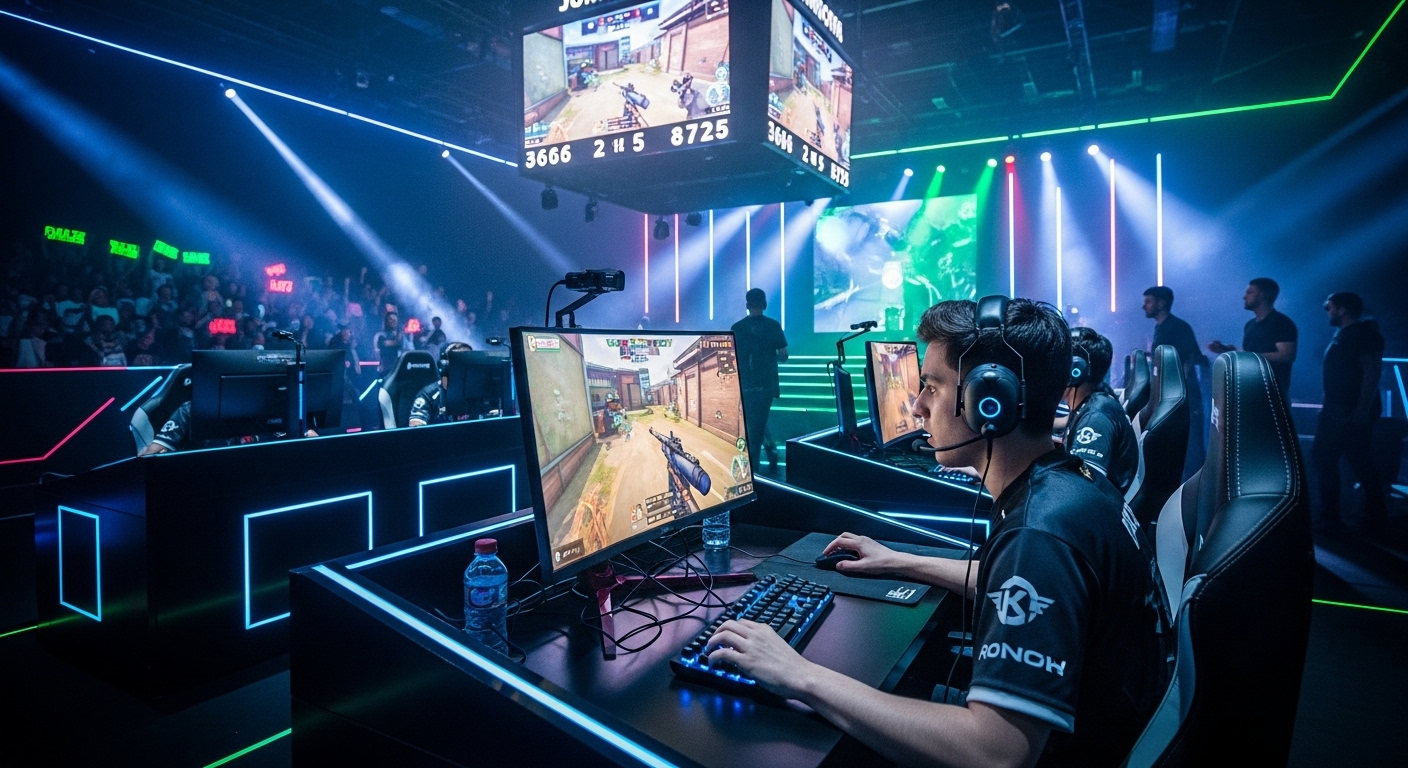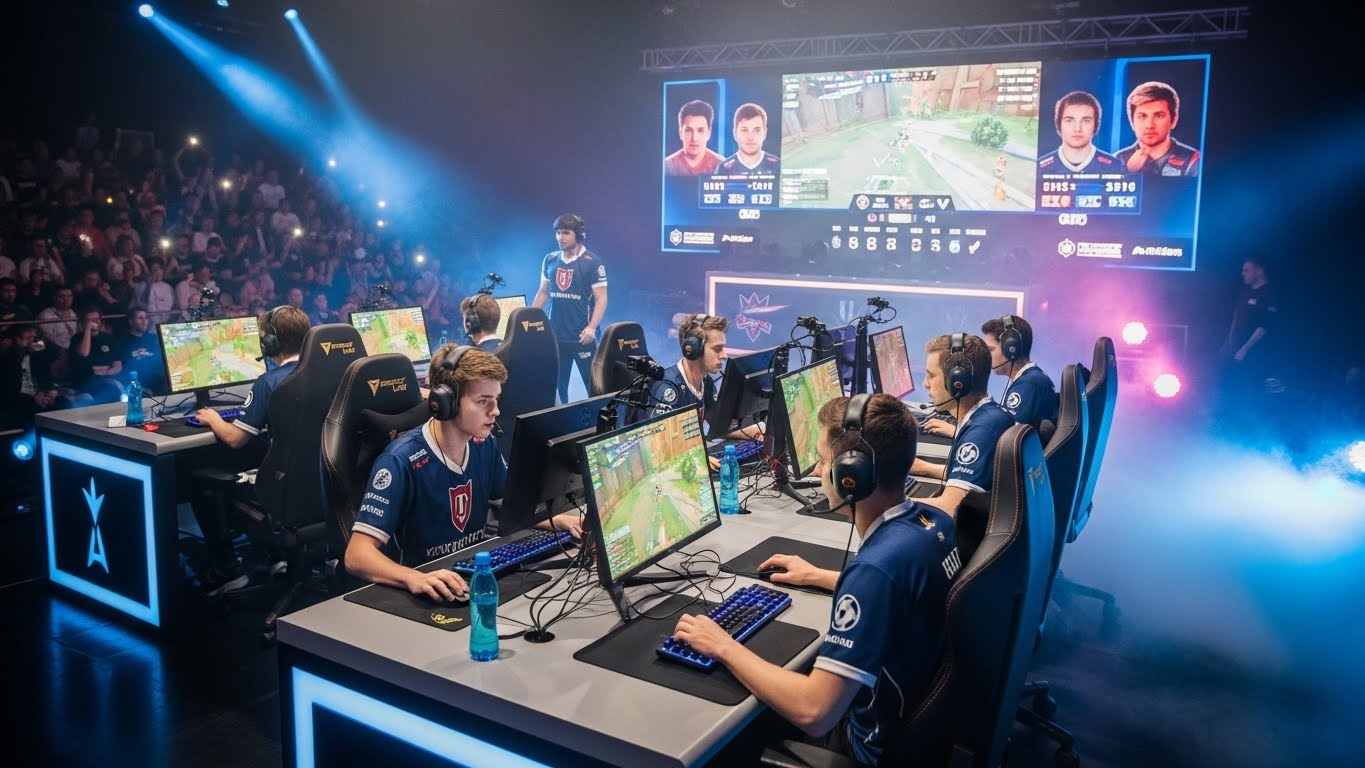
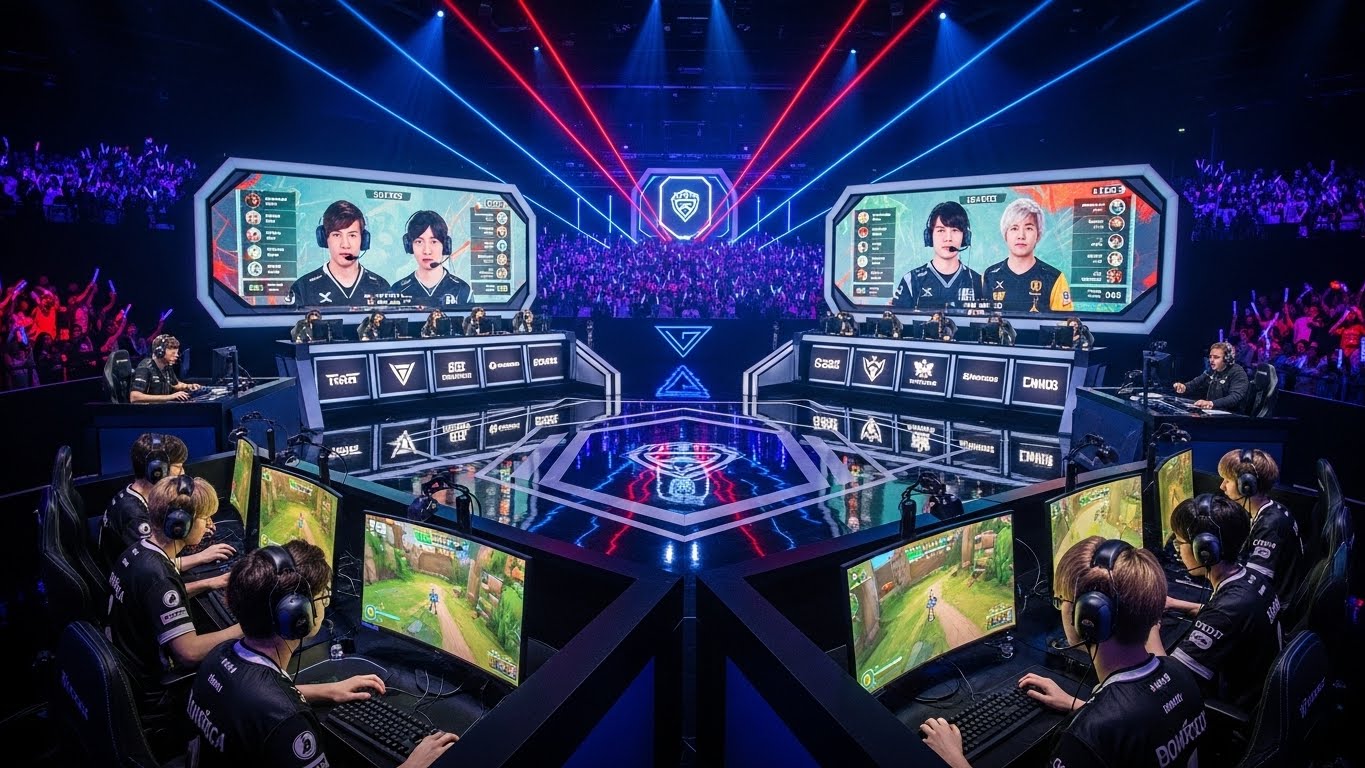
Esports, once considered a niche hobby, has emerged as a global phenomenon transforming entertainment, technology, and sports culture. Competitive gaming is no longer confined to bedrooms and internet cafes; it is now a multi-billion-dollar industry that captivates millions of fans worldwide. In this post, we will explore the evolution, impact, and future of esports, examining how it has become a powerful force in modern society.
The Evolution of Esports
The roots of esports trace back to the late 1970s and 1980s with early arcade competitions and simple video games like Space Invaders and Pac-Man. The 1990s saw the rise of more structured gaming tournaments, particularly in South Korea, where games such as StarCraft gained immense popularity. These early competitions laid the foundation for esports as a professional arena, blending skill, strategy, and entertainment.
The 2000s marked a major turning point with the advent of online gaming and live streaming platforms. Games like Counter-Strike, League of Legends, and Dota 2 became central to the competitive scene. Tournaments were broadcast to global audiences, transforming gaming into a spectator sport and fostering international communities. Today, esports tournaments draw audiences comparable to traditional sports events, with professional players achieving celebrity status and teams securing major sponsorships.
Understanding Esports: More Than Just Gaming
Esports is often misunderstood as mere gaming, but it encompasses a wide spectrum of competitive experiences. Players compete individually or in teams across genres such as first-person shooters, real-time strategy games, sports simulations, and fighting games. Success in esports demands a combination of strategic thinking, reflexes, teamwork, and mental endurance.
Professional players dedicate countless hours to mastering their craft. Training routines often mirror those of traditional athletes, including physical exercise, mental conditioning, strategy sessions, and performance analysis. Esports is a discipline that requires precision, adaptability, and resilience, challenging the stereotype that video gaming is a passive or purely recreational activity.
Physical and Mental Demands of Competitive Gaming
While esports might seem less physically demanding than traditional sports, it poses significant challenges to players’ physical and mental well-being. Long hours of practice can lead to repetitive strain injuries, eye strain, and postural problems. To combat these issues, professional teams implement structured schedules, ergonomic setups, and exercise routines that maintain both physical fitness and focus.
Mental stamina is equally crucial. Esports players must process vast amounts of information in real time, anticipate opponents’ strategies, and maintain composure under pressure. The psychological demands of competition are intense, requiring resilience, emotional regulation, and teamwork. Mental health support has become a priority for professional organizations, acknowledging the high-stress environment inherent in competitive gaming.
Esports as a Global Cultural Phenomenon
Esports has transcended geographic and cultural boundaries, creating a unique global culture. International tournaments attract millions of viewers from diverse countries, fostering a sense of shared community and excitement. Fans celebrate their favorite players and teams, discussing strategies, analyzing gameplay, and participating in online forums and social media.
The culture of esports also extends into fashion, music, and entertainment. Gaming-inspired apparel, music collaborations, and live entertainment during tournaments illustrate the growing influence of esports in mainstream culture. Cosplay, fan art, and online streaming communities further enhance the sense of identity and belonging within the esports ecosystem.
Economic Impact of Esports
The financial footprint of esports is staggering. The industry generates revenue from sponsorships, media rights, advertising, merchandise, ticket sales, and prize money. Leading esports organizations operate similarly to professional sports teams, with coaching staff, analysts, marketing departments, and player management structures.
Esports also drives innovation in technology and content creation. Streaming platforms, gaming hardware manufacturers, and software developers benefit from the industry’s growth, creating jobs and stimulating local and global economies. In many countries, esports has become a viable career path, offering opportunities not only for players but also for coaches, commentators, event organizers, and digital content creators.
Esports and Education
In recent years, educational institutions have recognized the value of esports in fostering skills such as teamwork, strategic thinking, communication, and problem-solving. Universities now offer scholarships for esports athletes, while high schools have integrated esports clubs and leagues into their extracurricular programs. Competitive gaming teaches students discipline, resilience, and time management, skills that are transferable to academics and future careers.
Furthermore, esports can spark interest in technology-related fields, including computer science, game design, and digital media. By engaging students in a passion-driven activity, esports encourages learning through practical application, collaboration, and innovation.
The Role of Technology in Esports
Technology is the backbone of esports. High-performance computers, gaming consoles, and peripherals ensure precision and competitive fairness. Streaming platforms allow fans to watch live matches and interact with players in real time, while analytics software provides players and teams with detailed insights into gameplay patterns and performance metrics.
Virtual reality and augmented reality are beginning to shape the future of esports, offering immersive experiences for both players and spectators. Artificial intelligence assists in game testing, strategy optimization, and personalized training, highlighting the symbiotic relationship between gaming and technological advancement.
Challenges in the Esports Industry
Despite its rapid growth, esports faces several challenges. The lack of standardized regulations, inconsistent prize distribution, and disputes over player contracts can undermine professional integrity. Additionally, concerns about burnout, mental health, and fair play require careful management.
Gender disparity remains a significant issue in esports. Female players often face discrimination, harassment, and limited opportunities compared to their male counterparts. Efforts to promote inclusivity, create safe environments, and foster diversity are crucial for ensuring that esports is equitable and sustainable.
Esports and Traditional Sports: Convergence and Differences
Esports shares many similarities with traditional sports, including competitive structures, professional leagues, and fan engagement. However, it also differs fundamentally in its reliance on digital platforms and virtual environments. Unlike conventional sports, esports does not require physical fields or stadiums for daily play, although live events attract large audiences.
The convergence of esports and traditional sports is also evident. Major sports organizations invest in esports teams and leagues, while athletes participate in gaming tournaments to connect with younger audiences. This fusion highlights the evolving landscape of entertainment, where physical and digital competition coexist and complement each other.
The Future of Esports
The future of esports is promising, with continued expansion in audience, revenue, and technological innovation. Mobile esports is emerging as a dominant segment, making competitive gaming more accessible to global audiences. New tournament formats, interactive streaming, and cross-platform competitions will further enhance fan engagement.
Sustainability will also play a growing role. Energy-efficient gaming equipment, eco-friendly event planning, and awareness campaigns will ensure that the growth of esports aligns with environmental responsibility. Additionally, esports will continue to push the boundaries of digital interaction, blurring the lines between gaming, entertainment, and social connectivity.
Conclusion: Esports as a Cultural and Economic Force
Esports has evolved from a niche pastime into a global cultural and economic powerhouse. It challenges traditional perceptions of gaming, demonstrating that competitive play demands skill, discipline, and strategy. Beyond entertainment, esports impacts education, technology, and community engagement, fostering skills and connections that extend far beyond the virtual world.
As esports continues to grow, it represents a new form of sport that blends competition, culture, and innovation. Its influence on society is undeniable, shaping how we connect, learn, and entertain ourselves. For players, fans, and stakeholders alike, esports is more than just a game; it is a dynamic ecosystem that reflects the creativity, resilience, and potential of the digital age.