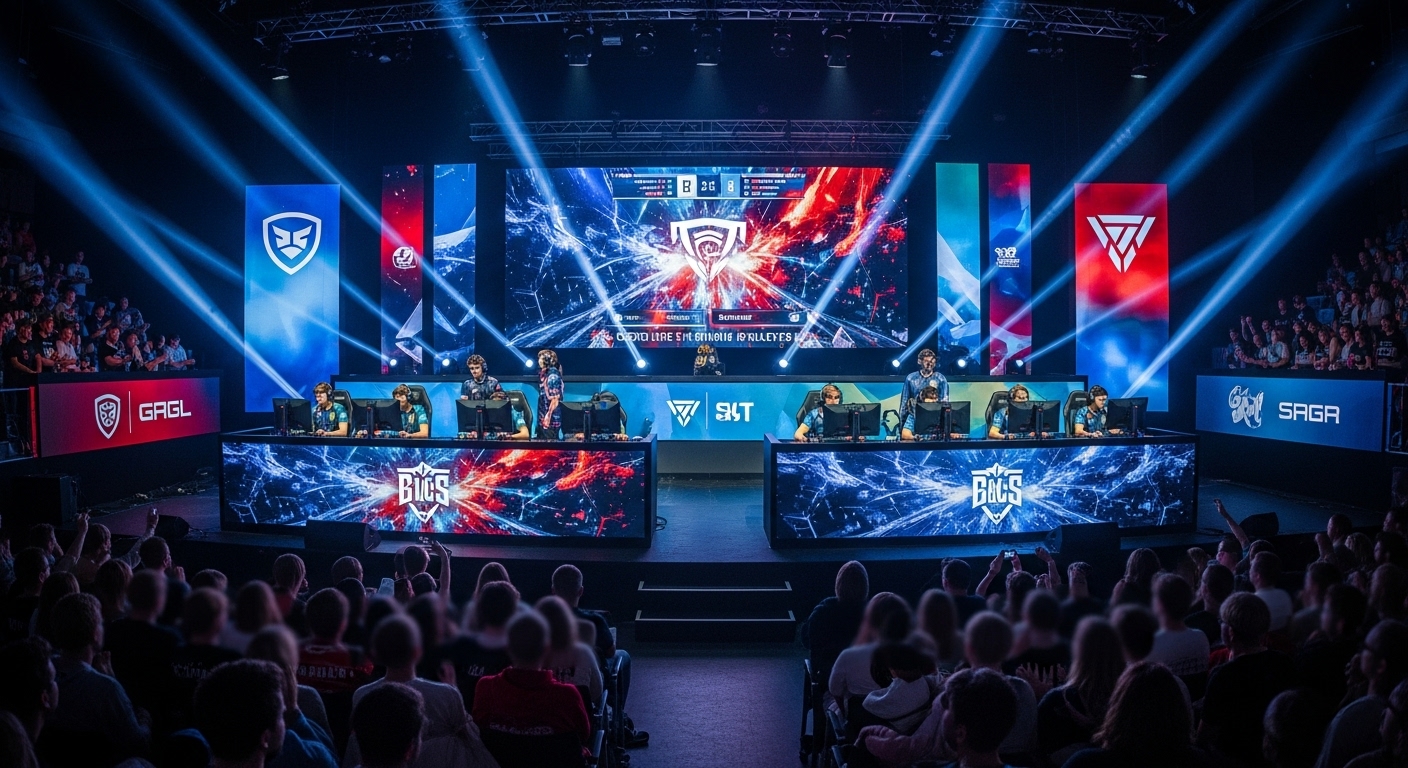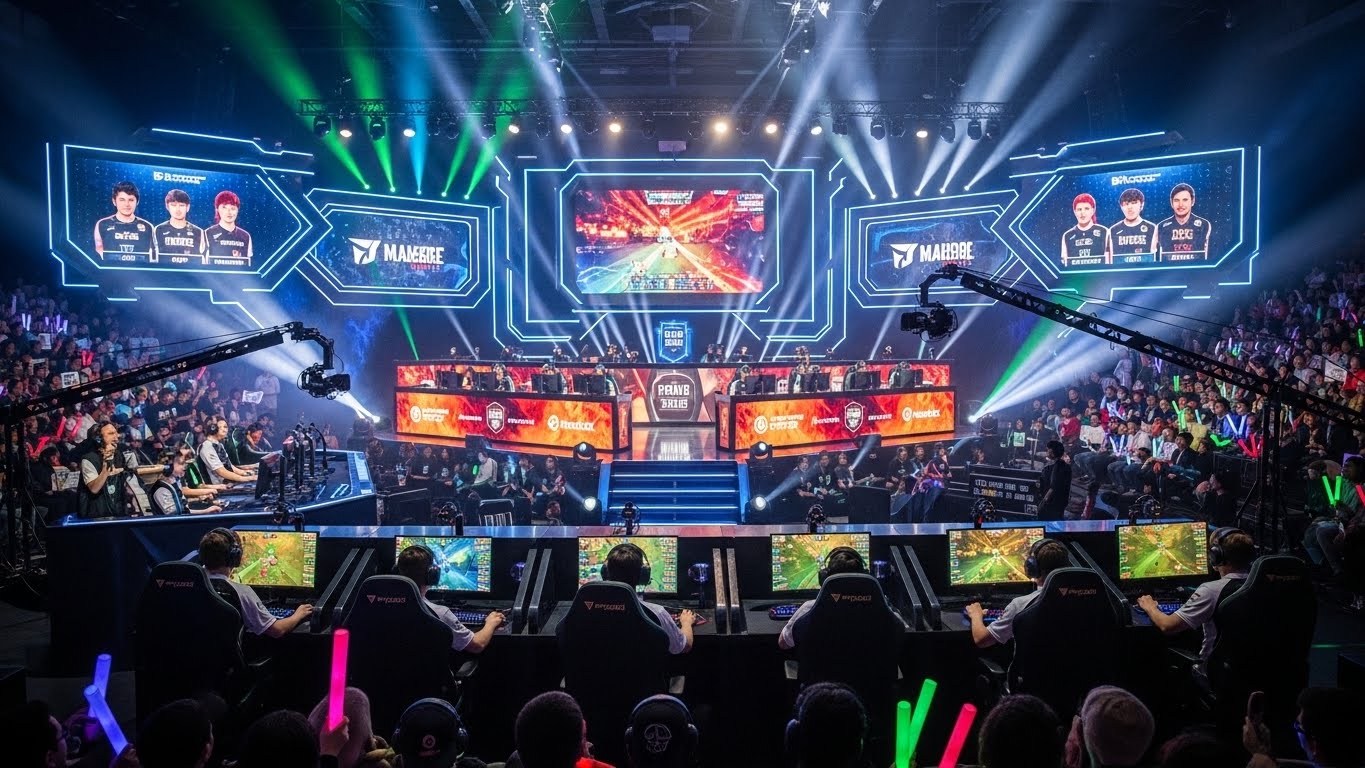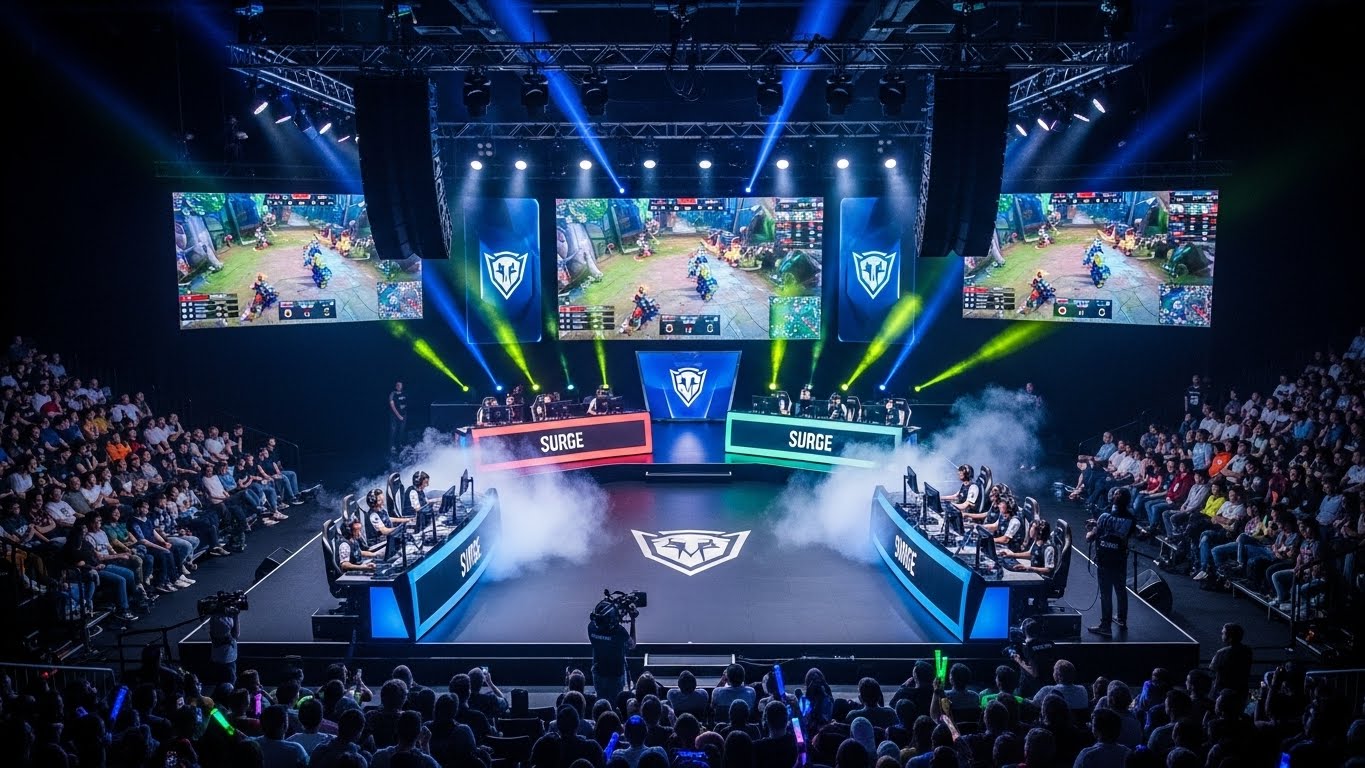
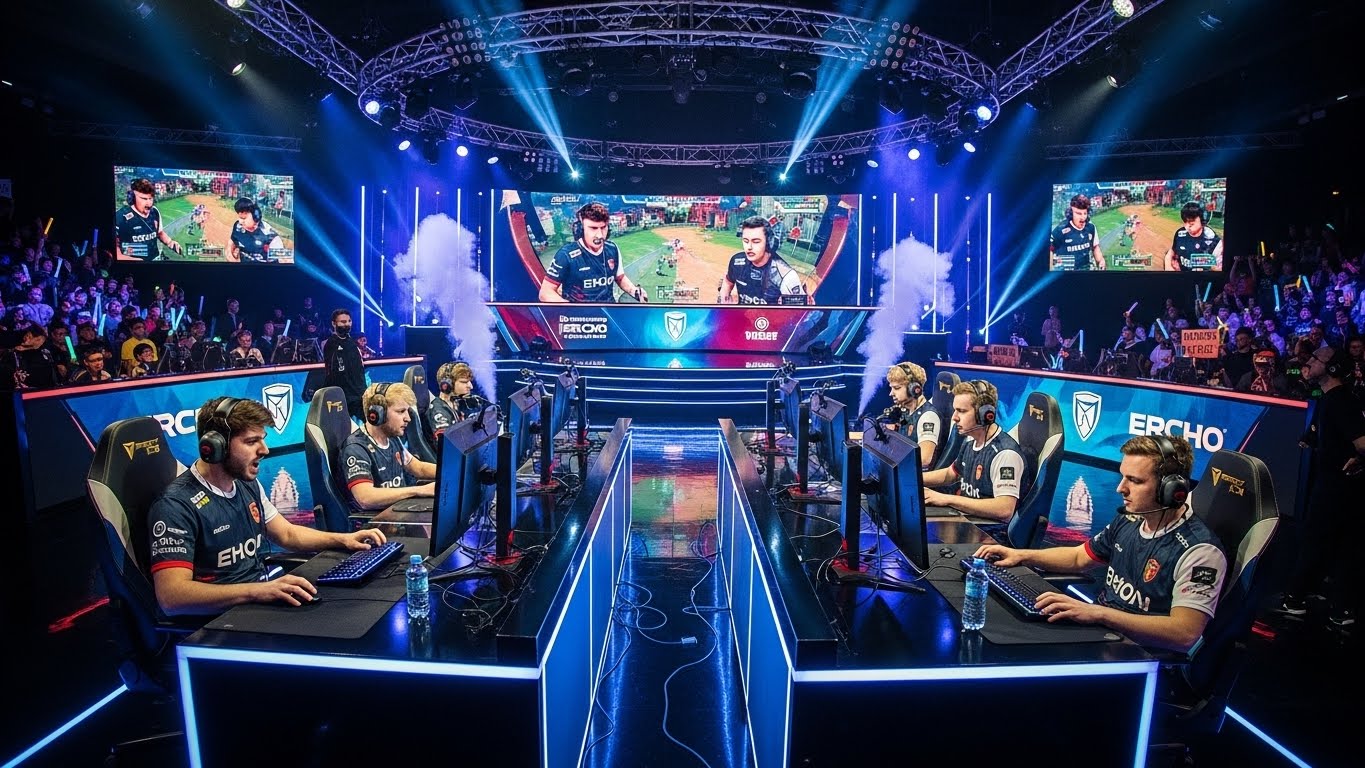
Esports has transformed from a niche hobby into a global phenomenon, redefining entertainment, competition, and culture. Once confined to basements and arcades, competitive gaming now occupies stadiums, attracts millions of fans online, and generates billions in revenue. Beyond mere gaming, esports embodies skill, strategy, discipline, and teamwork, putting it on par with traditional sports in terms of recognition and influence. This blog explores the evolution of esports, its impact on players, fans, culture, education, and the economy, as well as its promising future.
The Origins of Competitive Gaming
The concept of competitive gaming dates back to the 1970s when arcade competitions for games like Space Invaders and Pac-Man first emerged. Players gathered in local arcades to challenge each other for high scores, and these early competitions sparked the social and competitive aspects of gaming. In the 1980s and 1990s, gaming began to move online, with multiplayer PC games like Doom and Quake establishing the first organized tournaments.
South Korea played a pivotal role in professionalizing esports. In the late 1990s, StarCraft became a national obsession, and competitive gaming was broadcast on television. These early tournaments introduced structured rules, professional teams, and sponsorships, laying the groundwork for the global esports industry. The rise of the internet and streaming technology later allowed competitive gaming to reach a worldwide audience, propelling esports to the mainstream.
Understanding Esports
Esports, short for electronic sports, involves competitive play in video games, often organized into leagues and tournaments. Players compete individually or in teams across genres such as first-person shooters, real-time strategy, multiplayer online battle arenas, fighting games, and sports simulations. Unlike casual gaming, esports demands skill, strategy, coordination, and mental endurance.
Professional esports players follow rigorous training schedules similar to traditional athletes. They practice for hours daily, analyze opponents’ strategies, and work with coaches to optimize performance. Success in esports requires not only fast reflexes and precise control but also teamwork, communication, and the ability to adapt under pressure. It is a discipline where preparation and strategy are just as critical as in physical sports.
Physical and Mental Challenges in Esports
Although esports is digitally based, it imposes significant physical and mental demands on players. Extended gaming sessions can lead to eye strain, carpal tunnel syndrome, poor posture, and other repetitive strain injuries. To combat these issues, professional teams incorporate fitness routines, ergonomic setups, and breaks into players’ schedules.
Mental resilience is equally crucial. Competitive gaming requires split-second decision-making, long periods of concentration, and emotional control. Players face high-pressure situations, intense competition, and public scrutiny. Mental fatigue, stress, and burnout are real concerns, making psychological support, proper rest, and stress management essential components of a professional esports career.
Esports as a Cultural Movement
Esports has become a global cultural phenomenon, attracting millions of fans from diverse backgrounds. International tournaments such as the League of Legends World Championship and The International for Dota 2 are celebrated worldwide, drawing viewership comparable to traditional sports events. Fans engage with esports through streaming platforms, social media, and fan communities, creating a unique cultural ecosystem.
The influence of esports extends beyond gaming itself. Fashion, music, and lifestyle have been shaped by esports culture. Gaming merchandise, team jerseys, and esports-inspired apparel have become mainstream, while music and live performances are now incorporated into major events. Cosplay, fan art, and online communities further contribute to the vibrant culture surrounding competitive gaming.
Economic Impact of Esports
Esports is a rapidly growing industry that generates revenue from multiple sources, including sponsorships, advertising, media rights, merchandise, ticket sales, and prize money. Professional esports organizations operate like traditional sports franchises, with coaches, analysts, marketing departments, and management teams.
Beyond the professional scene, esports fuels innovation and economic activity. Streaming platforms, gaming hardware companies, software developers, and event organizers all benefit from the industry’s growth. Many countries now recognize esports as a legitimate career path, offering opportunities for players, content creators, event managers, and analysts.
Esports in Education
Esports is increasingly recognized as a tool for education and personal development. Schools and universities have introduced esports clubs, programs, and scholarships to nurture talent and teach valuable skills. Participation in esports helps students develop teamwork, communication, problem-solving, and time management skills, all of which are transferable to other areas of life.
Esports also encourages interest in technology-related fields. Students involved in competitive gaming often pursue careers in game development, computer science, or digital media. By combining passion with practical skill development, esports serves as both a recreational activity and an educational opportunity.
The Role of Technology in Esports
Technology is the backbone of esports. High-performance computers, gaming consoles, peripherals, and software ensure precision and fairness in competitions. Streaming platforms allow fans to watch matches in real-time, interact with players, and participate in global communities.
Emerging technologies such as virtual reality, augmented reality, and artificial intelligence are reshaping esports. Virtual reality offers immersive gaming experiences for players and spectators, while AI provides performance analytics and strategic insights. Technology ensures that esports remains dynamic, competitive, and continuously evolving.
Challenges Facing Esports
Despite its rapid growth, esports faces several challenges. Lack of standardized regulations, inconsistent prize distribution, and contractual disputes can create uncertainty in the industry. Player burnout, mental health concerns, and fair play issues require proactive solutions.
Gender disparity is another ongoing challenge. Female players often face discrimination, harassment, and fewer professional opportunities. Creating inclusive environments, promoting diversity, and raising awareness are essential steps to ensure esports remains equitable and accessible to all players.
Comparing Esports and Traditional Sports
Esports shares similarities with traditional sports, including competitive leagues, professional teams, fan engagement, and tournament structures. However, it differs fundamentally in its reliance on digital platforms rather than physical arenas for daily competition. Fans primarily engage through live streams, social media, and interactive platforms, offering a distinct form of spectator experience.
Many traditional sports organizations have embraced esports by investing in teams and tournaments. Athletes also participate in gaming events to connect with younger audiences. This convergence illustrates how digital and physical sports can coexist, highlighting the evolving nature of entertainment and competition.
The Future of Esports
The future of esports is promising, with continued growth in audience size, revenue, and technological innovation. Mobile esports is expanding rapidly, making competitive gaming accessible to a broader audience. Interactive streaming, virtual reality experiences, and cross-platform competitions will further enhance fan engagement.
Sustainability and inclusivity will shape the future of esports. Energy-efficient gaming equipment, environmentally conscious events, and initiatives promoting diversity will ensure long-term growth. Esports will continue to innovate, merging technology, entertainment, and competition in unprecedented ways.
Conclusion: Esports as a Transformative Force
Esports has evolved from a niche hobby into a global cultural, economic, and professional force. It challenges traditional notions of sport, proving that competitive gaming requires skill, strategy, and discipline. Beyond the screen, esports fosters social connections, inspires innovation, drives economic growth, and provides educational opportunities.
As esports continues to expand, it represents a new era of competition where digital skill, teamwork, and strategy are celebrated. For players, fans, and society, esports is more than a game—it is a transformative movement reflecting the creativity, resilience, and potential of the digital age. Its influence will continue to grow, shaping the way we play, compete, and engage with entertainment for years to come.