The world of competitive gaming, once considered a niche hobby, has evolved into a global phenomenon known as esports. With millions of players, viewers, and sponsors, esports has transformed from casual play into a structured, professional industry. This blog explores the growth of esports, its cultural significance, economic impact, and future potential.
Understanding Esports: More Than Just Gaming
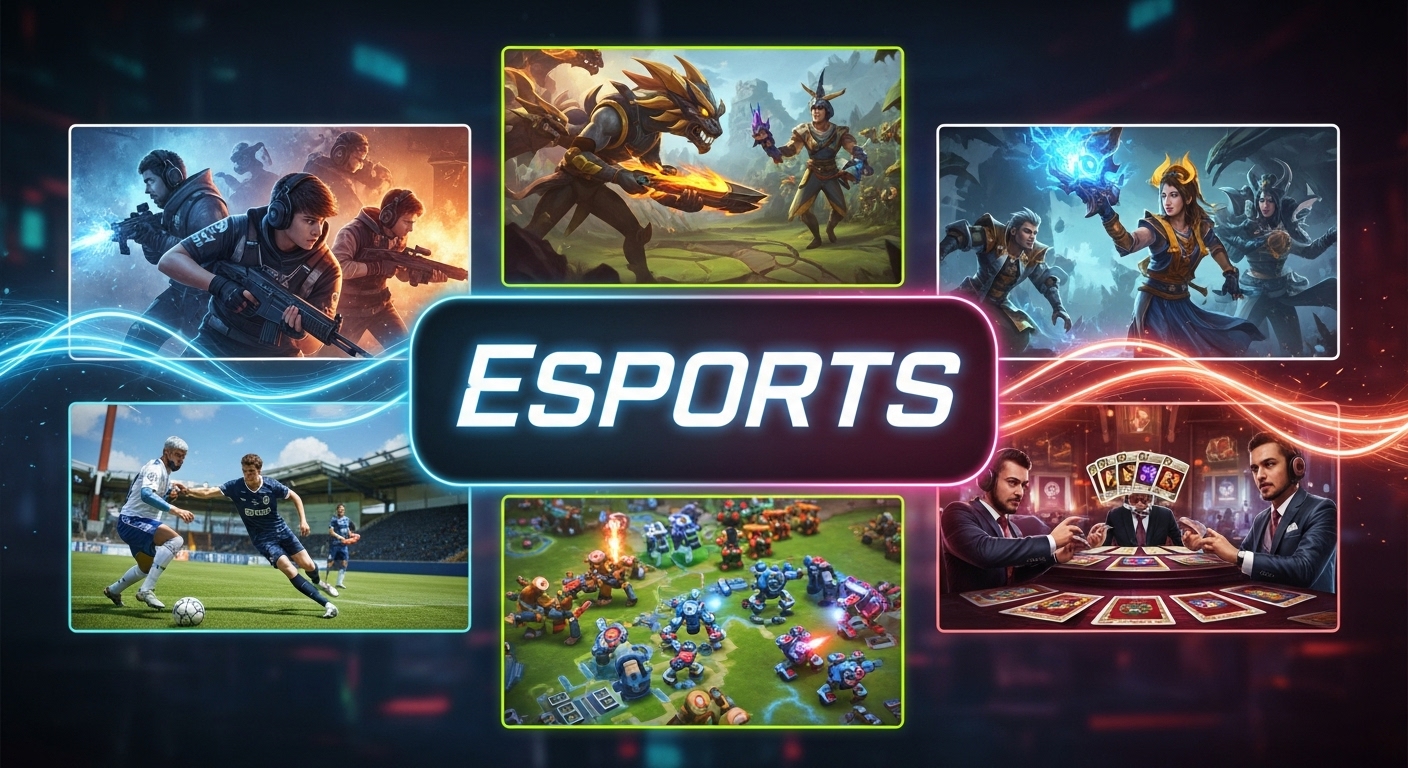
Esports, short for electronic sports, refers to organized competitive video gaming. Unlike casual gaming, esports involves professional players or teams competing in tournaments for recognition, prizes, and sponsorships. Popular esports titles include games like League of Legends, Dota 2, Counter-Strike: Global Offensive, and Fortnite. These games often require strategic thinking, teamwork, and lightning-fast reflexes.
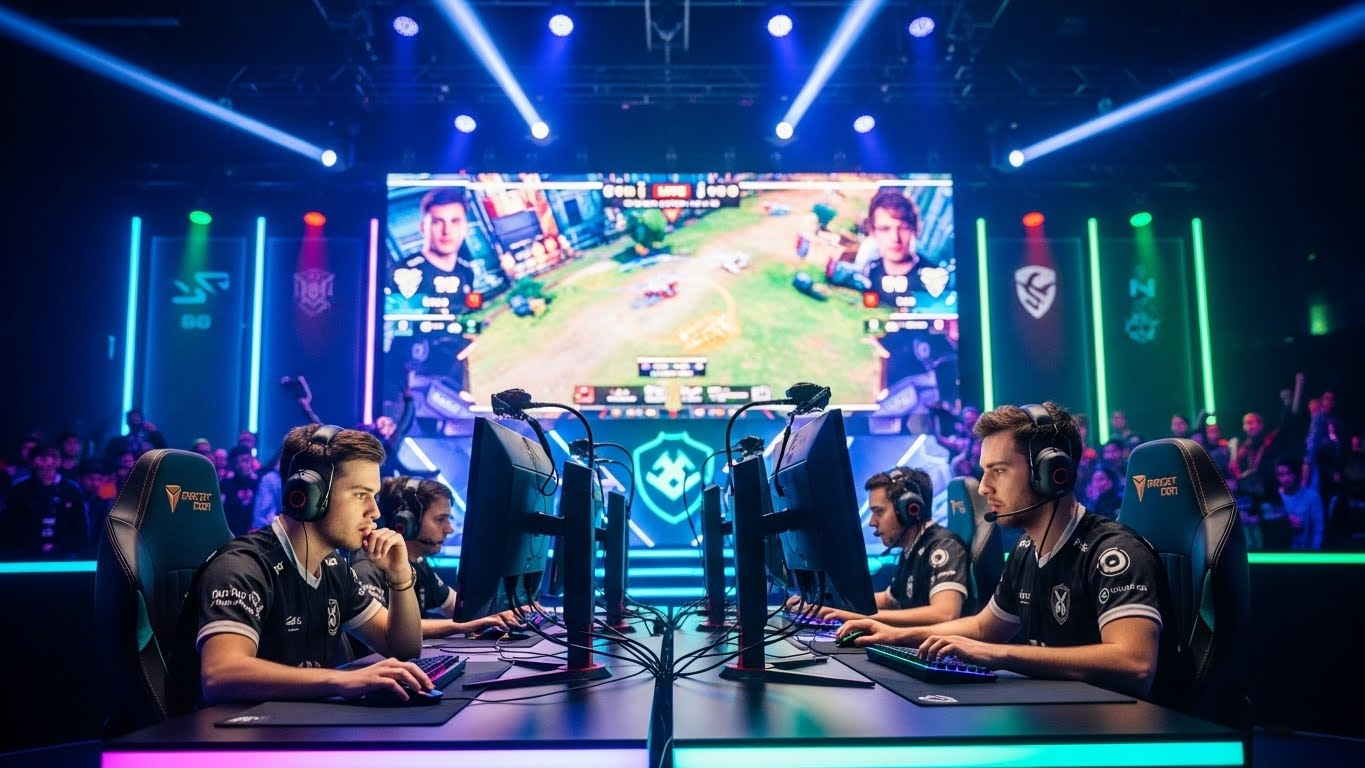
Esports is not just about playing video games. It incorporates elements of traditional sports such as coaching, training, live events, and fan engagement. Players dedicate hours each day to improving their skills, analyzing opponents, and perfecting strategies. This level of dedication has allowed esports to gain legitimacy as a competitive discipline.
The Growth of Esports: From Living Rooms to Stadiums
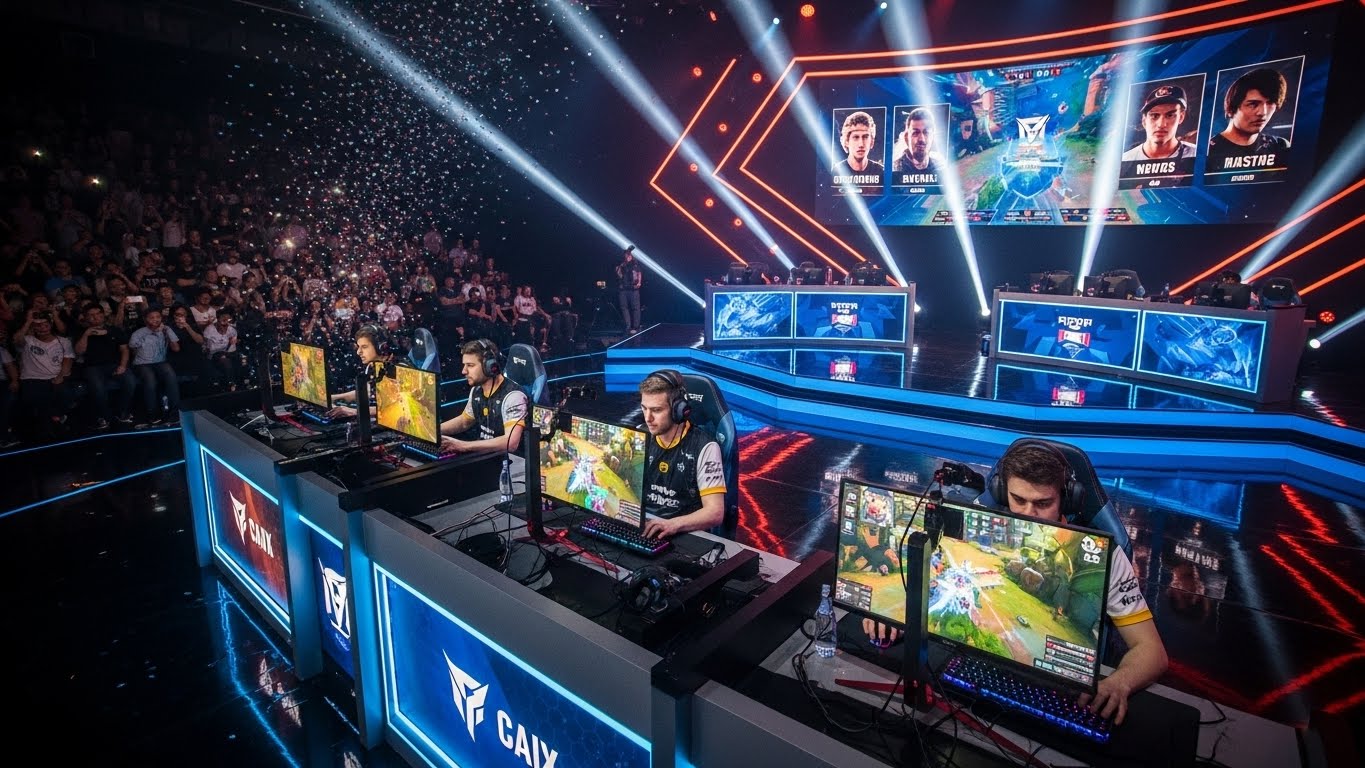
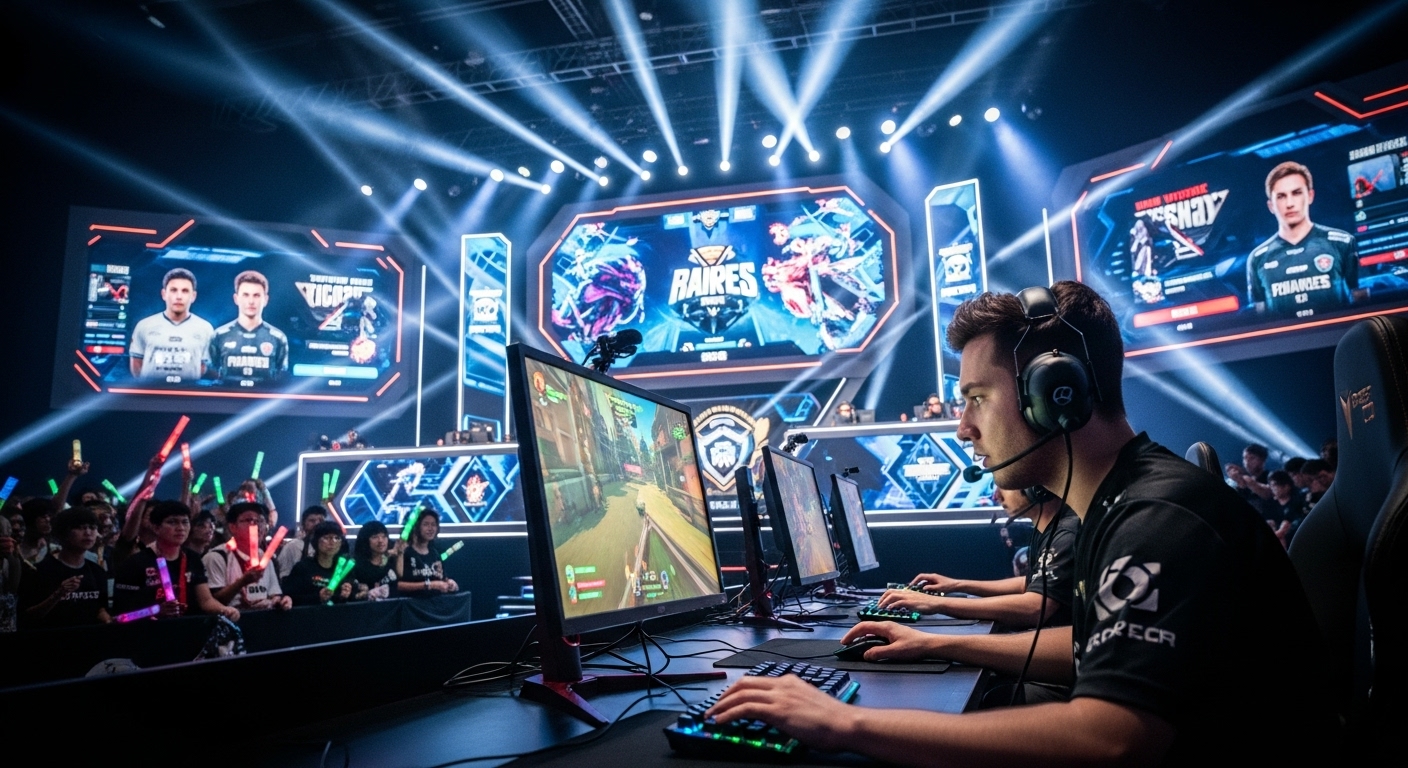
Esports has witnessed exponential growth over the past decade. Initially confined to small online communities and local tournaments, esports has now entered mainstream entertainment. Major tournaments are held in stadiums filled with thousands of fans, broadcasted to millions online. Platforms like Twitch and YouTube Gaming have played a pivotal role in making esports accessible to global audiences.
The growth of esports can also be attributed to technological advancements. High-speed internet, improved gaming hardware, and streaming services have made competitive gaming more interactive and engaging. In addition, social media allows fans to follow their favorite players and teams, creating communities that drive engagement and loyalty.
Economic Impact of Esports
Esports has evolved into a multi-billion-dollar industry. Revenue streams include tournament prize pools, sponsorships, merchandise sales, media rights, and advertising. Professional esports organizations operate much like traditional sports franchises, employing players, coaches, analysts, and content creators.
Sponsorship deals have become a significant part of the esports ecosystem. Companies from various sectors, including technology, energy drinks, fashion, and automotive, sponsor tournaments and teams. These partnerships help boost brand visibility while providing essential financial support to the esports community.
Tournament prize pools have also reached staggering amounts. For instance, some events offer prize money exceeding millions of dollars, rivaling traditional sports competitions. This level of financial incentive attracts the best talent worldwide, elevating the competitive standard of esports.
Cultural Influence of Esports
Esports has had a profound impact on popular culture, influencing entertainment, fashion, and social interactions. Professional players are now celebrated as celebrities, often with millions of followers on social media. They inspire aspiring gamers and serve as role models for teamwork, dedication, and discipline.
Esports also fosters inclusivity by bringing together diverse communities. Players from different countries, backgrounds, and age groups compete on the same platform, promoting global interaction and understanding. Moreover, esports provides opportunities for people who may not excel in traditional sports to achieve recognition and success.
Streaming platforms have further enhanced the cultural impact of esports. Fans can watch live gameplay, interact with players in real time, and participate in gaming communities. This interaction blurs the line between entertainment and engagement, creating a dynamic cultural phenomenon that extends beyond the gaming world.
Health and Lifestyle in Esports
While esports offers numerous opportunities, it also presents unique challenges, particularly regarding health and lifestyle. Professional players often face long hours of practice, which can lead to physical and mental strain. Issues such as eye strain, repetitive strain injuries, and sleep disruption are common among esports athletes.
To address these challenges, many organizations now implement structured training routines, physical exercises, and mental wellness programs. Professional players are encouraged to maintain a balanced lifestyle, including regular breaks, physical activity, and proper nutrition. These measures help sustain performance and prevent burnout.
Education and Esports
Esports is increasingly being integrated into educational systems. Many universities and colleges now offer scholarships for esports players, recognizing their skills and potential. Academic programs in esports management, game design, and digital media are also gaining popularity, providing career opportunities beyond competitive play.
In addition, esports fosters critical skills such as strategic thinking, teamwork, communication, and problem-solving. These transferable skills are valuable in various professional fields, making esports a legitimate avenue for personal and professional development.
The Role of Technology in Esports
Technology is the backbone of esports. Advanced gaming hardware, high-speed internet, and sophisticated software platforms enable seamless gameplay and competition. Game developers continuously update their titles to maintain balance and competitiveness, while streaming technology ensures that fans can watch matches with minimal latency and high-quality visuals.
Artificial intelligence and data analytics are also playing an increasing role in esports. Teams use data to analyze performance, develop strategies, and predict opponents’ moves. This integration of technology not only enhances gameplay but also adds a layer of professionalism to the industry, aligning it with traditional sports practices.
Challenges Facing Esports
Despite its rapid growth, esports faces several challenges. One major issue is the lack of standardized regulations. Unlike traditional sports with governing bodies, esports tournaments are often organized by independent entities, leading to inconsistencies in rules, prize distribution, and player contracts.
Another challenge is addressing mental health concerns. The intense pressure to perform, combined with public scrutiny and rigorous schedules, can affect players’ well-being. Ensuring proper support systems and mental health resources is crucial for sustaining a healthy esports ecosystem.
Finally, accessibility remains an ongoing challenge. While gaming technology has advanced, not everyone has access to high-end hardware or stable internet connections, limiting participation for some aspiring players.
The Future of Esports
The future of esports looks promising. The industry is expected to continue expanding, with more investment from mainstream brands and increased media coverage. Virtual reality and augmented reality technologies could further revolutionize gameplay, providing immersive experiences for both players and fans.
Esports may also become more integrated into traditional sports structures. Collaborations between sports franchises and esports teams are becoming common, blurring the lines between physical and digital competition. This convergence may lead to hybrid events, combining live sports with interactive gaming experiences.
Furthermore, esports education and professional development will likely continue to grow. As more institutions recognize esports as a legitimate career path, a new generation of players, managers, and content creators will emerge, fueling innovation and creativity in the industry.
Conclusion: Esports as a Global Phenomenon
Esports has come a long way from its humble beginnings in living rooms and small online communities. Today, it stands as a global industry, offering entertainment, career opportunities, and cultural significance. Its rapid growth, economic impact, and technological advancements have solidified its place in modern society.
As esports continues to evolve, it will not only redefine competitive gaming but also reshape the way we perceive sports, entertainment, and digital culture. The journey of esports is far from over, and its potential to influence the world is immense. For players, fans, and investors alike, esports represents a dynamic, thrilling, and ever-expanding frontier of opportunity.