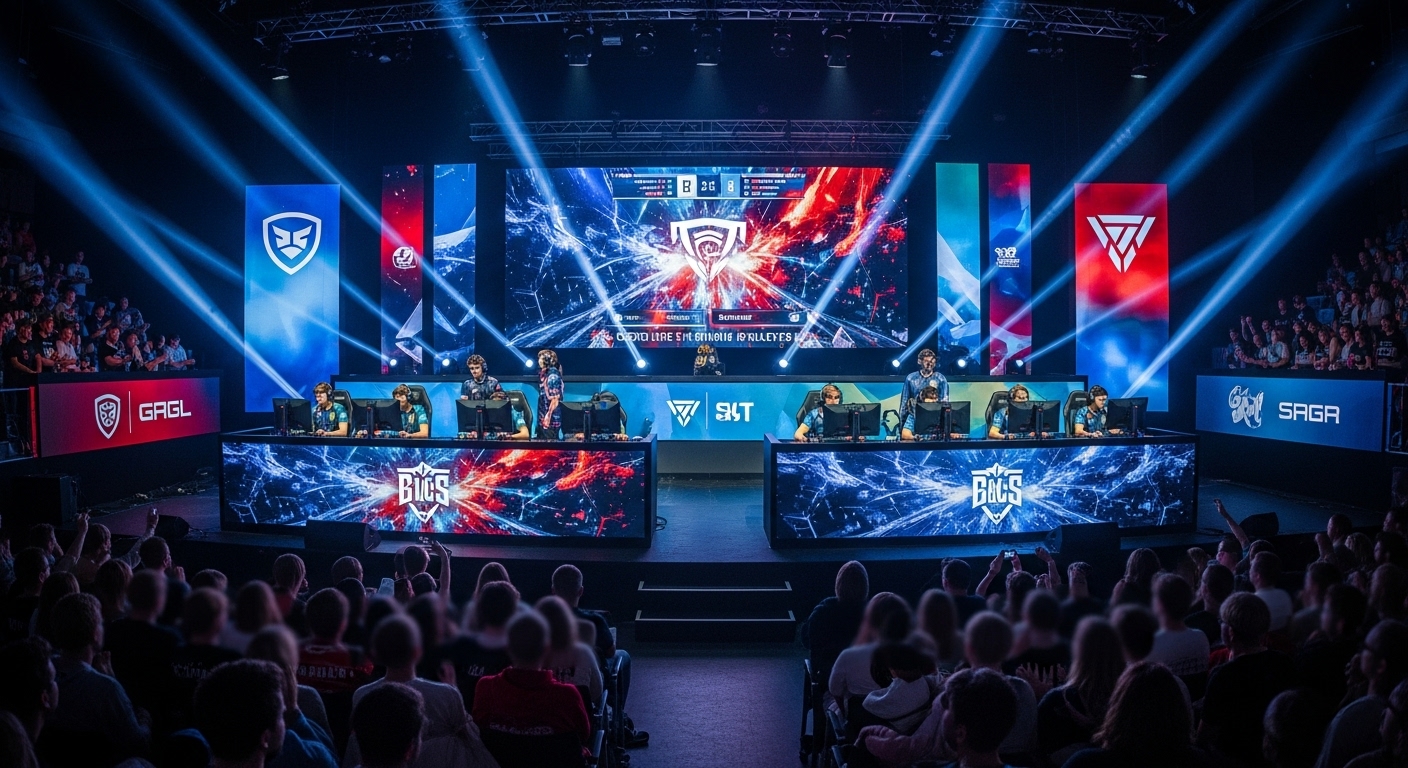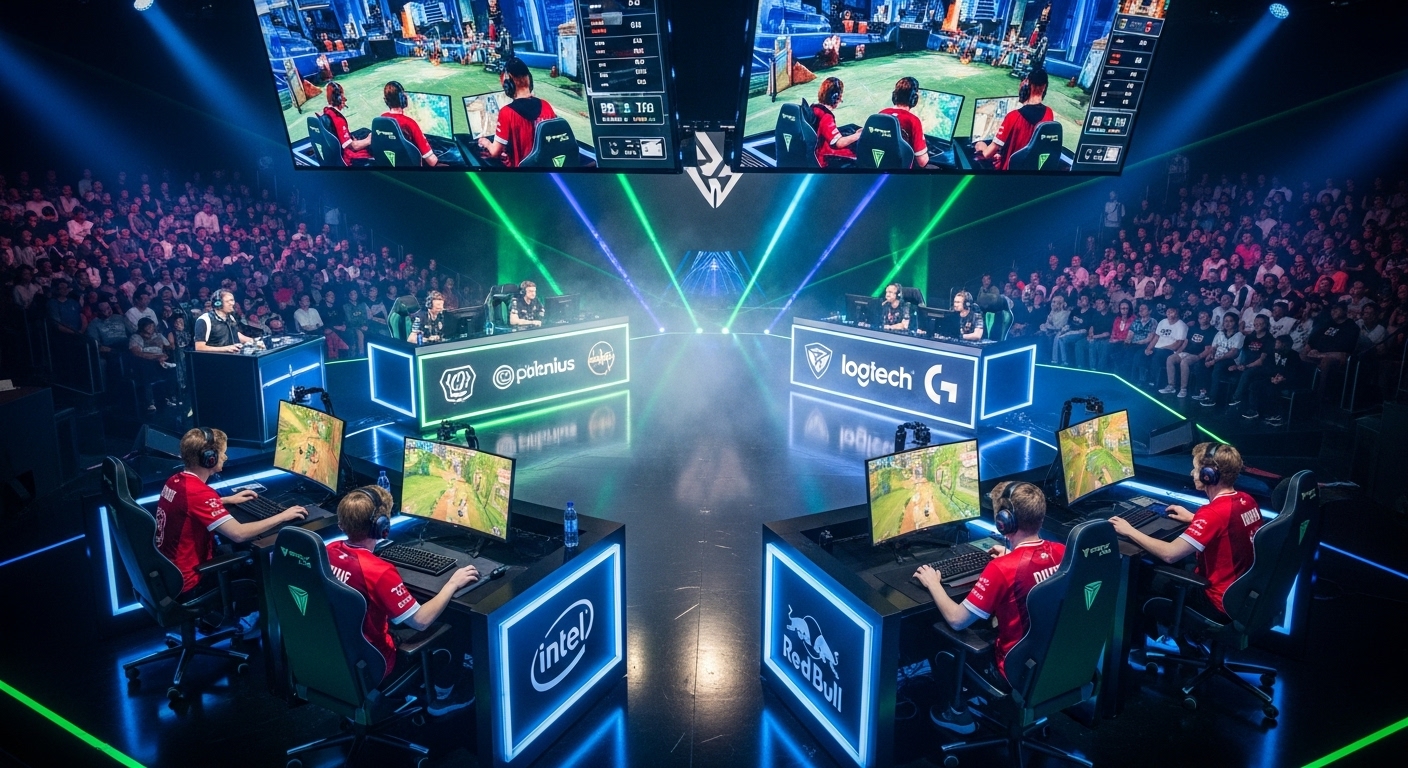
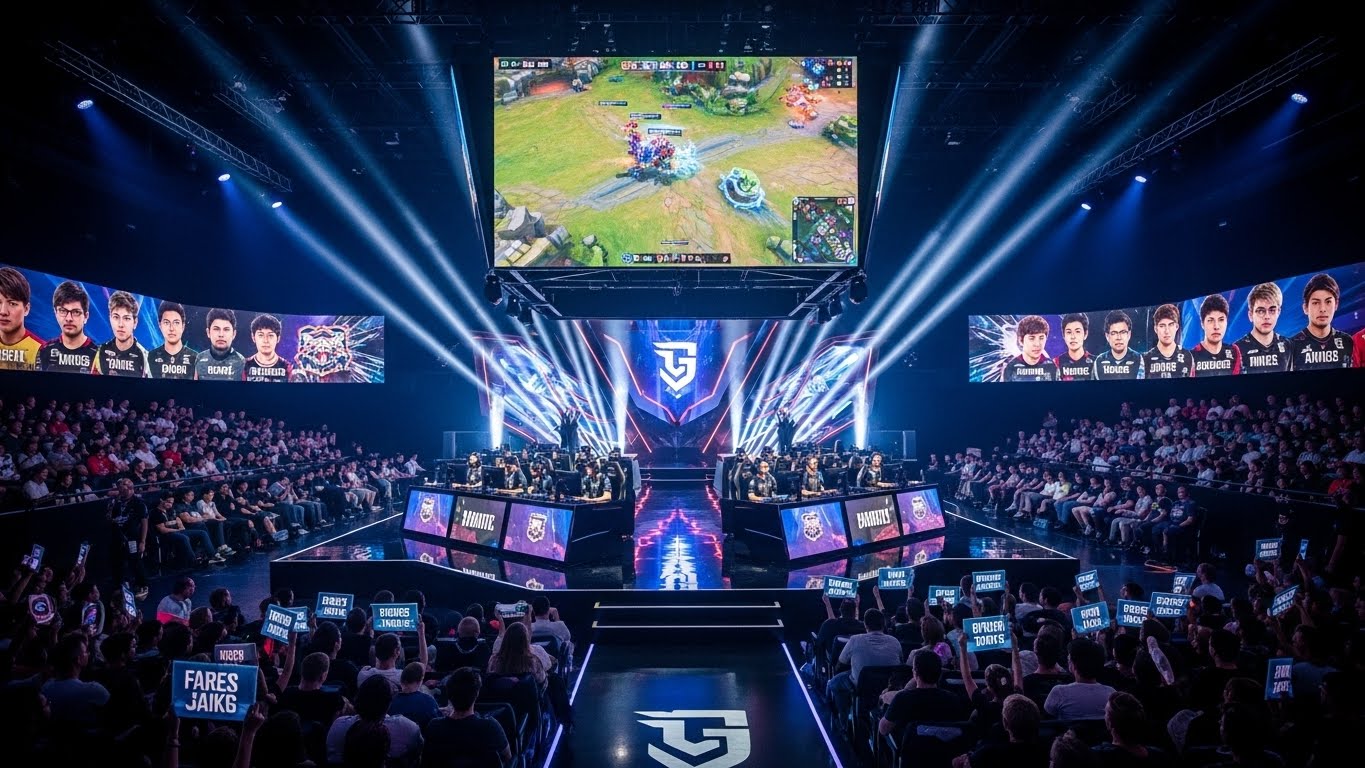
Esports, once considered a niche pastime for dedicated gamers, has evolved into a global phenomenon that rivals traditional sports in popularity, revenue, and cultural impact. With professional leagues, massive tournaments, and celebrity players, competitive gaming is no longer confined to basements and small gaming cafes. It is a thriving industry, influencing entertainment, technology, and even education. In this blog post, we explore the rise of esports, its economic and social impact, technological advancements, and the future of competitive gaming.
The Rise of Esports: From Hobby to Global Stage
The history of esports can be traced back to the late 20th century, when arcade and console competitions started gaining attention. Early tournaments for games like Street Fighter and StarCraft laid the foundation for organized competitive gaming. However, it was the rise of online multiplayer games and streaming platforms that truly propelled esports into the mainstream.
Games such as League of Legends, Dota 2, and Counter-Strike: Global Offensive became the cornerstone of esports leagues. Professional players emerged, teams were formed, and tournaments began offering substantial prize pools. Today, esports tournaments can fill stadiums and attract millions of viewers online, creating a spectator culture similar to that of traditional sports. The global esports audience is projected to surpass half a billion people, demonstrating that competitive gaming is more than a passing trend—it is a legitimate entertainment sector.
Esports as a Professional Career
One of the most significant developments in esports is its transformation into a viable professional career. Players can earn income through tournament winnings, sponsorships, streaming revenue, and team salaries. Some of the top players earn millions of dollars annually, comparable to athletes in traditional sports leagues.
Beyond individual players, esports careers extend to coaching, content creation, team management, event organization, and broadcasting. Analysts, commentators, and tournament organizers are integral to the ecosystem, highlighting that esports is not just about playing games but also about a wide range of professional roles that support the industry’s growth.
The professionalization of esports has also led to the development of structured training programs, with players dedicating hours daily to practice, strategy, and teamwork. Universities and institutions now offer scholarships for esports athletes, further cementing its legitimacy and providing pathways for talented individuals to pursue their passion as a career.
Economic Impact of Esports
The economic influence of esports is substantial and growing rapidly. Revenue comes from multiple sources, including advertising, sponsorships, media rights, merchandise, and ticket sales for live events. Major tournaments offer prize pools in the millions, attracting global attention and investment.
Sponsorship deals with gaming peripherals, energy drinks, apparel brands, and even non-gaming industries have made esports a lucrative business. Streaming platforms have added a layer of monetization through subscriptions, donations, and ad revenue, making content creation a viable part of the esports economy.
The industry also contributes to job creation, from developers and marketers to event planners and production staff. Cities hosting esports events benefit from tourism, hospitality, and local business opportunities, creating an economic ripple effect similar to traditional sporting events.
The Role of Technology in Esports
Esports exists at the intersection of gaming and technology. High-performance hardware, fast internet connectivity, and advanced software are crucial to competitive play. Gaming PCs, consoles, peripherals, and streaming setups have become increasingly sophisticated, allowing players to perform at their peak.
Live streaming technology has been particularly transformative, enabling players to broadcast their games to millions of viewers worldwide. Platforms dedicated to streaming have created communities where fans can interact directly with players, participate in live chats, and even influence the gaming experience. Virtual reality and augmented reality are starting to make their mark as well, offering immersive ways to experience esports beyond traditional screens.
AI and analytics are also influencing competitive play, with teams using performance data to optimize strategies and improve outcomes. The combination of technology and gaming skill ensures that esports remains dynamic, constantly evolving, and highly competitive.
Social and Cultural Impact
Esports has not only changed the way we play games but also how we socialize, communicate, and form communities. Online gaming platforms allow players from different countries and cultures to connect, collaborate, and compete. This global connectivity fosters friendships, cultural exchange, and a sense of belonging among fans and players.
The rise of esports celebrities has created new role models for younger generations. Influencers and professional players inspire others to pursue gaming professionally while promoting teamwork, perseverance, and strategic thinking. Esports also challenges traditional perceptions of sports, proving that competitive skill is not limited to physical abilities but can thrive in digital environments.
Moreover, esports has contributed to the mainstream acceptance of gaming as a legitimate form of entertainment. It has expanded the definition of sports and leisure, allowing individuals who may not engage in traditional athletics to participate in competitive and recreational communities.
Challenges and Criticisms
Despite its growth, esports faces several challenges. Player burnout is a significant issue, as the intense training schedules and constant pressure to perform can lead to mental health concerns. Teams and organizations are increasingly aware of the importance of mental wellness, but the industry still has work to do in providing support and sustainable career pathways.
Another challenge is accessibility. High-quality gaming hardware, fast internet, and the ability to dedicate hours to practice can create barriers for aspiring players from underprivileged backgrounds. Bridging this gap is essential to ensure esports remains inclusive and diverse.
Esports is also grappling with issues such as cheating, harassment, and online toxicity. Game developers, platforms, and tournament organizers are continually developing systems to maintain fair play, enforce rules, and create safer communities for players and fans alike.
The Future of Esports
The future of esports is bright and full of potential. Technological advancements, growing audiences, and increased investment are likely to drive continued expansion. Virtual reality esports, mobile gaming tournaments, and international leagues could redefine the competitive landscape in the coming years.
Education and professional development will continue to evolve alongside esports. More institutions may offer structured programs, scholarships, and career pathways for players, coaches, and industry professionals. Partnerships between esports organizations and traditional sports entities may become more common, creating hybrid entertainment experiences that combine digital and physical worlds.
The convergence of esports with mainstream media, entertainment, and technology will shape not only the gaming industry but broader cultural trends. Esports has the potential to influence how we view competition, entertainment, and collaboration in a digital age.
Conclusion: Esports as a Cultural and Competitive Force
Esports has moved far beyond being a niche hobby. It has become a cultural, economic, and technological force that is reshaping entertainment, competition, and social interaction. From professional careers and global tournaments to technological innovation and community building, esports represents a new paradigm in sports and entertainment.
As audiences continue to grow, technology advances, and professional structures mature, esports is poised to maintain its upward trajectory. It challenges our perceptions of skill and competition, fosters global connections, and creates opportunities for innovation and economic growth. For players, fans, and industry professionals alike, esports is not just a game—it is a transformative movement shaping the future of entertainment.
The rise of esports proves that competition is not limited to physical arenas. Digital platforms, strategic thinking, and immersive experiences have created a new frontier for human achievement, one where the world is watching, cheering, and participating from the comfort of their own screens. The story of esports is still unfolding, but its impact is already undeniable.