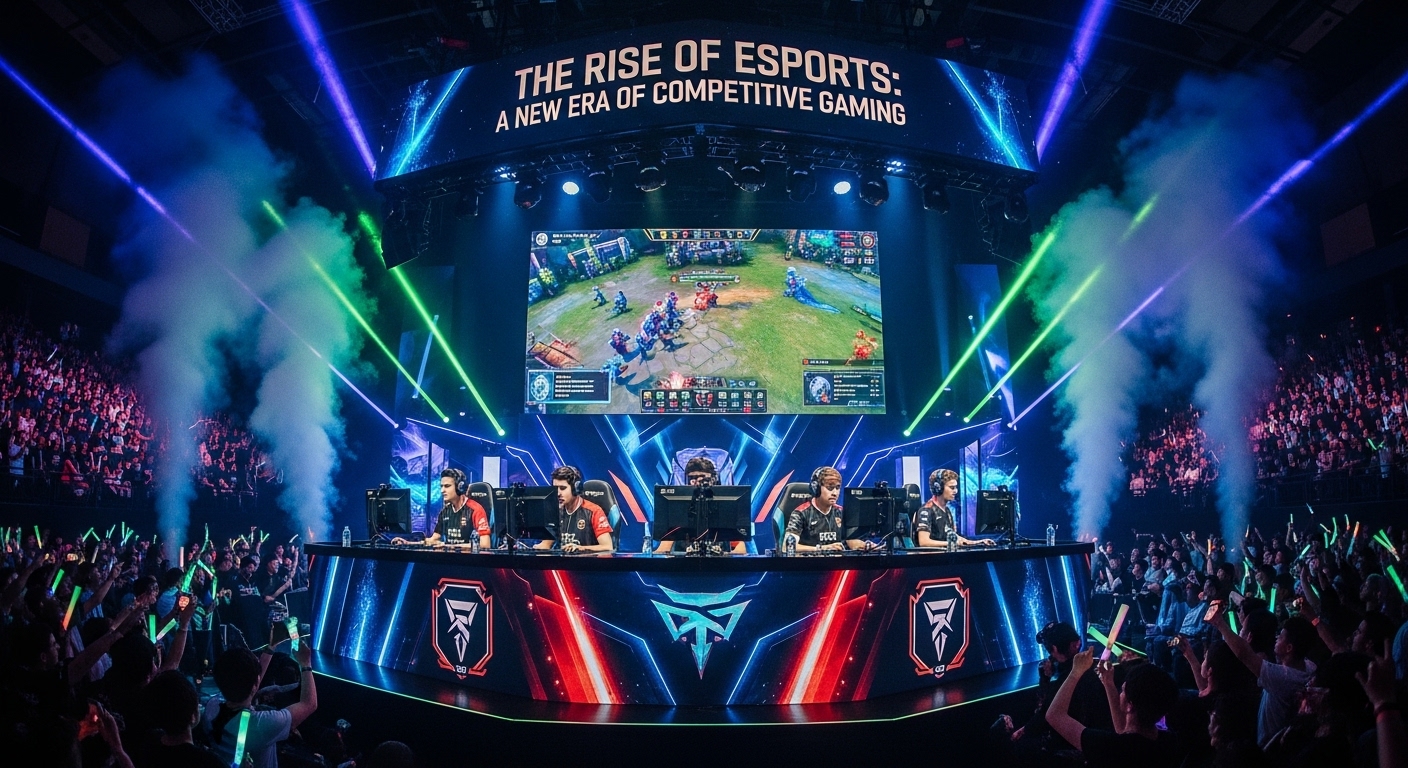
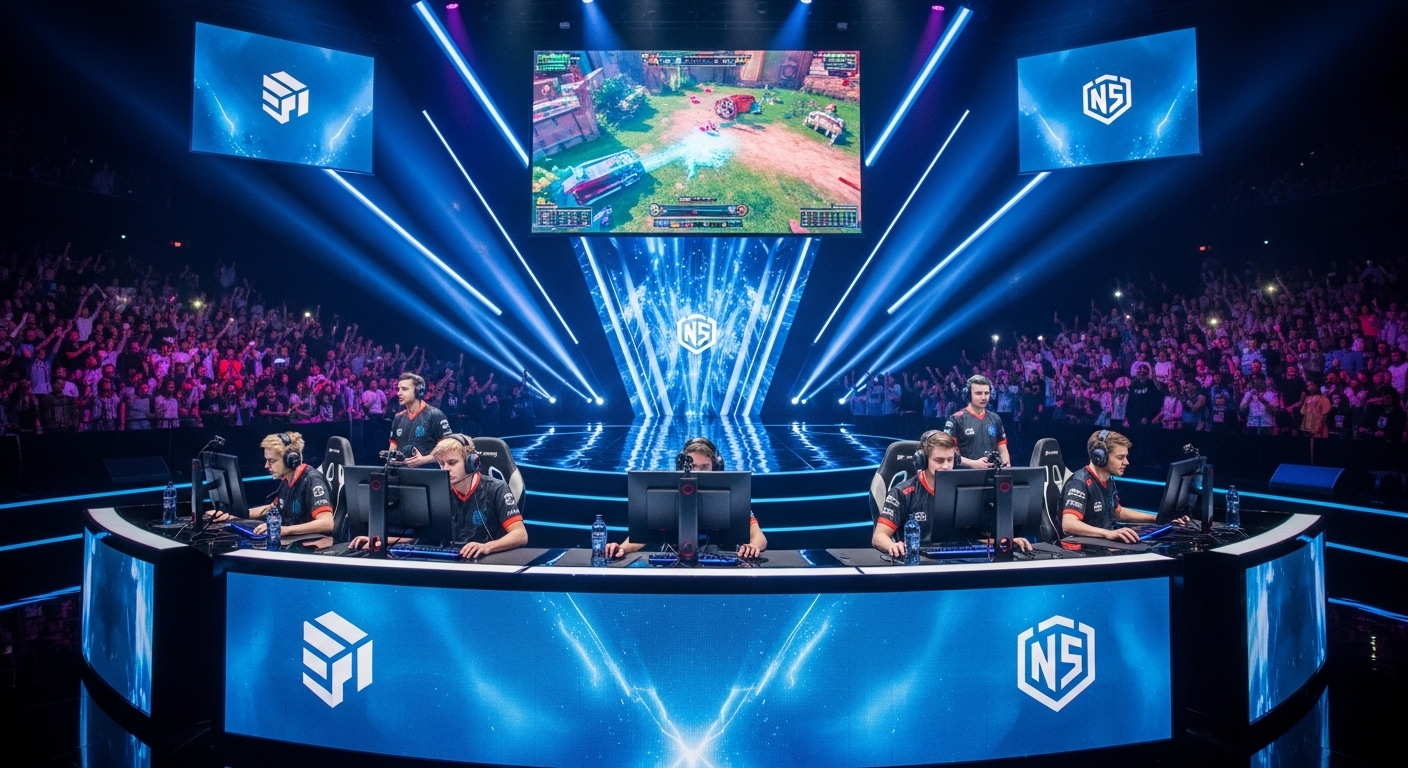
Esports has evolved from a niche hobby into a global phenomenon. With millions of players and fans around the world, competitive gaming has reached unprecedented heights in terms of professionalism, viewership, and financial stakes. At the core of this evolution lies not only talent and strategy but also the tools of the trade—gaming gear. For esports athletes, their equipment is more than just peripherals; it is an extension of their skills, providing precision, speed, and comfort that can make the difference between victory and defeat. This blog delves into the future of gaming gear for esports athletes, exploring how technology, design, and innovation are shaping the competitive landscape.
The Evolution of Gaming Gear
To understand the future, we must first look at the past. Gaming gear has come a long way since the early days of simple joysticks and basic keyboards. In the 1990s, competitive gamers often used standard consumer hardware that offered little in terms of customization or ergonomic design. Over time, as esports grew, manufacturers began to recognize the unique needs of professional gamers. High-DPI mice, mechanical keyboards, programmable controllers, and high-refresh-rate monitors became standard tools for serious competitors.
The progression of gaming gear has been fueled by the same principles that drive esports itself: precision, speed, and adaptability. Players demanded equipment that could respond to millisecond-level inputs and withstand hours of intense gameplay. Manufacturers responded with products designed specifically for esports, setting the stage for a new era of innovation.
Precision and Performance: The Core of Future Gear
The most critical aspect of any esports athlete’s gear is precision. A slight lag in a mouse or keyboard can cost a professional gamer the match. As technology advances, we can expect gaming gear to become increasingly responsive and accurate. Optical and laser sensors in mice are already capable of tracking movements at thousands of frames per second. The next generation of sensors promises even lower latency and higher tracking fidelity, allowing for near-perfect control.
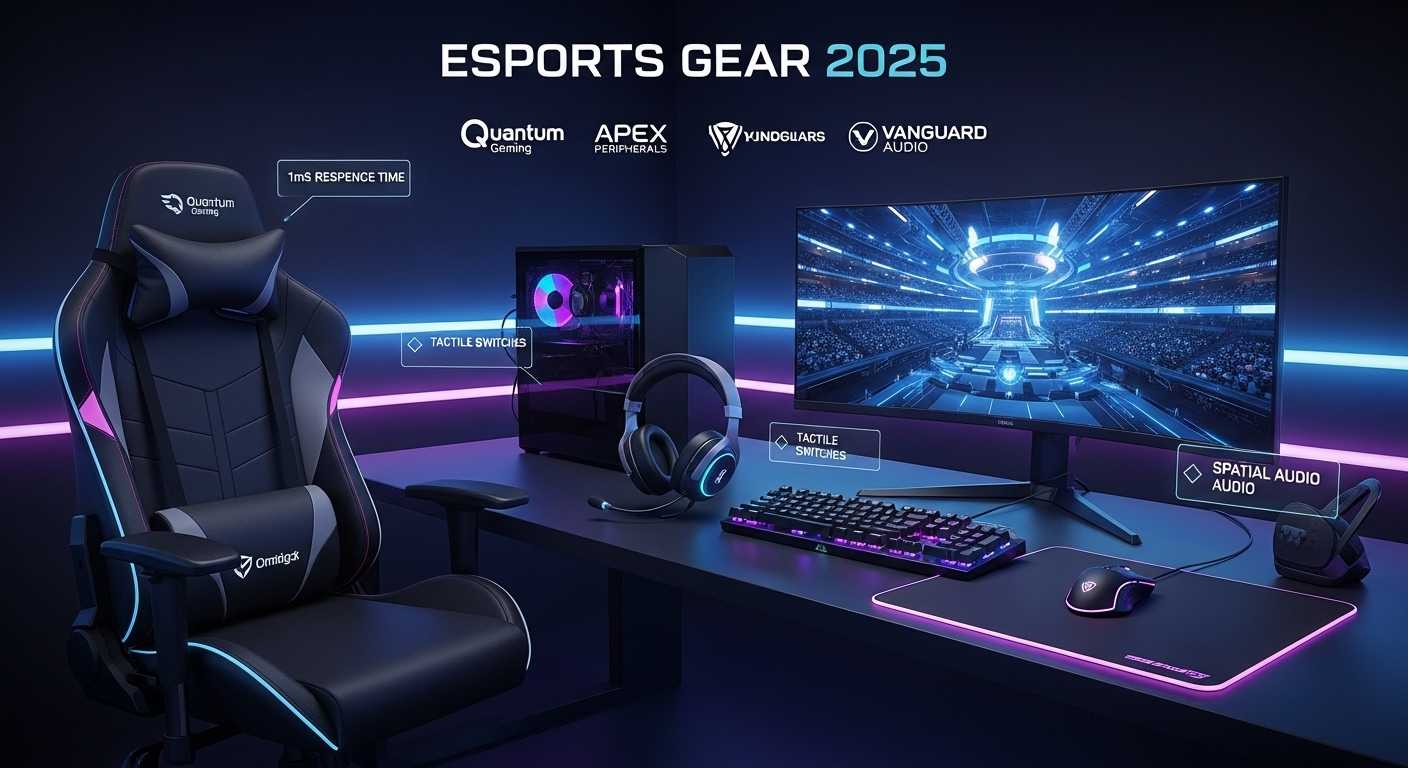
Similarly, keyboards are evolving beyond traditional mechanical switches. While mechanical keyboards offer tactile feedback and durability, future innovations may include hybrid designs with adjustable actuation points, adaptive feedback systems, and even haptic technologies that communicate game information through touch. These enhancements will allow players to react faster and with more precision, giving them an edge in high-stakes competitions.
Ergonomics and Health Considerations
As esports athletes spend countless hours practicing and competing, physical strain has become a significant concern. Repetitive strain injuries, carpal tunnel syndrome, and back problems are common among professional gamers. Future gaming gear will prioritize ergonomics and player health. Chairs with dynamic lumbar support, keyboards with split and angled designs, and mice shaped to reduce stress on the wrist are already gaining popularity.
Innovations may also extend to wearable technology that monitors posture, heart rate, and muscle tension during gameplay. Such devices could provide real-time feedback to prevent injuries and optimize performance. By integrating health-conscious design into gaming gear, the future will enable athletes to compete at their peak while minimizing long-term physical consequences.
Customization and Personalization
One of the most exciting trends in gaming gear is customization. Esports athletes have unique preferences and playstyles, and the ability to tailor equipment to individual needs can provide a significant advantage. Future gaming peripherals will offer unprecedented levels of personalization. Modular keyboards and mice will allow players to swap components, adjust weight, and fine-tune sensitivity to match their exact preferences.
Visual customization will also play a role. RGB lighting, programmable displays, and aesthetic skins are just the beginning. Advanced gear may even feature adaptive lighting and feedback systems that respond to in-game events, enhancing both immersion and functionality. This fusion of performance and personalization will redefine how players interact with their tools.
The Role of AI and Smart Technology
Artificial intelligence is poised to revolutionize gaming gear. Already, AI algorithms are used to predict player movements, analyze gameplay, and provide coaching insights. In the future, AI could be embedded directly into gaming peripherals. Imagine a mouse that adjusts its sensitivity based on the player’s in-game context or a keyboard that recommends key bindings based on the player’s habits and performance trends.
Wearable AI devices could monitor fatigue, stress levels, and reaction times, adjusting in-game settings or offering suggestions to maintain optimal performance. This integration of smart technology will transform gaming gear from passive tools into active partners, helping esports athletes maximize their potential.
High-Performance Displays and Visual Enhancements
Visual clarity is essential in competitive gaming. High-refresh-rate monitors, low-latency screens, and wide color gamuts have already set a new standard for esports athletes. The future of gaming displays will push these boundaries even further. Technologies like OLED, microLED, and quantum dot panels promise faster response times, higher contrast ratios, and deeper colors, enhancing the gaming experience.
In addition, augmented reality and heads-up displays may become mainstream in esports training and competition. Players could receive real-time data overlays, such as enemy positions, cooldown timers, or optimal movement paths, directly in their field of view. These visual enhancements will not only improve gameplay but also elevate the spectator experience.
Audio Innovations for Competitive Edge
Sound is a critical yet often overlooked component of esports performance. Accurate audio cues can provide vital information about enemy movements, abilities, or environmental hazards. High-fidelity headphones with spatial audio are already standard for professional players, but the future will bring even more sophisticated solutions.
Directional audio technology, bone-conduction headphones, and AI-driven sound optimization could allow players to detect subtle cues with unprecedented accuracy. Furthermore, personalized audio profiles could adapt to a player’s hearing sensitivity and gameplay style, ensuring that no detail is missed. In a world where milliseconds matter, superior audio gear could make the difference between winning and losing.
Connectivity and Network Optimization
Esports is inseparable from the internet, and connectivity issues can be devastating in competitive play. Future gaming gear will integrate network optimization features directly into peripherals. Smart routers, low-latency adapters, and AI-driven network management systems could minimize lag and packet loss, ensuring a stable and responsive gaming experience.
Wireless technology is also advancing rapidly. Next-generation wireless mice and keyboards are achieving latency levels comparable to their wired counterparts, offering players freedom without sacrificing performance. As network infrastructure improves globally, esports athletes will benefit from seamless connectivity regardless of location.
Sustainable and Eco-Friendly Gear
As awareness of environmental impact grows, sustainability is becoming an important consideration in gaming gear design. Future esports peripherals are likely to emphasize eco-friendly materials, energy-efficient components, and modular designs that extend product lifespan. Manufacturers are exploring recyclable plastics, biodegradable packaging, and low-power electronics to reduce their carbon footprint.
Sustainable gear not only benefits the environment but also appeals to a growing demographic of environmentally conscious gamers. Athletes and teams may prioritize eco-friendly products, setting new standards for responsibility in the esports industry.
The Influence of Esports Organizations and Sponsorships
The evolution of gaming gear is closely tied to the growth of esports organizations and sponsorships. Professional teams often partner with manufacturers to develop signature gear tailored to their players’ needs. These collaborations drive innovation, pushing companies to experiment with cutting-edge materials, design concepts, and technologies.
In the future, we can expect more co-branded equipment, exclusive prototypes, and limited-edition products that reflect the identity of esports teams and athletes. This synergy between players, teams, and manufacturers will continue to fuel advancements in gaming gear.
Virtual Reality and Immersive Experiences
Virtual reality is already making waves in esports, and future gaming gear will increasingly cater to immersive experiences. VR controllers, haptic suits, and motion-tracking devices are evolving to provide more natural and precise input. As these technologies mature, esports competitions could expand into entirely new formats that leverage full-body movement and spatial awareness.
Beyond VR, mixed reality setups may become common in training environments, allowing players to simulate real-world scenarios or visualize complex strategies in 3D space. Gaming gear that supports these immersive experiences will redefine how athletes train, compete, and engage with fans.
Training and Analytics Integration
The future of gaming gear is not just about performance during competition but also about improving skills through training and analytics. Advanced peripherals will collect detailed data on keystrokes, mouse movements, reaction times, and decision-making patterns. Integrated software can analyze this information to identify weaknesses, suggest improvements, and track progress over time.
Esports athletes will benefit from a holistic ecosystem where gear, software, and coaching are interconnected. This integration will make training more efficient and personalized, accelerating the development of elite players and teams.
Looking Ahead: What’s Next?
The future of gaming gear for esports athletes is poised to be more innovative, precise, and player-focused than ever before. Advances in AI, ergonomics, customization, audio-visual technology, and sustainability will converge to create tools that enhance performance, health, and immersion. Gaming peripherals will evolve from simple input devices into intelligent, adaptive companions that actively support the athlete’s journey.
As esports continues to grow in popularity and professionalism, the demand for cutting-edge gear will only increase. Manufacturers, teams, and players will collaborate to push the boundaries of what is possible, shaping a future where technology and human skill work seamlessly together.
Conclusion
Esports is no longer just about talent and strategy; it is also about the tools that make peak performance possible. The future of gaming gear promises unprecedented levels of precision, customization, and intelligence, designed to enhance every aspect of a player’s experience. From health-conscious designs and AI integration to immersive VR setups and sustainable materials, the evolution of gaming peripherals is transforming esports into a high-tech, highly optimized arena.
For professional gamers, investing in the right gear will continue to be a crucial factor in success. The next generation of gaming equipment will not only amplify skill but also redefine the way athletes train, compete, and interact with the virtual world. As technology advances, the line between human ability and machine assistance will blur, opening new possibilities for esports athletes and the entire gaming industry. The future of gaming gear is bright, and for those who embrace it, the competitive edge will be unparalleled.