
Esports, or electronic sports, has evolved from a niche pastime into a global phenomenon. Once a small community of enthusiasts, esports has blossomed into a multi-billion-dollar industry with millions of players, fans, and viewers worldwide. Whether you’re an aspiring player, a fan, or just someone curious about this growing trend, understanding what makes esports so exciting and influential in today’s digital age is key. In this post, we’ll explore the rise of esports, its impact on gaming culture, and what makes it one of the most thrilling forms of entertainment today.
What is Esports?
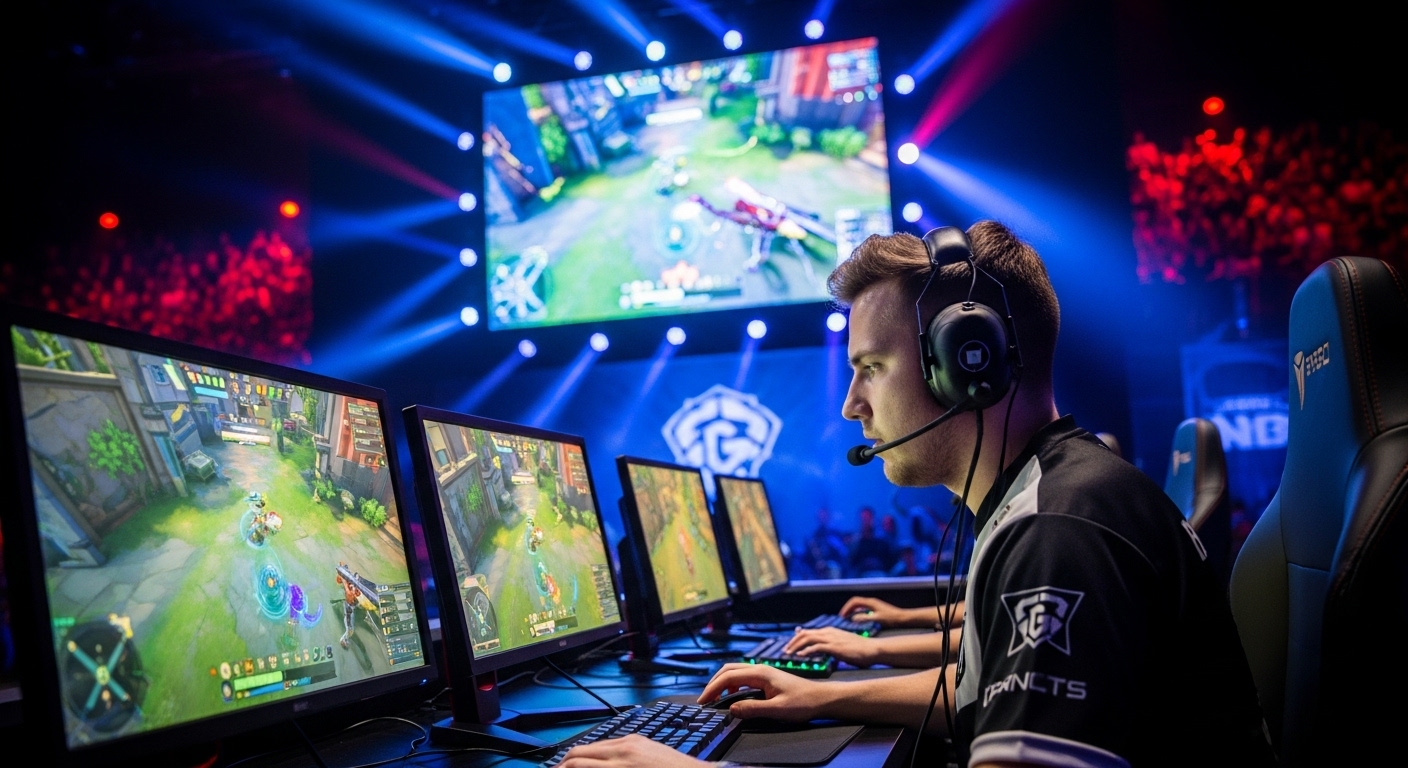
At its core, esports is competitive video gaming. Players and teams compete against each other in organized tournaments and leagues, often for substantial cash prizes and fame. These competitions cover a wide range of genres, from real-time strategy games like StarCraft and Warcraft, to first-person shooters like Counter-Strike and Overwatch, to multiplayer online battle arena (MOBA) games like League of Legends and Dota 2. What sets esports apart from casual gaming is its competitive nature and the level of skill and strategy required to succeed.
Esports has become not just a game but a career path for many, with professional players, coaches, and analysts dedicating their lives to mastering their chosen games. Alongside the players, there are teams, organizations, broadcasters, and even analysts who contribute to the esports ecosystem, creating a complex, multifaceted world that rivals traditional sports in terms of scope and popularity.
The Rise of Esports: From Hobby to Industry
Esports may have started as a small community of hobbyists in the early 2000s, but it didn’t take long for the potential of competitive gaming to become apparent. The rise of platforms like Twitch, YouTube Gaming, and other streaming services allowed players to showcase their skills to a global audience. These platforms, coupled with the increasing popularity of online multiplayer games, created an environment where esports could thrive.
The global reach of the internet and the accessibility of gaming consoles and PCs further fueled this growth. What began with small local tournaments and online competitions quickly turned into international events, drawing crowds of thousands and attracting sponsorships from major companies. In recent years, the prize pools for some esports tournaments have reached millions of dollars, bringing professional gaming closer to the mainstream.
Esports: A Cultural and Social Phenomenon
Esports has done more than just create a competitive environment for gamers—it has fostered a vibrant, global community. From social media groups to fan forums, esports fans can connect with one another to discuss strategies, share experiences, and support their favorite players and teams. The level of passion and loyalty that fans have for their favorite esports athletes rivals that of traditional sports teams.
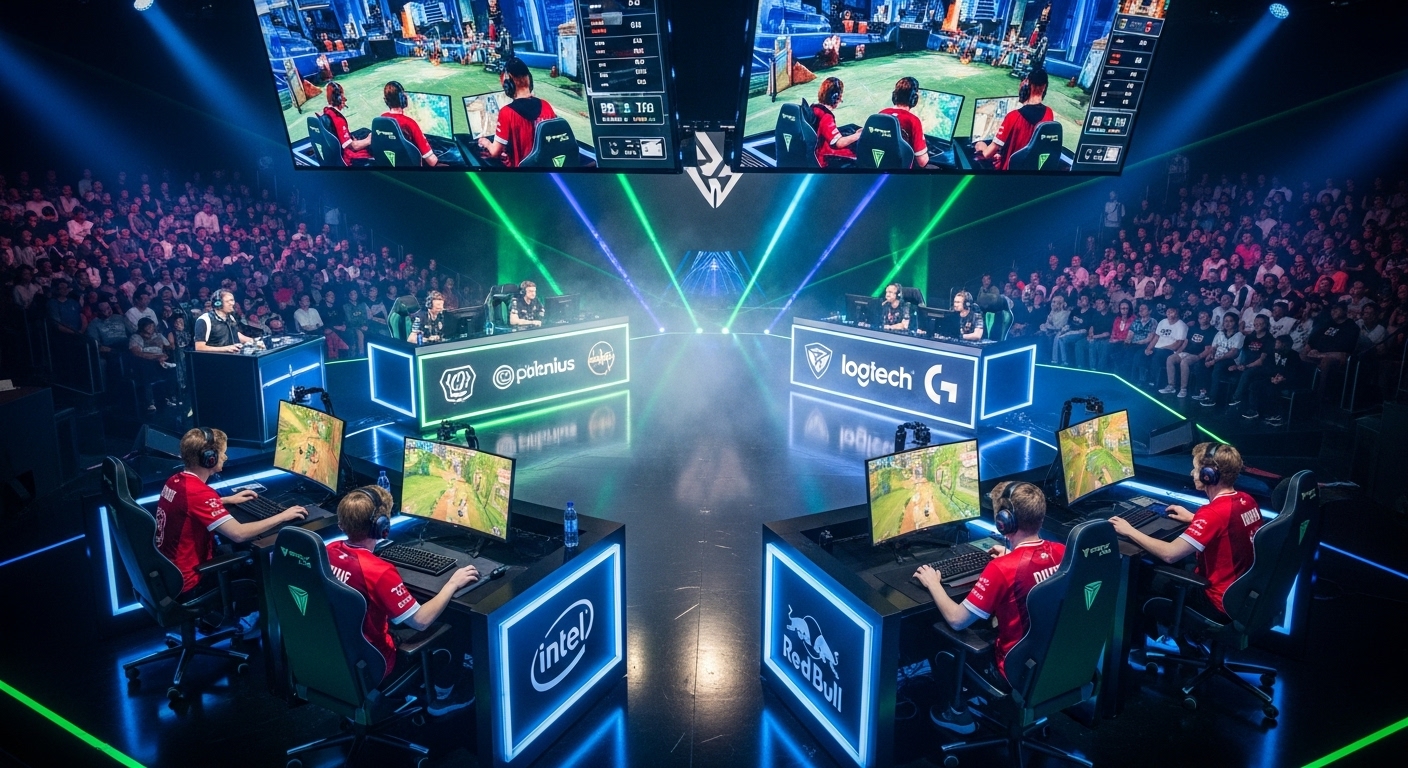
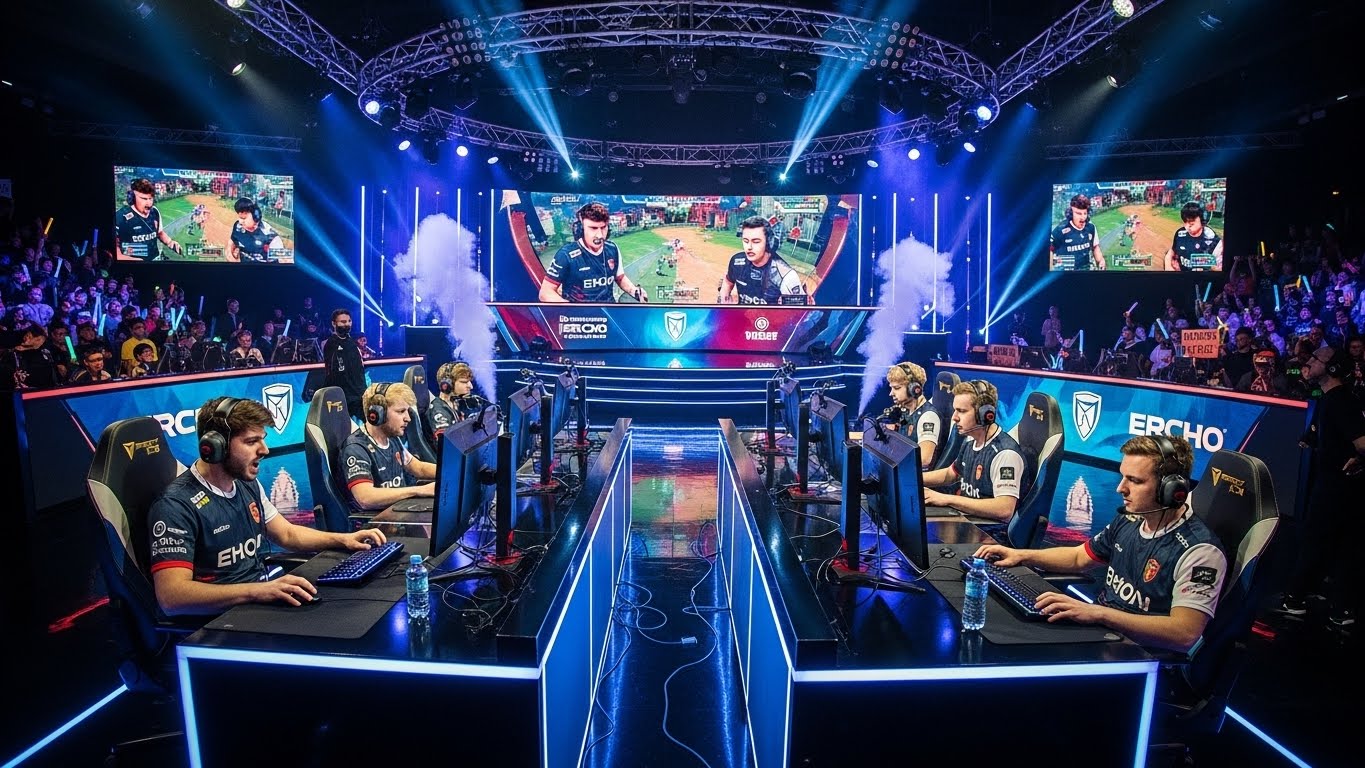
These connections extend into live events, where fans gather in large arenas to watch their favorite players compete in high-stakes tournaments. Events like The International (Dota 2’s premier event), League of Legends World Championship, and CS:GO Major Championships attract not only players but tens of thousands of spectators who cheer, chant, and celebrate with their teams. Beyond the tournaments themselves, esports has even created a subculture of merchandise, fan art, and content creators, contributing to its growing mainstream presence.
The Role of Streaming in Esports
One of the defining features of esports is its connection to live streaming. Platforms like Twitch have become central hubs for gamers to not only compete but also engage with their audience in real-time. The accessibility of live streams allows viewers to watch professional gamers, learn new strategies, and follow their favorite teams as they progress through tournaments.
Streaming has played an integral role in shaping the esports industry. Popular streamers often build massive followings, with some even transitioning into full-time careers as content creators. In addition to providing live gameplay, many streamers host talk shows, interviews, and behind-the-scenes content, creating an immersive experience for their audiences.
Moreover, streaming allows fans to engage directly with players. Through live chats and interactions, viewers can offer support, ask questions, or simply share their excitement. This creates a deeper connection between the players and their fan base, fostering a community that is truly global.
The Business of Esports: Big Money and Sponsorships
The financial side of esports has seen tremendous growth in recent years. Sponsorship deals with major brands, including Coca-Cola, Intel, and Red Bull, have brought a new level of legitimacy and funding to the industry. These companies not only sponsor events and teams but also invest in content creation and player development, helping to create an ecosystem that supports the longevity of esports.
The sheer size of the esports audience makes it an attractive platform for advertisers. In 2020, the esports industry was estimated to generate over $1 billion in revenue, and the numbers are only expected to grow. Media rights, ticket sales, merchandise, and, of course, sponsorships contribute significantly to the industry’s financial success.
For professional gamers, the opportunities for earning go beyond just tournament prizes. Many esports athletes sign contracts with teams, receive streaming sponsorships, and make money through social media collaborations. As esports continues to grow in popularity, more players are turning their gaming skills into full-fledged careers.
Esports as a Legitimate Career Path
For years, gaming was considered a hobby or something to do in one’s free time. But with the rise of esports, competitive gaming has transformed into a legitimate career path for many young players. Teams sign contracts with players, offering salaries, coaching, and training facilities, just like traditional sports teams do for athletes.
Esports has also opened up other career opportunities beyond just playing the games. Behind every successful esports team, there are managers, analysts, marketers, and content creators who play vital roles in the operation of the organization. The esports ecosystem is vast, and those with a passion for gaming can find diverse career options within it.
For aspiring players, however, the road to professional gaming is highly competitive. Much like traditional sports, only the best make it to the top, requiring years of practice, dedication, and mental fortitude. Despite the challenges, the recognition and rewards that come with success in esports make it an appealing option for many.
The Future of Esports: Growing Bigger, Reaching Further
Esports is far from a passing trend—it’s a growing global industry with a promising future. The continued rise of mobile gaming, the expansion of VR and AR technologies, and the increasing popularity of esports in schools and universities will only drive the industry further. Many colleges and universities are offering esports scholarships, and some are even building dedicated esports arenas.
Esports will likely continue to integrate more into mainstream sports culture. We can expect to see esports featured more prominently on television and in the media, alongside traditional sports like football and basketball. With the rise of virtual reality and esports becoming more immersive, the way we watch and play games is on the verge of another revolution.
Conclusion
Esports has evolved from a hobby for a small group of enthusiasts into a global powerhouse that has captured the hearts of millions. With its unique combination of competitive spirit, technological innovation, and cultural influence, esports represents a new frontier in entertainment. Whether you’re playing professionally, following the action as a fan, or just beginning to explore the world of competitive gaming, one thing is clear: esports is here to stay, and its impact will only grow in the years to come.