Introduction: The New Age of Competition
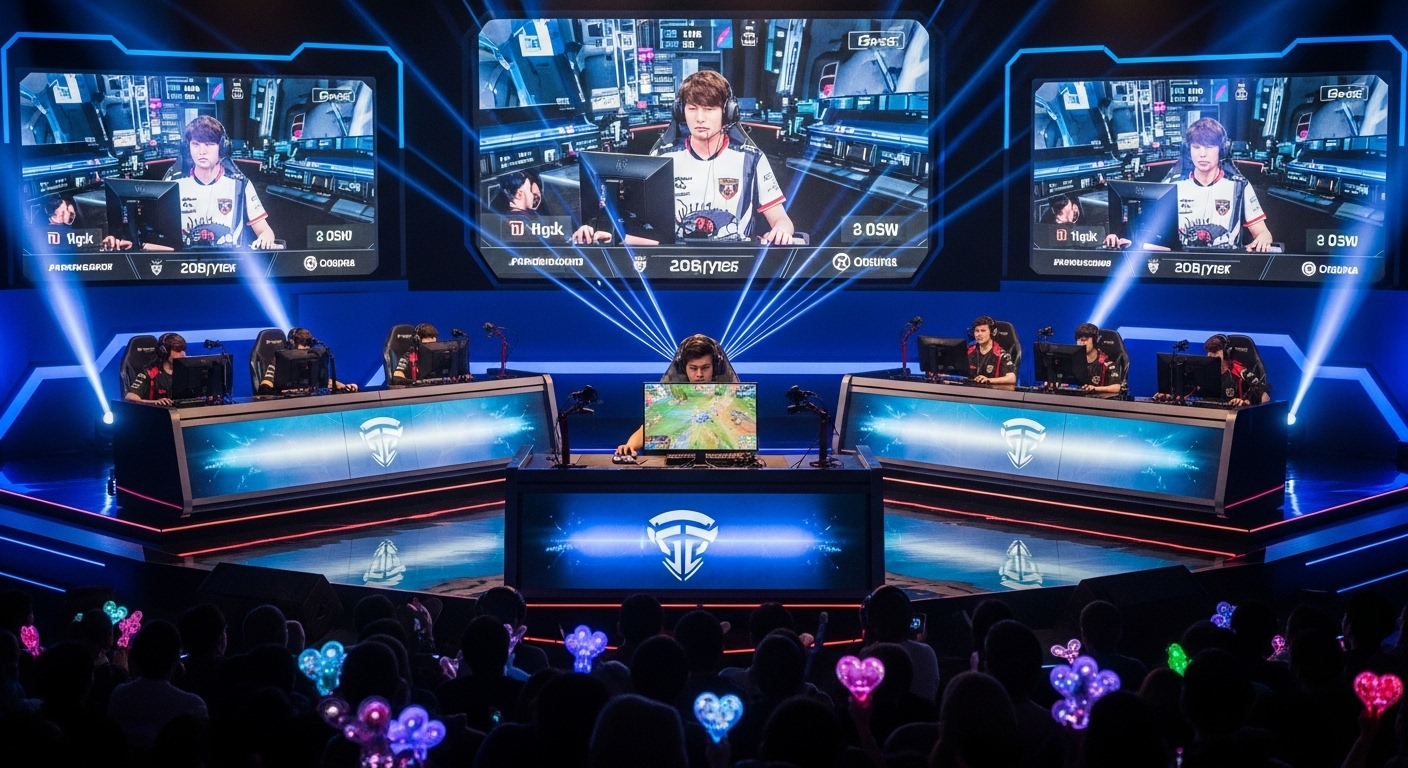
Esports has evolved from a casual pastime into a global phenomenon. What was once seen as mere entertainment has now become a professional industry, drawing millions of viewers and offering lucrative opportunities for players and organizations alike. The combination of technology, strategy, and community has transformed competitive gaming into a cultural force that cannot be ignored.
The Evolution of Esports
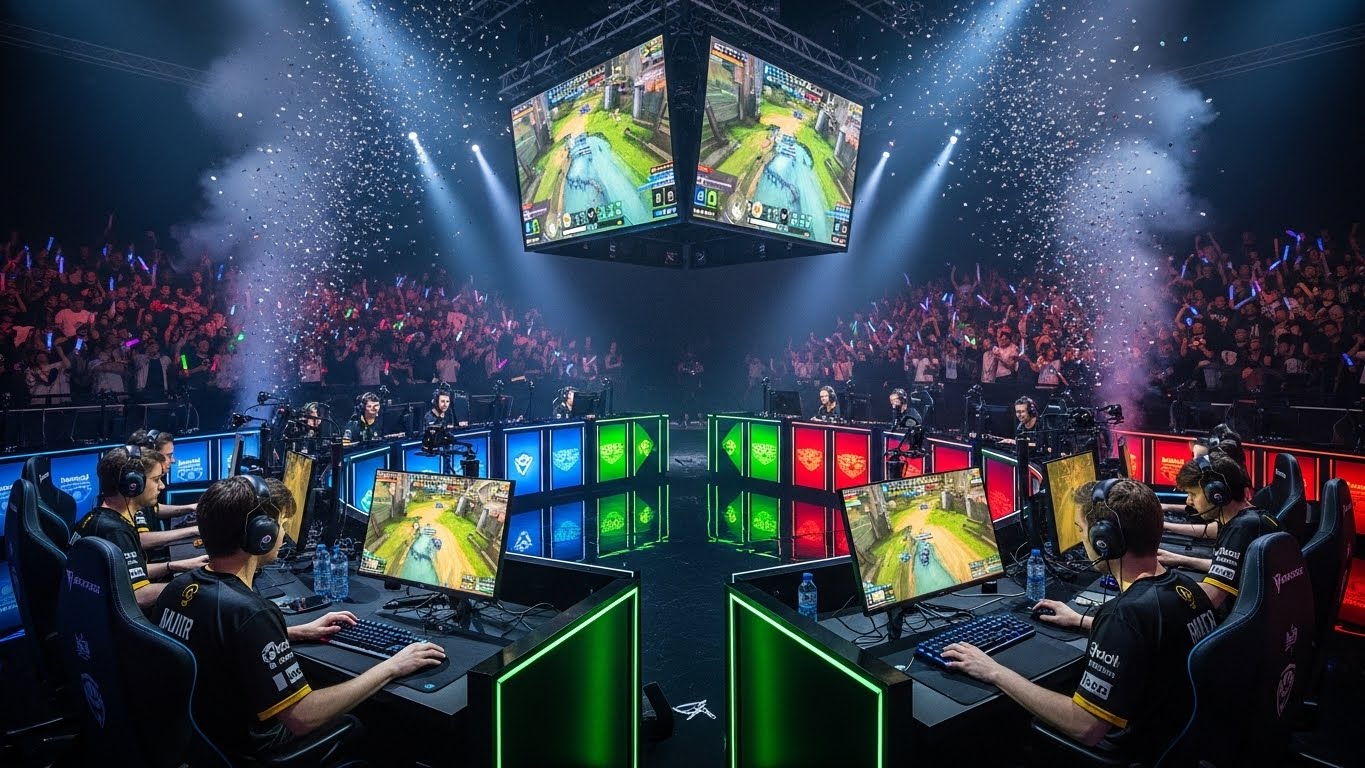
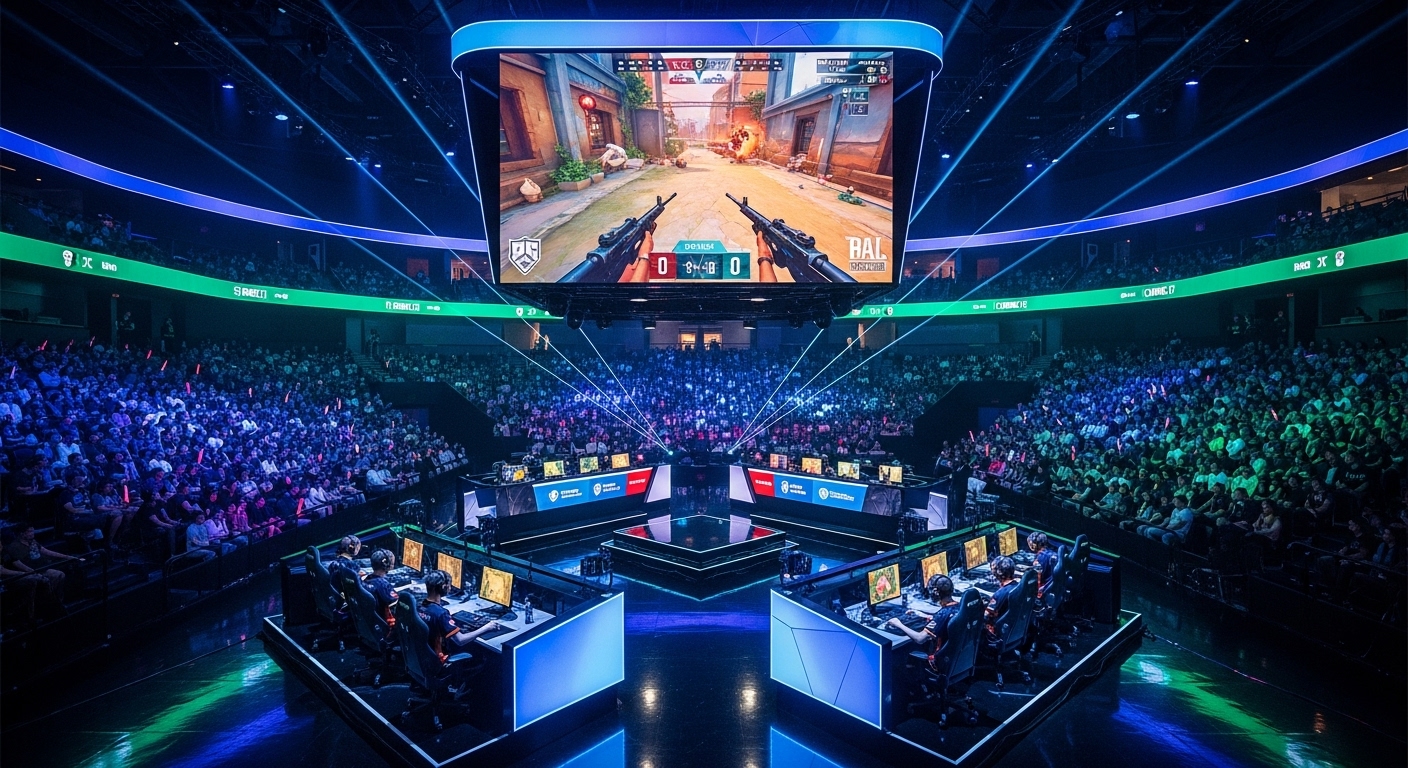
Competitive gaming has come a long way since the early days of arcade tournaments and local gaming contests. Games like StarCraft, Counter-Strike, and Street Fighter were pioneers in creating organized competition. Today, esports spans a wide range of genres, from multiplayer online battle arenas to first-person shooters, with structured leagues, professional teams, and massive international tournaments.
The Role of the Community
One of the defining aspects of esports is its passionate community. Fans are not just spectators; they are active participants who engage with content, share strategies, and support their favorite players. Streaming platforms and social media have enabled this engagement, giving fans access to live matches, behind-the-scenes content, and interactive experiences that strengthen the bond between players and audiences.
Careers in Esports
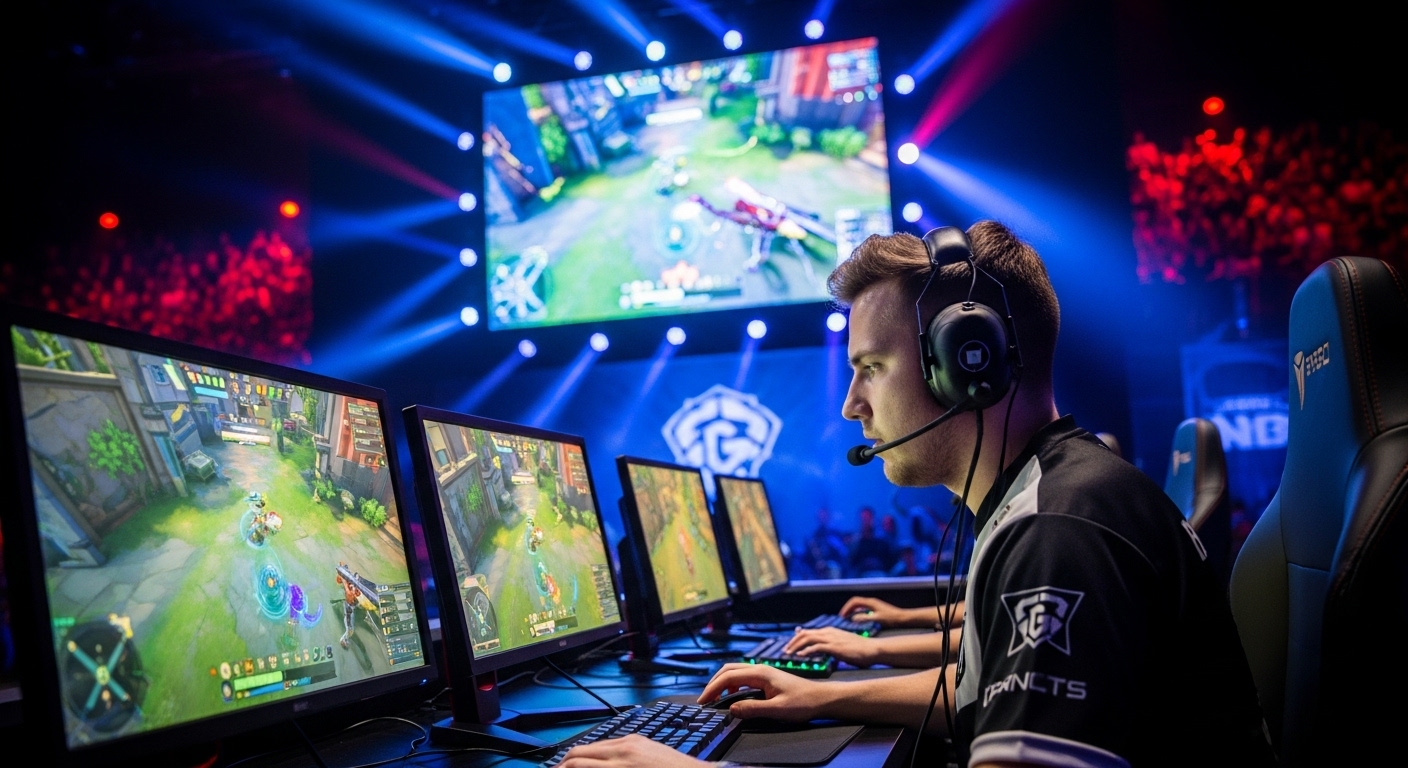
Esports offers diverse career opportunities beyond being a professional player. Coaches, analysts, commentators, and event organizers all contribute to the ecosystem. Professional players undergo rigorous training, much like athletes in traditional sports, focusing on strategy, teamwork, and reflexes. Sponsorships, brand collaborations, and tournament earnings provide financial stability, making esports a viable and rewarding career path.
Global Influence of Esports
Esports has transcended borders, attracting audiences from all corners of the world. Countries such as South Korea, China, and the United States have become hubs for competitive gaming, with universities and schools offering esports programs and scholarships. This global reach has helped establish esports as a mainstream cultural phenomenon, influencing entertainment, fashion, and lifestyle trends.
Challenges in the Industry
Despite its rapid growth, esports faces challenges that must be addressed for sustainable success. Mental health concerns, player burnout, and online toxicity remain prevalent. Legal and ethical issues, such as fair contracts and prize disputes, also pose hurdles. Ensuring a healthy, transparent, and supportive environment is crucial for the continued growth of the industry.
The Future of Esports
The future of esports is full of potential. Innovations in virtual reality, augmented reality, and artificial intelligence promise to create more immersive and dynamic experiences. As recognition of esports grows in mainstream media and education, the gap between traditional sports and digital competition will continue to narrow. Esports is set to redefine the way the world views gaming, competition, and entertainment.
Conclusion: Beyond Gaming
Esports is more than a hobby; it is a movement. It represents the convergence of technology, talent, and community, and it continues to inspire millions worldwide. From local tournaments to international championships, the esports industry exemplifies how passion and perseverance can transform a simple pastime into a global revolution.