Introduction: Esports as a Global Phenomenon
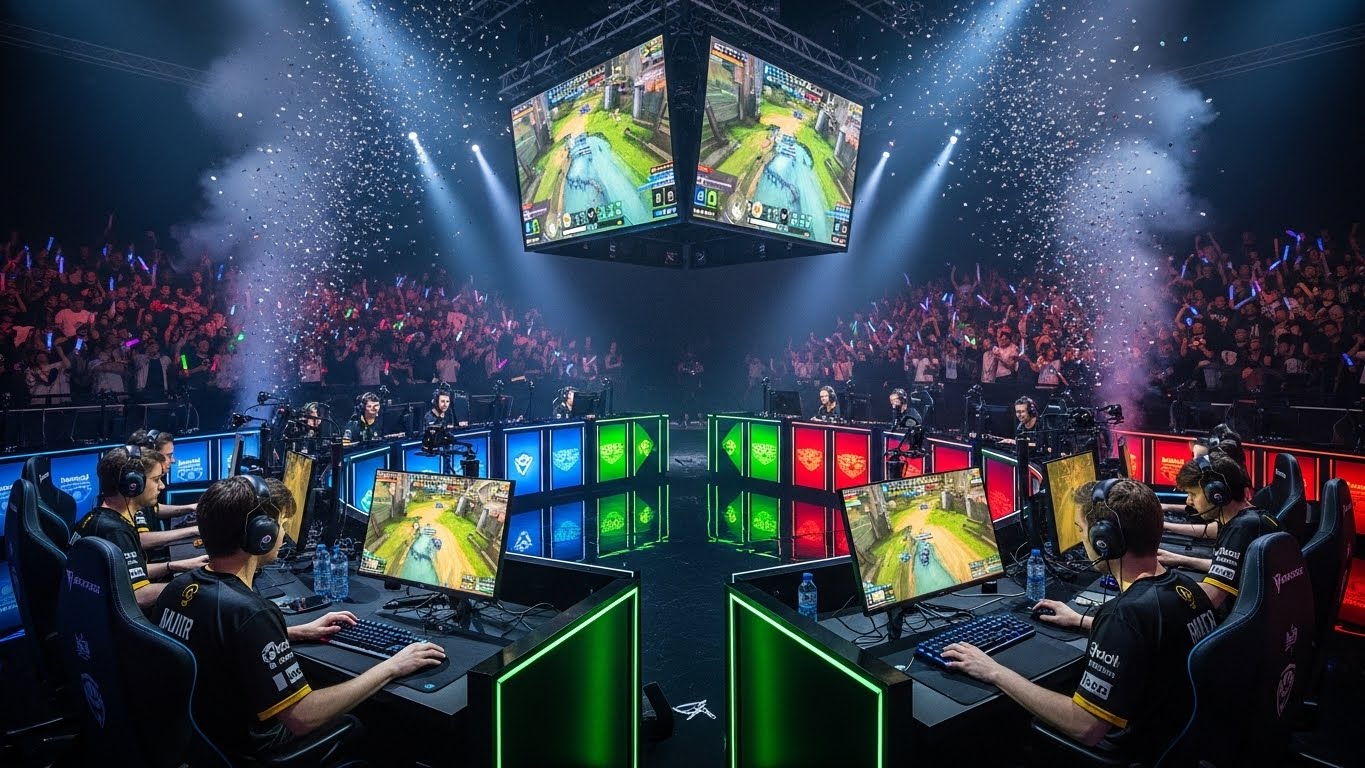
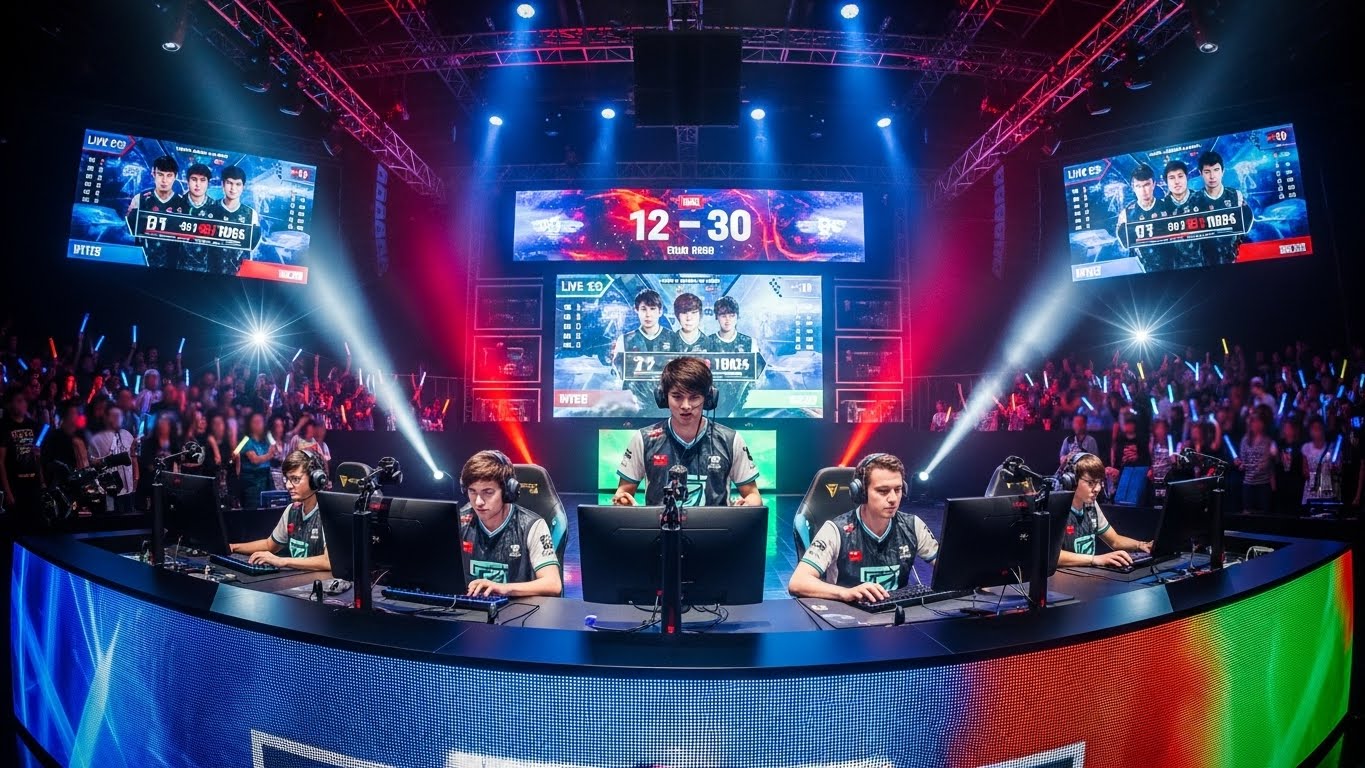
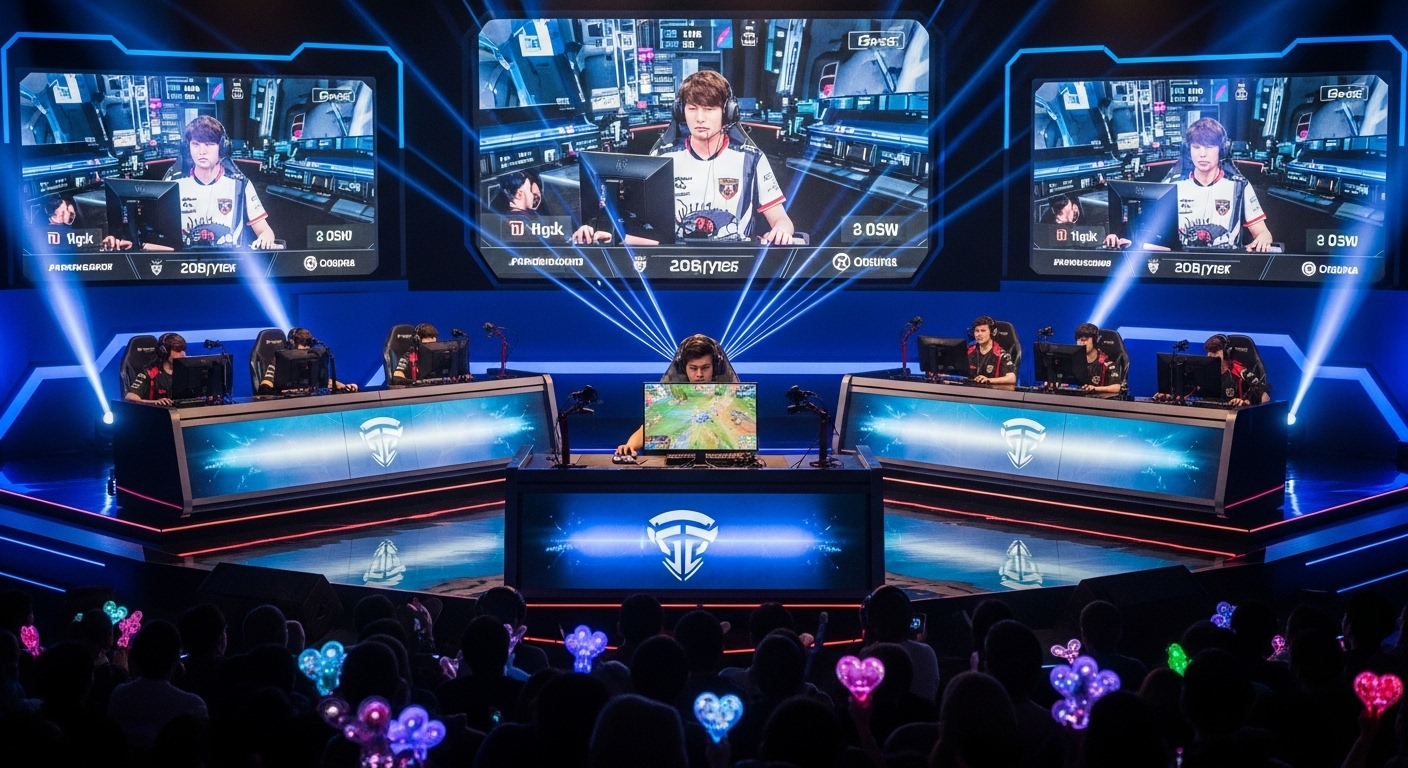
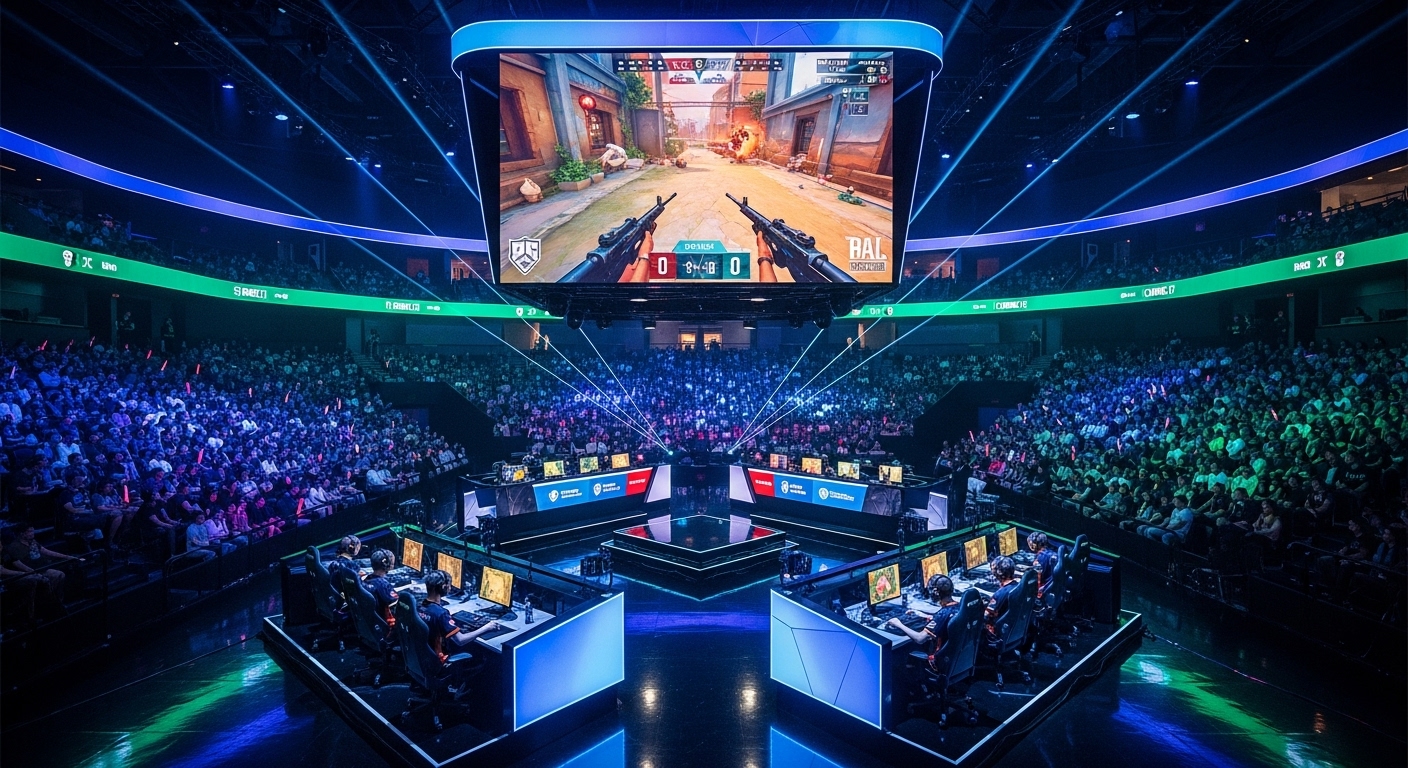
Esports has emerged as one of the fastest-growing sectors in entertainment, turning gaming into a competitive and professional pursuit. What was once seen as casual fun has transformed into a global stage where skill, strategy, and teamwork are celebrated. Millions of fans now watch professional players compete in arenas and online tournaments, making esports a cultural and technological phenomenon.
The Rise of Professional Gaming
The journey of esports from hobbyist gatherings to professional leagues is remarkable. Players dedicate countless hours to mastering games, honing reflexes, and developing strategies. Teams compete in tournaments worldwide, often with prize pools that rival traditional sports. Professional gaming has created new career paths, sponsorship opportunities, and an industry that blends athleticism with digital expertise.
Popular Esports Titles
Several games dominate the esports scene, each offering unique challenges and competitive depth. Multiplayer online battle arenas like League of Legends and Dota 2 emphasize strategy and teamwork, while first-person shooters such as Counter-Strike and Valorant test precision and reflexes. Battle royale games like Fortnite and Apex Legends combine survival skills with quick decision-making. These games captivate audiences and push players to perform at the highest level.
Technology Driving Esports
Technology plays a critical role in esports. High-performance computers, fast internet connections, and specialized gaming equipment allow players to compete at peak performance. Streaming platforms broadcast live matches to millions, providing interactive experiences for fans. Additionally, analytics and AI help teams improve strategies, analyze competitors, and optimize gameplay.
The Social Impact of Esports
Esports has grown into more than just competition—it is a cultural movement. Communities form around games, connecting people across continents. Fans engage with players through live streams, forums, and social media, creating vibrant ecosystems that celebrate shared passion. Esports has also influenced fashion, music, and entertainment, making it a key driver of youth culture worldwide.
Benefits of Esports
Participating in esports develops skills beyond gaming. Players improve teamwork, communication, and critical thinking under pressure. The mental agility required to strategize and adapt during games enhances problem-solving abilities. Esports also fosters inclusivity, as players from diverse backgrounds collaborate and compete in a shared digital space.
Challenges Facing Esports
Despite its growth, esports faces challenges. Professional players may experience burnout due to long practice hours and high-pressure environments. Maintaining physical and mental health is a growing concern. Additionally, issues like cheating, fair competition, and ethical sponsorship practices must be addressed to ensure the industry’s integrity and sustainability.
The Future of Esports
The future of esports is full of potential. Innovations such as virtual reality, augmented reality, and cloud gaming will create even more immersive experiences. Esports may continue to integrate with traditional sports, entertainment, and education, opening new opportunities for players, fans, and businesses alike. The industry is poised to grow into a mainstream global phenomenon with lasting cultural impact.
Conclusion
Esports is reshaping the landscape of competitive entertainment. It combines skill, strategy, technology, and community to create experiences that rival traditional sports. As the industry continues to expand, it offers exciting opportunities for players, fans, and innovators, proving that gaming is not just play—it is a legitimate arena for achievement, creativity, and global connection.