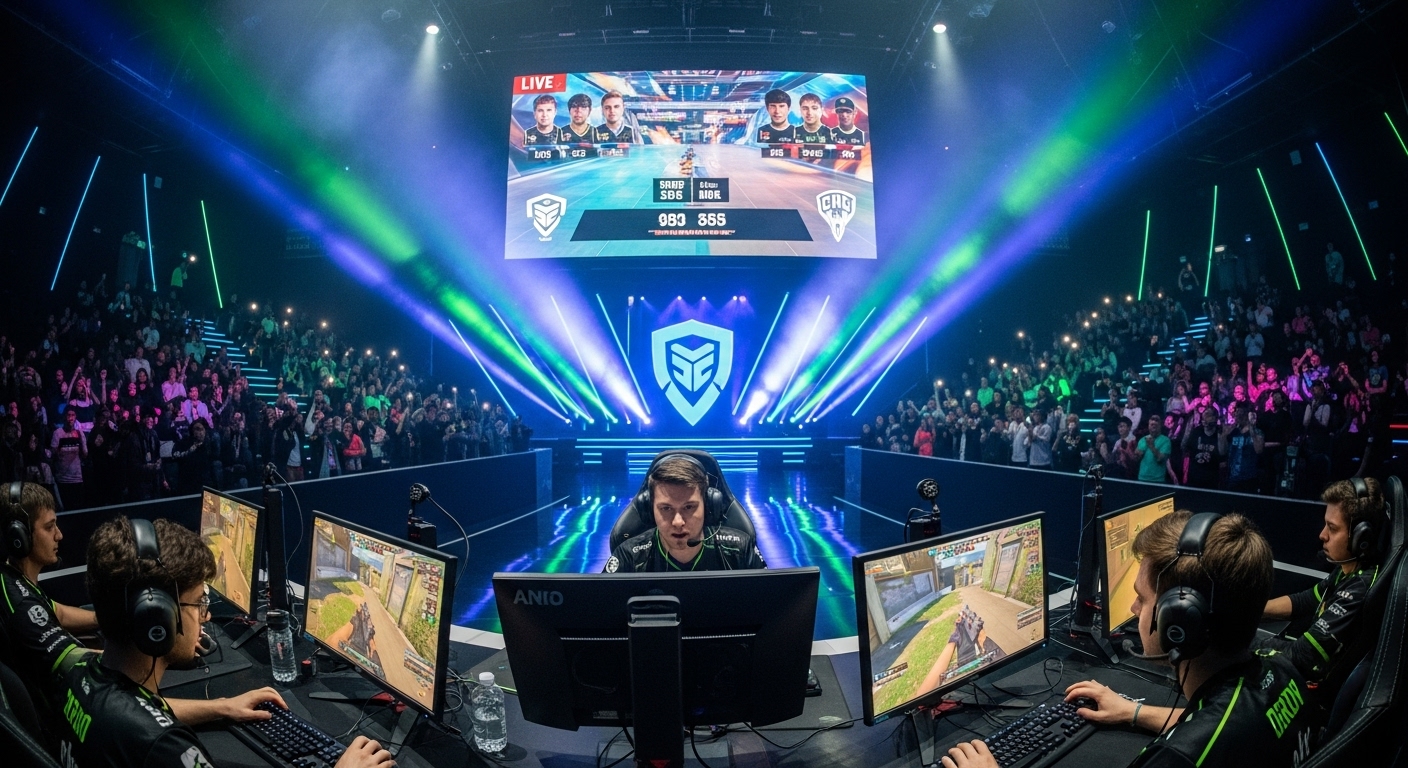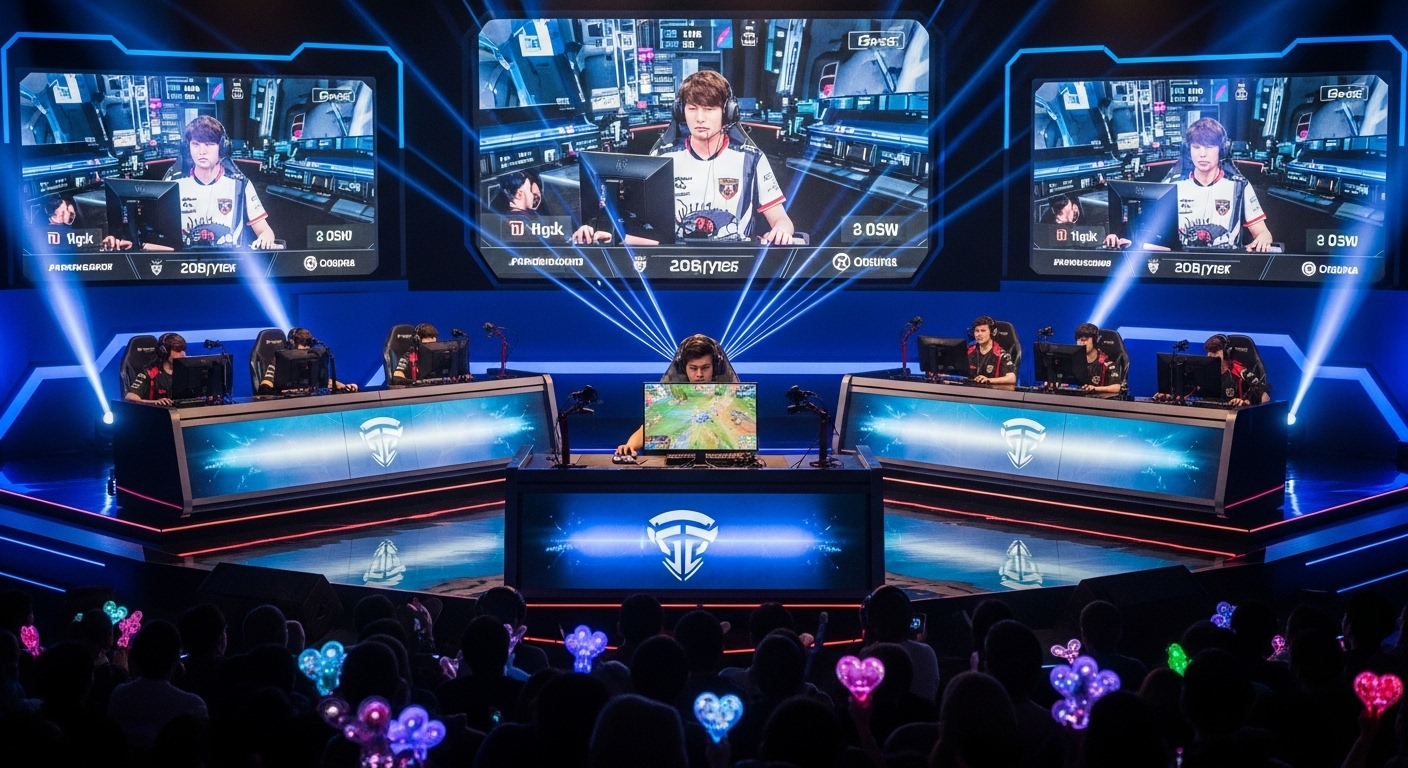
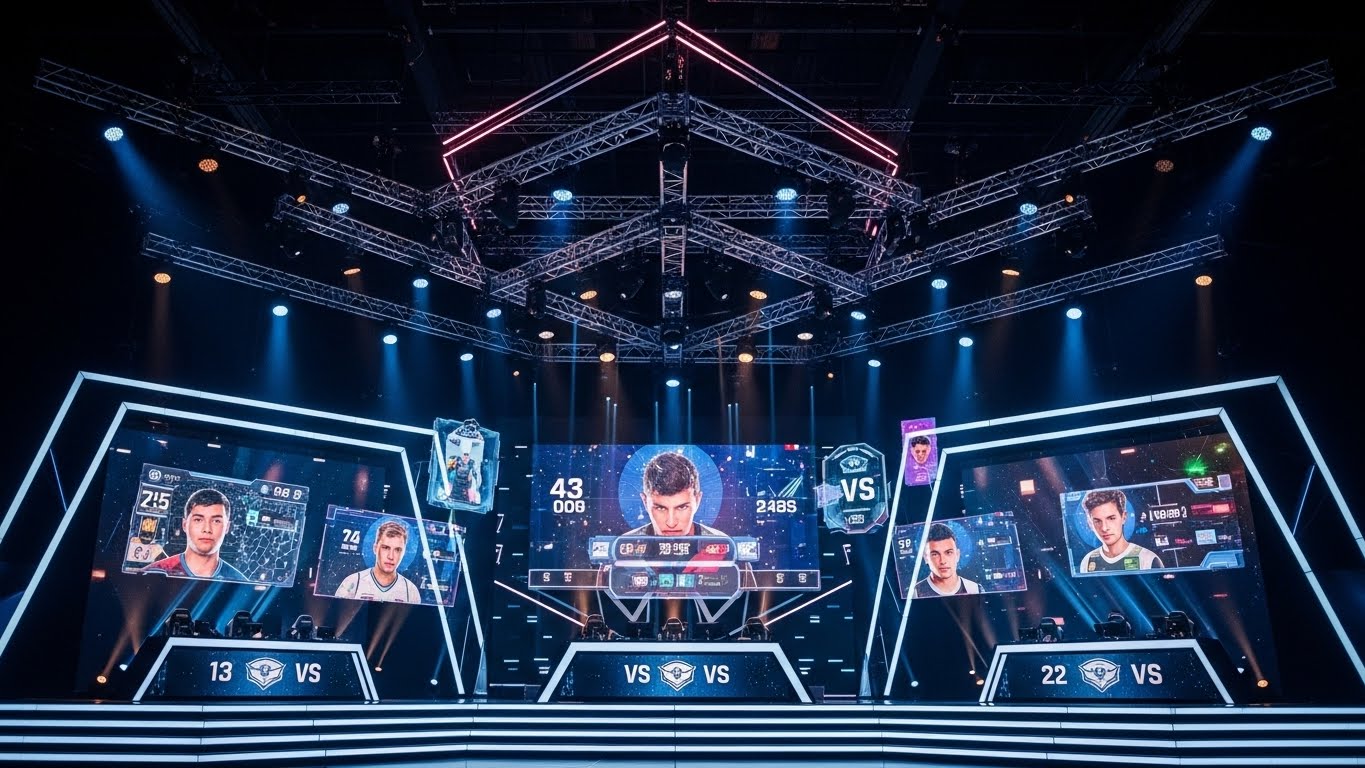
In the last decade, competitive gaming, once a niche hobby, has grown into a global phenomenon. Esports has transformed from casual gaming tournaments held in local arcades to massive, professionally organized events watched by millions worldwide. This rapid evolution reflects not just technological advancements but also cultural shifts in entertainment and sports consumption. This blog explores the rise, impact, and future of esports, delving into its cultural, economic, and technological dimensions.
The Birth of Competitive Gaming
Competitive gaming has roots that trace back to the 1970s, with early arcade tournaments like Space Invaders competitions capturing the imagination of gamers. However, the concept of esports as we know it truly began in the late 1990s with the proliferation of multiplayer PC games such as StarCraft and Counter-Strike. These games provided platforms for organized competition and fostered communities of passionate players who sought to test their skills against others.
During this time, local gaming tournaments began to gain popularity, and organizations dedicated to esports began to emerge. Players were no longer just competing for pride or local recognition; small prize pools began to attract attention and create incentives for serious competition. The foundation for professional esports was laid, marking the beginning of a new form of digital sports culture.
The Global Explosion of Esports
The 2000s and 2010s saw esports transition from local events to global competitions. Games like League of Legends, Dota 2, and Overwatch introduced structured professional leagues with global audiences. Online streaming platforms revolutionized the way fans engaged with esports, allowing viewers to watch live tournaments from anywhere in the world. Platforms that enabled live streaming created a direct connection between players and fans, driving unprecedented engagement and community-building.
Major esports events now attract audiences comparable to traditional sports. Tournaments such as The International in Dota 2 and the League of Legends World Championship boast prize pools in the tens of millions, drawing both casual viewers and dedicated fans. The international nature of esports has created a global culture where players and teams from different countries compete at the highest level, fostering a sense of worldwide community and competition.
Economic Impact of Esports
Esports is no longer just entertainment; it has become a multi-billion-dollar industry. Revenue streams include sponsorships, merchandise, media rights, ticket sales, and streaming subscriptions. Major brands, from technology companies to soft drink manufacturers, invest heavily in esports sponsorships, recognizing its potential to reach younger, digitally savvy audiences.
Professional esports teams operate like traditional sports franchises, employing coaches, analysts, and support staff to optimize performance. Players themselves are often contracted with salaries, performance bonuses, and endorsement deals. This financial ecosystem has created career opportunities that extend beyond playing games, including roles in broadcasting, event management, marketing, and game development.
Esports and Technology
Technology plays a pivotal role in shaping the esports industry. High-speed internet, advanced gaming hardware, and sophisticated streaming platforms have made competitive gaming accessible and engaging. Cloud gaming and mobile esports are further expanding the reach of competitive gaming, enabling players from remote regions to participate without needing expensive hardware setups.
Data analytics and artificial intelligence are also being leveraged to improve player performance and enhance spectator experiences. Teams use detailed analytics to understand player behavior, strategy efficiency, and opponent tendencies. On the spectator side, AI-driven overlays and in-game statistics enrich the viewing experience, making esports more immersive and comparable to traditional sports broadcasts.
Cultural Significance of Esports
Esports has had a profound impact on youth culture, redefining what it means to be a professional athlete in the digital age. Unlike traditional sports, esports celebrates mental agility, strategy, and reflexes over physical strength. It has also broken down barriers of geography, allowing global communities to form around shared gaming experiences.
The culture surrounding esports extends beyond gameplay. Cosplay, fan art, and online content creation contribute to vibrant fan communities. Educational institutions have even begun to recognize esports as a legitimate extracurricular activity, offering scholarships and training programs. This cultural shift reflects broader changes in how society views digital engagement and the value of strategic, skill-based entertainment.
Challenges Facing Esports
Despite its meteoric rise, esports faces several challenges that could shape its future. Player burnout is a significant concern, as professional gamers often endure intense training schedules and high-pressure competitions. Unlike traditional sports, esports players may have shorter careers due to the rapid evolution of games and shifting meta-strategies.
Regulation and governance also remain in flux. The lack of standardized rules across leagues and tournaments can lead to disputes and inconsistent competitive standards. Additionally, issues such as online harassment, cheating, and exploitation require ongoing attention to maintain a safe and fair environment for both players and fans.
The Role of Streaming and Content Creation
Streaming platforms have become central to esports culture. Platforms not only broadcast tournaments but also allow players to build personal brands and engage with fans directly. This interactivity fosters loyalty and community engagement in ways traditional sports cannot match. Content creators and influencers have become critical ambassadors for esports, shaping trends, promoting games, and inspiring new generations of players.
Beyond professional play, streaming has enabled casual gamers to participate in the esports ecosystem. Amateur tournaments, charity streams, and social gaming events provide pathways for enthusiasts to contribute to the culture and economy of esports, creating a multi-layered ecosystem that blends professional and community-driven experiences.
Esports in Education and Career Opportunities
The recognition of esports as a legitimate field has extended into education. Universities and high schools now offer esports programs, scholarships, and training facilities. These programs teach strategic thinking, teamwork, and digital literacy, equipping students with skills applicable both inside and outside gaming.
Career opportunities in esports are diverse. Beyond competitive play, the industry employs analysts, broadcasters, game developers, event coordinators, marketers, and psychologists. The growth of esports has also encouraged entrepreneurship, with startups emerging to develop tools, platforms, and services catering to the gaming community.
The Future of Esports
The future of esports looks promising, with continued growth expected in both audience size and industry revenue. Virtual reality (VR) and augmented reality (AR) could transform competitive gaming by offering immersive experiences that bridge the gap between digital and physical interaction. Mobile esports, particularly in regions like Southeast Asia, is poised to become a dominant force due to widespread smartphone accessibility.
Globalization will continue to shape esports, with emerging markets contributing fresh talent and expanding audiences. The integration of esports into mainstream media and traditional sports organizations suggests that it will no longer exist in a separate digital niche but as a fully recognized part of the sports and entertainment landscape.
Conclusion
Esports has evolved from a hobbyist activity into a complex, global industry with cultural, economic, and technological significance. It challenges traditional notions of sports, redefines career paths, and connects communities across the world. While it faces challenges such as player burnout, regulatory issues, and rapid technological change, its trajectory shows that competitive gaming is here to stay.
The rise of esports is more than just a trend—it represents a transformation in how people engage with competition, entertainment, and technology. As audiences grow and the industry matures, esports will continue to shape culture, inspire innovation, and redefine what it means to be an athlete in the digital age. Whether you are a player, fan, or entrepreneur, the world of esports offers endless opportunities to participate in a vibrant, evolving phenomenon that extends far beyond the screen.