Introduction: The Digital Arena Comes Alive
Esports, or competitive video gaming, has transcended the realm of casual entertainment to become a global phenomenon, captivating millions of fans worldwide. What once was dismissed as a niche hobby is now a multibillion-dollar industry, with professional players, large-scale tournaments, and dedicated fan bases rivaling traditional sports. The rise of esports reflects not only technological advancement but also the evolution of human interaction, competition, and entertainment in the digital age. From bedroom gamers to global icons, the esports journey is a testament to passion, skill, and innovation.
The Origins of Competitive Gaming
The story of esports begins decades ago, long before massive stadiums and live broadcasts. In the 1970s and 1980s, video games like Space Invaders and Pac-Man sparked competitive interest, leading to early arcade tournaments. These early competitions laid the groundwork for modern esports by demonstrating that gaming could be more than just a pastime; it could be a structured, competitive activity. By the 1990s, with the rise of home consoles and PC gaming, titles like Street Fighter, StarCraft, and Quake became staples of competitive play. Communities formed around local tournaments and LAN parties, creating a foundation for the organized esports scene we see today.
The Explosion of Esports in the Digital Era
The 2000s marked a turning point for esports with the advent of high-speed internet and streaming platforms. Online connectivity allowed players to compete globally, breaking geographic barriers. Games like Counter-Strike, Dota, and League of Legends became central to this transformation, with massive player bases and organized leagues emerging. Streaming platforms enabled fans to watch their favorite players live, transforming esports into a spectator sport. This digital accessibility fueled rapid growth, turning esports into a viable career path and attracting investment from major corporations. The rise of professional teams, sponsorships, and tournament circuits mirrored the structure of traditional sports, further legitimizing esports in mainstream culture.
Esports as a Career Path
Once considered a hobby, esports now offers diverse career opportunities. Professional players dedicate years to honing their skills, often starting in their teens. Esports athletes are supported by coaches, analysts, and managers who help optimize performance. Beyond players, the industry employs event organizers, broadcasters, content creators, and marketing specialists. These roles highlight the multifaceted nature of esports and its impact on the economy. Success in esports requires discipline, strategic thinking, and adaptability, proving that gaming can develop skills valuable in many professional contexts.
The Cultural Impact of Esports
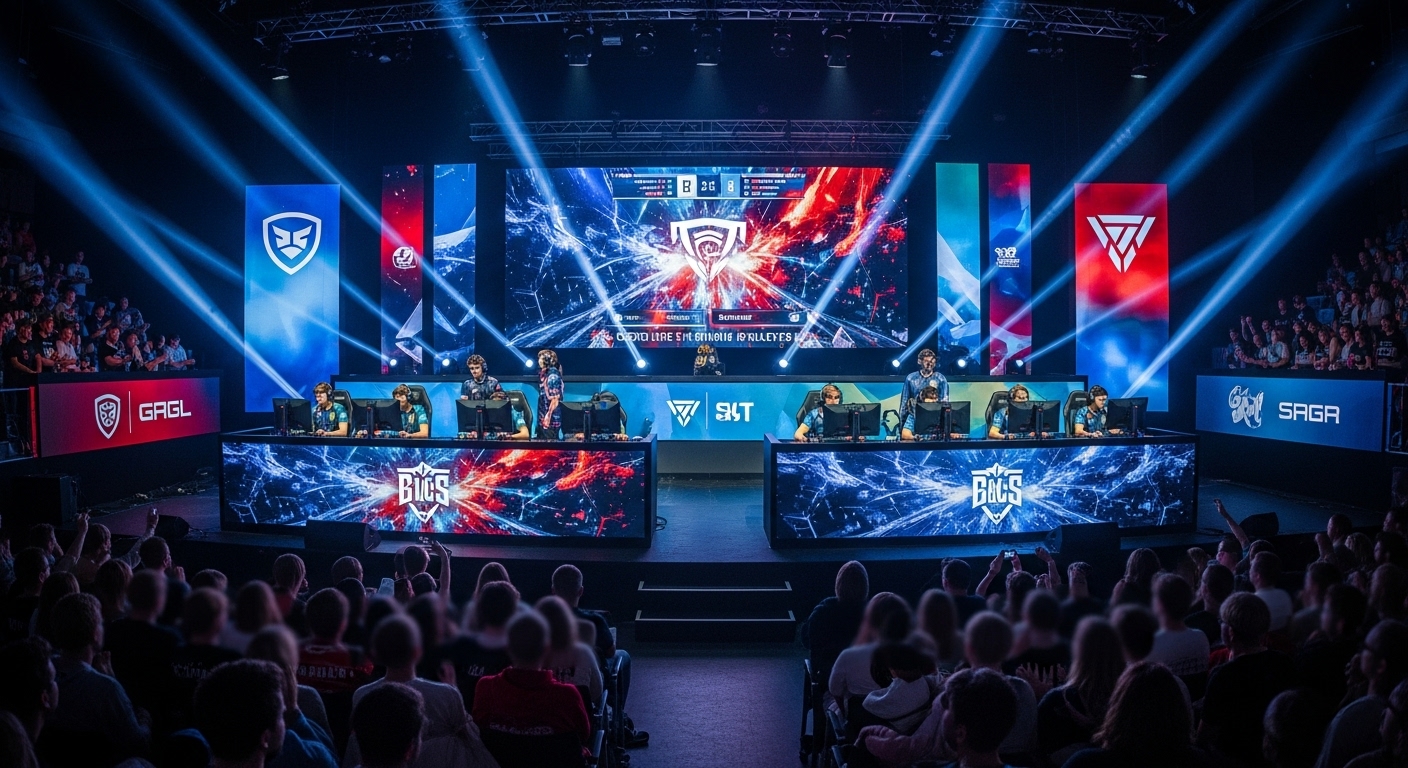
Esports is not just about competition; it is a cultural movement. It has reshaped how communities form, how entertainment is consumed, and even how brands interact with audiences. Fans gather in stadiums, watch live streams, and engage on social media, creating vibrant, interactive communities. Esports tournaments often feature elaborate productions, combining music, light shows, and commentary to enhance the spectator experience. This fusion of technology, entertainment, and social interaction has influenced mainstream culture, with esports personalities becoming influencers and role models. The impact extends to education as well, with universities offering scholarships and courses in esports management, game design, and digital media.
Major Esports Titles and Their Influence
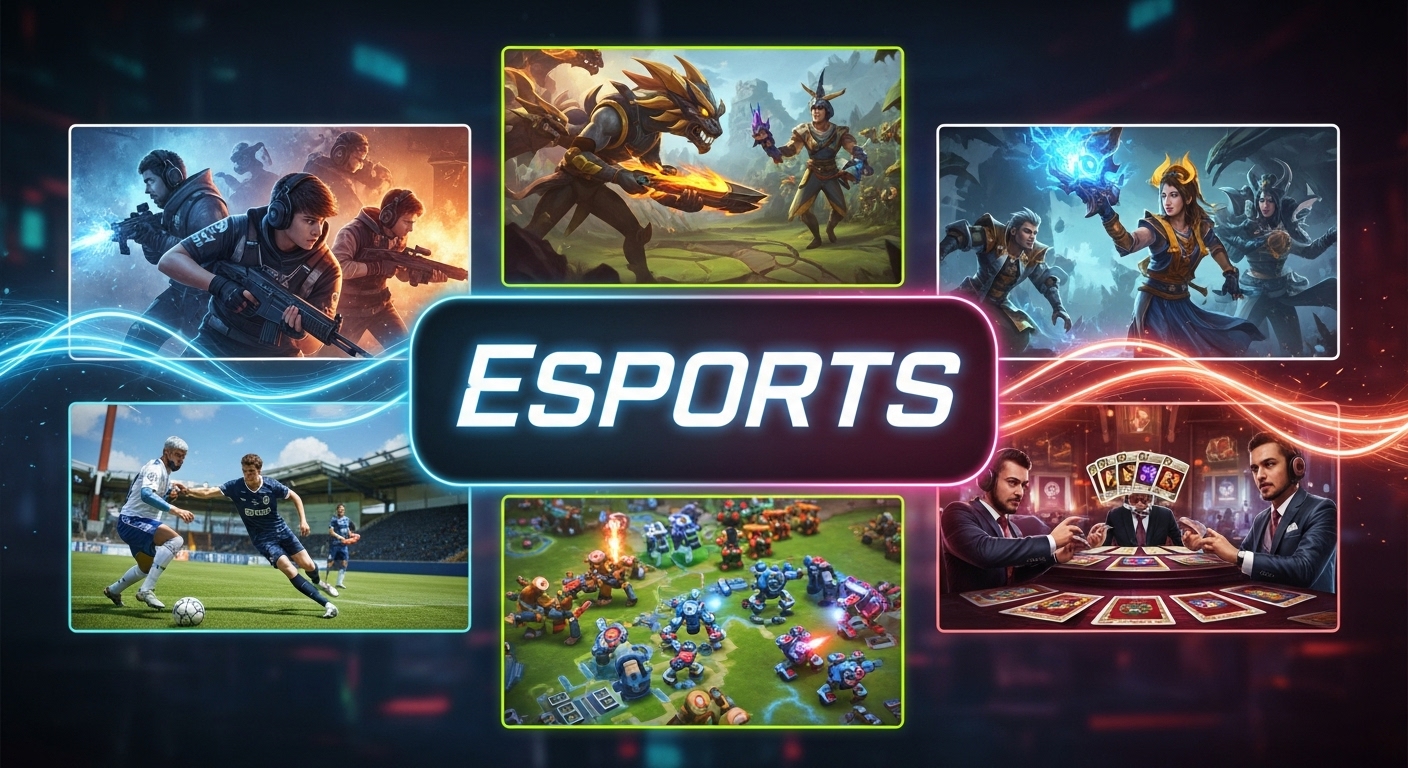
Certain games have played pivotal roles in shaping esports. League of Legends, with its structured professional league system, has been a flagship title, attracting millions of viewers and offering substantial prize pools. Dota 2 is known for its record-breaking tournament prizes, highlighting the financial potential of competitive gaming. First-person shooters like Counter-Strike and Overwatch emphasize teamwork, reflexes, and strategy, appealing to both players and spectators. Battle royale games, such as Fortnite and Apex Legends, have introduced dynamic, high-stakes gameplay that captivates a younger demographic. Each title brings unique mechanics and strategies, contributing to the diversity and richness of the esports ecosystem.
The Economics of Esports
The financial landscape of esports is staggering. Revenue streams include sponsorships, advertising, media rights, merchandise, and ticket sales for live events. Major tournaments offer multi-million-dollar prize pools, attracting elite talent and global attention. Sponsors range from tech companies to consumer brands, eager to reach highly engaged, digitally native audiences. The economic impact is not limited to large organizations; smaller teams, streaming influencers, and content creators also generate income through ad revenue and fan support. The growth of esports has stimulated job creation, technological development, and local economies where events are hosted.
Esports and Technology
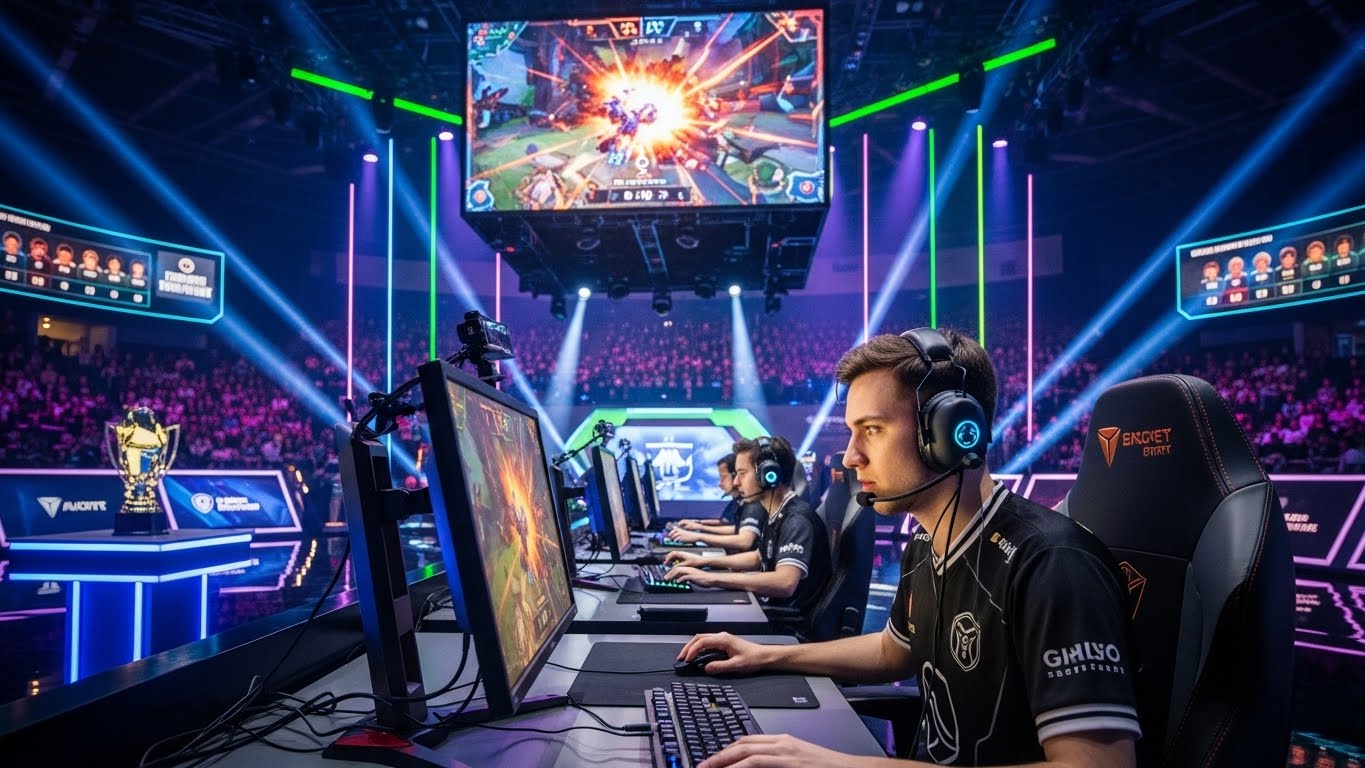
Technology is the backbone of esports. High-performance gaming hardware, powerful graphics cards, and ultra-fast internet connections are essential for competitive play. Innovations in streaming technology have allowed fans to watch games live, interact with players, and even participate in virtual tournaments. Artificial intelligence and data analytics are increasingly used to study player performance, predict strategies, and enhance training programs. Virtual reality and augmented reality are also beginning to make inroads, offering immersive experiences that could redefine both playing and spectating. Technology not only enables esports but also drives continuous innovation in the broader gaming and entertainment industries.
Challenges Facing the Esports Industry
Despite its rapid growth, esports faces several challenges. Player burnout is a significant issue, as professional gamers often endure long hours of practice and high-pressure competition. Mental health concerns, including stress and anxiety, are prevalent in the industry. Regulatory issues also arise, such as inconsistent rules across leagues and concerns over fair play, cheating, and doping. Additionally, there is ongoing debate about inclusivity and gender representation, as women and minority players remain underrepresented in top-tier competitions. Addressing these challenges is crucial for the sustainable growth of esports and the well-being of its participants.
The Future of Esports
The future of esports is bright and filled with potential. Emerging technologies like virtual reality, cloud gaming, and AI-driven analytics are poised to enhance gameplay and spectator engagement. Esports may increasingly merge with traditional sports, offering hybrid experiences that blend physical and digital competition. Global expansion into emerging markets will continue to increase accessibility and diversity among players and fans. Educational programs and professional development initiatives are likely to further legitimize esports as a career path, attracting talent from a broader range of disciplines. As technology, culture, and entertainment continue to converge, esports is set to remain at the forefront of digital innovation and global entertainment.
Conclusion: More Than a Game
Esports represents a paradigm shift in how people play, watch, and engage with games. It is more than a pastime; it is a global cultural force, a career opportunity, and a technological frontier. The rise of esports reflects human ingenuity, the desire for connection, and the thrill of competition. From humble beginnings in arcades to massive international tournaments, esports has transformed into an industry that rivals traditional sports in scale, professionalism, and passion. As we look to the future, esports will continue to push boundaries, inspiring new generations of players, fans, and innovators. The digital arena has arrived, and its impact is only beginning to be understood.