Introduction: The Rise of a Digital Sporting Phenomenon
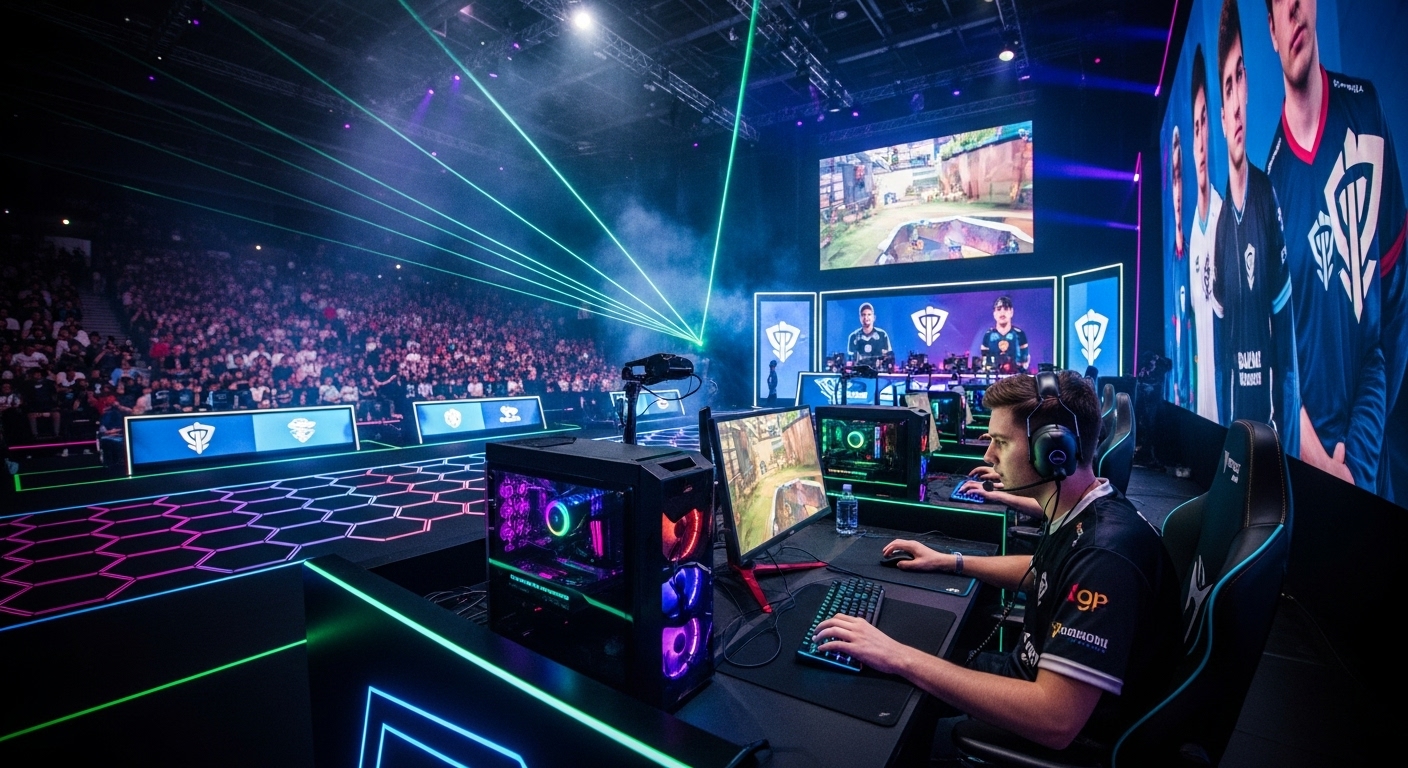
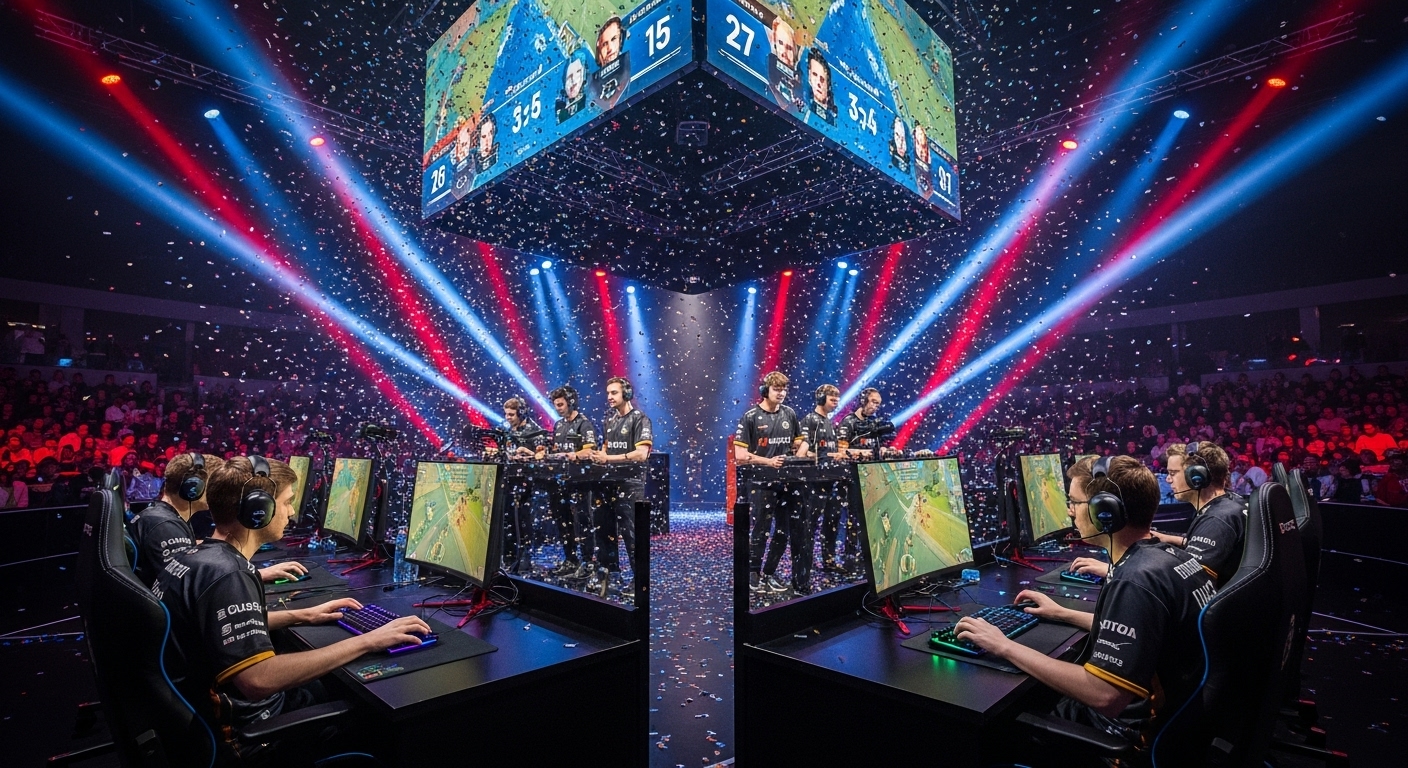
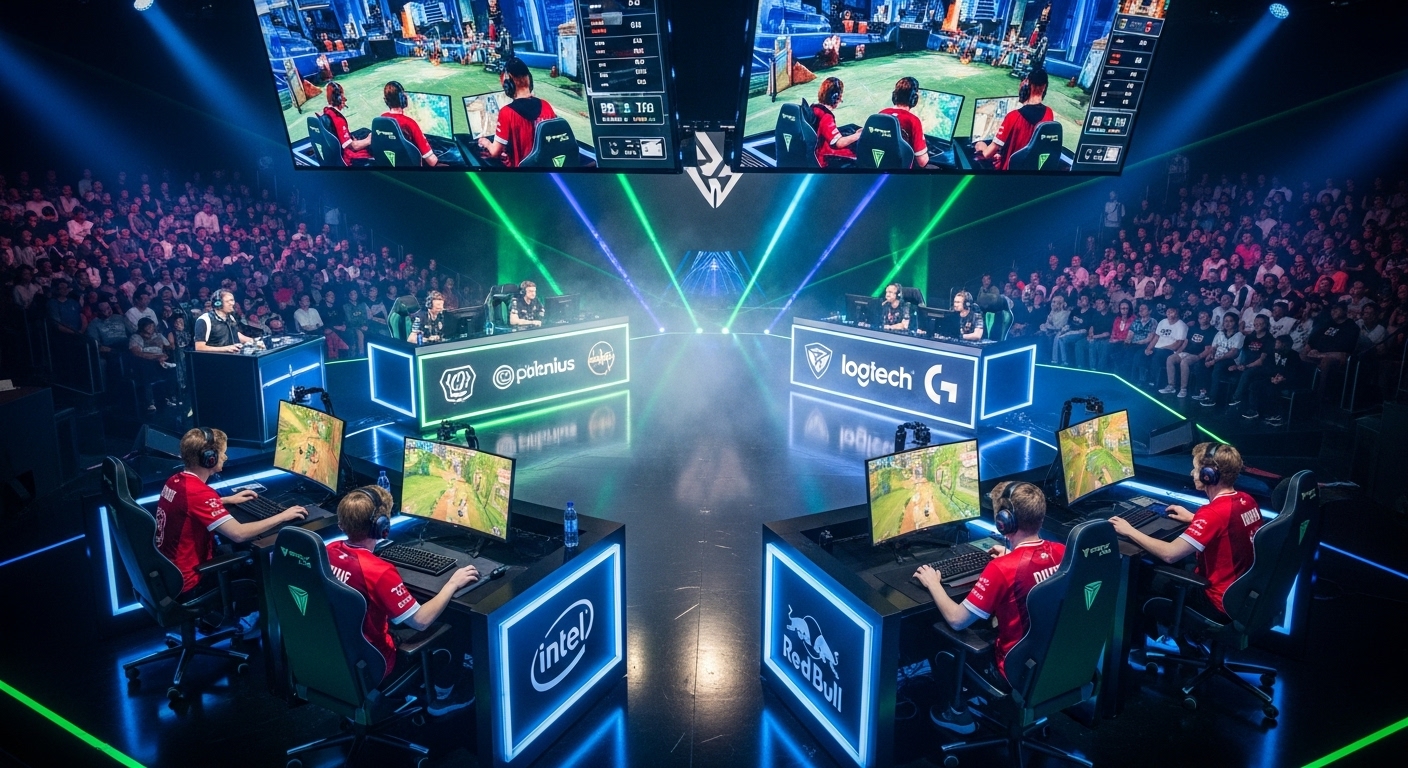
Esports, or competitive gaming, has evolved from niche hobby to a global powerhouse in less than two decades. What began as casual gaming among friends has transformed into a professional industry attracting millions of players, fans, and investors worldwide. With international tournaments, professional teams, sponsorships, and streaming platforms, esports has become a legitimate arena of competition, community, and cultural influence.
This blog explores the fascinating world of esports, its impact on players and fans, its economic significance, its technological foundations, and the opportunities it creates in modern society.
The Origins and Evolution of Esports
The origins of competitive gaming trace back to the late 1970s and early 1980s when arcade competitions and early home console tournaments emerged. Games like Space Invaders and Pac-Man allowed players to compete for high scores, but it was the internet and personal computers in the 1990s that laid the foundation for modern esports.
Games such as StarCraft, Counter-Strike, and Warcraft sparked professional tournaments, particularly in South Korea, which became a global hub for esports culture. The 2000s saw the rise of live streaming platforms, making it possible for audiences worldwide to watch competitive gaming in real time. Today, esports encompasses a variety of genres including first-person shooters, multiplayer online battle arenas, strategy games, and sports simulations, each with dedicated players, teams, and tournaments.
Why Esports Captivates Players and Fans
Esports appeals to both participants and spectators for several reasons. For players, it offers a platform to demonstrate skill, strategy, and reflexes. Competitive gaming requires sharp thinking, adaptability, and teamwork. The satisfaction of improving one’s abilities and winning matches fuels dedication and passion.
For fans, esports delivers excitement, engagement, and community. Spectators can watch professional players compete at the highest level, often engaging in real-time discussions on streaming platforms or social media. The interactive nature of esports fosters a sense of belonging, connecting millions of individuals around shared enthusiasm. Unlike traditional sports, esports allows fans to experience a deeper level of engagement through direct interaction, digital content, and fan communities.
Professionalization and Career Opportunities in Esports
Esports has become a fully professional industry with structured career paths. Top players sign contracts, receive salaries, and compete in leagues and tournaments offering substantial prize pools. Beyond athletes, careers exist in coaching, analysis, broadcasting, event management, and content creation.
Universities and colleges now offer scholarships for esports athletes, recognizing their skill and dedication. Professional teams invest in state-of-the-art training facilities, physical conditioning programs, and performance psychology, treating esports with the same professionalism as traditional sports. The industry provides viable career options, combining passion for gaming with real-world opportunities for growth and financial success.
Cognitive and Mental Benefits of Esports
Competitive gaming enhances a range of cognitive skills. Players develop strategic thinking, problem-solving, memory, and multitasking abilities. The fast-paced nature of esports requires quick decision-making and adaptability under pressure, promoting mental agility and focus.
Team-based games also encourage communication, collaboration, and leadership. Players learn to coordinate strategies, anticipate opponents’ moves, and adapt dynamically during matches. Beyond gaming, these cognitive and social skills translate into improved problem-solving, collaboration, and critical thinking in everyday life.
Building Global Communities Through Esports
Esports fosters global communities where players and fans connect across geographic and cultural boundaries. Online tournaments, forums, and streaming platforms allow interaction and collaboration among diverse audiences. This connectivity encourages friendships, mentorship, and mutual respect.
Unlike many traditional sports, esports is highly accessible. A computer, console, and internet connection can allow anyone to participate, regardless of physical ability or location. This inclusivity ensures that esports welcomes players and fans from all walks of life, making it a global phenomenon with social significance.
Economic Impact and Commercialization of Esports
Esports has become a multibillion-dollar industry. Revenue streams include sponsorships, advertising, ticket sales, merchandise, and media rights. Major tournaments attract global audiences, offering companies access to a young, tech-savvy demographic.
Content creation and streaming have also emerged as lucrative opportunities. Popular players and commentators monetize their gameplay through subscriptions, sponsorships, and fan engagement. Even local esports competitions generate economic activity through event organization, venues, and supporting services. The economic ecosystem around esports demonstrates its transformative potential, blending entertainment with commerce.
Technology as the Backbone of Esports
The growth of esports relies heavily on technology. High-performance computers, gaming consoles, peripherals, and fast internet connections enable seamless competitive play. Software innovations allow live streaming, data analytics, and performance tracking, enhancing both player experience and audience engagement.
Emerging technologies like virtual reality, augmented reality, and artificial intelligence are set to transform esports further. These tools can create immersive experiences, improve training methods, and elevate the spectator experience, pushing esports into the forefront of technological innovation in entertainment.
Health, Wellness, and Esports
While esports is often associated with sedentary activity, the professional industry increasingly emphasizes player health. Athletes work with trainers, nutritionists, and psychologists to maintain mental and physical well-being. Exercise, proper diet, and rest are essential to sustain performance and prevent burnout.
Balanced lifestyles are crucial, particularly for aspiring players, to ensure esports remains a healthy and sustainable pursuit. Mental health awareness is growing in the community, highlighting the importance of psychological resilience in a highly competitive and fast-paced environment.
Challenges in the Esports Industry
Despite its growth, esports faces several challenges. Player burnout and mental health pressures are significant issues due to rigorous practice schedules and competition stress. Toxic behavior in online communities and lack of standardization in regulations can also affect the integrity and appeal of esports.
Accessibility remains a concern in regions with limited infrastructure or financial resources. Addressing these challenges requires responsible industry practices, community moderation, and continued investment in health, education, and equitable opportunities for players.
Esports and Popular Culture
Esports has significantly influenced popular culture. It has created celebrities, inspired music, fashion, and digital content, and influenced entertainment trends. Major tournaments are now multimedia spectacles, blending gaming with music, storytelling, and interactive experiences.
Moreover, esports challenges traditional definitions of athleticism, emphasizing mental skill, strategy, and reflexes alongside physical ability. This evolution broadens the perception of sports and competition, reflecting the changing landscape of entertainment and leisure in the digital age.
The Future of Esports
The future of esports is poised for continued expansion. International tournaments will grow in scale, prize money, and viewership. Technological advancements such as virtual reality, artificial intelligence, and enhanced streaming will redefine gameplay and spectator experiences.
Youth engagement and education will remain crucial. Structured programs, scholarships, and professional pathways will enable aspiring players to pursue esports as a viable career. Inclusivity and diversity will continue to shape the industry, ensuring that players from all backgrounds can participate and thrive. Esports is no longer a passing trend; it is a lasting pillar of entertainment, culture, and opportunity.
Conclusion: Esports as a Transformative Force
Esports has revolutionized the way we view competition, community, and entertainment. It empowers individuals, fosters global connections, and creates economic and professional opportunities. More than just a game, esports combines skill, strategy, and innovation, offering a platform for creativity, collaboration, and achievement.
As esports continues to grow, it will redefine modern entertainment, inspire new generations of players, and strengthen global communities. It is a testament to how digital technology and human creativity can converge to create a transformative and inclusive form of competition. For millions around the world, esports is not just play—it is a lifestyle, a career, and a powerful cultural movement.