Introduction
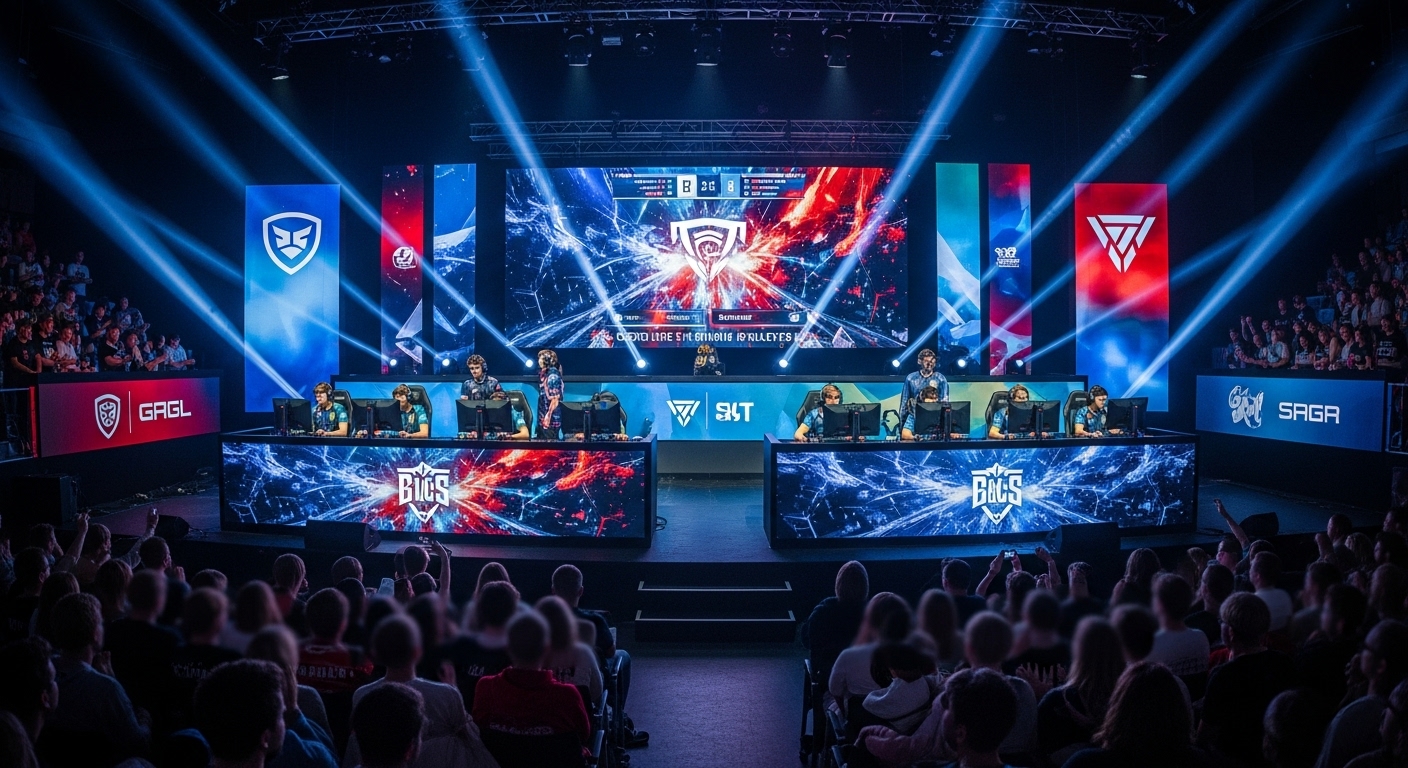
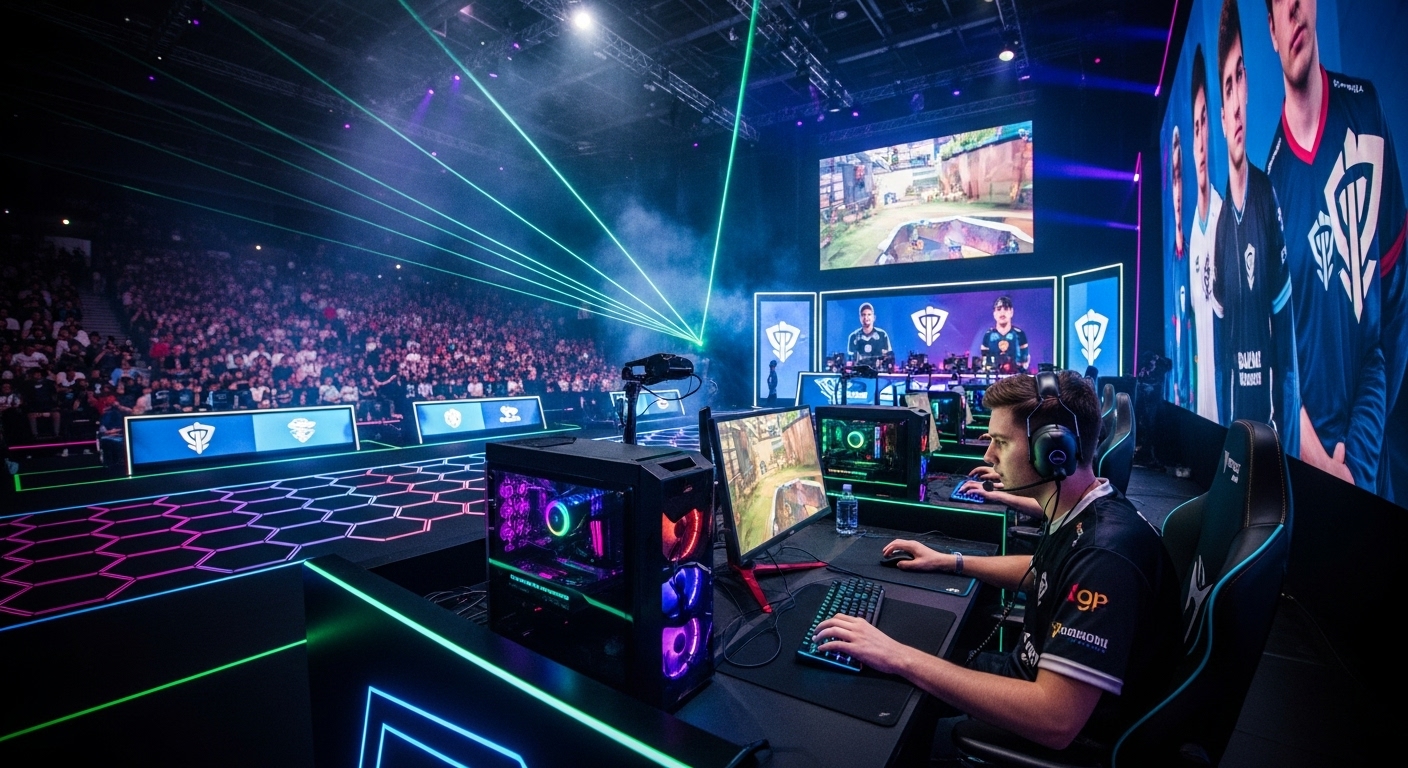
Esports, or competitive gaming, has transformed from a niche hobby into a global phenomenon. Millions of players and spectators engage daily in digital competitions, making esports one of the fastest-growing entertainment industries in the world. The rise of streaming platforms, professional leagues, and international tournaments has elevated gaming from casual recreation to a legitimate career path and cultural force. This blog explores the history, growth, impact, and future of esports, revealing why competitive gaming has become an integral part of modern society.
The Origins of Esports
The concept of esports dates back to the late 20th century, when arcade games and early console competitions sparked local interest. Tournaments for titles such as Pac-Man, Space Invaders, and early fighting games allowed players to compete for high scores and recognition.
The 1990s introduced online multiplayer games like Quake, StarCraft, and Counter-Strike, which expanded the competitive landscape. Gamers could now challenge opponents across networks, forming rivalries and communities that transcended physical boundaries. These early online competitions laid the foundation for modern esports, emphasizing skill, strategy, and collaboration.
The Explosion of Esports as an Industry
In the 2000s and beyond, esports evolved into a professionalized industry. Organized leagues, structured competitions, and sponsorships became commonplace. Popular titles like League of Legends, Dota 2, Fortnite, and Call of Duty attracted global audiences and multi-million-dollar prize pools.
Esports organizations emerged, hiring coaches, analysts, and managers to guide players and teams. Streaming platforms like Twitch and YouTube Gaming allowed fans to watch live competitions, interact with players, and engage with communities worldwide. This professionalization transformed competitive gaming into a legitimate career path, where players earn salaries, sponsorships, and worldwide recognition.
Structure of Competitive Gaming
Esports tournaments are highly structured and demand rigorous preparation. Players train daily to refine mechanics, develop strategies, and maintain peak performance. Teams analyze opponents, practice communication, and adapt strategies to changing game dynamics.
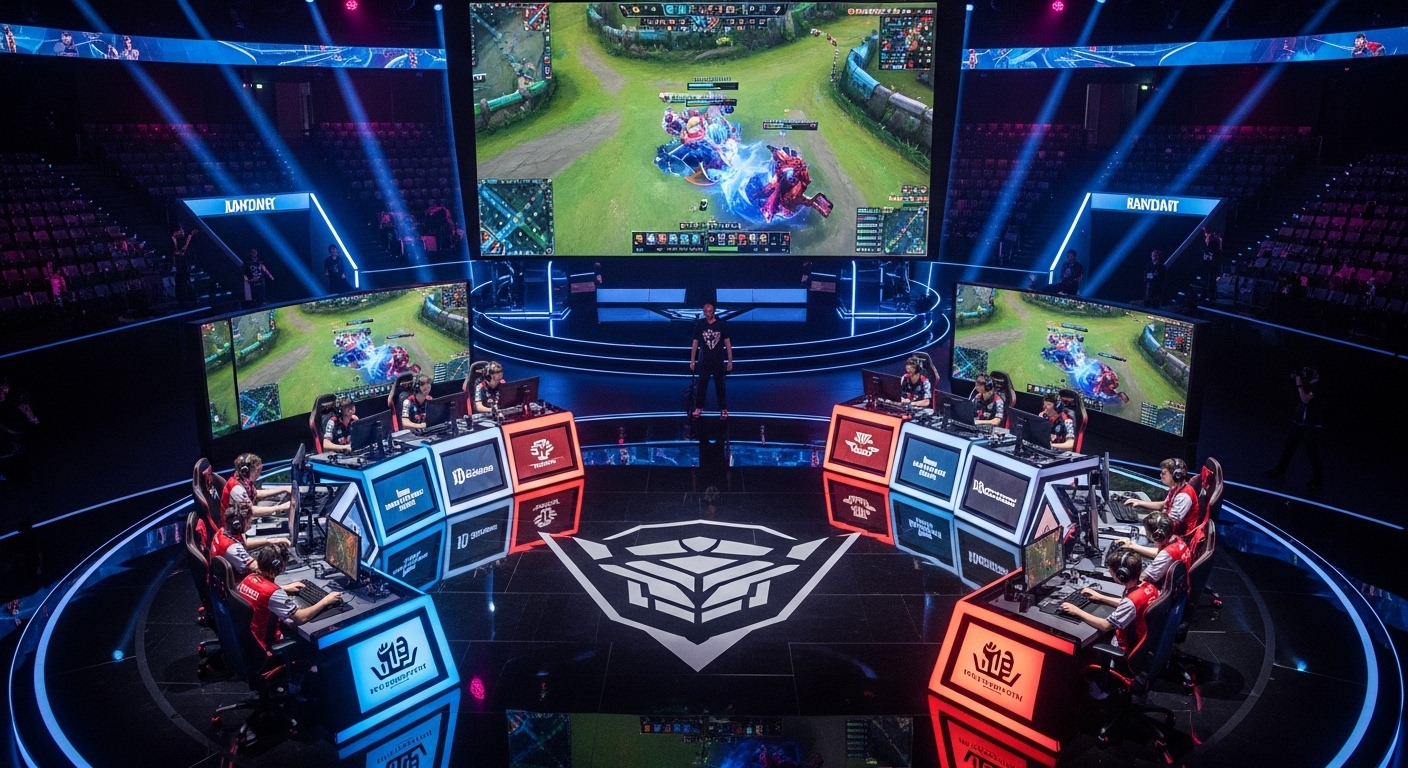
Games vary in format, with some emphasizing team-based strategies, like League of Legends, while others focus on individual skill, such as Hearthstone or Tekken. Regardless of the genre, competitive gaming requires precision, mental agility, and resilience. Success depends on consistent performance under pressure and the ability to adapt quickly to dynamic in-game situations.
The Role of Streaming and Digital Platforms
Streaming platforms are central to the growth of esports. Platforms like Twitch, YouTube Gaming, and others allow players to broadcast live gameplay to global audiences. Fans can watch tournaments in real time, engage with chat communities, and support their favorite players.
Streaming has created new revenue streams for professional gamers. Beyond tournament winnings, players earn income from subscriptions, donations, and sponsorship deals. Content creators, analysts, and commentators also contribute to the ecosystem, making esports a diverse industry with multiple career opportunities.
Esports and Global Communities
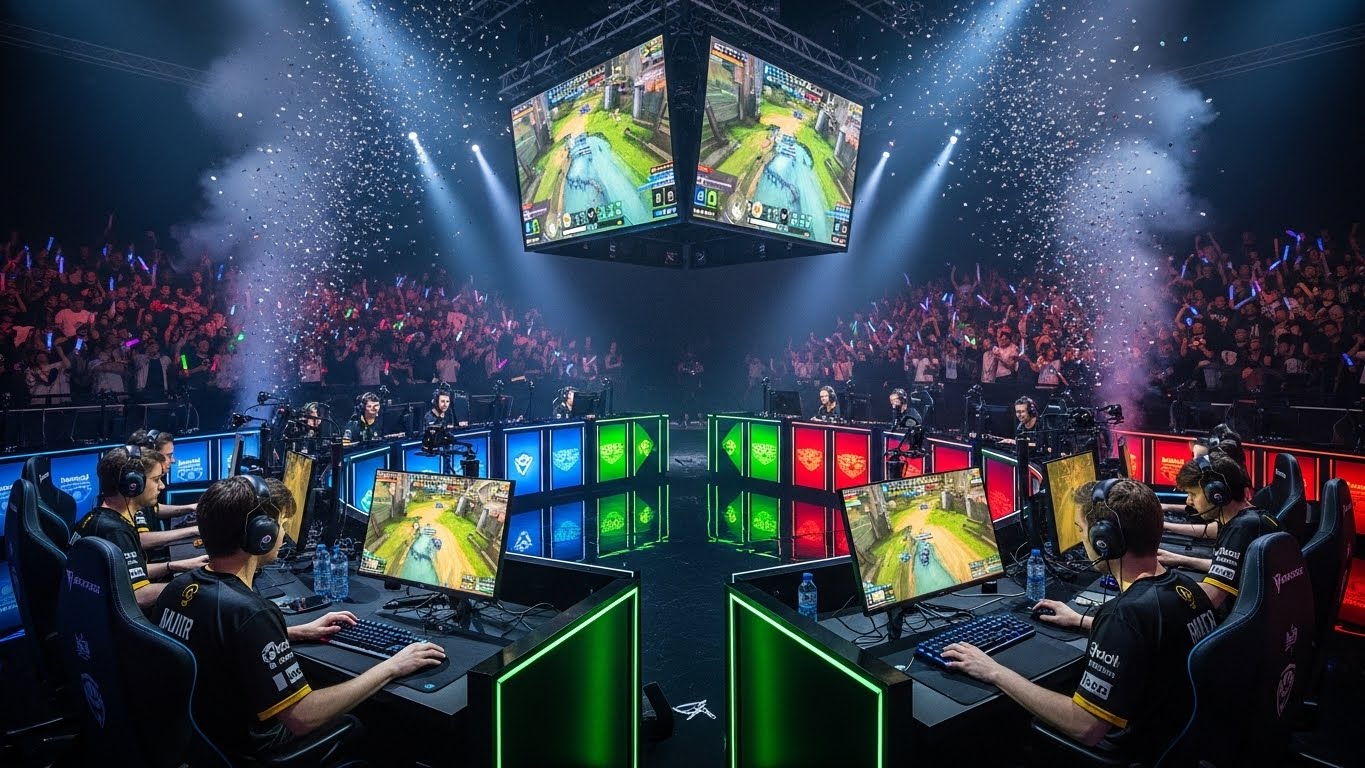
Esports transcends geographic boundaries, connecting players and fans worldwide. International tournaments bring together competitors from different countries, fostering cross-cultural interaction and appreciation. Online communities provide spaces for discussion, strategy sharing, and social bonding.
These communities often mirror traditional sports fandoms, with passionate supporters, fan art, and dedicated social media spaces. The global nature of esports encourages cultural exchange and highlights the unifying power of shared gaming experiences.
Mental and Physical Demands of Esports
While esports may appear less physically demanding than traditional sports, it requires intense mental focus and dexterity. Players must process information quickly, make rapid decisions, and anticipate opponents’ actions. The ability to stay calm under pressure is crucial for performance.
Many professional players also focus on physical fitness, recognizing that endurance, reflexes, and concentration are affected by overall health. Proper nutrition, exercise, and rest are incorporated into training routines to sustain peak performance during competitions. Esports requires a combination of cognitive skills, physical wellness, and psychological resilience.
Women in Esports
Historically male-dominated, esports is increasingly becoming inclusive of women. Female gamers compete professionally, stream content, and contribute to the growth of the industry. Initiatives promoting diversity and equality have created pathways for women to succeed at the highest levels.
Prominent female players act as role models, inspiring younger generations and encouraging broader participation. Their presence strengthens the esports ecosystem and demonstrates that competitive gaming is for everyone, regardless of gender.
Economic Impact of Esports
Esports contributes significantly to the global economy. Tournaments, sponsorships, merchandise, and media rights generate billions of dollars annually. Professional organizations create jobs in management, coaching, broadcasting, marketing, and event production.
The financial growth of esports reflects its status as a mainstream entertainment industry. Sponsorship deals and brand partnerships highlight the commercial potential, while streaming revenues create opportunities for independent content creators. Esports has become both a cultural and economic powerhouse.
Cultural Influence of Esports
Esports has become a cultural phenomenon, influencing media, fashion, and entertainment. Iconic players gain celebrity status, and memorable moments are shared widely through social media. Gaming terminology and strategies often permeate popular culture, shaping language and trends among younger generations.
Esports also contributes to education and personal development. Universities and colleges now offer scholarships and organized programs for competitive gaming, recognizing its potential to foster teamwork, leadership, and discipline. The cultural reach of esports demonstrates its significance beyond entertainment.
The Future of Esports
The future of esports is bright, driven by technological innovation and expanding accessibility. Virtual reality, augmented reality, and artificial intelligence will create immersive experiences for both players and spectators. Interactive viewing, personalized content, and global competitions will continue to evolve.
Esports will also become more inclusive, welcoming diverse players, communities, and regions. As the industry matures, it will continue to shape entertainment, redefine competition, and influence global culture. The growth of esports signals that gaming is not just a pastime—it is a transformative, dynamic phenomenon.
Conclusion
Esports represents the fusion of technology, skill, and culture. It has grown from small competitions to a global industry with professional players, massive audiences, and cultural significance. Beyond entertainment, esports promotes teamwork, strategic thinking, discipline, and social connectivity.
The rise of esports proves that competitive gaming is more than a hobby—it is a legitimate, influential force shaping the digital era. As technology advances and participation grows, esports will continue to inspire new generations, redefine competition, and leave a lasting impact on society.