Introduction: The Rise of a New Competitive Frontier
In recent years, the world of competitive gaming has undergone a radical transformation. What was once considered a casual pastime has now evolved into a full-fledged professional sport, with global tournaments, professional teams, and massive audiences. Esports, short for electronic sports, represents a phenomenon where video gaming meets high-level competition. Its growth has been fueled by advances in technology, widespread internet access, and a cultural shift in how society views gaming. This digital arena is not merely a form of entertainment; it has become a platform for athletes, entrepreneurs, and enthusiasts to showcase their skills, build communities, and generate substantial economic impact.
Understanding Esports: Beyond the Screen
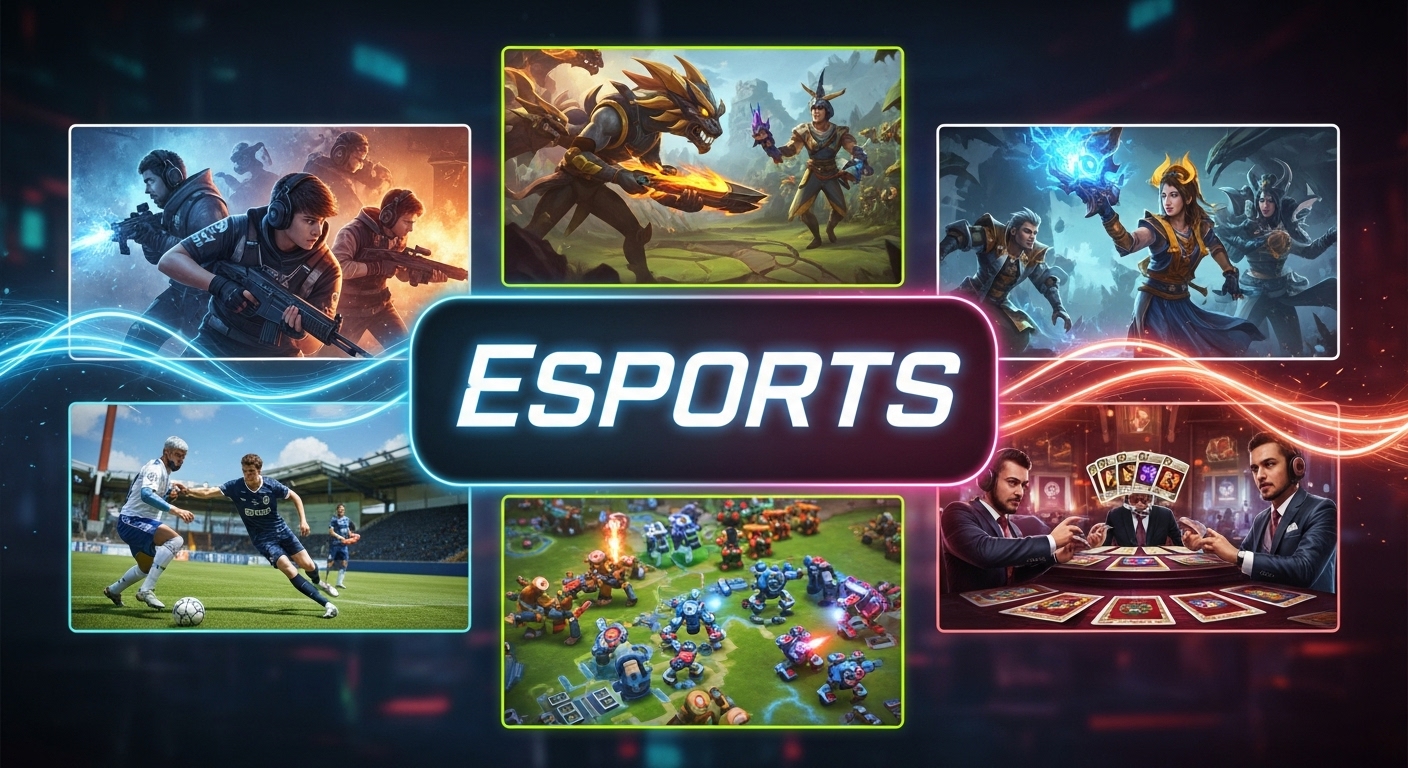
Esports encompasses a wide variety of video games played competitively. Unlike traditional sports that rely primarily on physical prowess, esports emphasizes strategic thinking, quick reflexes, teamwork, and mental stamina. Popular game genres include first-person shooters, multiplayer online battle arenas, real-time strategy games, and sports simulations. Each game demands unique skills and fosters a distinct competitive environment. For example, first-person shooters require precise aiming and split-second decision-making, while multiplayer online battle arenas like League of Legends or Dota 2 focus on strategic coordination and map awareness. Despite the differences, the common thread in esports is competition at the highest level, often in structured leagues or tournaments with substantial prizes.
The Professional Esports Ecosystem
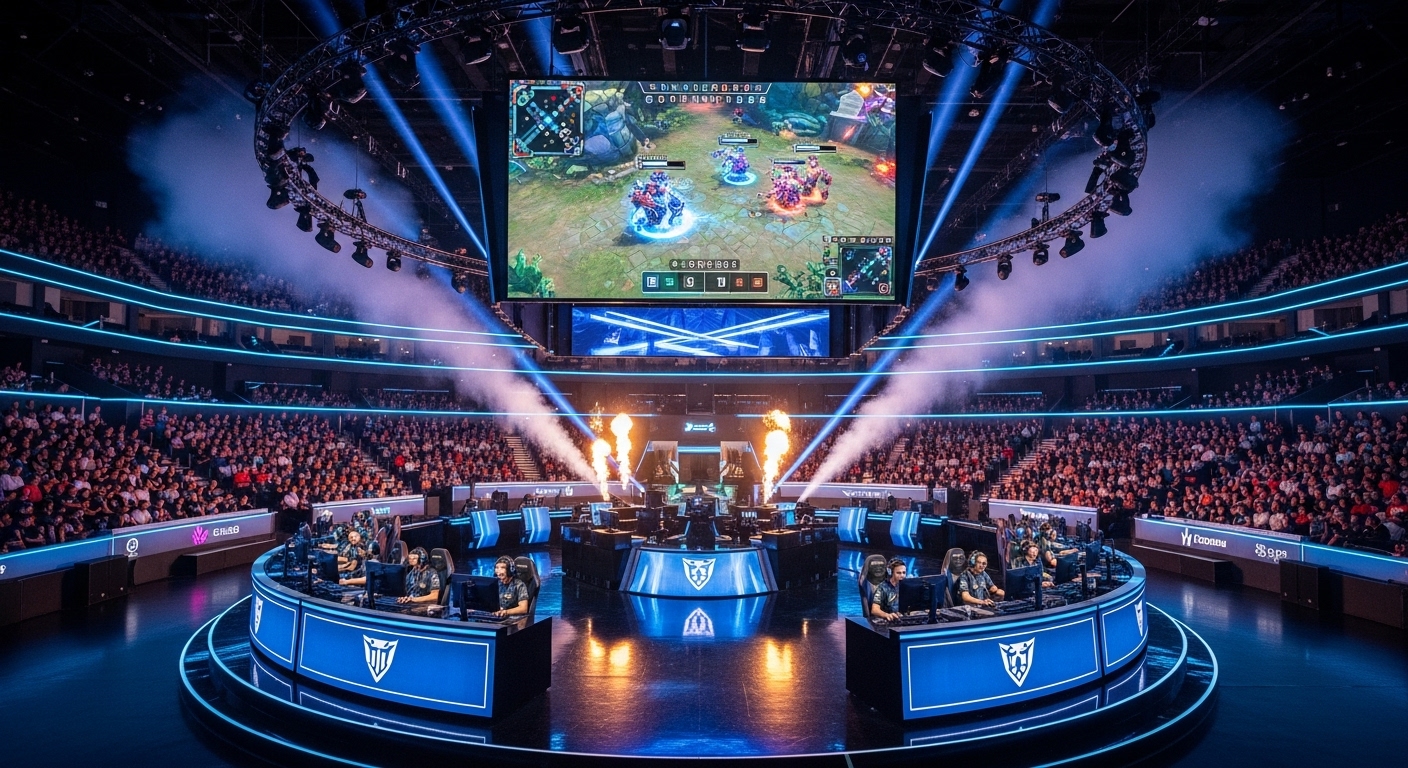
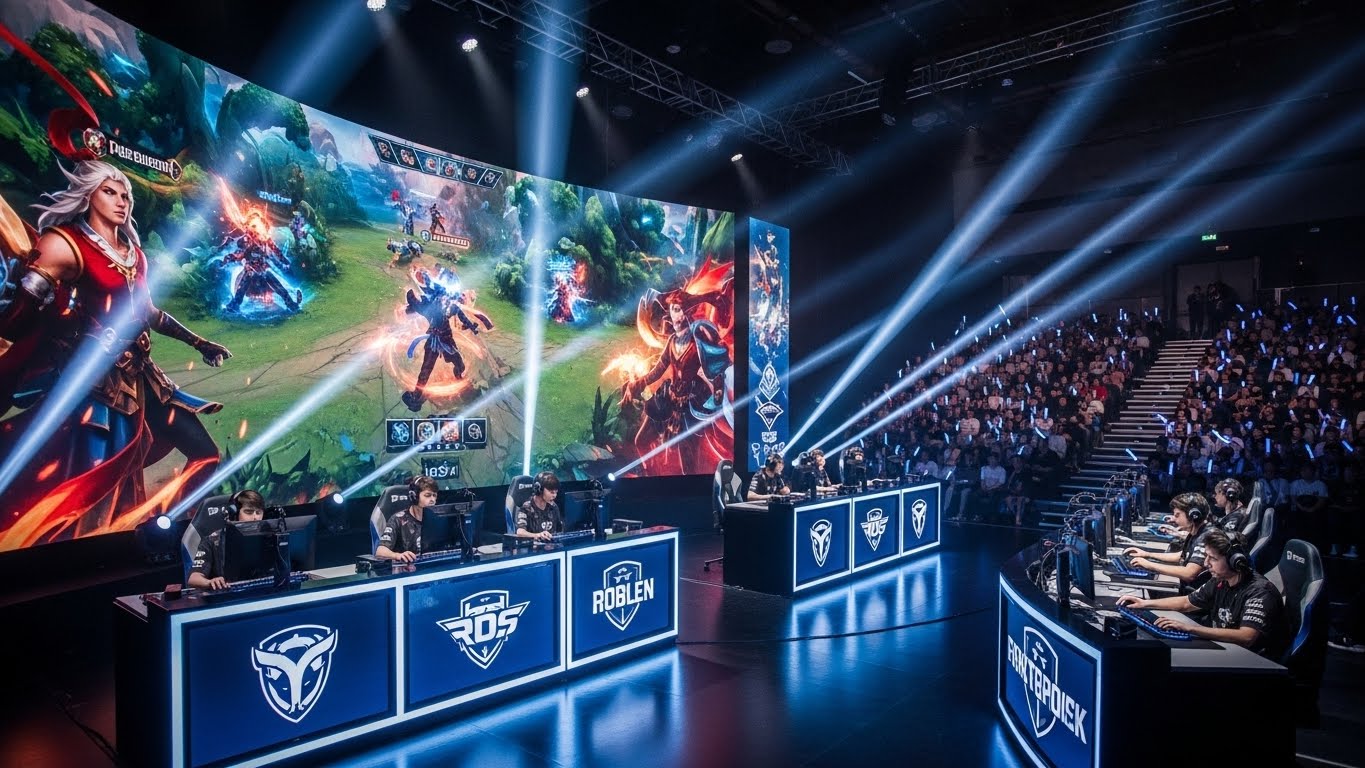
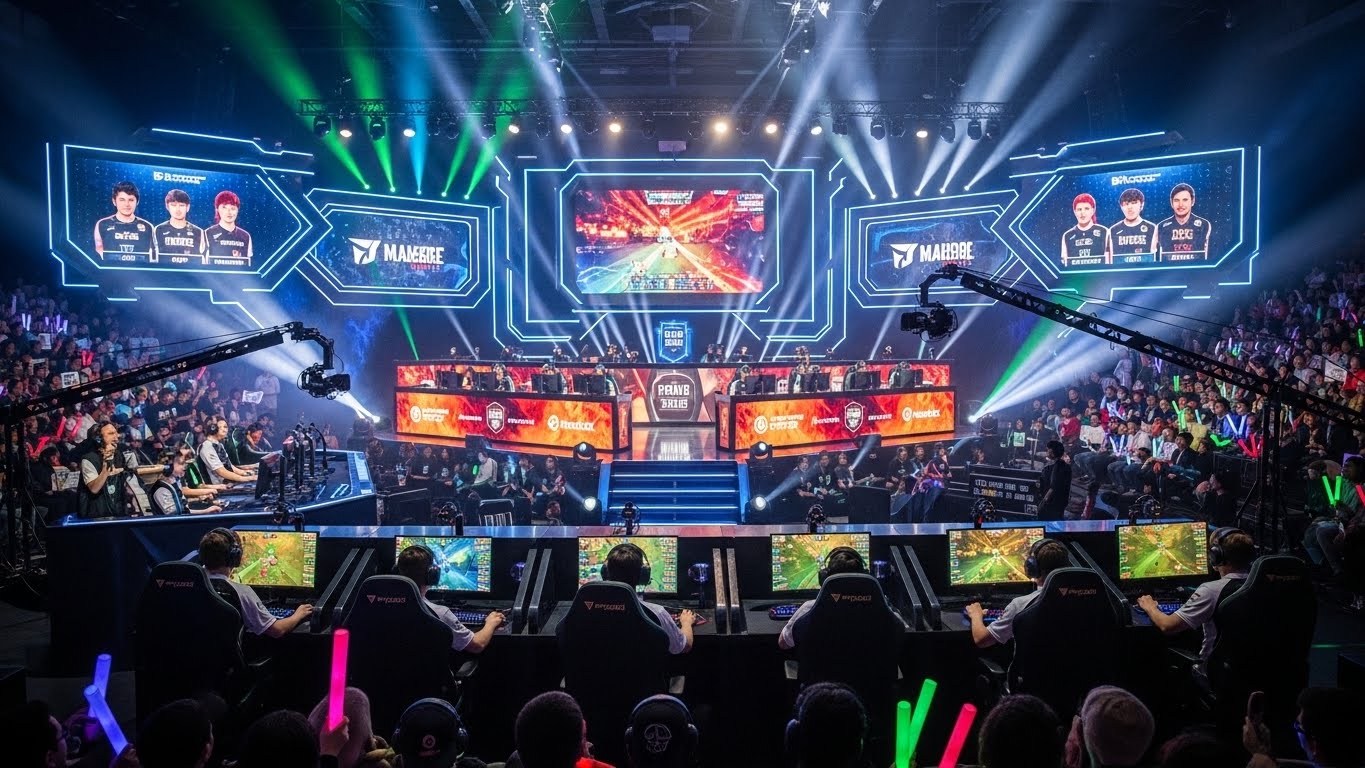
The professional esports ecosystem is surprisingly complex and mirrors traditional sports in many ways. Professional players often belong to teams sponsored by major brands, receive salaries, and participate in rigorous training schedules. Just like traditional athletes, they analyze strategies, review gameplay footage, and engage in regular practice sessions to maintain peak performance. Tournament organizers play a significant role, creating competitive circuits that culminate in international championships. These tournaments are held in large arenas or online, attracting millions of viewers who tune in through streaming platforms. Commentators and analysts, often referred to as “casters,” provide live commentary and insights, enhancing the spectator experience. In addition, esports organizations invest heavily in marketing, merchandising, and fan engagement, creating a comprehensive industry that extends far beyond the players themselves.
Economic Impact and Career Opportunities
The financial landscape of esports has expanded dramatically, generating billions of dollars annually. Revenue streams include sponsorships, advertising, media rights, merchandise sales, and prize pools. Major brands outside of gaming, such as beverage companies, apparel brands, and technology firms, actively sponsor esports teams and events, recognizing the potential to reach a young, engaged audience. For individuals, esports offers diverse career opportunities beyond playing professionally. Roles in game development, event management, broadcasting, coaching, analytics, and marketing all contribute to the industry’s growth. This multifaceted ecosystem ensures that esports is not just a hobby but a viable career path for those with a passion for gaming and technology.
Cultural Significance and Community Building
Esports has a profound cultural impact, reshaping how society perceives gaming. Once stigmatized as an activity for “nerds” or “loners,” competitive gaming is now celebrated for its skill, teamwork, and strategic depth. Esports communities thrive both online and offline, fostering friendships, mentorship, and collaboration. Social media platforms, forums, and live-streaming services allow fans to engage directly with players, discuss strategies, and share content. Local esports clubs and events further cultivate a sense of belonging, enabling players to connect with like-minded individuals. This cultural shift not only legitimizes gaming as a competitive pursuit but also strengthens the global gaming community, promoting inclusivity and collaboration.
Challenges Facing the Esports Industry
Despite its rapid growth, the esports industry faces several challenges that must be addressed for sustainable development. One major concern is player burnout, as professional gamers often endure long hours of practice and travel, leading to physical and mental health issues. Another challenge is regulation and governance. Unlike traditional sports, esports lacks standardized rules, oversight, and player unions, which can lead to disputes and inconsistent treatment of athletes. Additionally, the industry must address issues of diversity and representation, ensuring opportunities are available to players regardless of gender, race, or background. Overcoming these obstacles will be critical for esports to mature into a stable and respected global sport.
Technological Innovations Driving Growth
Technology plays a central role in the growth of esports. High-speed internet, advanced gaming hardware, and sophisticated streaming platforms have made it possible for players to compete at professional levels and for audiences to watch events in real time. Virtual reality and augmented reality technologies promise to create even more immersive experiences, both for players and viewers. Artificial intelligence tools assist in strategy analysis, game design, and content moderation, further enhancing the ecosystem. These innovations not only improve the quality of competition but also expand the reach of esports, attracting new fans and participants from diverse demographics worldwide.
The Global Appeal of Esports
Esports has a truly global footprint, with professional leagues and tournaments in every corner of the world. Countries such as South Korea, China, and the United States have emerged as hubs for competitive gaming, producing elite players and hosting major events. However, esports’ appeal is universal, transcending cultural and geographic boundaries. Online competitions allow players from different continents to compete on equal footing, fostering international rivalry and collaboration. Global tournaments, often broadcast in multiple languages, draw massive audiences and unite fans across borders. This worldwide accessibility distinguishes esports from many traditional sports, making it a truly global phenomenon.
The Future of Esports: Mainstream Recognition and Sustainability
Looking ahead, esports is poised to achieve mainstream recognition comparable to traditional sports. Educational institutions are increasingly offering scholarships for esports athletes, and some countries are recognizing esports players as professional athletes. The integration of esports into major sporting events and media coverage continues to grow, further legitimizing its status. Sustainability will be a key factor in the future, requiring the industry to address player welfare, ethical sponsorship practices, and environmental concerns associated with large-scale events. By balancing growth with responsibility, esports can continue to thrive as a vibrant, competitive, and inclusive digital sport.
Conclusion: Esports as a Cultural and Competitive Revolution
Esports represents a cultural and competitive revolution, transforming the way society views gaming and competition. What began as a niche hobby has blossomed into a global industry with professional players, passionate communities, and significant economic impact. With technological innovation, global appeal, and cultural significance driving its growth, esports is set to remain at the forefront of digital entertainment for years to come. Beyond the spectacle and competition, esports embodies a unique fusion of skill, strategy, and community, highlighting the power of gaming to unite, inspire, and challenge individuals worldwide. The digital arena of esports is not just a place for play—it is a stage where talent, innovation, and ambition converge, shaping the future of entertainment and sport.