Introduction: The Rise of a Digital Revolution
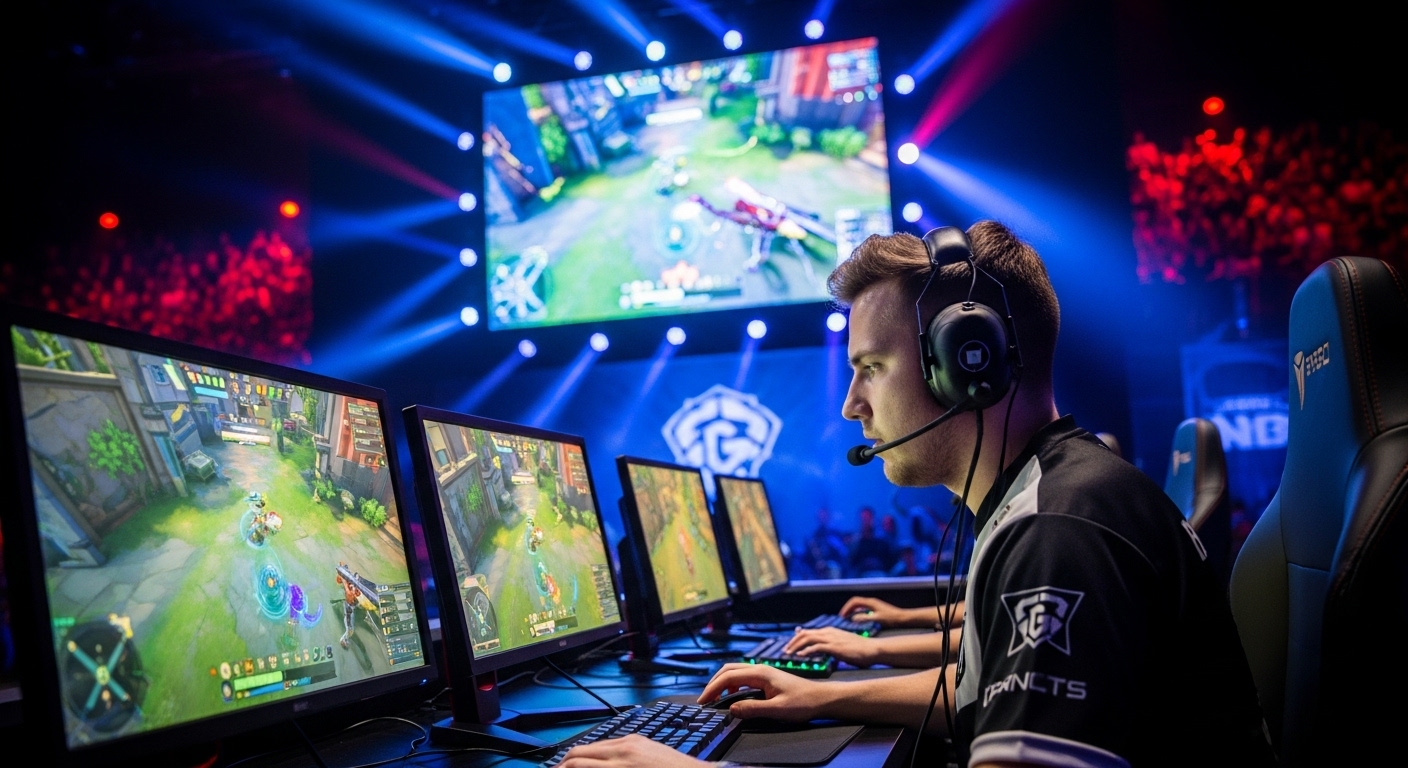
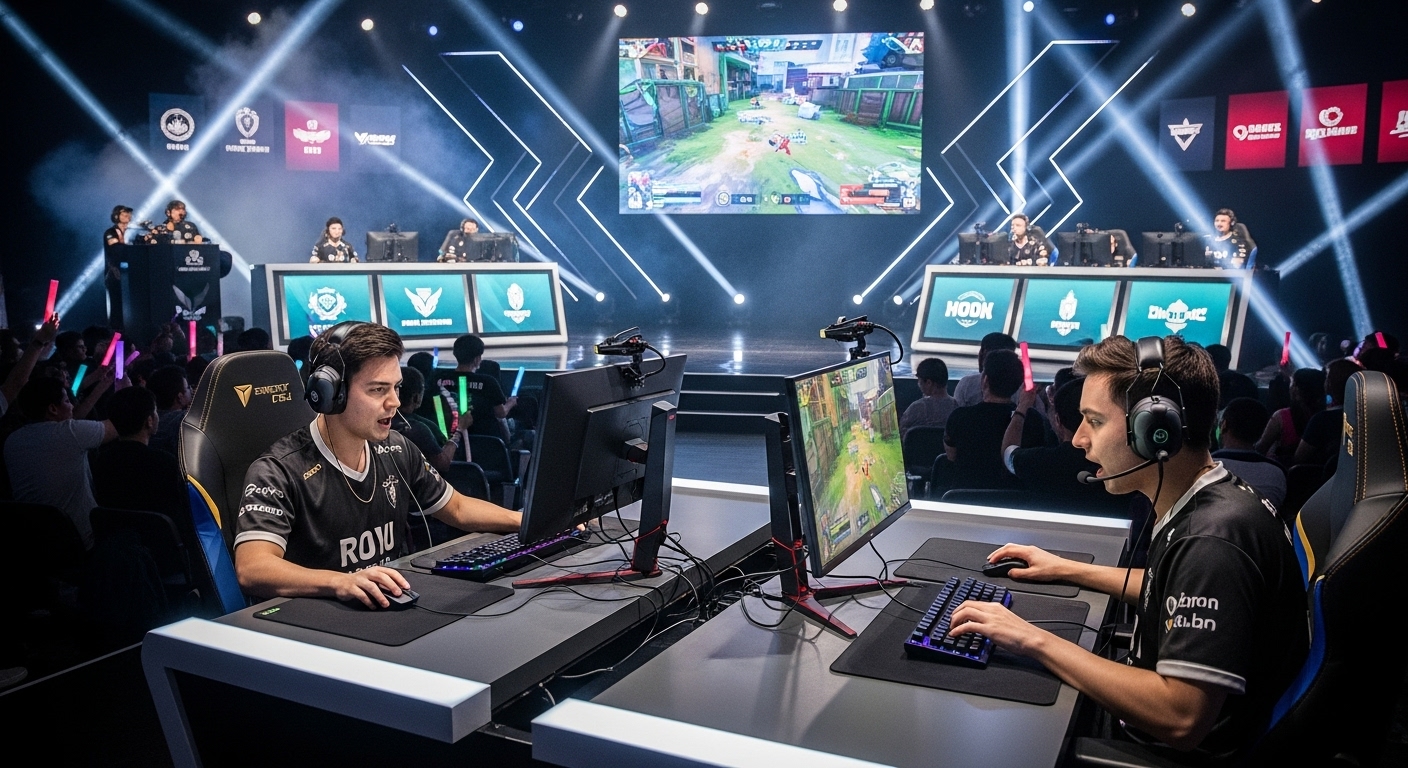
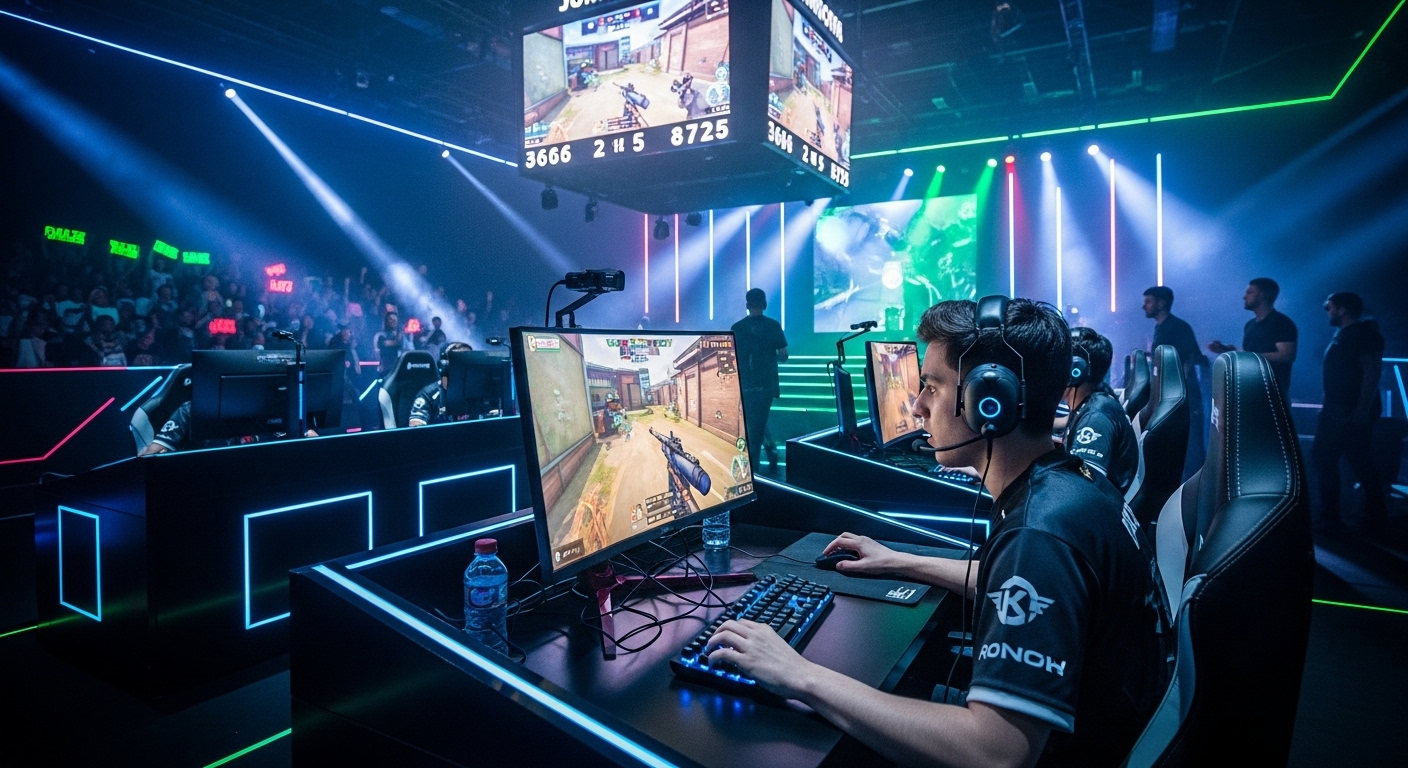
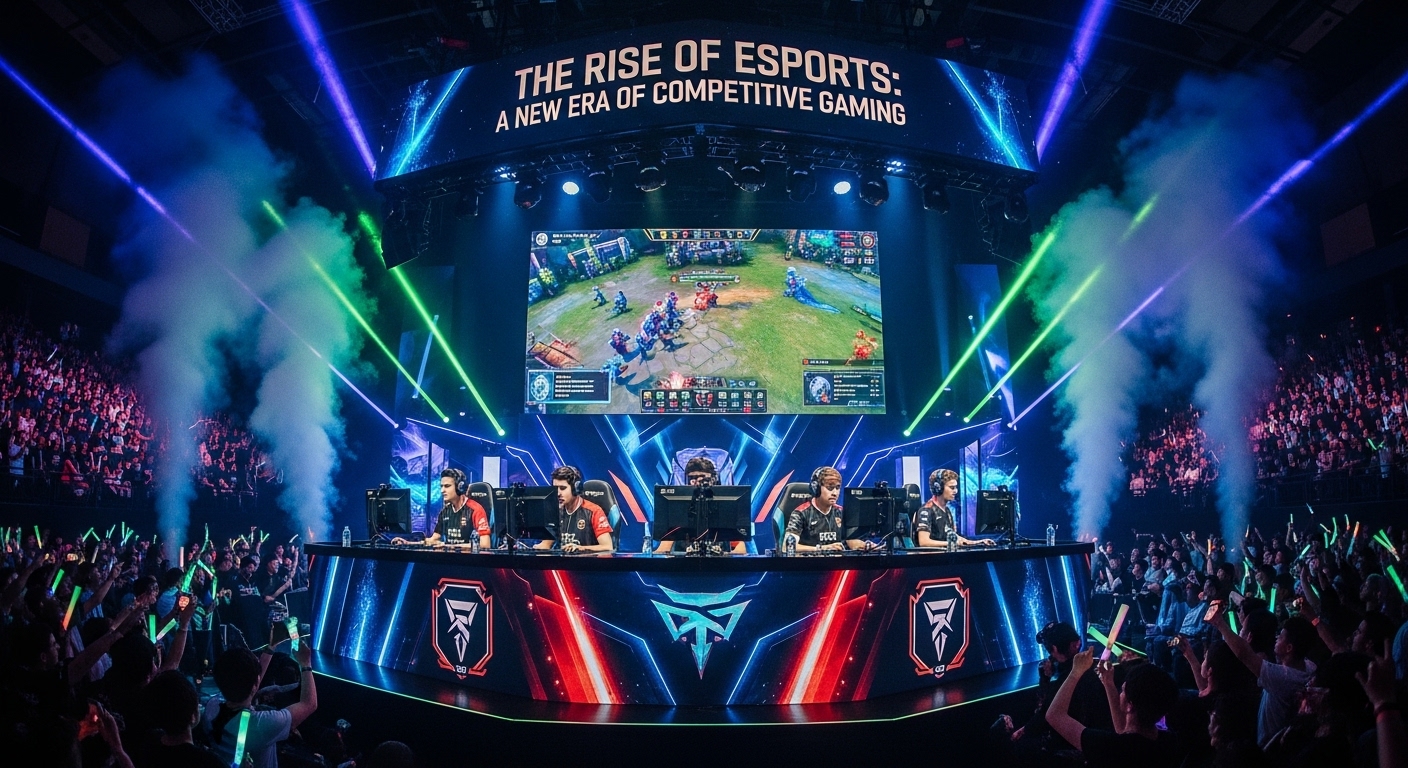
In the last two decades, the world has witnessed the birth of a completely new form of entertainment and competition: esports. What began as small gatherings of video game enthusiasts has evolved into one of the largest entertainment industries in the world. Esports, short for electronic sports, refers to competitive video gaming where players or teams compete against each other in organized tournaments. From local LAN events to multi-million-dollar global championships, esports has transformed into a cultural force that blurs the line between traditional sports and digital competition.
The evolution of esports has not only changed the way people perceive gaming but also how society understands entertainment, technology, and even community. Today, esports athletes are celebrated much like footballers or basketball players, and major corporations invest heavily in esports teams and events. This transformation did not happen overnight—it is the result of decades of technological advancement, passionate communities, and a global shift in how we engage with media.
The Early Days: The Birth of Competitive Gaming
The history of esports can be traced back to the early days of arcade and home computer gaming in the 1970s and 1980s. The first known video game competition took place in 1972 at Stanford University, where students competed in the game “Spacewar.” The prize was modest—a year’s subscription to Rolling Stone magazine—but it marked the beginning of organized competitive gaming.
During the 1980s, arcade games like Pac-Man and Donkey Kong sparked local competitions and leaderboard rivalries. As home consoles grew more popular, gaming tournaments became more accessible. The 1990 Nintendo World Championships brought competitive gaming to a mainstream audience, allowing players across the United States to compete in a national event. Though primitive compared to modern esports, these moments laid the groundwork for the industry’s future.
The 1990s marked a turning point. The rise of the internet allowed players to compete remotely, leading to the birth of online multiplayer games. Titles such as Quake, StarCraft, and Counter-Strike became cornerstones of early esports, attracting dedicated fan bases and organized leagues. South Korea played a particularly important role in legitimizing esports as a profession. With widespread broadband access and government support, South Korea’s StarCraft leagues in the early 2000s set the model for future esports ecosystems.
The 2000s: Building the Foundation of a Global Industry
As the new millennium began, esports started to gain serious traction. Online communities flourished, streaming technology improved, and game developers began to recognize the commercial potential of competitive play. Tournaments such as the World Cyber Games and Electronic Sports World Cup became international events, drawing players and audiences from around the world.
The early 2000s also saw the formation of professional teams and organizations that treated esports like any other sport. Players trained rigorously, coaches analyzed gameplay strategies, and sponsors began to fund travel and equipment. Games like Counter-Strike 1.6, Warcraft III, and Dota became legendary within competitive circles.
At the same time, technological progress—especially broadband internet and online streaming—allowed fans to watch matches live. Before platforms like Twitch, websites like Justin.tv and Ustream gave gamers a way to broadcast matches and share their skills. This accessibility transformed esports from a niche subculture into a spectator event. Fans could now follow their favorite players, learn strategies, and engage in live discussions with global audiences.
The Role of Streaming and Media
The introduction of streaming platforms fundamentally changed the esports landscape. Twitch, founded in 2011, became the beating heart of the esports community. It allowed millions of viewers to watch tournaments, training sessions, and casual streams in real time. This direct interaction between players and fans created an intimacy that traditional sports often lack.
Streaming also democratized content creation. Anyone with a computer and internet connection could broadcast themselves playing games, creating new opportunities for visibility and income. Esports professionals gained fame not only through competitions but also by engaging directly with audiences. This shift blurred the lines between athlete, entertainer, and influencer.
Moreover, streaming helped create a sense of belonging. Gaming was once viewed as an isolated activity, but platforms like Twitch and YouTube Gaming turned it into a shared social experience. Viewers from around the world could connect through chat, form communities, and celebrate victories together. The result was an entirely new kind of media ecosystem—one where digital athletes and creators could thrive independently of traditional broadcasting networks.
The Expansion of Esports Titles
While early esports revolved around a handful of titles, the modern era has seen an explosion of genres and games. Each title brings its own audience, strategies, and culture.
League of Legends, developed by Riot Games, revolutionized the esports world after its launch in 2009. With massive international tournaments, dedicated leagues, and a global player base, it became one of the most-watched competitive games in history. Similarly, Dota 2 established itself with The International, a tournament known for its multi-million-dollar prize pools funded largely by the player community.
First-person shooters such as Counter-Strike: Global Offensive, Call of Duty, and Overwatch have also maintained large followings, attracting both casual and competitive gamers. Meanwhile, battle royale games like Fortnite and PUBG introduced new styles of competition, where dozens of players compete simultaneously in large-scale matches.
Sports simulations like FIFA and NBA 2K bridge the gap between traditional sports and esports, allowing fans of physical games to engage digitally. Even mobile games, once dismissed as casual, now dominate regions like Southeast Asia, where titles such as Mobile Legends: Bang Bang and PUBG Mobile fill arenas with cheering fans.
The Professionalization of Esports
Today’s esports scene mirrors traditional sports in many ways. Professional players sign contracts, receive salaries, and have agents and sponsors. Teams employ analysts, coaches, nutritionists, and even mental health specialists. The infrastructure surrounding esports is increasingly sophisticated, with franchises, team houses, and training facilities.
Major tournaments attract millions of viewers and fill entire stadiums. Events like the League of Legends World Championship, The International, and the Valorant Champions Tour are broadcast in multiple languages and watched by tens of millions online. Esports organizations such as Team Liquid, Fnatic, and T1 are recognized brands, comparable to football or basketball clubs.
Colleges and universities have also entered the scene, offering esports scholarships and academic programs focused on game design, management, and broadcasting. Governments in various countries recognize esports athletes as legitimate professionals, and even the International Olympic Committee has discussed incorporating esports into future Olympic programs.
The Economics of Esports
Behind the spectacle of esports lies a complex and lucrative economy. The industry generates billions of dollars annually from sponsorships, media rights, merchandise, and ticket sales. Companies like Intel, Red Bull, and Coca-Cola sponsor teams and tournaments, while game publishers invest heavily to keep their titles relevant in the competitive space.
Streaming and content creation have become additional revenue streams. Players earn through ad revenue, donations, and brand partnerships. Many esports organizations diversify into lifestyle branding, apparel, and even music collaborations to expand their market appeal.
However, the financial ecosystem of esports is still evolving. Not every organization turns a profit, and sustainability remains a key challenge. Balancing player salaries, infrastructure costs, and sponsorship revenue requires careful management. Nonetheless, the trajectory remains upward, as global viewership and mainstream recognition continue to grow.
Esports and Mainstream Culture
One of the most striking developments of the last decade is how esports has entered mainstream culture. Esports athletes appear on magazine covers, brands run commercials featuring gamers, and celebrities invest in esports teams. Hollywood actors, musicians, and athletes from traditional sports have all contributed to the industry’s expansion.
The blending of esports and pop culture can be seen in events like the Fortnite World Cup, where performances from popular musicians coincide with competitive matches. Social media further amplifies this connection, making esports an integral part of online culture.
Furthermore, esports has shifted the public’s perception of gaming. Once stigmatized as an antisocial pastime, gaming is now recognized as a legitimate form of entertainment and even a career path. Schools host gaming clubs, parents support young esports aspirations, and the world celebrates digital achievements with the same enthusiasm as physical sports.
The Social and Psychological Impact of Esports
Beyond entertainment, esports has significant social implications. For many young people, gaming communities provide a sense of belonging and identity. Esports fosters teamwork, strategic thinking, and resilience—skills that are valuable beyond the screen.
However, the industry also faces challenges. The intense nature of competition can lead to burnout, stress, and unhealthy habits. Organizations are increasingly prioritizing player welfare, offering mental health support and balanced schedules. As esports grows, the conversation around health, balance, and sustainability becomes more prominent.
Esports also plays a role in inclusivity and representation. While the industry remains male-dominated, there are increasing efforts to create opportunities for women and marginalized communities. Initiatives promoting diversity and accessibility are crucial for ensuring that esports remains a positive and inclusive space for everyone.
Esports and Education
The integration of esports into education marks another major milestone. Universities around the world now offer degrees in esports management, game design, and digital marketing. High schools form esports teams as part of their extracurricular programs, teaching students leadership, communication, and problem-solving skills.
Esports also provides a bridge between education and technology. Students involved in esports often develop interests in STEM fields, broadcasting, and content creation. Educators recognize its potential to engage students in meaningful, modern learning experiences.
Technological Advancements and the Future of Esports
The future of esports will be deeply influenced by technological innovation. Advances in virtual reality (VR), augmented reality (AR), and artificial intelligence (AI) promise to create more immersive experiences for players and fans alike. Imagine audiences watching matches in 3D virtual arenas or AI-driven analytics predicting player strategies in real time.
Cloud gaming and faster internet speeds will further break down barriers to entry. Players from remote regions can compete without needing high-end hardware, expanding the global reach of esports. Meanwhile, blockchain and digital ownership could revolutionize how players and fans interact with in-game economies and collectibles.
The continued convergence of technology, entertainment, and social media will ensure that esports remains at the cutting edge of global culture.
The Challenges Ahead
Despite its rapid growth, esports faces several challenges. Regulation, player rights, match-fixing, and integrity are ongoing concerns. The industry must continue developing frameworks that ensure fair play and protect both players and fans.
Monetization and sustainability are also critical issues. While top-tier tournaments and teams generate substantial income, smaller events often struggle financially. Balancing commercial interests with community engagement will be key to maintaining authenticity.
Additionally, as esports becomes more global, cultural and legal differences must be navigated carefully. Ensuring inclusivity and protecting young players from exploitation are ethical responsibilities the industry must uphold.
The Future of Esports as a Global Movement
Looking ahead, esports is poised to become an even more powerful global phenomenon. The lines between physical and digital sports will continue to blur, and future generations will see esports as a natural part of the athletic and entertainment landscape.
With increasing institutional recognition, improved infrastructure, and global accessibility, esports may eventually reach parity with traditional sports in terms of prestige and influence. It represents not only competition but also creativity, technology, and community—values that resonate strongly in the 21st century.
Esports will continue to shape how people connect across borders, cultures, and generations. Whether through professional tournaments, community events, or casual play, it unites millions under a shared passion for gaming and competition.
Conclusion: The Legacy of Esports
The story of esports is one of transformation. From humble beginnings in university labs and local arcades, it has become a global industry that commands the attention of millions. It reflects the spirit of a connected world—driven by innovation, creativity, and community.
Esports is more than just playing games; it’s about dedication, teamwork, and pushing the limits of human skill in digital spaces. It bridges generations, inspires careers, and redefines entertainment for the modern era.
As technology continues to evolve, esports will only grow more immersive and influential. It stands as a testament to how far gaming has come—and how much potential lies ahead. The journey of esports is still unfolding, and its impact on society, culture, and the economy will shape the digital future for decades to come.