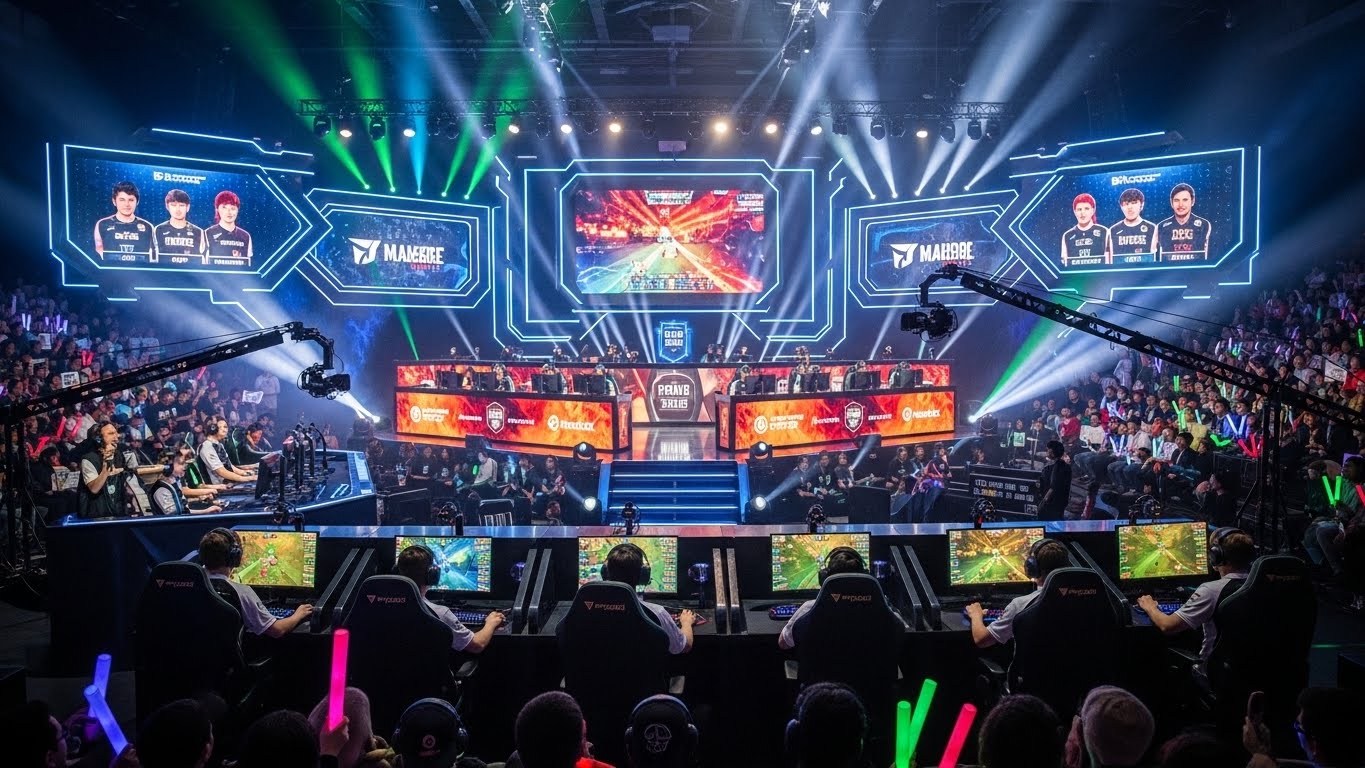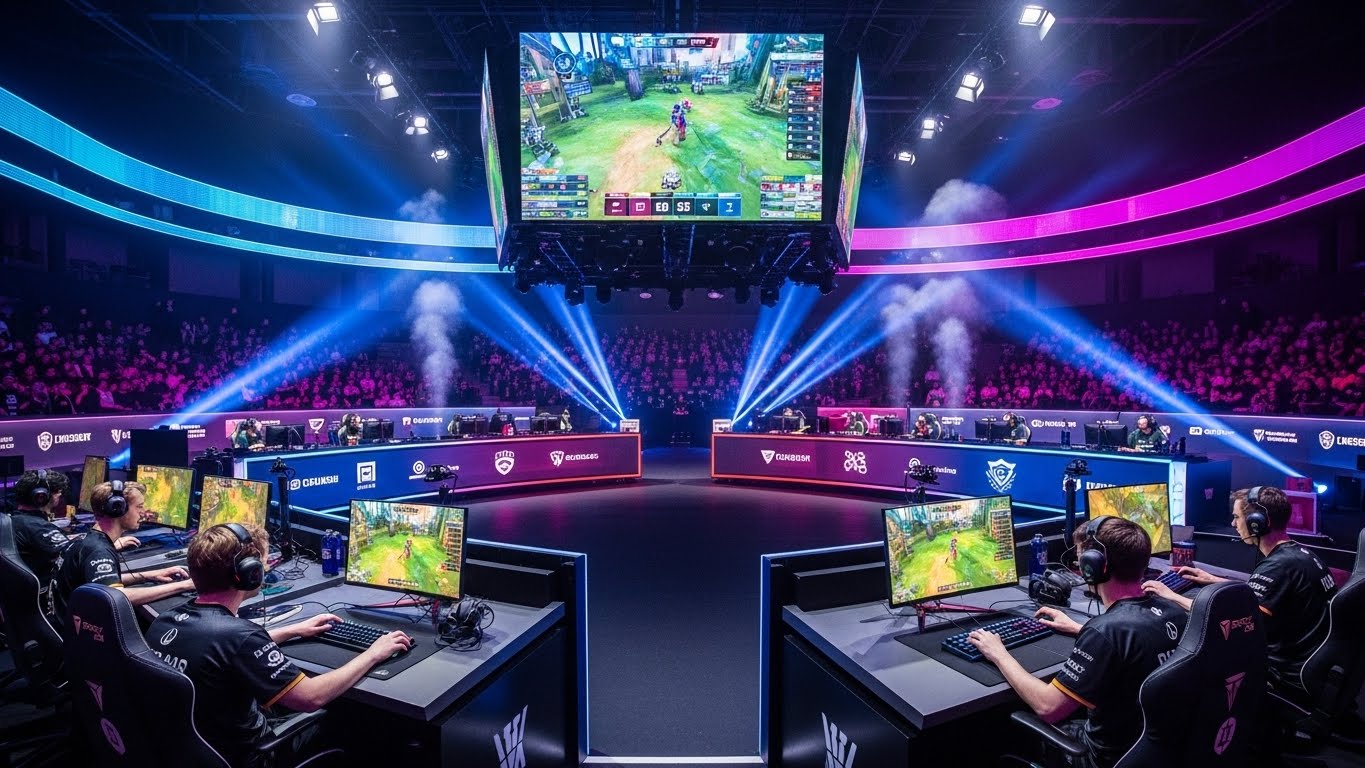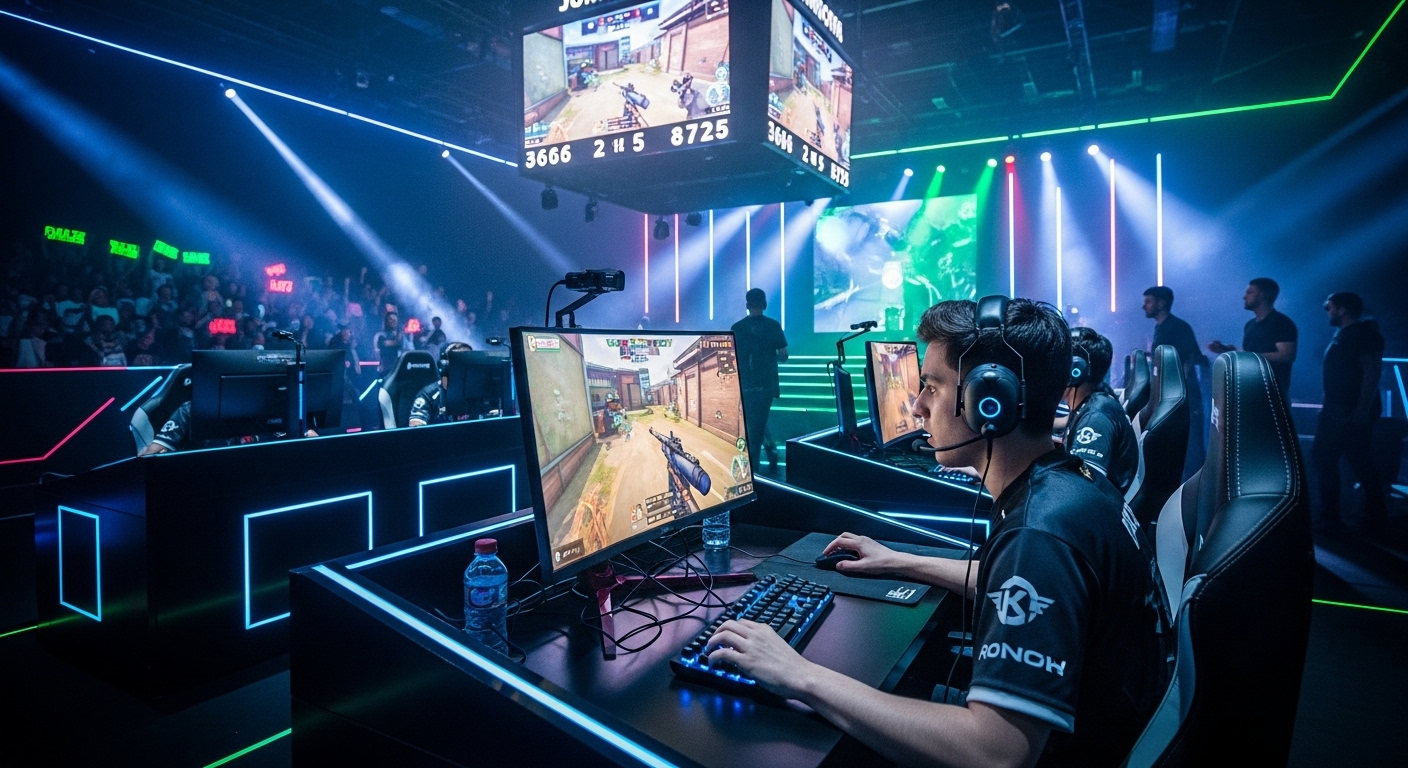
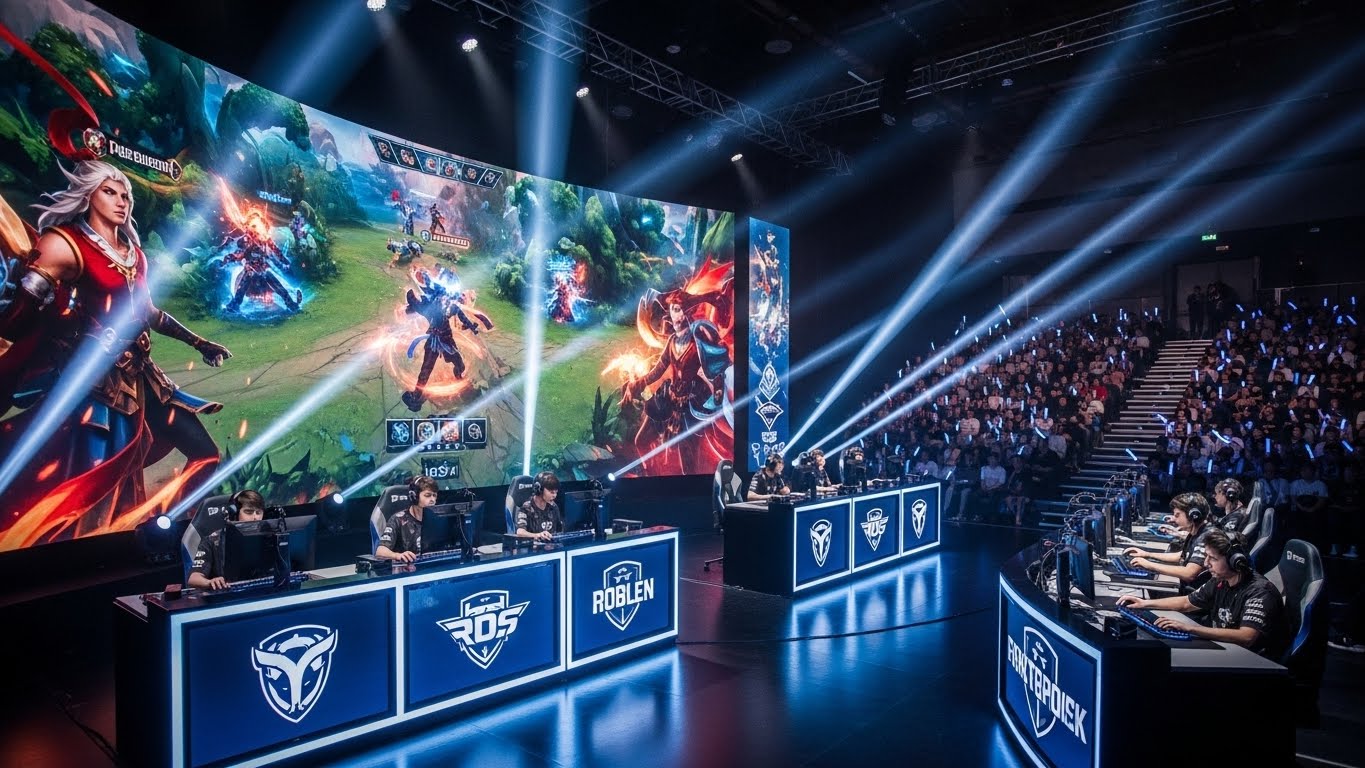
Esports, or competitive video gaming, has exploded into a global cultural and economic powerhouse. Once viewed as a niche activity for dedicated gamers, esports is now a mainstream entertainment industry, with millions of players, fans, and spectators across the world. This blog explores the rise of esports, its various facets, and what makes it such a compelling and lucrative industry today.
The Early Beginnings of Esports
Esports as we know it today didn’t just appear overnight. Its origins trace back to the late 20th century, when the first competitive video gaming tournaments began to take shape. The first notable event was the Space Invaders Championship in 1980, organized by Atari. This event marked the start of competitive gaming, although it was still very much a novelty. However, it wasn’t until the 1990s and early 2000s that esports began to gain significant traction.
The late 1990s saw the emergence of games such as StarCraft and Quake, which were designed with competitive multiplayer gameplay in mind. StarCraft, especially, became a global phenomenon, particularly in South Korea, where it evolved into a mainstream spectator sport. The success of StarCraft and similar titles led to the creation of more formalized tournaments and leagues, such as the Cyberathlete Professional League (CPL) and World Cyber Games (WCG), marking the start of esports as an industry.
The Rise of Esports in the 2000s
The early 2000s were a pivotal period for esports. Online gaming platforms such as Battle.net (for Blizzard games like StarCraft and Warcraft III) and Garena helped bring together players from all over the world, allowing them to compete in real-time. These platforms were essential in growing the esports community and expanding the reach of competitive gaming.
The first decade of the 2000s saw the rise of major tournaments, such as ESL (Electronic Sports League), and Major League Gaming (MLG). These organizations helped establish structure, legitimacy, and sponsorships for competitive gaming, which were once thought to be solely for amateurs. The rise of streaming platforms, especially Twitch, in the early 2010s helped further cement esports as a mainstream entity. Twitch, launched in 2011, allowed viewers to watch live streams of their favorite players and teams, creating a whole new level of engagement for fans.
The 2010s: Esports Goes Mainstream
As the 2010s unfolded, esports began to grow exponentially, both in terms of viewership and financial investments. Titles like League of Legends, Dota 2, Counter-Strike: Global Offensive (CS: GO), and Overwatch captured the imaginations of millions of gamers, drawing them into professional esports leagues and tournaments.
The introduction of franchised leagues, such as the League of Legends Championship Series (LCS) and Overwatch League (OWL), brought a new level of professionalism to esports. These leagues allowed organizations to establish long-term teams with stable financial backing, and they became major media properties. Major tech companies like Intel, Coca-Cola, and Nike began to invest heavily in esports sponsorships, signaling the industry’s growing commercial appeal.
One of the biggest developments in the 2010s was the skyrocketing prize pools for esports tournaments. The International Dota 2 Championship, for example, set a new benchmark for prize money, with its prize pool consistently breaking records. In 2018, the tournament’s prize pool surpassed $25 million, a staggering amount that showcased the financial potential of esports.
The 2010s also saw the rise of esports athletes who became global celebrities. Players such as Lee “Faker” Sang-hyeok (League of Legends), Johan “N0tail” Sundstein (Dota 2), and Kenny “kennyS” Schrub (CS: GO) became household names, attracting massive followings and endorsement deals. Esports stars began to command salaries comparable to traditional sports athletes, and many of them enjoyed a level of fame that was once reserved for athletes in major leagues like the NFL or NBA.
The Esports Ecosystem: Key Components and Stakeholders
Esports is a multifaceted industry with a variety of stakeholders involved. Understanding the different components that make up the esports ecosystem is key to grasping the magnitude of the industry.
1. Players and Teams
At the heart of esports are the players and the teams they belong to. Professional esports athletes are highly skilled gamers who compete in tournaments for cash prizes, sponsorships, and recognition. Players typically specialize in one game, dedicating countless hours to perfecting their craft. Many players start in amateur leagues before eventually being scouted by professional teams.
Professional esports teams operate similarly to traditional sports teams. They recruit talented players, provide them with coaches, analysts, and psychologists, and foster team dynamics. Many of these teams also have branded merchandise, sponsors, and fanbases that help generate revenue.
2. Game Developers
Game developers are a critical part of the esports ecosystem. The success of a game in the esports scene largely depends on the developers’ commitment to the competitive community. Games like League of Legends, CS: GO, and Valorant have grown into esports mainstays because their developers—Riot Games, Valve, and Riot Games again (for Valorant)—have continuously supported their competitive communities with regular updates, patches, and dedicated esports leagues.
3. Broadcasting and Streaming Platforms
Twitch is perhaps the most well-known streaming platform for esports, but it’s far from the only one. Platforms like YouTube Gaming, Facebook Gaming, and Mixer have also carved out their place in the esports broadcasting landscape. These platforms allow players to stream live gameplay to audiences worldwide, and many tournaments are broadcast live on these platforms, attracting millions of viewers.
In addition to streaming platforms, broadcast networks like ESPN, TBS, and Fox Sports have also started airing esports content, further solidifying esports as a mainstream form of entertainment.
4. Sponsors and Advertisers
Esports’ commercial success is driven in large part by sponsorships and advertising. Companies like Red Bull, Intel, and Razer have long been involved in the esports scene, providing both financial support and products. As the audience for esports grows, more brands are looking to target this demographic, especially the coveted 18-34-year-old age group that makes up the majority of esports viewers.
Sponsorships can be seen in many forms, including branded in-game content, team jerseys, and tournament sponsorships. Esports advertising is particularly effective, as esports fans are highly engaged and loyal to their favorite teams and players, making them more likely to purchase products from sponsors.
5. Esports Organizations
Esports organizations, such as Cloud9, Team Liquid, and Fnatic, are companies that manage multiple teams and players across different games. These organizations have a significant role in shaping the esports scene by investing in player development, managing business operations, and handling sponsorships. They also help to bridge the gap between esports and traditional sports by working with broadcasters, sponsors, and advertisers to generate more revenue for the entire ecosystem.
The Future of Esports
The future of esports looks incredibly promising. The industry is continuing to grow at a rapid pace, and several key trends are shaping its trajectory:
1. Integration with Traditional Sports
As esports continues to gain legitimacy, we can expect more integration with traditional sports. In fact, some sports teams are already getting involved in esports. For example, NBA teams like the Philadelphia 76ers and Golden State Warriors have bought esports organizations or sponsored esports teams. Major sports leagues, including the NFL and MLS, are exploring opportunities to engage with the esports community.
2. Esports and Education
Esports is increasingly being integrated into educational institutions. Many colleges and universities now offer esports scholarships, and some have even established esports programs that allow students to compete at the collegiate level. This trend will likely continue as esports is recognized as a legitimate and rewarding career path.
3. Mobile Esports
Mobile gaming is growing rapidly, especially in regions like Asia. Games like PUBG Mobile, Mobile Legends, and Free Fire have become hugely popular in esports competitions. As mobile technology continues to improve, mobile esports is expected to become a larger part of the global esports landscape.
4. Virtual Reality and Augmented Reality
The advent of virtual reality (VR) and augmented reality (AR) will likely have a profound impact on the future of esports. These technologies offer new ways to experience competitive gaming, and it’s only a matter of time before they are fully integrated into esports tournaments, providing a more immersive experience for both players and fans.
Conclusion
Esports has come a long way from its humble beginnings as a niche hobby to a global, multi-billion-dollar industry. It has become a legitimate form of entertainment, with a dedicated fanbase, lucrative sponsorship deals, and even recognition from mainstream sports organizations. As technology continues to evolve and more players and fans flock to esports, the future of competitive gaming looks brighter than ever. Whether you’re a casual gamer, a die-hard fan, or a professional player, one thing is clear: esports is here to stay.