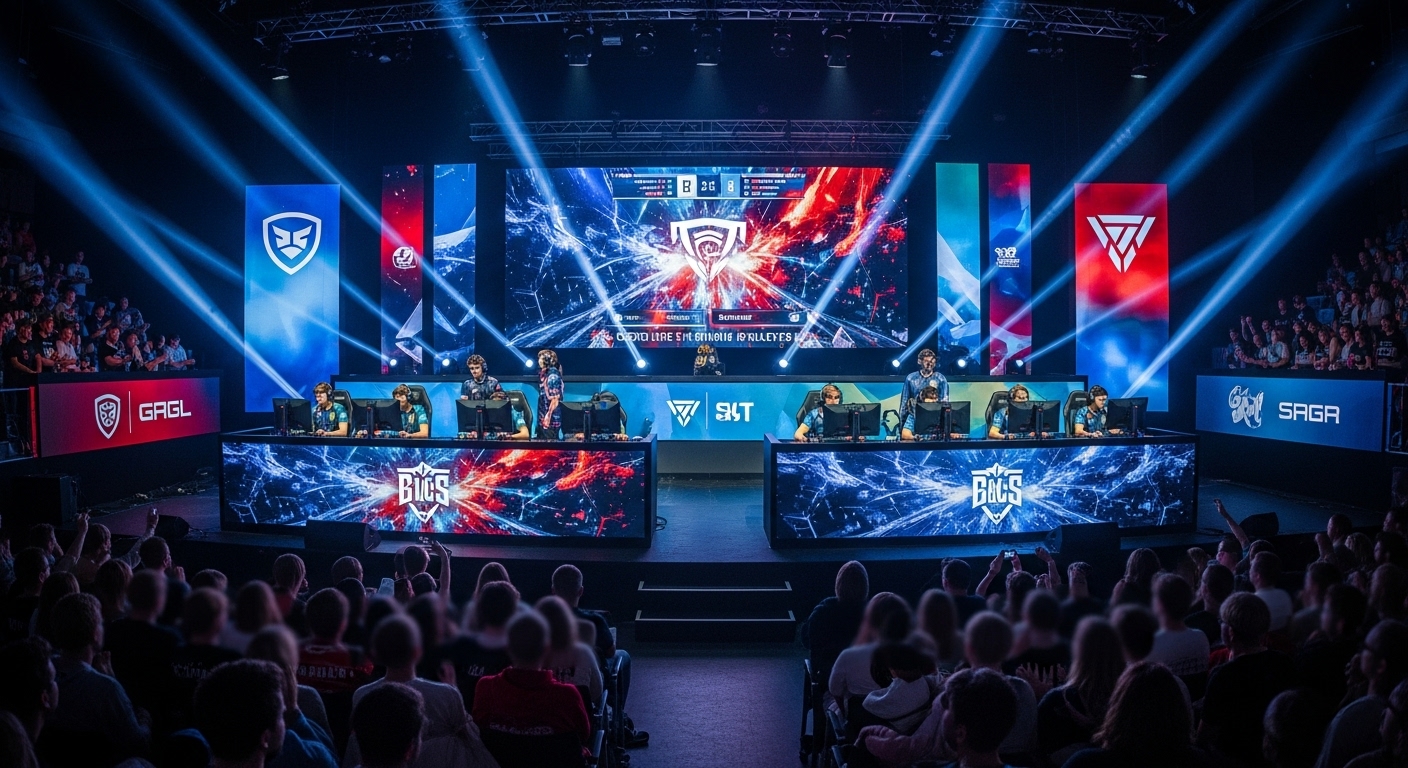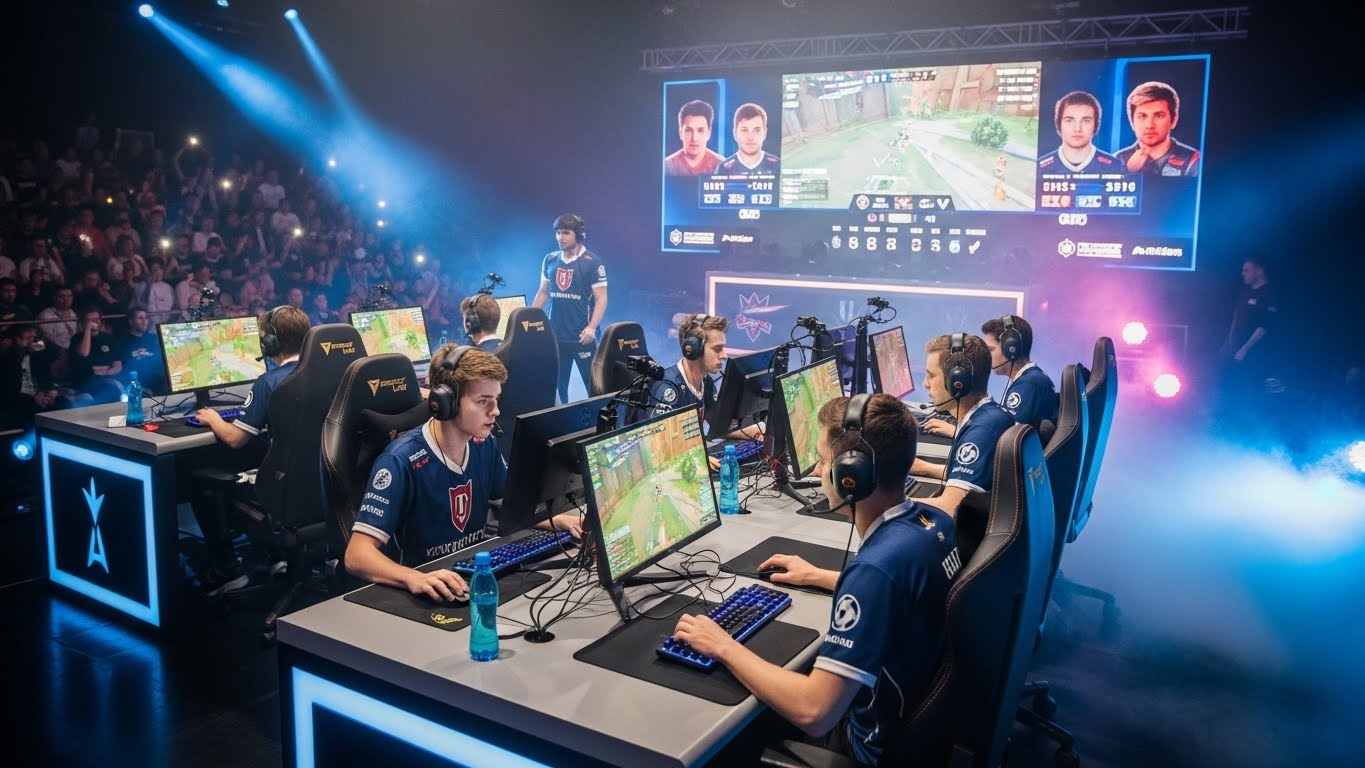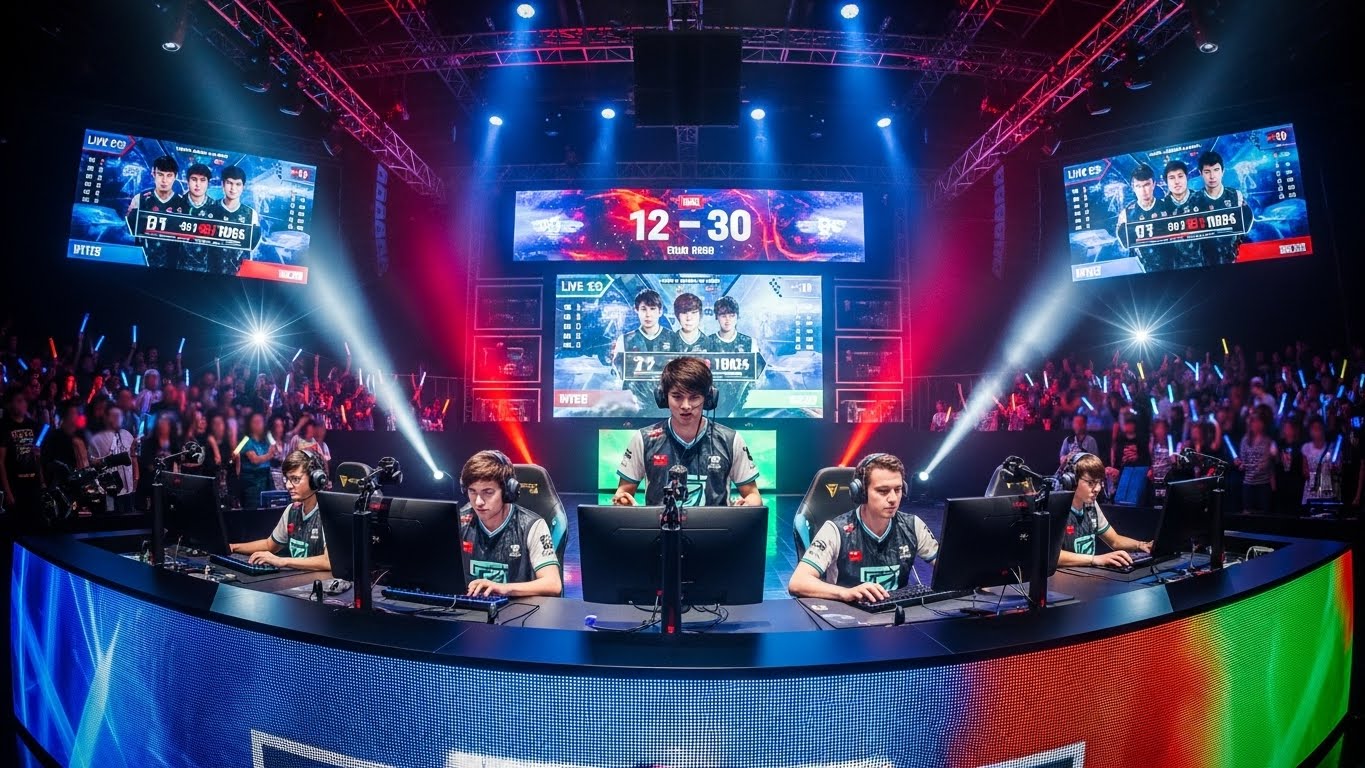
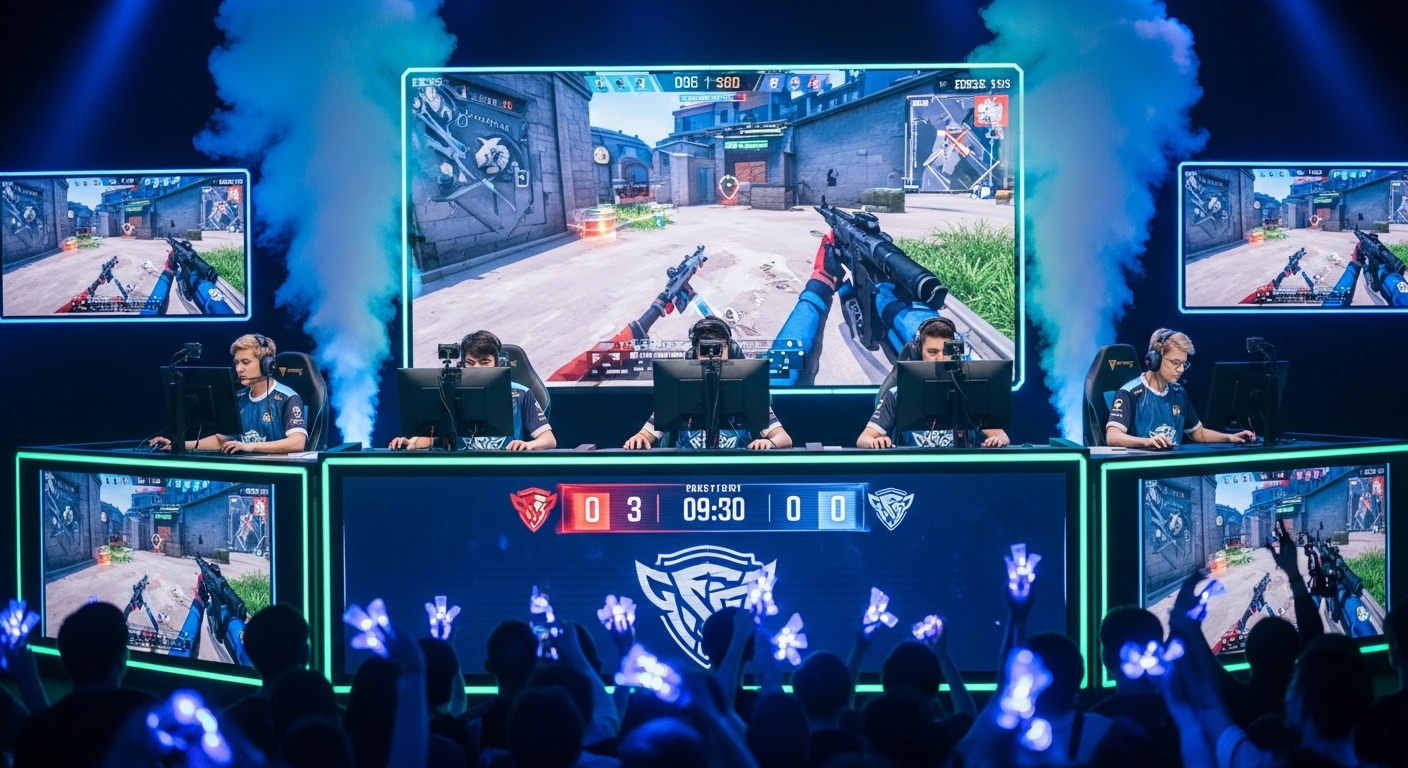
eSports, or electronic sports, has rapidly evolved from a niche hobby to a multi-billion-dollar global industry. With professional players, massive tournaments, and millions of dedicated fans worldwide, eSports is no longer just a pastime—it has become a cornerstone of modern entertainment. This post will explore the explosive growth of eSports, the factors behind its success, and what the future holds for this dynamic sector.
The Evolution of eSports: From Casual Gaming to Global Tournaments
While competitive gaming has existed in some form since the early days of video games, it wasn’t until the 2000s that eSports began to take shape as a global phenomenon. The rise of internet connectivity, faster computers, and streaming platforms set the stage for the growth of eSports. Early tournaments, such as the World Cyber Games and ESL (Electronic Sports League), laid the foundation for what would eventually become a billion-dollar industry.
The first major breakthrough in the eSports scene came with the introduction of StarCraft in the late 1990s. The game, which combined strategic thinking with fast-paced action, became a sensation in South Korea, where professional StarCraft tournaments began to attract large audiences. This set the stage for the creation of large-scale tournaments that we now associate with eSports, such as The International (Dota 2), League of Legends World Championship, and Overwatch League.
Today, major eSports events are broadcast globally, with prize pools reaching millions of dollars and viewership numbers rivaling those of traditional sports. From its humble beginnings, eSports has become a full-fledged entertainment industry.
What Makes eSports So Appealing?
eSports has attracted millions of players and viewers from around the world. But what makes it so appealing? Several factors contribute to its rapid rise and continued success.
1. The Thrill of Competition
At the heart of eSports is the competitive element. Just like in traditional sports, players and teams compete for victory in front of large audiences. Whether it’s a battle in League of Legends, a tense shootout in Counter-Strike, or a strategic match in Dota 2, the excitement and adrenaline of watching top-level competition are unmatched. Viewers tune in not only for the gameplay but also for the drama—the unexpected upsets, the nail-biting finales, and the triumphant victories.
2. Global Accessibility
One of the primary reasons eSports has gained such widespread popularity is accessibility. With the advent of high-speed internet, anyone with a computer or smartphone can watch eSports events from anywhere in the world. Unlike traditional sports, which often require a physical location or cable package to access, eSports can be streamed online for free, reaching a global audience. Platforms like Twitch, YouTube, and Facebook Gaming have made it easier for fans to watch live matches, interact with streamers, and follow their favorite teams or players.
3. Diverse Game Genres
eSports is not limited to one type of game or genre. From real-time strategy (RTS) and first-person shooters (FPS) to multiplayer online battle arena (MOBA) games, there is a broad range of genres that cater to different types of players and fans. Some of the most popular games in eSports include League of Legends, Fortnite, Counter-Strike: Global Offensive, Dota 2, and Overwatch. This diversity allows eSports to appeal to a wide variety of interests and keeps the scene fresh and engaging for new audiences.
4. Community Engagement
The eSports community is one of the most dedicated fanbases in entertainment. Fans don’t just watch tournaments; they actively engage with the players, teams, and content creators. Whether through live-streamed events, social media interactions, or fan-driven initiatives like fan art and memes, eSports fans are passionate and deeply involved. This sense of community enhances the overall experience, turning casual viewers into lifelong supporters.
The Professional Side of eSports: Careers, Teams, and Big Business
As eSports has grown in popularity, it has created a wide range of professional opportunities for players, coaches, analysts, casters, and content creators.
Professional Players
At the heart of the eSports ecosystem are the professional players. These individuals dedicate their lives to mastering specific games, often practicing for hours each day to perfect their skills. The most successful eSports players can earn substantial incomes through tournament prizes, sponsorships, and endorsements. Some top players, especially in games like Dota 2, can make millions of dollars throughout their careers.
Being a professional eSports player isn’t easy, though. It requires intense focus, mental agility, and the ability to perform under pressure. Top players spend countless hours analyzing their gameplay, studying opponents, and refining their strategies. As eSports has become more competitive, the demands on players have only increased.
Teams and Organizations
Just like in traditional sports, eSports teams are integral to the competitive scene. These teams consist of top players who come together to compete in tournaments, represent brands, and promote their sponsors. Teams are often supported by large organizations that manage everything from player contracts and sponsorship deals to team branding and merchandise.
Some of the biggest names in eSports, like Team Liquid, Cloud9, and Fnatic, have established themselves as powerhouses in the industry, with players across multiple games and disciplines. These organizations provide the infrastructure, training, and financial support needed to help players succeed at the highest level.
Coaches and Analysts
With the increasing complexity of competitive gaming, coaching and analysis have become vital parts of eSports teams. Coaches help players improve their skills, optimize strategies, and prepare for upcoming matches. Analysts, on the other hand, break down gameplay to provide valuable insights, whether it’s during the match or in post-game analysis. These roles are essential for teams looking to stay at the top of their game.
Commentators and Casters
Every major eSports event has its own set of commentators or casters who provide live play-by-play commentary. These professionals are responsible for keeping viewers engaged, explaining the game’s mechanics, and adding excitement to the broadcast. Top casters have become celebrities in their own right, gaining huge followings on platforms like Twitch and YouTube. Their ability to narrate the action in real-time while offering analysis is a key part of the viewing experience.
The eSports Industry’s Economic Impact
The eSports industry is no longer just a passion project for gamers; it is now a booming business. The global eSports market is projected to generate billions of dollars in revenue, primarily from media rights, sponsorships, advertising, ticket sales, and merchandise. In fact, top-tier eSports tournaments, such as The International (Dota 2) and the League of Legends World Championship, often feature prize pools in the tens of millions of dollars.
This growth has led to significant investments from major brands, traditional sports organizations, and even television networks. Companies like Coca-Cola, Intel, and Mercedes-Benz have sponsored eSports events, further legitimizing the industry and helping it expand its reach. Additionally, mainstream sports teams, including basketball and football clubs, have entered the eSports market by acquiring their own eSports teams or partnering with existing organizations.
The Future of eSports: Innovation and Expansion
eSports is far from reaching its peak. The industry is constantly evolving, and new trends and technologies are expected to shape its future. Here are some potential developments to look forward to:
1. Integration with Traditional Sports
eSports and traditional sports are already beginning to converge, with partnerships between eSports teams and professional sports organizations. This trend is likely to continue as more sports franchises see the potential in the eSports market. We could even see hybrid events that combine elements of traditional sports with competitive gaming.
2. Increased Professionalization
As eSports matures, the level of professionalism will likely increase. We may see more structured leagues, similar to professional sports, with clearly defined seasons, salary caps, and standardized regulations. This will help attract even more sponsors and elevate the prestige of eSports as a career option for gamers.
3. Virtual Reality (VR) and Augmented Reality (AR)
VR and AR technologies have the potential to revolutionize eSports by offering immersive, next-level experiences. Imagine watching an eSports match from the perspective of a player or stepping into the virtual world of the game yourself. While VR and AR are still in their early stages, they could become a significant part of the eSports landscape in the coming years.
4. Increased Global Viewership
With platforms like Twitch and YouTube already reaching millions of viewers, the global audience for eSports is expected to continue growing. As internet infrastructure improves worldwide, more regions will be able to access high-quality broadcasts of eSports tournaments, helping the industry expand into new markets.
Conclusion: eSports – The Future of Competitive Entertainment
The rise of eSports is a testament to the changing landscape of entertainment and competition in the digital age. From humble beginnings in local gaming communities to massive global tournaments, eSports has become a cultural force that continues to grow at an exponential rate. With its global accessibility, competitive spirit, and professional opportunities, eSports is shaping the future of entertainment and competitive gaming.
As the industry continues to evolve, it’s clear that eSports is here to stay. Whether you’re a gamer looking to go pro or a fan eager to watch the next big tournament, there’s no better time to be part of the eSports revolution.