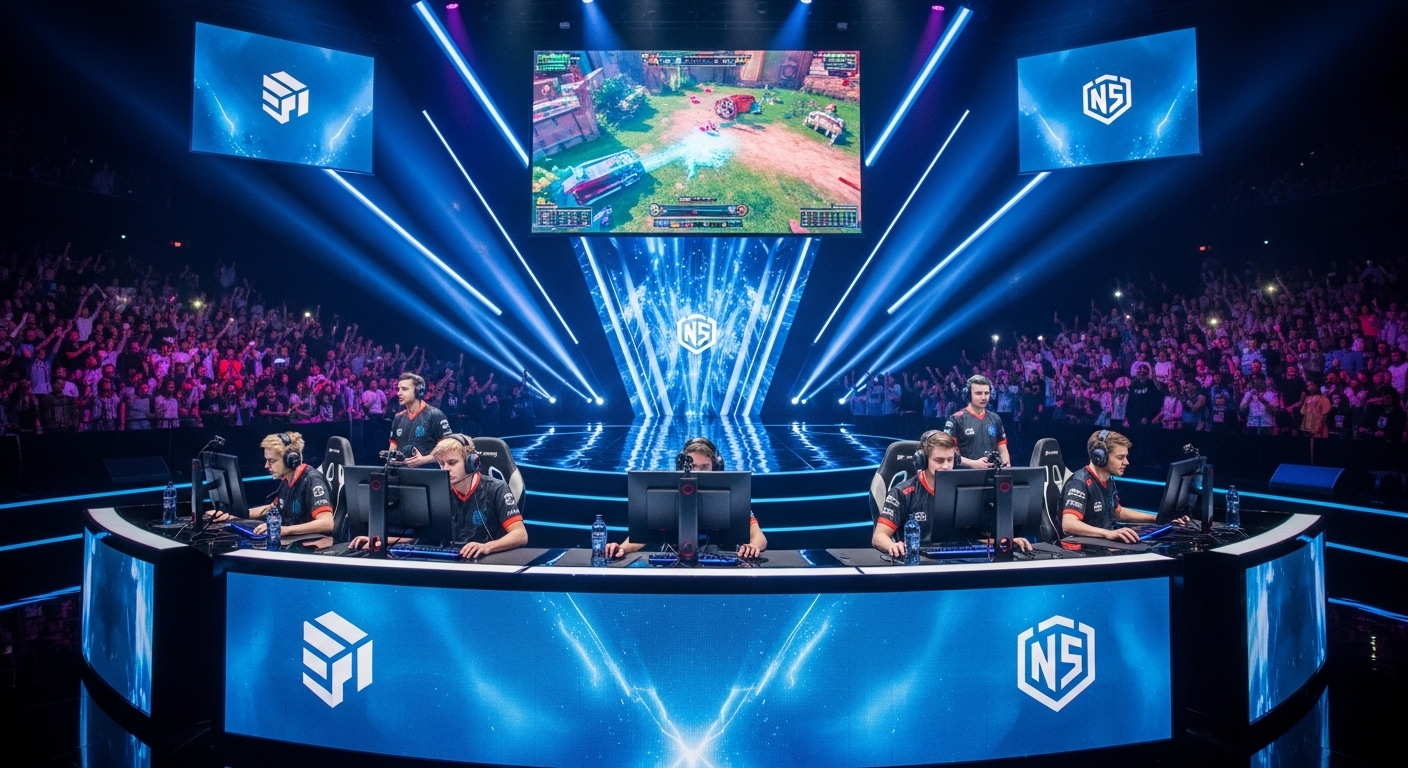
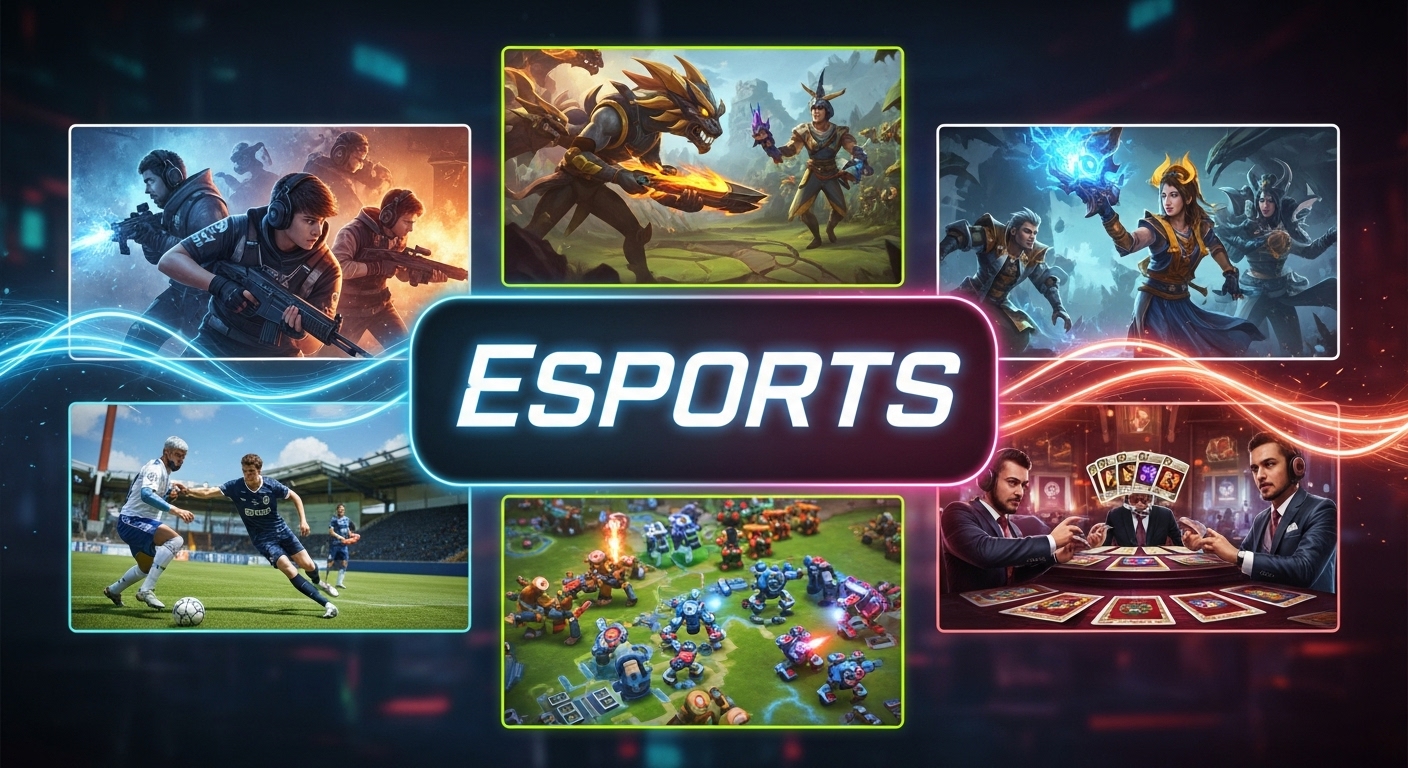
Esports has evolved from a niche hobby to a global phenomenon in just a few short decades. Once considered a pastime for a small group of passionate gamers, esports now garners millions of fans, attracts big-name sponsors, and generates revenue in the billions of dollars. Competitive gaming, as part of the larger esports ecosystem, has transformed into a mainstream industry, comparable to traditional sports in terms of viewership, investment, and cultural impact. In this blog post, we will explore the rise of esports, its impact on the gaming industry, the key factors behind its success, and the future potential of competitive gaming.
What is Esports?
Esports, or electronic sports, refers to organized, multiplayer video game competitions, particularly between professional players, individually or as teams. It involves competitive play of video games like “League of Legends,” “Dota 2,” “Counter-Strike: Global Offensive,” “Fortnite,” and many others. These competitions are often structured in leagues, tournaments, and even championships that can draw large audiences, both in person and through online streaming platforms like Twitch and YouTube Gaming.
What sets esports apart from traditional gaming is the competitive, professional aspect. While casual gaming is enjoyed by millions for fun and relaxation, esports is a serious, high-stakes endeavor where players train rigorously, much like athletes in traditional sports, to hone their skills, strategize, and perform at the highest level.
The Growth of Esports
The growth of esports has been nothing short of extraordinary. What started in the 1990s with small LAN parties and amateur tournaments has blossomed into a multi-billion-dollar industry. According to recent reports, the global esports industry is estimated to surpass $1.5 billion in revenue by 2023, with millions of fans tuning in to watch tournaments live or via streams. But what factors have contributed to this meteoric rise?
The Evolution of Gaming Technology
The advancement of gaming technology has been a key driver behind the rise of esports. As gaming hardware and software have evolved, games have become more complex, visually stunning, and immersive. The development of online gaming, broadband internet, and powerful computers has allowed players to connect and compete on a global scale. These technological advancements have not only improved the player experience but also the spectator experience, making esports accessible to a global audience.
Online multiplayer games, in particular, have fueled the rise of esports. Games like “World of Warcraft” and “League of Legends” pioneered the shift from offline to online gaming, where players from different parts of the world could team up or compete against each other in real time. The availability of high-speed internet and the ease of digital distribution via platforms like Steam and Epic Games Store have made these games more accessible to a wider audience, laying the foundation for the esports boom.
Streaming Platforms and Social Media
Another significant factor contributing to the growth of esports is the rise of streaming platforms like Twitch, YouTube Gaming, and Facebook Gaming. These platforms provide fans with an easy way to watch live esports tournaments, follow their favorite players or teams, and engage with the gaming community. Esports tournaments are now broadcasted globally, often attracting millions of concurrent viewers. Some of the largest events, like the “League of Legends” World Championship or “The International” for Dota 2, consistently draw more viewers than traditional sports events like the Super Bowl or the NBA Finals.
Social media platforms, such as Twitter, Instagram, and Reddit, also play a critical role in the growth of esports. These platforms provide fans and players with a space to interact, share content, and discuss their favorite games and tournaments. The ability for players to build large followings and engage with fans directly has further solidified esports as a mainstream entertainment option.
Increased Sponsorships and Investments
Esports’ transition from a hobbyist activity to a professional industry has been fueled by significant investments and sponsorships. Major brands, ranging from tech companies to energy drinks and automobile manufacturers, have recognized the potential of esports and have invested heavily in teams, tournaments, and advertising. Companies like Intel, Coca-Cola, Red Bull, and Mercedes-Benz sponsor top-tier esports organizations and events, bringing much-needed financial backing to the industry.
In addition to corporate sponsorships, investors have flocked to esports, recognizing the industry’s massive growth potential. Venture capitalists and private equity firms have poured money into esports teams, game developers, and even esports-specific media outlets. As a result, esports organizations have become more professional, with players earning substantial salaries, benefits, and bonuses, comparable to athletes in traditional sports.
Key Esports Games
While esports encompasses a wide variety of games, certain titles have become iconic within the competitive gaming landscape. These games not only define esports but have also helped shape its cultural identity.
“League of Legends”
“League of Legends” (LoL), developed by Riot Games, is arguably the most popular esports title in the world. The game’s combination of strategic depth, team-based gameplay, and regular updates has made it a favorite among both players and viewers. “League of Legends” features regional leagues, culminating in the annual “World Championship,” one of the most-watched esports events globally. With over 100 million active players, LoL has set the standard for esports in terms of both its gameplay and its ability to generate massive viewership.
“Dota 2”
Another titan in the esports world is “Dota 2,” developed by Valve Corporation. Known for its high skill ceiling, “Dota 2” features some of the most intense and strategic gameplay in the genre. The game’s annual tournament, “The International,” has become one of the most prestigious events in esports, offering multi-million-dollar prize pools, which attract the best teams in the world. “Dota 2” has cemented its place as one of the most successful esports games, with millions of dollars in prize money and a dedicated fanbase.
“Counter-Strike: Global Offensive”
“Counter-Strike: Global Offensive” (CS:GO) is a tactical first-person shooter that has been a mainstay in esports for over a decade. Known for its strategic gameplay, team coordination, and emphasis on skill, “CS:GO” tournaments draw large crowds and are broadcast globally. The game features several major tournaments, including ESL Pro League and the CS:GO Major Championships, where top teams from around the world compete for prestigious titles and lucrative prize pools.
“Fortnite”
“Fortnite” has become a household name since its release in 2017. Though it is a battle royale game, its quick matches and entertaining, cartoonish style have made it a hit among both casual and competitive players. Esports competitions around “Fortnite” have seen explosive growth, with its “Fortnite World Cup” offering one of the largest single-game esports prize pools in history. “Fortnite” has managed to bridge the gap between casual gaming and esports, attracting players of all skill levels to compete in its tournaments.
“Overwatch”
Developed by Blizzard Entertainment, “Overwatch” is a team-based first-person shooter that emphasizes collaboration and strategy. Its colorful, diverse cast of characters and its fast-paced gameplay have made it a favorite in the esports community. The Overwatch League (OWL) is one of the most successful esports leagues, featuring teams from around the world competing in a city-based format similar to traditional sports leagues like the NBA or NFL.
Esports as a Career
As esports continues to grow, it has become a viable career path for many players, coaches, analysts, and content creators. Professional esports players can earn substantial salaries from tournament winnings, sponsorships, and streaming revenue. In addition to players, esports organizations employ coaches, analysts, broadcasters, and managers, creating a thriving job market within the industry.
The life of a professional esports player is demanding. Players train for hours each day, improving their skills, strategizing with their teams, and maintaining peak mental and physical performance. Esports players, like traditional athletes, must be in top shape, both mentally and physically, to compete at the highest level. They face intense competition, travel to global tournaments, and often have short career spans, with most players retiring by their late twenties or early thirties.
For many aspiring players, the road to professional gaming starts at the grassroots level. Online tournaments, streaming platforms, and community-driven events offer opportunities for amateur players to showcase their talent. Some players rise through the ranks by participating in smaller tournaments, while others gain recognition through platforms like Twitch, where they can build large followings and attract the attention of professional organizations.
The Future of Esports
As the esports industry continues to mature, there are several trends and innovations on the horizon that could shape its future.
Virtual Reality (VR) and Augmented Reality (AR) Integration
The integration of virtual reality (VR) and augmented reality (AR) could revolutionize the esports industry. These technologies offer immersive, interactive experiences that could change how both players and fans experience esports. VR gaming allows players to physically immerse themselves in the game world, creating a more lifelike and engaging experience. AR, on the other hand, could enhance the viewer’s experience by overlaying real-time data and statistics during live broadcasts.
The Expansion of Esports Into Traditional Sports Arenas
Esports has already begun to move into traditional sports venues. Stadiums and arenas that once hosted basketball, football, and soccer games are now being used for large-scale esports tournaments. The Barclays Center in New York and the Staples Center in Los Angeles have hosted major esports events, and the trend is likely to continue. This integration of esports into traditional sports infrastructure highlights the growing legitimacy of esports as a mainstream entertainment option.
Global Growth and Inclusivity
As esports becomes increasingly global, we are likely to see more international tournaments, regional leagues, and localized events. The growth of esports in regions like Southeast Asia, Latin America, and Africa will help expand the global fanbase and create new opportunities for players worldwide. Additionally, esports has the potential to be more inclusive than traditional sports, as it transcends physical barriers and allows players of all backgrounds, abilities, and genders to compete on a level playing field.
Educational Opportunities in Esports
Esports is also finding its way into the academic world. Many universities now offer esports scholarships, degrees, and even dedicated esports teams. Students interested in pursuing careers in game design, streaming, management, or broadcasting can gain formal education and training in esports. These programs not only provide students with valuable skills but also help to legitimize esports as a career path.
Conclusion
Esports has come a long way from its humble beginnings, and its rise to global prominence is a testament to the passion, dedication, and innovation of gamers, developers, and investors alike. The future of esports looks incredibly bright, with technological advancements, increased investment, and a global fanbase driving its continued growth. Whether you’re a casual viewer, a professional player, or someone looking to get involved in the industry, esports offers a thrilling, dynamic space with endless possibilities. As the industry matures, it will continue to push the boundaries of what competitive gaming can achieve, and its cultural impact will only grow in the years to come.