In the past two decades, esports has evolved from a niche subculture to a massive global industry. What was once considered a pastime for a select group of gamers has now transformed into a multibillion-dollar industry, complete with sponsorships, international tournaments, professional teams, and millions of dedicated fans. Esports, short for electronic sports, refers to competitive video gaming at a professional level, where players compete against each other in organized tournaments across various titles.
This meteoric rise has captured the attention of not only gamers but also mainstream media, traditional sports organizations, and even investors. In this blog, we will explore how esports reached its current heights, the key factors driving its growth, and what the future holds for the gaming world.
What Is Esports?
Esports encompasses a wide range of competitive video games, where individuals or teams compete in structured environments. Some of the most popular titles in the esports scene include League of Legends, Counter-Strike: Global Offensive, Dota 2, Fortnite, Overwatch, and Valorant. These games are typically played in multiplayer formats, and the skill required to compete at a high level is akin to traditional sports.
The beauty of esports is that it caters to a wide variety of gaming genres, from real-time strategy games to first-person shooters, battle royales, and multiplayer online battle arenas (MOBAs). Players often compete for substantial cash prizes, sponsorships, and glory, similar to athletes in traditional sports.
The Early Days of Esports: A Niche Community
While competitive gaming has existed since the 1990s, esports truly began to take shape in the early 2000s. The concept of organized tournaments, live streaming, and professional leagues were still in their infancy, but communities had already formed around popular titles like Starcraft and Quake.
Early esports competitions were typically small-scale events, often held in LAN (Local Area Network) cafes or gaming conventions. Games like Starcraft were particularly popular in Korea, where they became part of the national culture. The Korean gaming scene was instrumental in shaping the early development of esports, as players gained celebrity status, and tournaments were broadcast on national television. This era helped lay the foundation for esports as a viable professional sport.
The late 2000s saw the rise of platforms like Twitch, which allowed gamers to stream their gameplay to a global audience. This was a game-changer for esports, as it provided an accessible platform for gamers to showcase their skills and for fans to watch live competitions from the comfort of their homes.
The Growth of Esports: Key Factors Driving the Industry
Esports truly began to explode in the 2010s, thanks to a combination of technological advances, cultural shifts, and business investments. Let’s break down the key factors that contributed to the rapid growth of the esports industry.
1. Advancements in Technology
The rise of high-speed internet, powerful gaming PCs, and better streaming technology played a pivotal role in the growth of esports. The ability to stream games in high definition with minimal lag made it easier for gamers to connect and compete with others worldwide. Additionally, platforms like YouTube and Twitch allowed fans to watch these games live, creating an ecosystem where competitions could be viewed globally in real time.
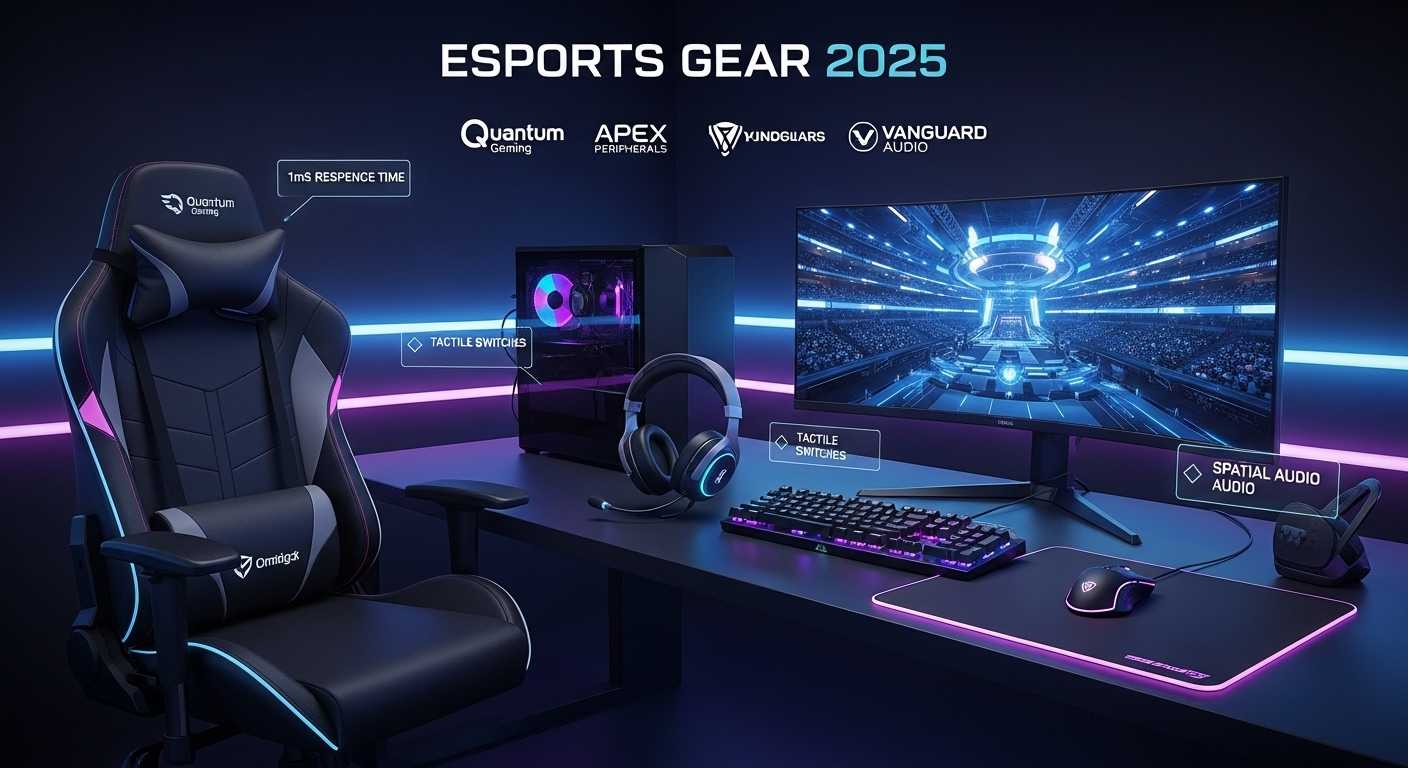
The continued improvement in gaming hardware, including graphics cards, processors, and high-refresh-rate monitors, enabled players to have a competitive edge in games that require precision, speed, and strategy. These advancements helped make esports more appealing to both players and viewers.
2. Globalization of Gaming Culture
Gaming as a whole went through a cultural shift in the 2010s, moving from a hobby reserved for a small, mostly male demographic to a mainstream pastime enjoyed by people of all ages and backgrounds. The proliferation of mobile gaming also made gaming more accessible, reaching a larger audience than ever before. Titles like Clash Royale, PUBG Mobile, and Mobile Legends attracted players from across the world, introducing new fanbases to competitive gaming.
As gaming culture became more mainstream, the barriers that once kept competitive gaming on the fringes started to fade. Esports organizations began to emerge in regions around the world, creating teams and tournaments that spanned the globe. Games like League of Legends and Dota 2 helped solidify esports as a global phenomenon, with massive international tournaments and leagues.
3. Investment from Traditional Sports and Media
The traditional sports world began to recognize the growing potential of esports as an entertainment industry. In 2014, the NBA team the Golden State Warriors invested in the esports team Team Liquid, while other professional sports organizations like Overwatch League attracted big-name investors and sponsors, including Coca-Cola, Intel, and Audi.
The rise of streaming platforms like Twitch also played a crucial role in bridging the gap between traditional media and esports. Twitch, acquired by Amazon in 2014, gave gamers a way to monetize their streams and helped create a new breed of influencer-driven content. The platform’s integration with esports tournaments further solidified its role in the industry, making esports events more visible to the mainstream.
4. Sponsorship and Branding Opportunities
Esports quickly caught the attention of global brands looking to tap into a young, tech-savvy demographic. Companies like Red Bull, Nike, and Adidas began sponsoring esports teams and events, recognizing the vast marketing potential within the gaming community. Esports sponsorships are often multi-million-dollar deals, with brands partnering with teams, players, and tournaments to promote products to a global audience.
The professionalization of esports has also made it a legitimate business opportunity for players. Much like traditional athletes, professional gamers can secure sponsorships, build personal brands, and generate significant revenue from competitions, streams, and endorsements.
The Esports Ecosystem: From Players to Fans
The esports ecosystem is a complex web that involves a variety of stakeholders, including players, teams, organizations, game developers, sponsors, and fans. Let’s take a look at how each of these elements contributes to the ecosystem.
1. Players and Teams
At the core of esports are the players. Some of the most well-known players, like Faker (Lee Sang-hyeok) from League of Legends or Ninja (Tyler Blevins) from Fortnite, have become international celebrities with millions of followers. These players often sign contracts with esports organizations, who provide them with support, coaching, and resources to help them succeed.
Esports teams are typically organized around specific games, with players forming teams that compete in various tournaments and leagues. Some of the biggest esports organizations, like Team Liquid, Cloud9, and T1, have expanded into multiple titles, creating a diverse portfolio of competitive teams.
2. Game Developers
Game developers play a critical role in shaping the esports landscape. Companies like Riot Games, Valve, Blizzard Entertainment, and Epic Games have invested heavily in supporting esports scenes for their respective titles. They organize tournaments, provide regular updates to keep the games fresh, and maintain balance to ensure competitive fairness.
The success of a game in the esports arena often depends on the developer’s commitment to creating a thriving competitive ecosystem. The growth of League of Legends as a premier esports title is a perfect example of how effective game development can lead to long-term success in the esports world.
3. Sponsors and Advertisers
Sponsors are the lifeblood of esports, providing funding for tournaments, teams, and players. Without sponsors, the grand prize pools and high-profile events we see today would not be possible. These partnerships not only support the financial side of esports but also serve as a way for brands to engage with a younger audience. As esports continue to grow, the investment from sponsors is expected to increase, driving the industry even further.
4. Fans and Viewers
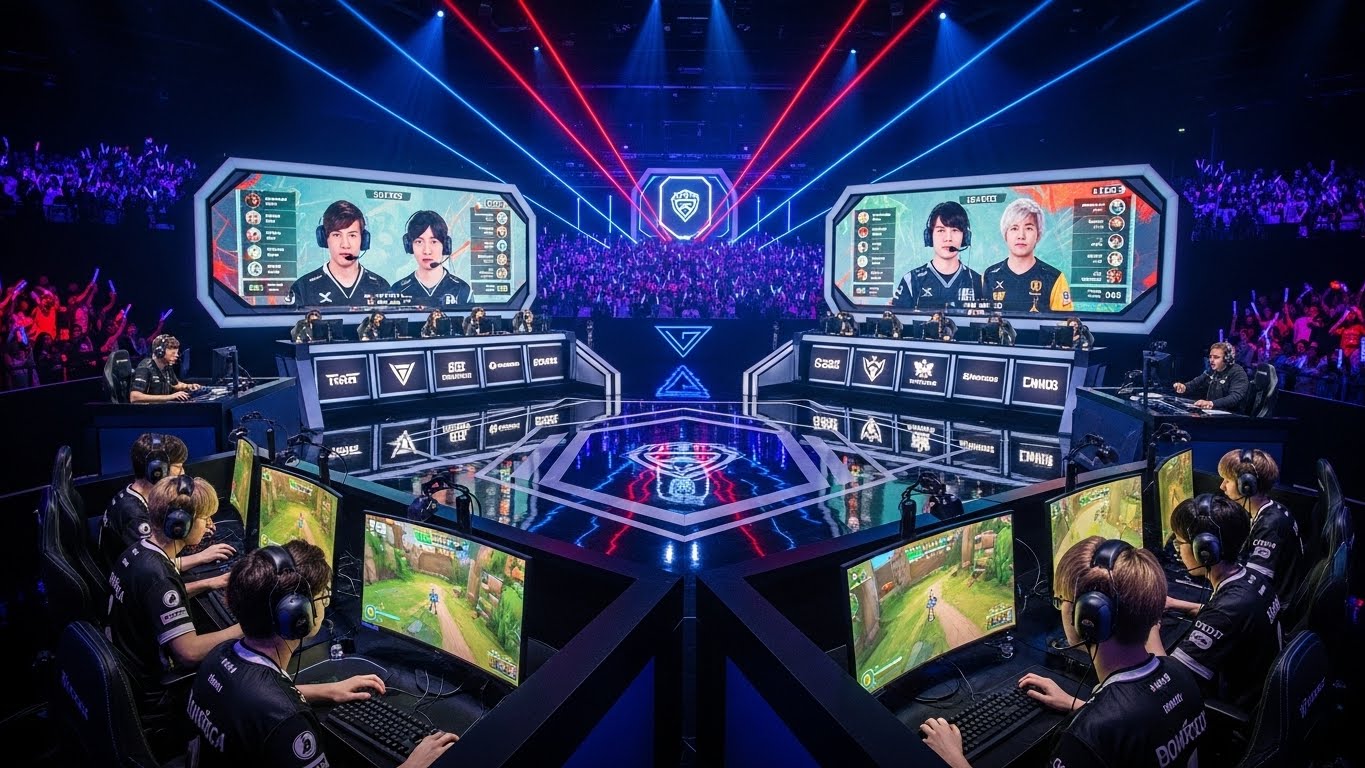
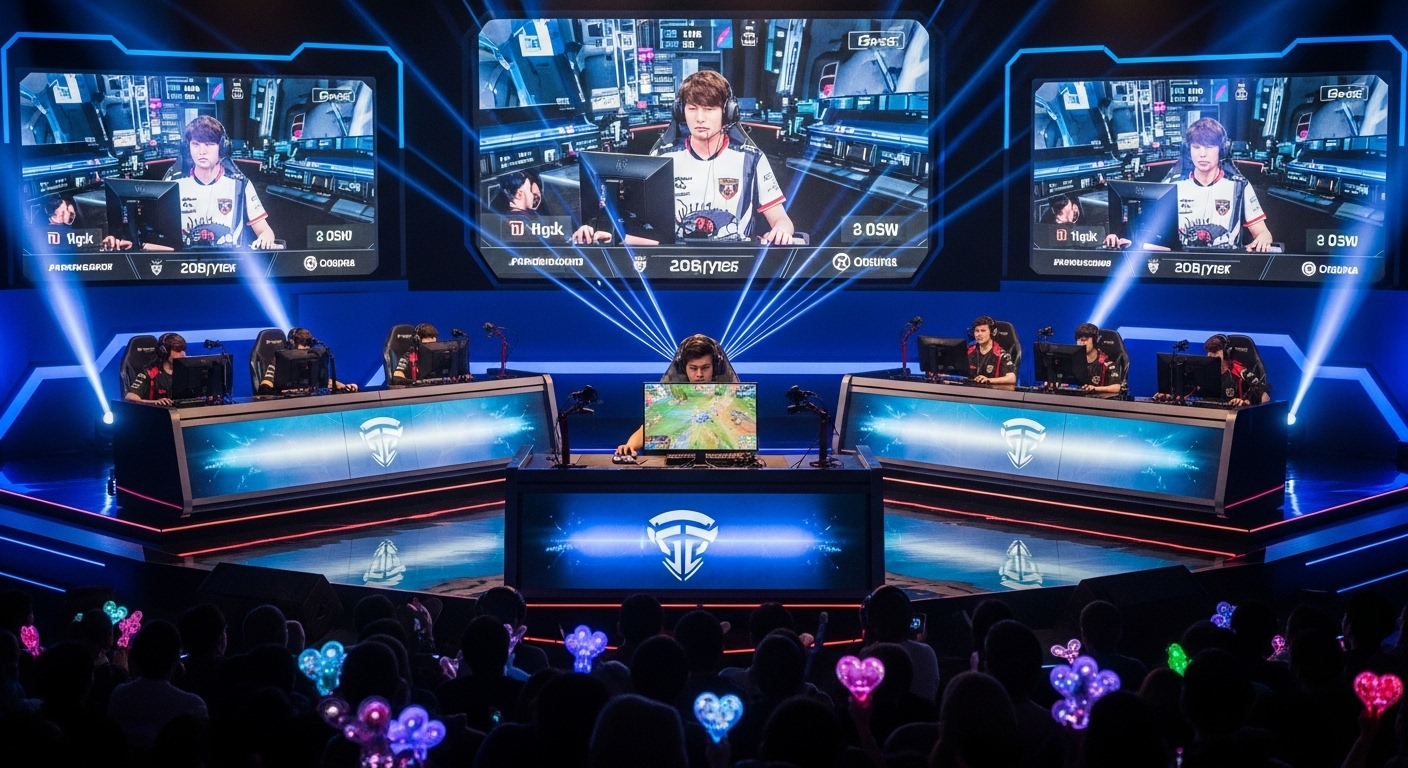
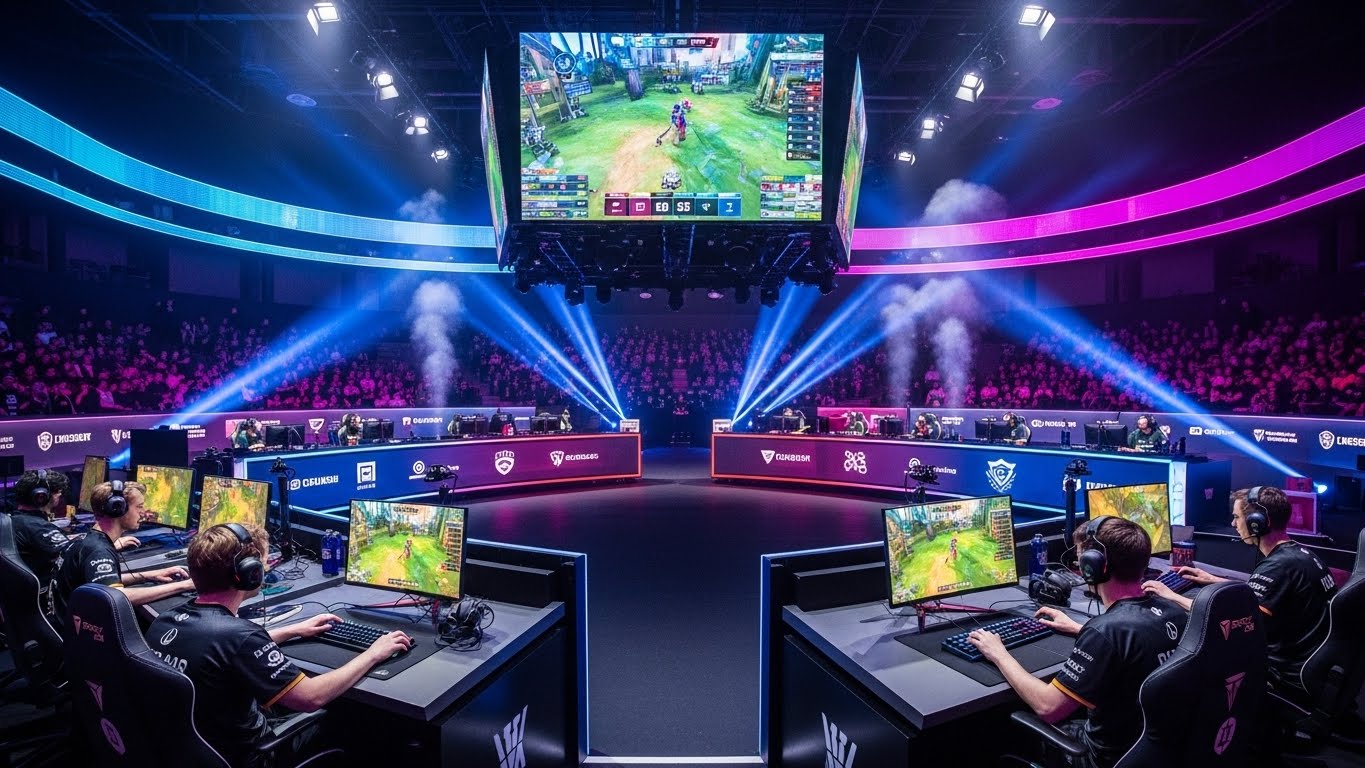
Fans are perhaps the most important element in the esports ecosystem. These are the people who tune in to watch tournaments, cheer for their favorite players, and engage with the community on platforms like Twitch and YouTube. The growing number of esports fans has led to packed stadiums at live events and millions of viewers tuning in online.
Esports has a unique relationship with its fans. Many fans are also gamers themselves, which creates a strong sense of community and shared experience. The rise of social media has allowed fans to interact directly with players, team organizations, and even sponsors, further deepening their connection to the esports world.
The Future of Esports
As esports continues to evolve, the future looks bright. With advancements in technology, including the rise of virtual reality (VR) and augmented reality (AR), esports could experience a new level of immersion and interactivity. The potential for larger, more expansive tournaments, with global audiences watching from home or attending in person, is on the horizon.
Moreover, esports will likely continue to gain legitimacy as a recognized sport, with even more universities offering scholarships and programs dedicated to competitive gaming. We might also see more integration with traditional sports, as the two industries begin to converge in ways that benefit both.
In conclusion, esports is no longer a passing trend. It is a global phenomenon that has captured the hearts of millions, transformed the gaming industry, and created new avenues for entertainment and business. As the esports landscape continues to grow and mature, there is no telling just how far it will go. For now, one thing is clear: esports is here to stay.