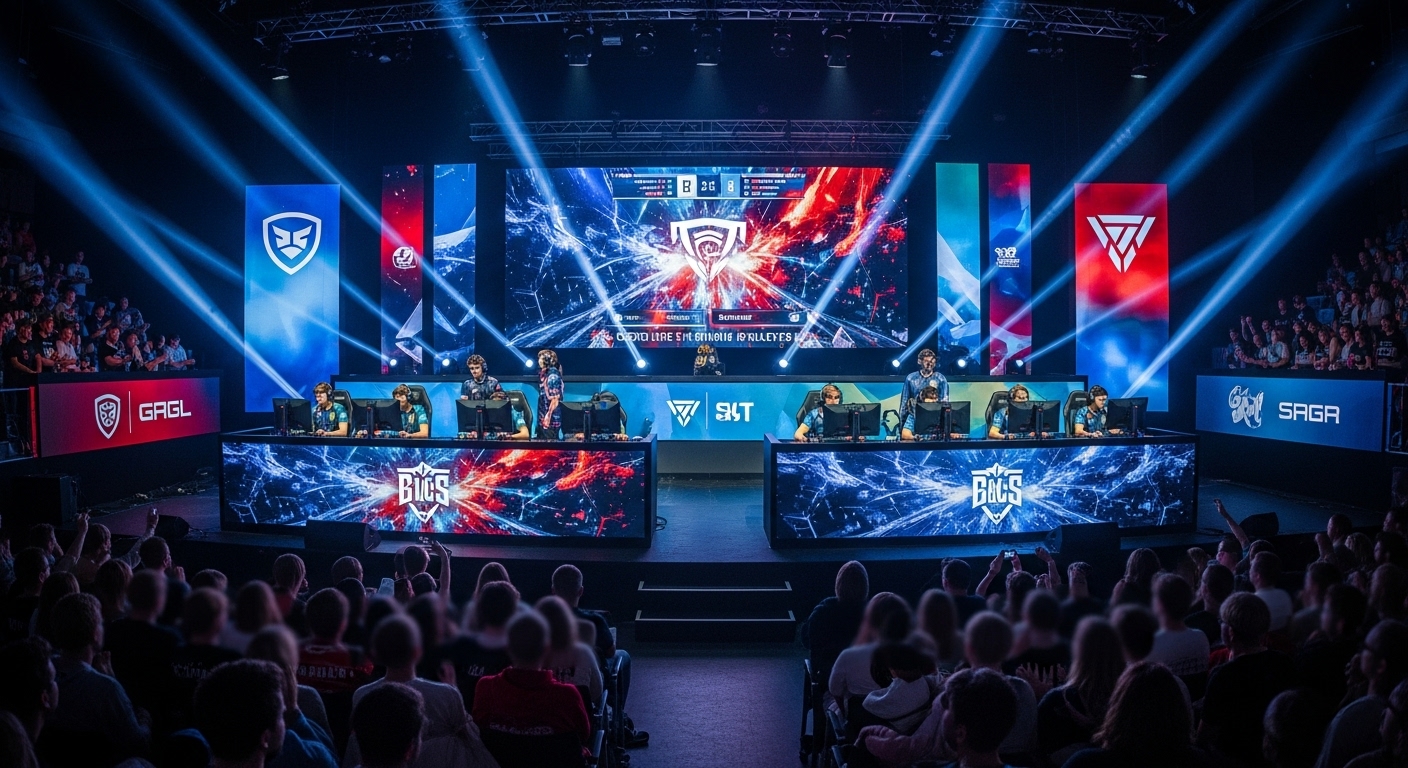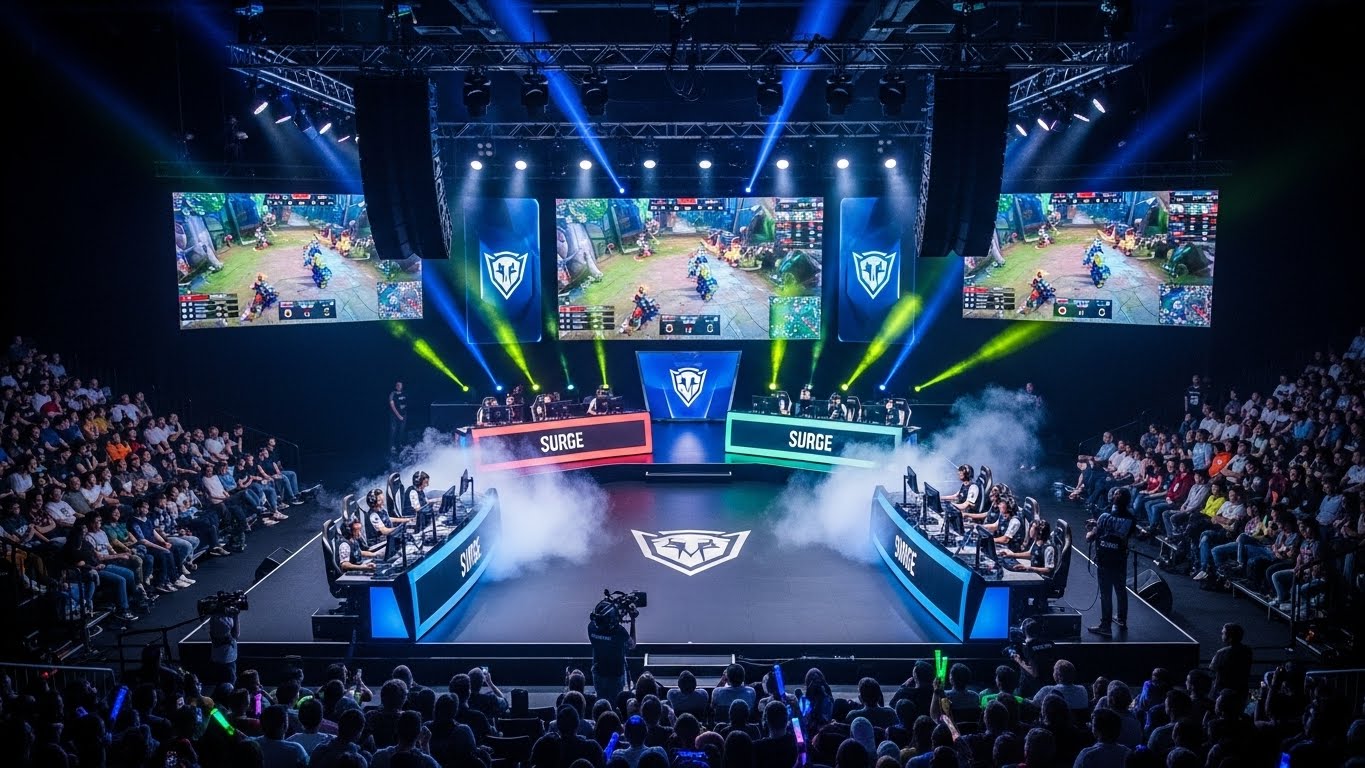
In recent years, the world of gaming has undergone a monumental transformation. What once was a niche hobby reserved for enthusiasts has now evolved into a competitive arena known as esports. This global phenomenon is reshaping the entertainment industry, creating new career opportunities, and redefining the way we perceive competitive sports. From massive tournaments filling stadiums to online leagues with millions of viewers, esports has become more than just a game—it is now a legitimate professional pursuit.
Understanding Esports: More Than Just Playing Games
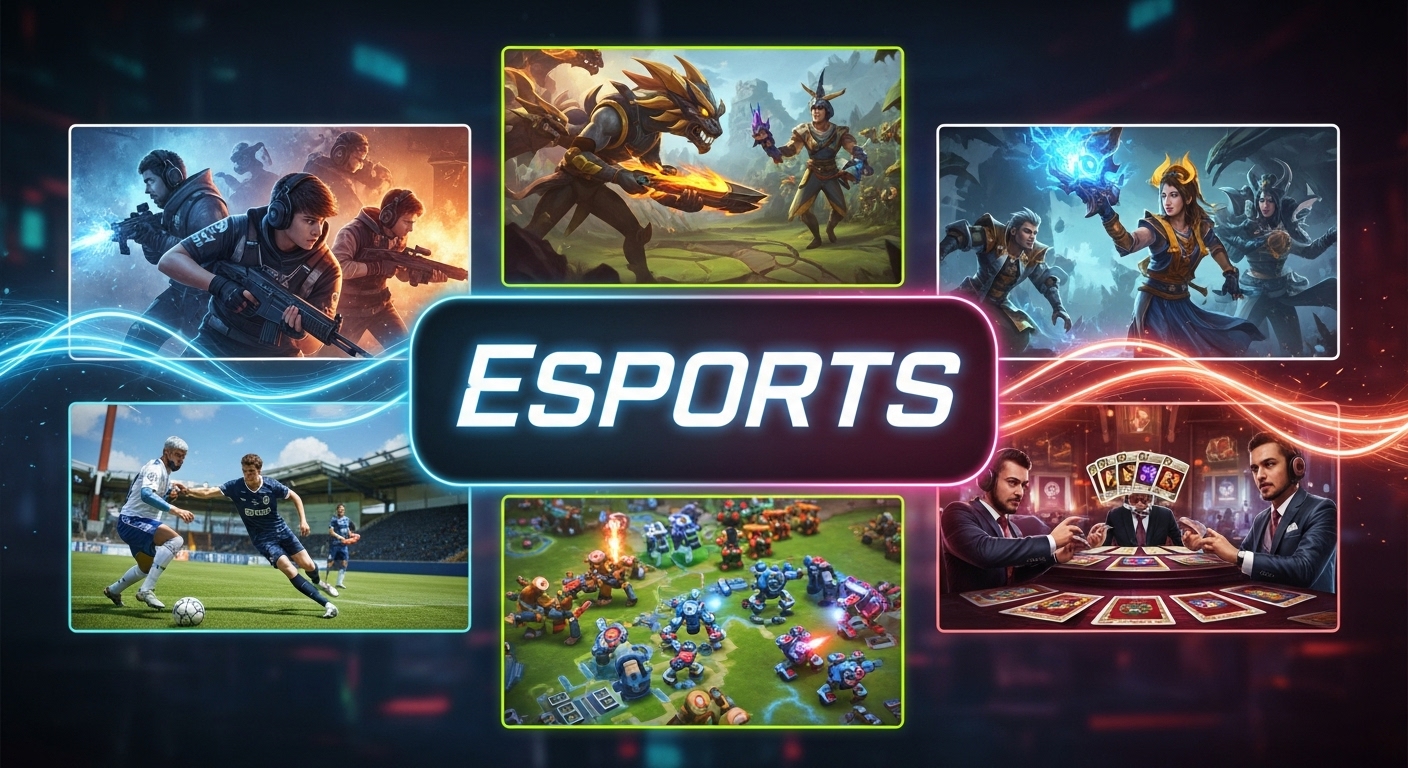
Esports, short for electronic sports, refers to competitive, organized video gaming. Unlike casual gaming, esports involves players or teams competing against each other in specific games at a professional level. These games range across genres, including strategy, first-person shooters, multiplayer online battle arenas, and sports simulations. Popular titles such as League of Legends, Dota 2, Counter-Strike, Fortnite, and FIFA have become household names in the esports community.
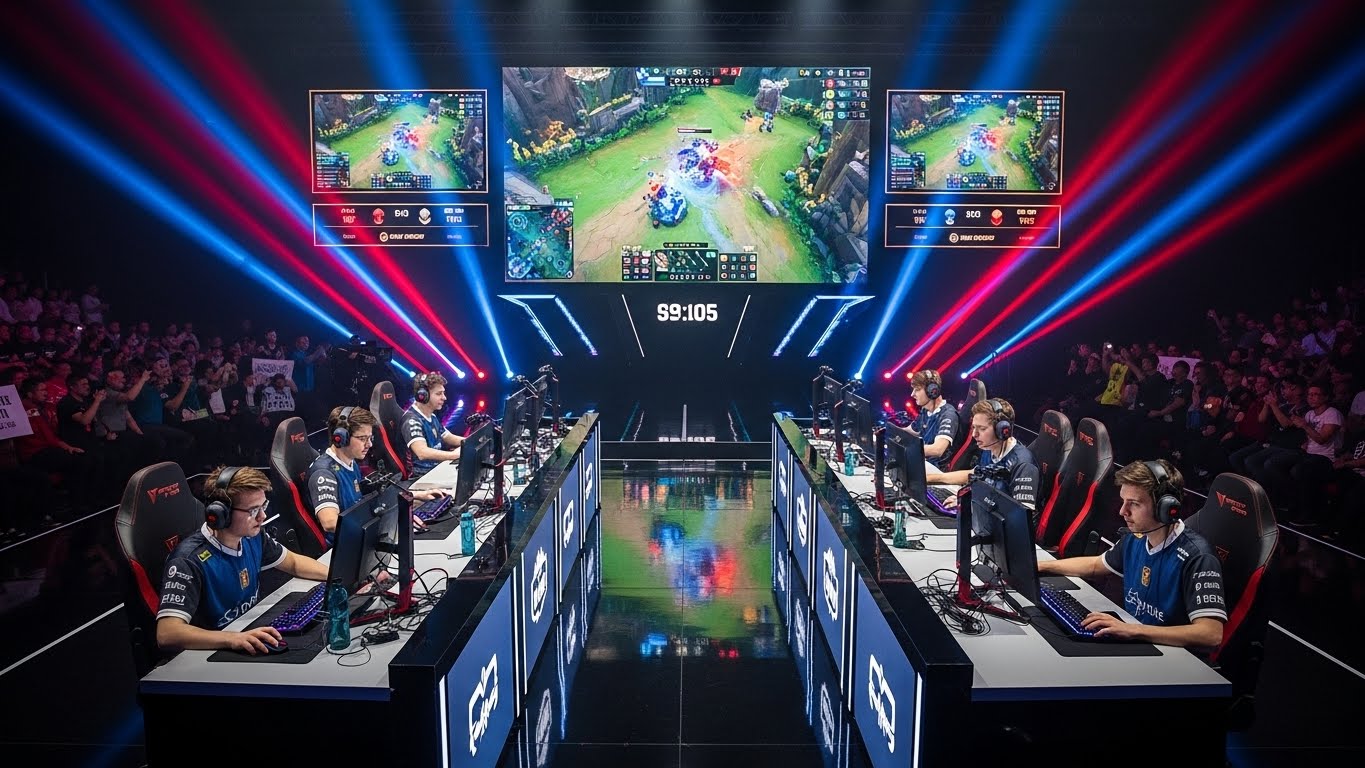
The essence of esports lies in skill, strategy, and teamwork. Players dedicate hours, sometimes years, to mastering their chosen games. Professional esports athletes must develop quick reflexes, strong hand-eye coordination, and sharp strategic thinking. They also need mental resilience, as high-pressure competitions often test their focus and decision-making under intense scrutiny.
The Evolution of Esports
The history of esports dates back several decades. In the 1970s, video game competitions began as small tournaments at universities or local arcades. The popularity of games like Space Invaders and Pac-Man set the stage for competitive gaming. However, it was not until the late 1990s and early 2000s that esports began to take shape as an organized industry.
With the rise of the internet and online gaming platforms, players could compete with others across the globe. Games like StarCraft and Counter-Strike became pioneers in competitive esports. Tournaments started offering cash prizes, and professional teams began to form, attracting sponsors and media attention. Over the years, esports has grown exponentially, now boasting multi-million-dollar prize pools and international recognition.
Major Esports Titles and Their Impact
Esports thrives on diversity in game genres, each attracting unique communities and fan bases. Multiplayer Online Battle Arena (MOBA) games like League of Legends and Dota 2 focus on strategic teamwork, requiring players to coordinate attacks, defend objectives, and manage in-game resources effectively. First-person shooters (FPS) like Counter-Strike: Global Offensive and Valorant emphasize reflexes, accuracy, and tactical planning. Battle Royale games such as Fortnite test survival instincts and adaptability, while sports simulation games like FIFA mirror traditional athletic competition.
Each of these titles has cultivated massive fan followings. Fans often identify with teams or individual players, similar to traditional sports fandom. Esports spectatorship is not limited to gameplay alone; it also includes live commentary, behind-the-scenes content, and player interactions, creating a rich and immersive experience.
The Esports Ecosystem
The esports industry is much more than just the players. It encompasses organizers, sponsors, broadcasters, content creators, coaches, analysts, and support staff. Tournament organizers arrange competitions ranging from small-scale online matches to grand international events. Sponsorship deals with brands and corporations provide financial backing, while broadcasters and streaming platforms bring the action to a global audience.
Content creators, such as streamers and influencers, play a critical role in promoting esports culture. They engage fans through live streams, tutorials, and gameplay highlights, generating excitement and building community. Coaches and analysts help professional players optimize their performance, focusing on strategy, teamwork, and skill improvement. The combination of all these elements forms a thriving ecosystem that sustains the growth of esports worldwide.
The Business of Esports
Esports is now a multi-billion-dollar industry with revenue streams spanning advertising, sponsorships, merchandise sales, media rights, and ticket sales. Professional leagues and tournaments often attract corporate sponsors, from technology brands to lifestyle companies. Major events like the League of Legends World Championship or The International for Dota 2 offer prize pools exceeding tens of millions of dollars, drawing attention from mainstream media and investors.
The rise of esports betting and fantasy leagues has further expanded its economic potential. Platforms allow fans to engage with matches actively, adding another layer of interaction and monetization. The business model of esports resembles traditional sports in many ways, but it also introduces innovative digital strategies that leverage streaming, social media, and virtual engagement.
Esports and Education
Esports is also influencing education. Schools and universities are incorporating esports programs, offering scholarships and structured training to talented players. Academic institutions recognize that esports can cultivate valuable skills such as teamwork, leadership, strategic thinking, and digital literacy. Esports clubs provide students with opportunities to compete, learn, and explore potential career paths within the gaming industry.
Additionally, esports-related courses in areas like game design, broadcasting, marketing, and event management are becoming increasingly popular. By integrating esports into education, institutions are preparing students for a rapidly growing industry while also legitimizing gaming as a skill-based profession.
The Global Reach of Esports
Esports has a massive international audience. Countries like South Korea, China, and the United States have been at the forefront of competitive gaming, with professional leagues, dedicated arenas, and passionate fan communities. In South Korea, esports athletes are celebrated celebrities, and esports tournaments are broadcast on national television. China hosts some of the largest tournaments in the world, drawing millions of online viewers, while the U.S. has seen a surge in esports infrastructure, with universities and professional teams investing heavily.
The accessibility of esports contributes to its global appeal. Anyone with an internet connection can participate or spectate, breaking down geographical barriers. Online platforms enable international competitions, allowing players from different countries to face off on a level playing field, creating a truly global phenomenon.
Challenges Facing the Esports Industry
Despite its rapid growth, esports faces several challenges. Player burnout is a significant concern due to the intense training schedules and high-pressure environment. Mental health issues such as stress, anxiety, and depression are increasingly recognized within the community. Maintaining a healthy work-life balance is essential for the longevity of esports careers.
Regulation and governance are also ongoing challenges. With the industry expanding quickly, establishing standardized rules, player contracts, and ethical practices is critical. Cheating, match-fixing, and doping have emerged as concerns, prompting organizations to implement stricter monitoring and disciplinary measures. Moreover, ensuring inclusivity and diversity within esports remains a priority, as certain demographics are underrepresented in professional gaming.
The Role of Technology in Esports
Technology plays a pivotal role in the growth of esports. High-speed internet, advanced gaming hardware, and live-streaming platforms have revolutionized how esports is played and consumed. Innovations such as virtual reality and augmented reality hold the potential to redefine competitive gaming experiences, offering immersive gameplay and spectator engagement.
Data analytics and performance tracking tools are becoming essential for professional teams. Coaches use sophisticated software to analyze player performance, optimize strategies, and simulate scenarios. Technology not only enhances the competitive edge of players but also enriches the viewing experience, allowing fans to engage with data-driven insights and live statistics.
The Future of Esports
The future of esports looks promising, with continuous growth in audience, investment, and infrastructure. Mainstream acceptance of esports as a legitimate sport is increasing, with discussions about inclusion in global multi-sport events gaining traction. Virtual reality tournaments, AI-enhanced coaching, and interactive fan experiences are likely to shape the next phase of esports evolution.
Esports is also likely to become more integrated with traditional sports, creating hybrid experiences. Collaborations between esports teams and professional sports franchises are already emerging, demonstrating the potential for cross-industry partnerships. As technology advances and cultural acceptance grows, esports will continue to redefine the boundaries of competitive entertainment.
Conclusion
Esports has transformed from a niche hobby into a global industry that captivates millions of players and fans. It combines skill, strategy, technology, and community, offering opportunities for careers, entertainment, and personal growth. Despite its challenges, esports has proven its staying power, shaping the future of gaming and redefining the meaning of competition. As the industry continues to evolve, one thing is clear: esports is not just about games—it is a cultural revolution that unites people across the world through passion, skill, and shared experiences.