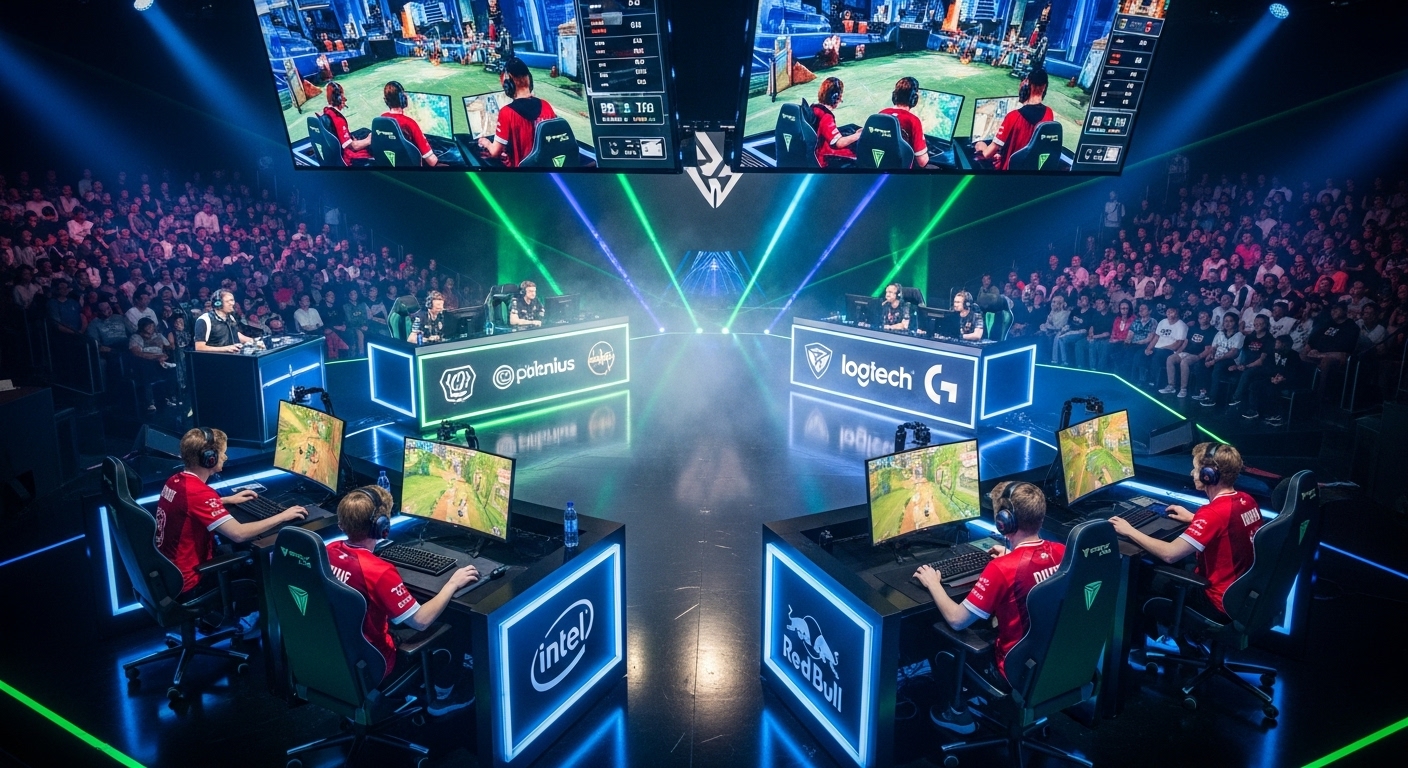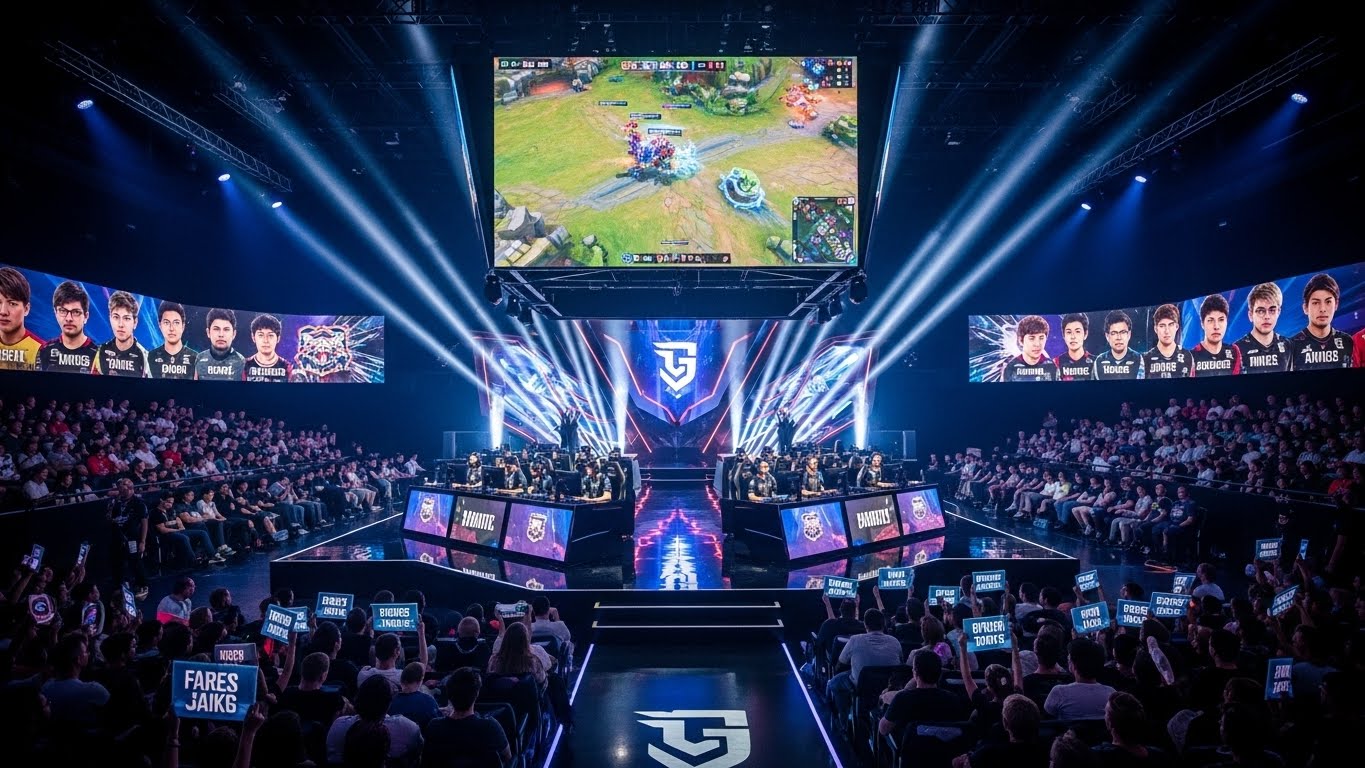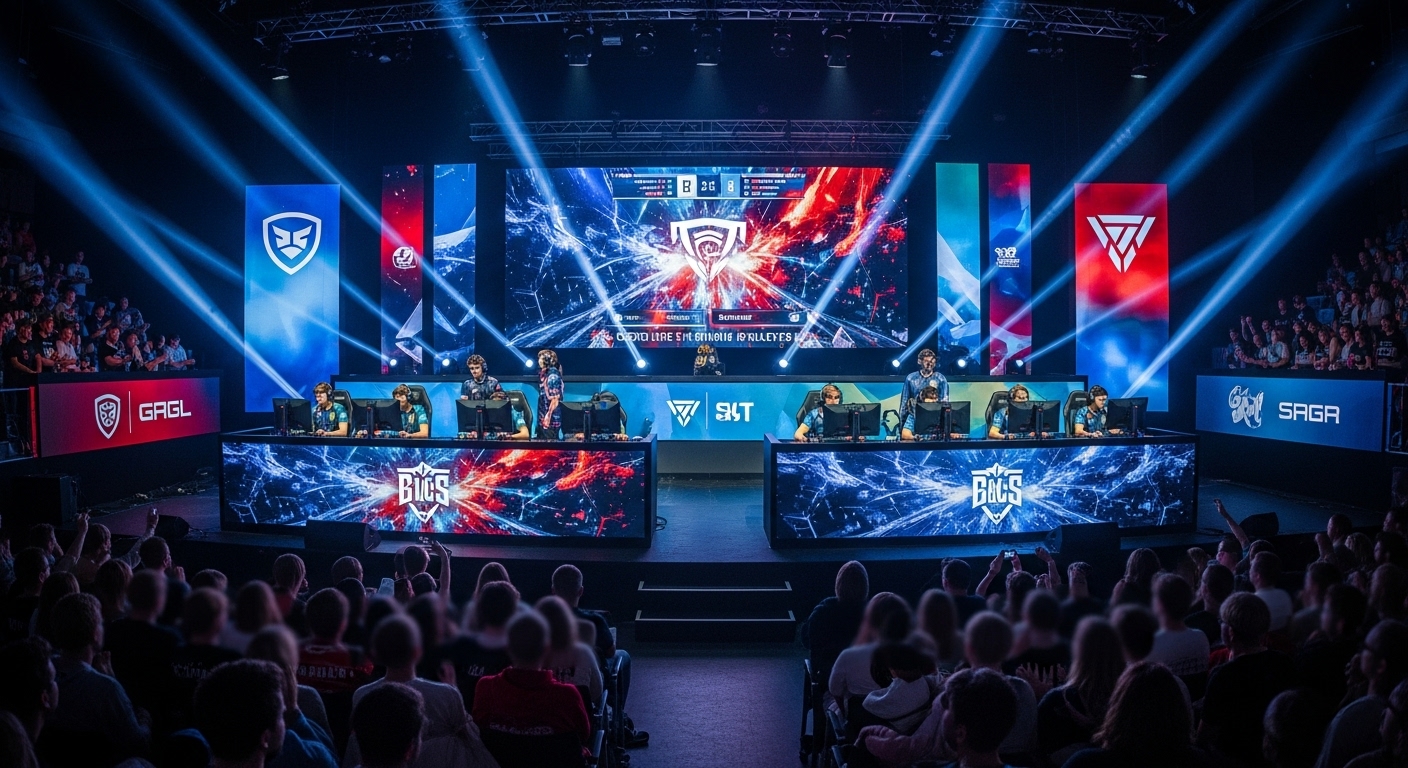
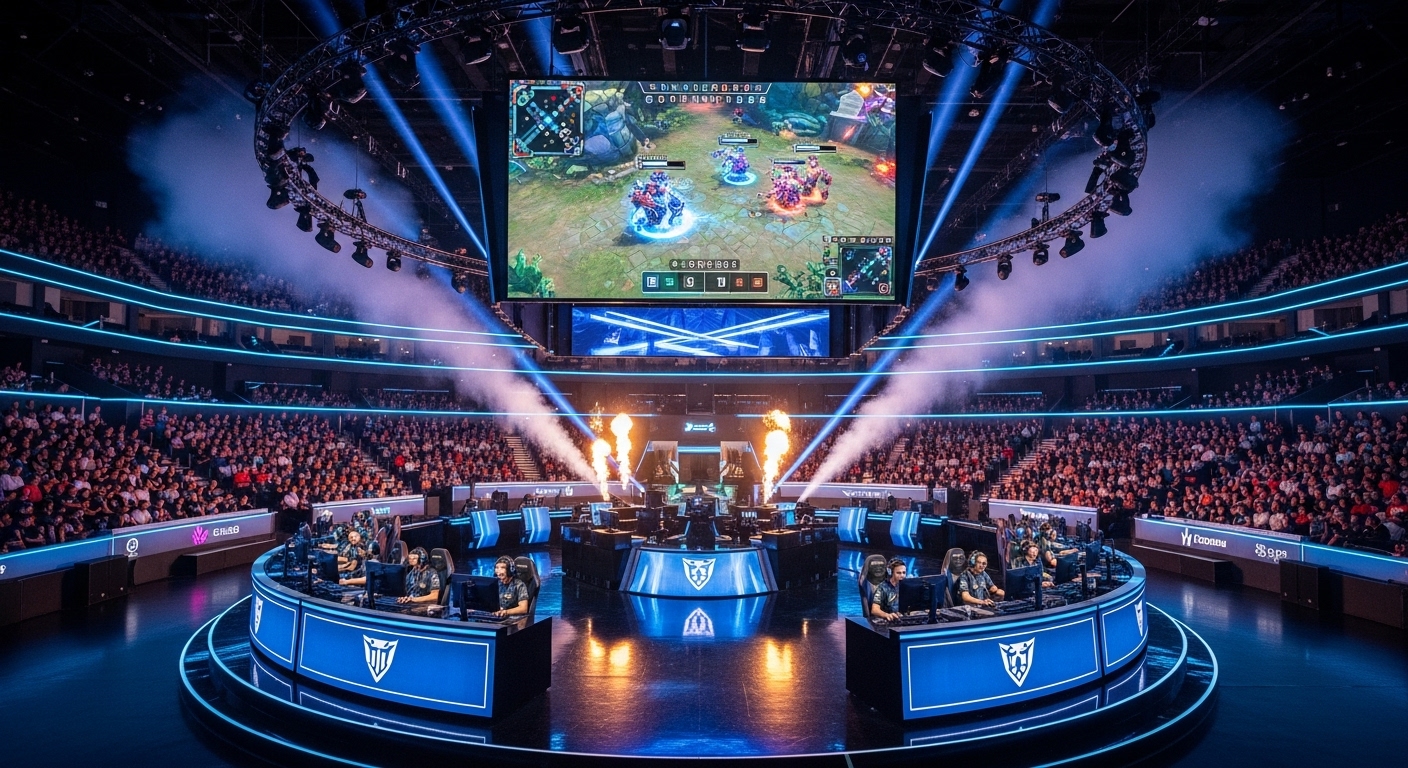
Esports, once viewed as a simple pastime for young gamers, has transformed into one of the fastest-growing global industries. What began as small arcade competitions has evolved into massive tournaments, professional teams, high-stakes prize pools, and a dedicated worldwide fan base. Today, esports is more than entertainment; it is a cultural movement, a professional pursuit, and a powerful example of how digital innovation is reshaping modern sports. This blog explores the journey of esports, its cultural and economic influence, and the revolutionary future it promises.
The Early Days of Competitive Gaming
The story of esports begins long before modern gaming consoles existed. In the early 1970s, players gathered around arcade machines to test their skills and challenge high scores. These small competitions marked the birth of competitive gaming. Titles like Space Invaders and Pac-Man became global sensations, drawing large crowds and inspiring early tournaments.
As technology advanced, home consoles and personal computers introduced new ways to play. Gamers connected at community centers, universities, and local events for friendly matches. Although the stakes were modest, these early experiences laid the foundation for the structured esports ecosystem we know today.
The Technological Leap That Changed Everything
The rise of the internet was the turning point that catapulted esports into mainstream attention. Online multiplayer games introduced a new level of competition, connecting players from different countries in real-time. Instead of local tournaments, gamers could now face opponents across the world.
Titles like StarCraft, Counter-Strike, and Warcraft became early favorites in the competitive scene, attracting communities that shared strategies, teamwork, and passion for high-level play. This online connectivity created global audiences, professional players, and a steady demand for organized tournaments.
The Birth of Professional Esports
By the early 2010s, esports had grown into a professional industry. Organized leagues, sponsorships, and dedicated esports organizations emerged. Teams recruited skilled players, provided training facilities, and offered salaries similar to those in traditional sports. Coaches, analysts, and managers joined the scene, bringing structure and professionalism.
Prize pools grew rapidly, often reaching millions. Tournaments filled stadiums. Fans attended live events with the same energy and excitement found in any major sporting arena. Esports officially entered the world of mainstream entertainment, attracting media coverage and global recognition.
Popular Esports Titles That Shaped the Industry
Esports is uniquely diverse, spanning many genres and gameplay styles. Each category has its own dedicated fan base and competitive ecosystem.
Multiplayer Online Battle Arenas
Games like League of Legends and Dota 2 dominate the MOBA genre. They require deep strategic thinking, teamwork, communication, and fast reflexes. Their tournaments regularly draw millions of viewers, making them pillars of the esports community.
First-Person Shooters
FPS titles such as Counter-Strike: Global Offensive, Valorant, and Call of Duty have shaped esports with intense, fast-paced gameplay. These games reward precision, strategy, and quick decision-making, offering exciting viewing experiences for fans.
Battle Royale Games
Fortnite and Apex Legends introduced unpredictable, survival-based competitions. Their massive player bases and unique mechanics brought a new wave of popularity to esports, especially among younger gamers.
Sports and Racing Games
FIFA, NBA 2K, and racing simulators created competitive pathways for fans of traditional sports. These games blend real-world strategy with digital innovation, expanding esports to wider audiences.
Fighting Games
Titles like Street Fighter, Tekken, and Super Smash Bros. focus on individual skill and fast coordination. Fighting game tournaments create some of the most intense and dramatic moments in the esports world.
The Power of Streaming and Online Audiences
Streaming platforms revolutionized esports by giving fans direct access to competitions, player personalities, and team content. Instead of waiting for televised coverage, viewers can watch live matches anytime and interact through comments and community events.
This accessibility helped esports grow more rapidly than many traditional sports. Fans develop personal connections to players, follow their practice sessions, and engage with behind-the-scenes content. As a result, esports created one of the most interactive and loyal audiences in modern entertainment.
Sponsorships and the Business of Esports
The economic impact of esports is tremendous. Brands across technology, fashion, food, and lifestyle industries invest heavily in teams and events. Sponsorships provide essential revenue for players, organizations, and tournament hosts.
Companies recognize esports as a gateway to younger, digitally engaged audiences. Unlike traditional advertising, esports integrates branding through team apparel, event banners, digital overlays, and in-game promotions. For businesses, esports offers a modern and highly effective marketing opportunity.
The Life of a Professional Esports Player
Becoming an esports athlete requires dedication, discipline, and countless hours of practice. Players train daily to develop strategies, improve mechanics, and build teamwork. Like traditional athletes, they must maintain focus, manage pressure, and compete at the highest level.
Professional players also work with coaches, analysts, nutritionists, and mental health specialists. This support system helps them prepare physically and emotionally for challenges within the intense competitive environment.
Esports Education and Academic Opportunities
As esports grows, educational institutions are embracing the industry. Universities now offer esports scholarships, academic programs, and competitive teams. Students can study game design, digital media, esports management, and broadcasting.
These programs highlight esports as a respected professional field. Whether students aspire to play competitively, manage events, design games, or work in marketing, the industry offers diverse career paths.
The Cultural Influence of Esports
Esports has reshaped modern culture. It influences music, fashion, entertainment, and social media trends. Professional players and streamers often reach celebrity status, collaborating with brands and influencers across various industries.
Esports also promotes global connectivity. Fans and players from different cultures engage in shared digital communities. International tournaments celebrate diversity, bringing people together through a shared passion for gaming.
Challenges in the Esports Industry
Despite its success, esports faces important challenges that must be addressed for long-term growth:
Player Burnout
Intense training schedules and high expectations cause stress, fatigue, and physical strain for players.
Inclusivity Barriers
Women and players from underrepresented regions still face obstacles within the competitive scene.
Regulation
Standardized rules, contracts, and policies are needed across tournaments and organizations.
Ethical Concerns
Issues like cheating, match-fixing, and gambling require strict monitoring and preventative measures.
These challenges highlight the importance of responsibility, fairness, and sustainability within the industry.
The Future of Esports
The future of esports is bright and full of possibilities. Advancements in virtual reality, augmented reality, and artificial intelligence will transform gameplay and spectator experiences. More regions around the world are developing esports infrastructure, bringing new talent and audiences into the global arena.
Traditional sports organizations are collaborating with esports teams, creating hybrid events and expanding fan communities. As technology evolves, esports will continue to break boundaries and push the limits of digital entertainment.
Why Esports Matters Today
Esports matters because it represents innovation, creativity, and the evolving nature of human competition. It showcases teamwork, strategic thinking, and dedication. It creates opportunities for players, developers, coaches, designers, broadcasters, and fans.
Most importantly, esports reflects the modern world. It connects people through digital spaces, celebrates diverse talents, and proves that passion and skill can unite communities across the globe.
Conclusion: A New Era of Competition
Esports has grown from simple arcade clashes to a global cultural movement. Its rise demonstrates the power of technology, creativity, and community. Today, esports stands alongside traditional sports as a respected, influential, and rapidly expanding industry. As more people discover the excitement of competitive gaming, the world of esports will continue to evolve, inspire, and redefine the future of entertainment.