
Introduction: The Rise of Esports
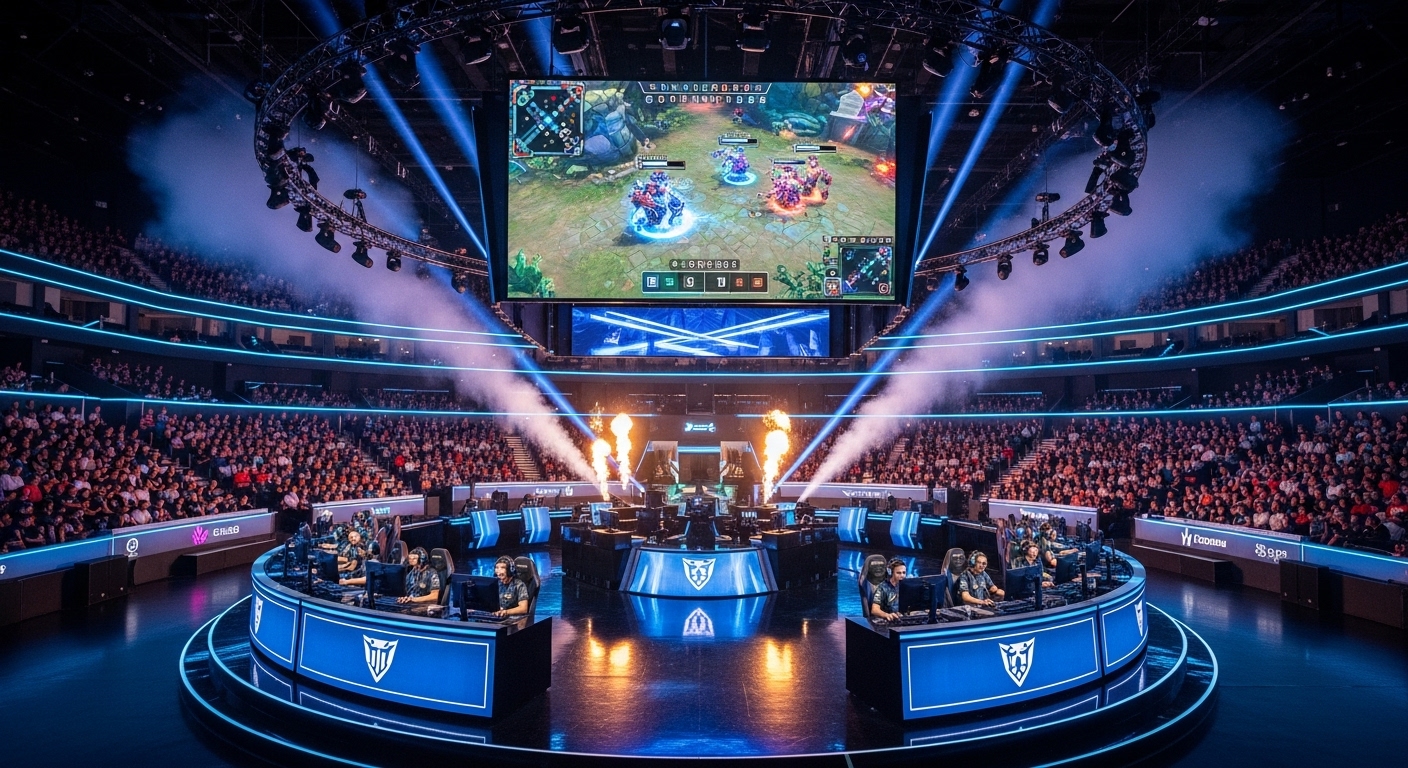
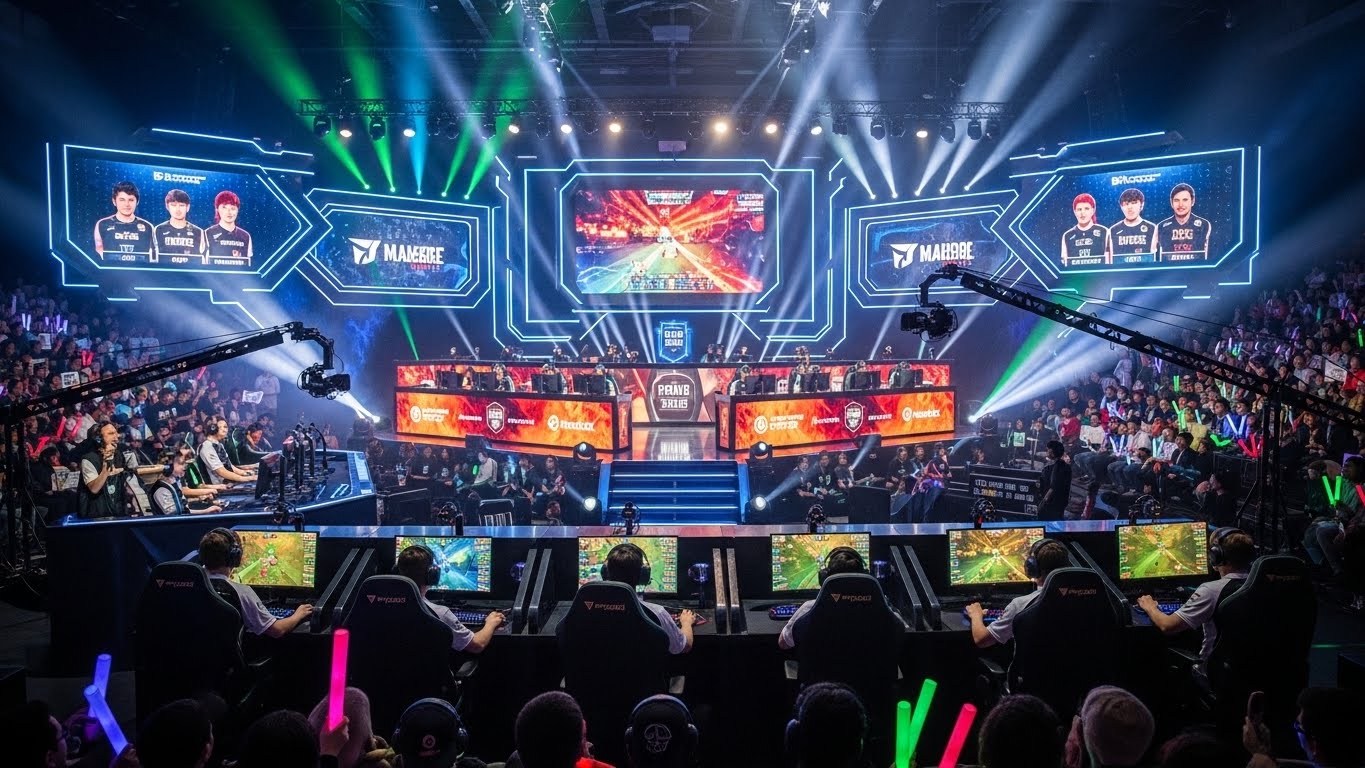
Esports, short for electronic sports, has transformed from a niche hobby into a global phenomenon. What began as casual competitions between gamers has evolved into an industry worth billions, attracting millions of viewers and players worldwide. Esports now stands as a legitimate and respected form of competitive entertainment, with professional players, massive sponsorships, live events, and an ever-expanding audience.
The rise of esports has reshaped the way we think about sports, competition, and entertainment. Once considered a pastime for a select few, it now occupies a central place in mainstream media. From esports tournaments filling arenas to streaming platforms broadcasting competitions to millions, the digital arena is now as thrilling and influential as any traditional sporting event. This blog post explores the rise of esports, its impact on entertainment and culture, and what the future holds for this exciting and rapidly growing industry.
The Origins of Esports
The roots of esports can be traced back to the early days of video gaming. In the 1970s and 1980s, simple arcade games like “Space Invaders” and “Pong” became popular pastimes. Competitive gaming emerged as players began challenging each other for high scores and bragging rights. However, it was not until the 1990s that esports began to take shape as a formal competition.
In the early days, local LAN (Local Area Network) parties and tournaments were the driving forces behind competitive gaming. Games like “Warcraft,” “StarCraft,” and “Quake” were some of the first to feature organized competitions. The first major esports tournament was the 1997 Red Annihilation Tournament for “Quake,” which attracted thousands of players and spectators. As internet speeds improved and online multiplayer games gained popularity, esports competitions became more widespread.
The 2000s saw the establishment of professional esports leagues, with events like the World Cyber Games (WCG) and the Electronic Sports World Cup (ESWC) gaining recognition. These tournaments helped solidify esports as a global phenomenon, and the growth of streaming platforms like Twitch in the late 2000s opened new doors for fans to watch live gameplay and interact with players.
The Growth of Esports as a Global Industry
Today, esports is a massive global industry. It spans multiple games, including titles like “League of Legends,” “Dota 2,” “Counter-Strike: Global Offensive,” “Fortnite,” and “Overwatch.” Esports tournaments and leagues now draw millions of viewers, with some events even surpassing traditional sports in terms of viewership and media attention. The “League of Legends” World Championship, for example, attracts an audience of over 100 million viewers each year, rivaling the Super Bowl in terms of global reach.
A key driver of esports’ growth has been its accessibility. With the proliferation of high-speed internet and the increasing power of personal computers and consoles, anyone with a computer or gaming device can participate in esports, whether they are playing competitively or simply watching their favorite streamers. This accessibility has helped esports gain massive popularity among younger generations, who see it as a natural extension of their love for gaming.
Esports’ growth has also been fueled by lucrative sponsorship deals, media rights, and partnerships with major brands. Companies like Coca-Cola, Intel, and Red Bull have become major sponsors of esports events, providing financial support and legitimacy to the industry. Additionally, the rise of streaming platforms like Twitch and YouTube Gaming has allowed esports competitions to reach audiences all over the world, offering fans the ability to watch live events and interact with players in real-time.
The Mechanics of Esports: Games, Tournaments, and Leagues
At the core of esports are the games themselves. Esports encompasses a wide variety of competitive games, ranging from first-person shooters (FPS) and real-time strategy (RTS) games to multiplayer online battle arena (MOBA) games and battle royale titles. Each genre brings its own unique style of competition, but all require skill, strategy, and teamwork to succeed.
The most popular esports games include:
- League of Legends: A multiplayer online battle arena (MOBA) game where teams of five players battle to destroy the opponent’s base. It is one of the most-watched esports titles globally.
- Dota 2: Another MOBA game, known for its complex gameplay and massive prize pools. The “International,” Dota 2’s annual tournament, offers some of the highest prize pools in esports history.
- Counter-Strike: Global Offensive: A first-person shooter (FPS) game where teams of terrorists and counter-terrorists compete in a series of objective-based rounds. It has a long history in competitive gaming and remains a fan favorite.
- Fortnite: A battle royale game that has gained massive popularity among both casual players and professional esports athletes. It features a unique blend of combat and building mechanics.
- Overwatch: A team-based first-person shooter (FPS) game that blends traditional FPS gameplay with hero abilities, making it a dynamic and strategic esports title.
Tournaments are organized events where professional players and teams compete for cash prizes, sponsorships, and prestige. These tournaments are often hosted by game developers or third-party organizations and are broadcasted live to audiences worldwide. Major esports tournaments like “The International” for Dota 2, the “League of Legends” World Championship, and the “CS:GO Major” are watched by millions of fans and feature multimillion-dollar prize pools.
In addition to individual tournaments, esports has seen the rise of professional leagues that mirror the structure of traditional sports leagues. The Overwatch League (OWL) and League of Legends Championship Series (LCS) are two of the most prominent examples. These leagues feature teams from around the world, competing in regular seasons and playoffs for championship titles. The professionalization of esports has given players and teams the opportunity to earn a living from competitive gaming, with salaries, sponsorships, and tournament earnings providing a sustainable income.
Esports as a Cultural Phenomenon
Esports has become a cultural movement that extends beyond gaming. It has introduced new forms of entertainment, new celebrities, and a new way of connecting people. Esports players, or “pro gamers,” are now celebrities in their own right, with millions of fans following their careers, watching their streams, and attending their live events. Top players like Faker (Lee Sang-hyeok) and s1mple (Oleksandr Kostyliev) have become icons, with devoted fan bases that rival those of athletes in traditional sports.
Streaming platforms like Twitch have played a significant role in the cultural expansion of esports. Fans can watch live gaming sessions, chat with their favorite players, and participate in a global community of like-minded individuals. Esports also integrates with pop culture, with games like “Fortnite” collaborating with brands, music artists, and celebrities to create special in-game events and crossover content.
Additionally, the rise of esports has created a new job market within the gaming industry. From professional players to coaches, analysts, event organizers, broadcasters, and social media influencers, esports offers a wide range of career opportunities. The professionalization of esports has brought with it a focus on fitness, strategy, mental health, and teamwork, creating a holistic approach to esports performance.
The Economic Impact of Esports
The economic impact of esports cannot be understated. The industry is valued at billions of dollars, with revenue generated through sponsorships, advertising, media rights, ticket sales, and merchandise. Esports organizations and teams have attracted significant investments from major companies, making it a viable and sustainable business venture.
The booming esports industry has also driven demand for specialized gaming equipment, such as high-performance computers, peripherals, and streaming gear. Companies that manufacture gaming hardware, like Razer, Logitech, and Alienware, sponsor esports events and players, further bolstering the economic ecosystem surrounding competitive gaming.
Esports has also contributed to the growth of the tourism and hospitality industries. Major tournaments attract thousands of fans who travel to attend live events, creating a significant economic boost for host cities. In 2019, the “League of Legends” World Championship generated millions of dollars in ticket sales, merchandise, and local spending.
The Future of Esports: Growth and Challenges
Esports is poised for continued growth in the coming years, with new games, new technologies, and new markets expanding the reach of competitive gaming. As the industry matures, there are several factors that will shape the future of esports.
Technological innovation will continue to play a pivotal role in the development of esports. Advances in virtual reality (VR), augmented reality (AR), and cloud gaming could lead to more immersive and accessible esports experiences. These technologies have the potential to make esports even more engaging for fans, while also broadening the appeal of competitive gaming to a wider audience.
Another factor driving the future of esports is the global expansion of the industry. While esports is already popular in regions like North America, Europe, and Asia, emerging markets such as Latin America, the Middle East, and Africa represent untapped potential. As internet infrastructure improves and gaming culture grows in these regions, the esports ecosystem will become even more global.
However, the esports industry also faces challenges, including mental health concerns for players, issues around sustainability, and the need for more regulation to ensure fairness and transparency in competitions. These challenges will require the collective effort of game developers, event organizers, and players to address in order to maintain the integrity and longevity of esports.