Introduction
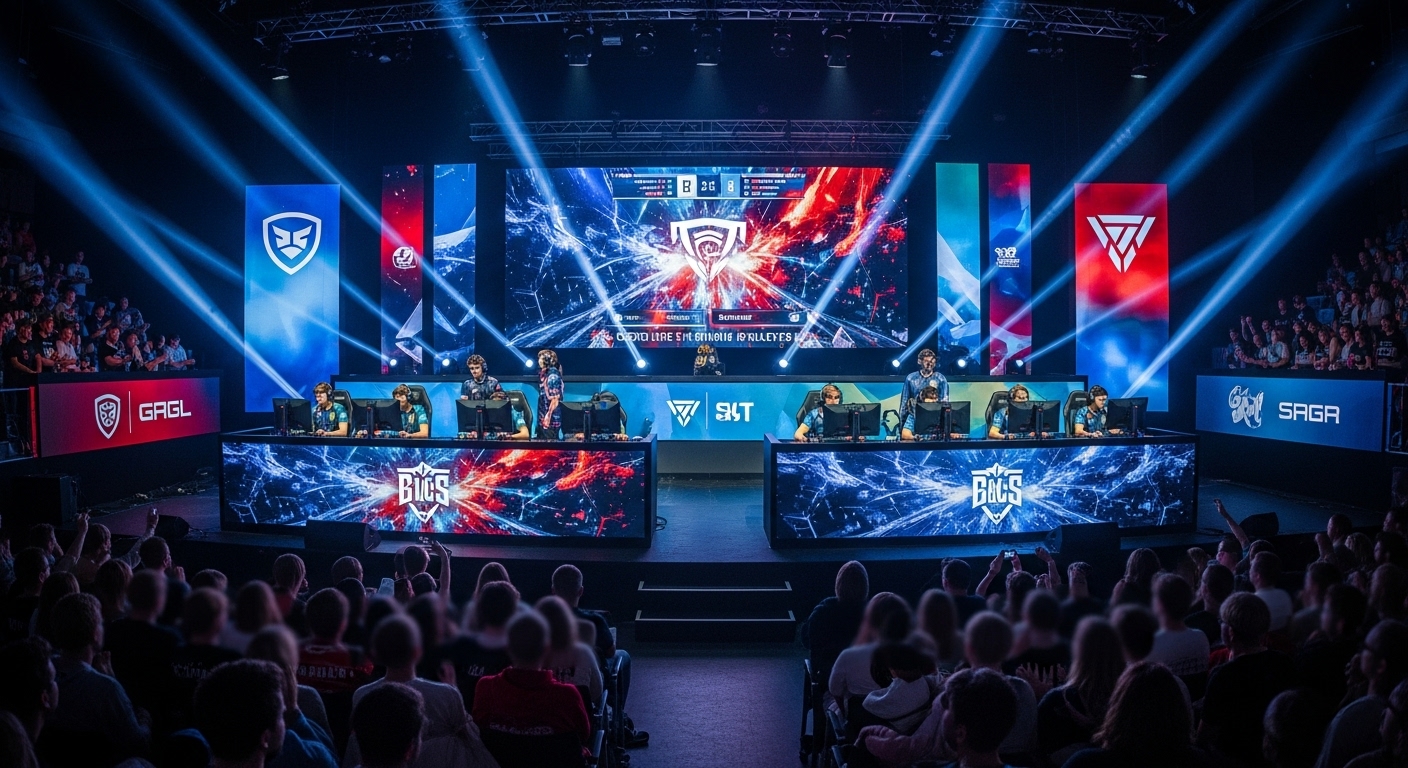
In recent years, the world of gaming has experienced an unprecedented transformation. What was once considered a casual pastime has evolved into a professional arena where skill, strategy, and teamwork reign supreme. This phenomenon, known as esports, has become a global sensation, attracting millions of viewers, professional players, and significant investments. Esports is no longer just about playing video games; it is a cultural movement that blends technology, entertainment, and competition into one dynamic industry.
The Rise of Esports
The origins of esports can be traced back to local video game competitions in the late 20th century. Early tournaments were small-scale events, often organized by gaming communities or local arcades. Titles like Street Fighter, StarCraft, and Counter-Strike laid the foundation for competitive gaming, demonstrating that players could transform skill into a form of entertainment that people would actively watch.
With the advent of high-speed internet, live streaming platforms, and global connectivity, esports transcended geographical boundaries. Players no longer needed to compete in person; online tournaments allowed gamers from across the globe to face off in real time. This shift marked the beginning of esports as a professional and commercially viable industry.
Popular Esports Titles
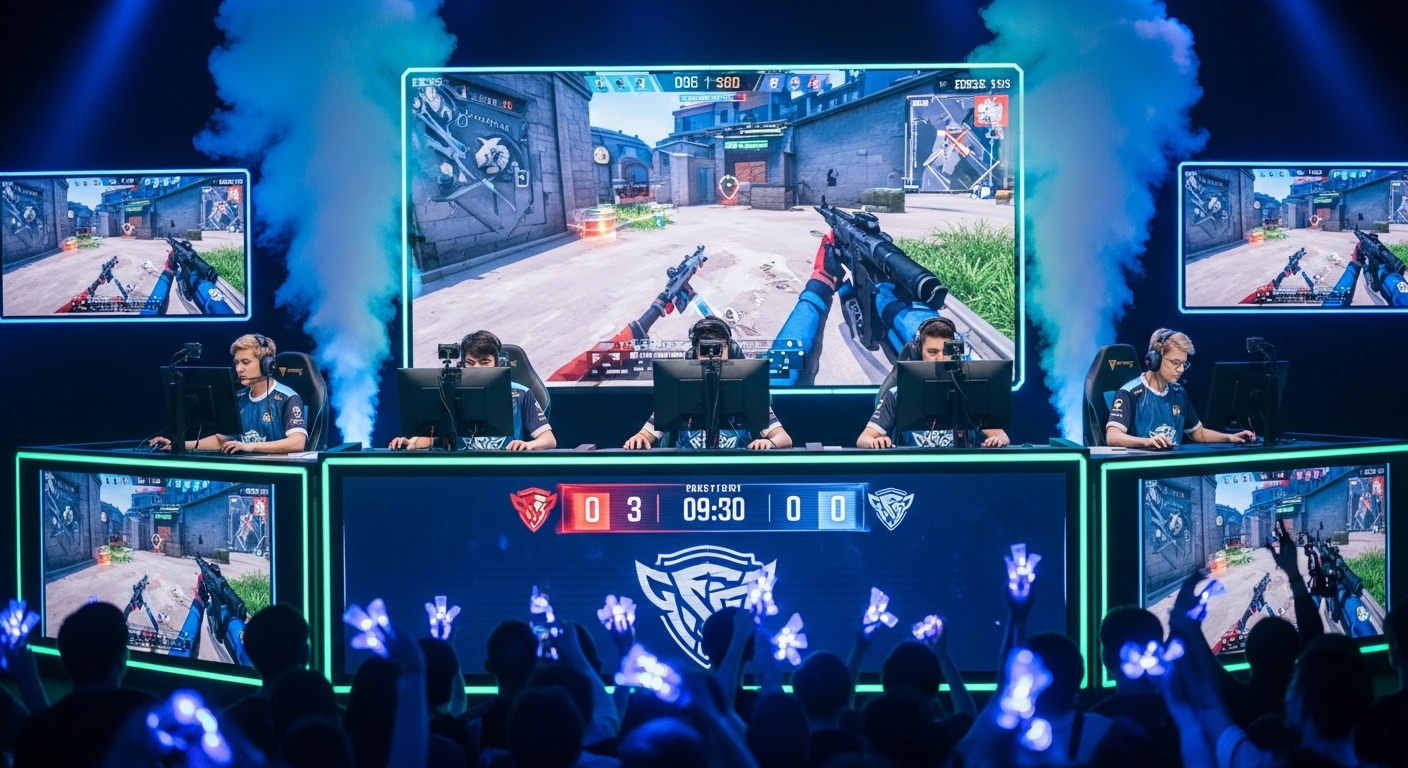
Esports encompasses a wide range of video game genres, each offering unique challenges and strategies. Multiplayer online battle arena (MOBA) games such as League of Legends and Dota 2 dominate the competitive scene due to their complex gameplay and team-oriented dynamics. First-person shooters (FPS) like Counter-Strike: Global Offensive and Valorant attract audiences with their fast-paced action and precision-based gameplay.
Battle royale games such as Fortnite and Apex Legends have brought a fresh dimension to esports by blending survival mechanics with large-scale competition. Additionally, sports simulation games like FIFA and NBA 2K provide a bridge between traditional sports fans and the gaming world, expanding the audience further. Each game brings its own culture, fan base, and competitive ecosystem, making esports a diverse and ever-evolving field.
The Professional Esports Ecosystem
Professional esports is supported by a complex ecosystem that mirrors traditional sports in many ways. Players often join teams, undergo rigorous training schedules, and compete in national and international tournaments. Sponsorships, endorsements, and prize money provide financial incentives that allow esports to function as a full-time career for many players.
Teams are typically supported by coaches, analysts, and support staff who help optimize performance. Much like traditional athletes, esports professionals undergo physical and mental training to maintain focus, reflexes, and strategic thinking. The industry has also seen the emergence of esports organizations that manage multiple teams, provide resources for players, and negotiate sponsorship deals.
Streaming and Spectatorship
One of the defining characteristics of esports is its spectatorship. Unlike traditional sports, esports thrives on digital platforms where fans can watch live tournaments, follow their favorite players, and engage with content creators. Platforms like Twitch and YouTube Gaming have become central hubs for esports viewership, providing live streams, highlight reels, and interactive features such as live chat.
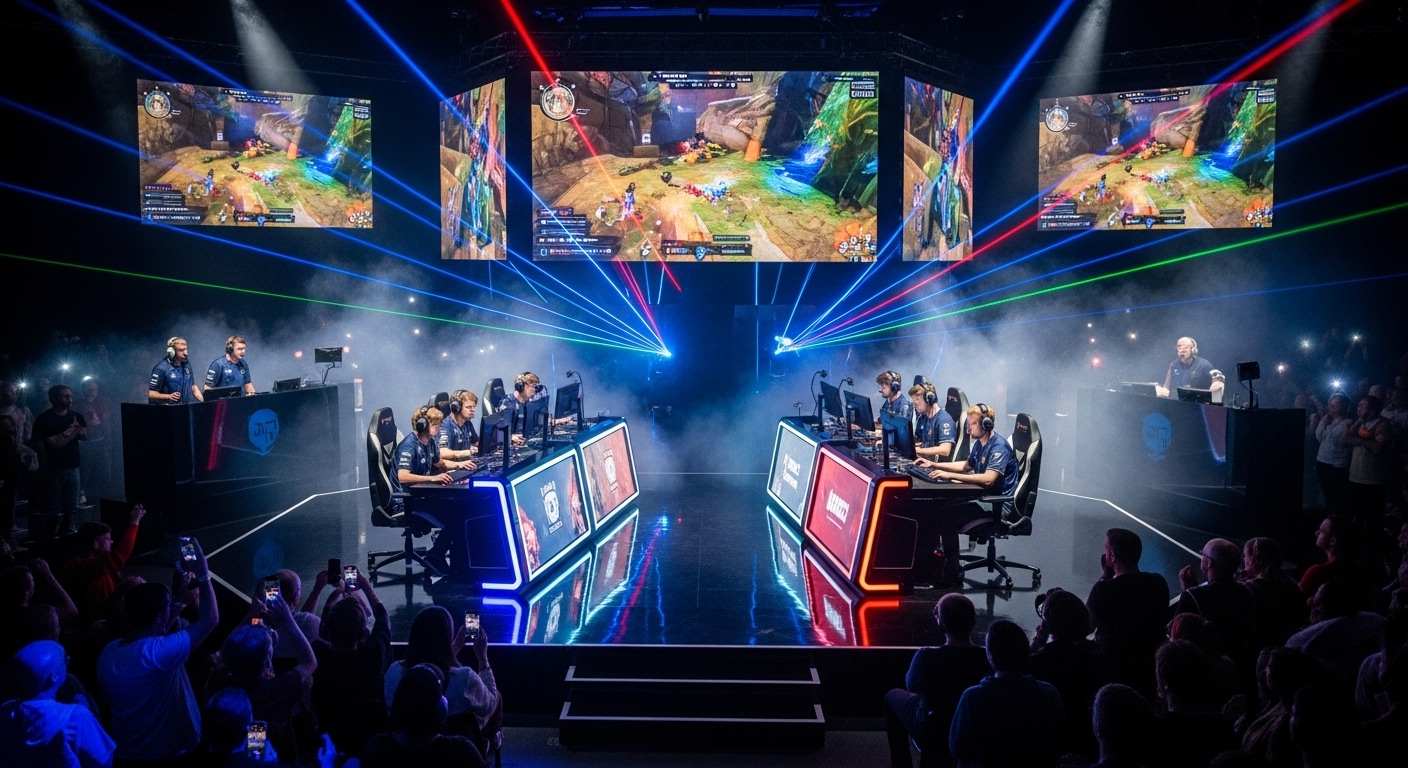
Esports tournaments often attract massive audiences, with events like The International (Dota 2) and the League of Legends World Championship drawing millions of viewers worldwide. The interactive nature of these platforms allows fans to engage with the content in ways traditional sports cannot, such as voting for MVPs, predicting outcomes, or participating in fan-driven discussions. This level of engagement has helped esports cultivate a vibrant and loyal community.
The Economic Impact of Esports
The economic impact of esports has grown exponentially over the past decade. Revenue streams include tournament prize pools, sponsorship deals, merchandise sales, streaming subscriptions, and media rights. Major corporations recognize the potential of esports as a marketing platform, investing in teams and events to reach younger, tech-savvy audiences.
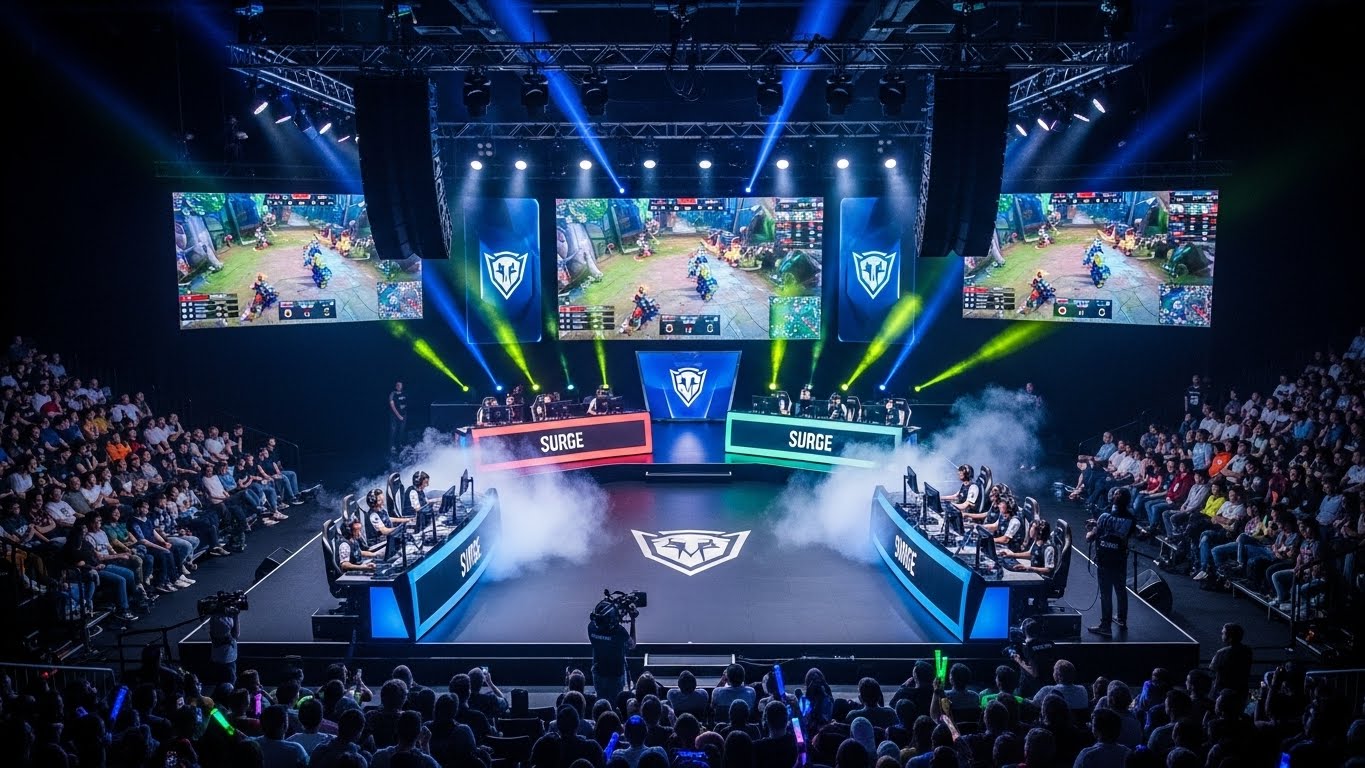
Esports also contributes to local economies through event hosting, tourism, and employment opportunities. Large tournaments often take place in arenas or stadiums, drawing spectators who spend on travel, accommodation, and entertainment. This economic dimension underscores that esports is not just a hobby but a multi-billion-dollar industry with tangible financial influence.
The Role of Technology in Esports
Technology plays a central role in shaping the esports landscape. Advanced gaming hardware, high-speed internet, and sophisticated analytics tools enable players to perform at peak levels. Virtual reality and augmented reality are also beginning to explore new dimensions in esports, potentially redefining the way players and audiences interact with games.
Data analytics is increasingly vital, with teams analyzing player statistics, in-game metrics, and opponent tendencies to gain a competitive edge. Artificial intelligence and machine learning are being integrated to provide strategic insights, improve training routines, and enhance game design. Technology not only drives player performance but also enriches the spectator experience, making esports a uniquely digital form of entertainment.
Esports and Education
Interestingly, esports has begun to intersect with education, with schools and universities offering scholarships and programs focused on competitive gaming. Collegiate esports leagues provide students with opportunities to develop teamwork, leadership, and strategic thinking skills while pursuing their academic goals.
Educational institutions recognize that esports can teach problem-solving, communication, and resilience. These programs also create pathways for careers beyond professional play, including roles in game design, broadcasting, marketing, and event management. As esports becomes more mainstream, its integration into education highlights its potential as both a career and a developmental tool.
Challenges in the Esports Industry
Despite its rapid growth, esports faces several challenges. One significant issue is the perception of gaming as a legitimate profession. Many skeptics question whether esports careers are sustainable in the long term, given the relatively short competitive lifespan of players.
Mental health is another concern, as the pressures of professional play, constant travel, and public scrutiny can lead to stress, burnout, and other psychological challenges. Additionally, the industry faces issues related to fairness, cheating, and toxic behavior within gaming communities. Regulatory frameworks and ethical standards are still developing, highlighting the need for responsible management and governance within esports.
The Cultural Impact of Esports
Esports has had a profound cultural impact, shaping how people interact with technology and entertainment. It has cultivated global communities that transcend geographic, cultural, and linguistic boundaries. Fans celebrate their favorite players and teams with fervor comparable to traditional sports, while cosplaying, fan art, and online discussions create a vibrant fan culture.
Moreover, esports has influenced other industries, from fashion to music, with collaborations between brands and gaming personalities. This cultural penetration demonstrates that esports is more than a competitive activity—it is a social phenomenon that influences lifestyle, identity, and entertainment trends.
The Future of Esports
Looking ahead, the future of esports appears bright and full of innovation. Emerging technologies such as cloud gaming, virtual reality, and advanced analytics will continue to enhance gameplay and viewer experiences. The industry is likely to see further integration with mainstream sports, media, and entertainment, solidifying its place in popular culture.
Global expansion is also anticipated, with new regions investing in esports infrastructure, leagues, and talent development. As the industry matures, greater standardization, professionalization, and accessibility will ensure that esports remains a viable and inclusive platform for both players and fans worldwide.
Conclusion
Esports has evolved from humble beginnings into a global powerhouse that blends competition, technology, and culture. It offers players the chance to turn passion into profession, provides fans with unprecedented access to entertainment, and drives economic growth in diverse ways. As technology and society continue to evolve, esports will undoubtedly play a pivotal role in shaping the future of competitive entertainment.
The phenomenon of esports is not just about games—it is about human potential, creativity, and connection in a digital age. Whether you are a player, a fan, or an observer, one thing is clear: esports has firmly established itself as a legitimate, influential, and enduring part of modern culture.