Introduction: Entering the World of Esports
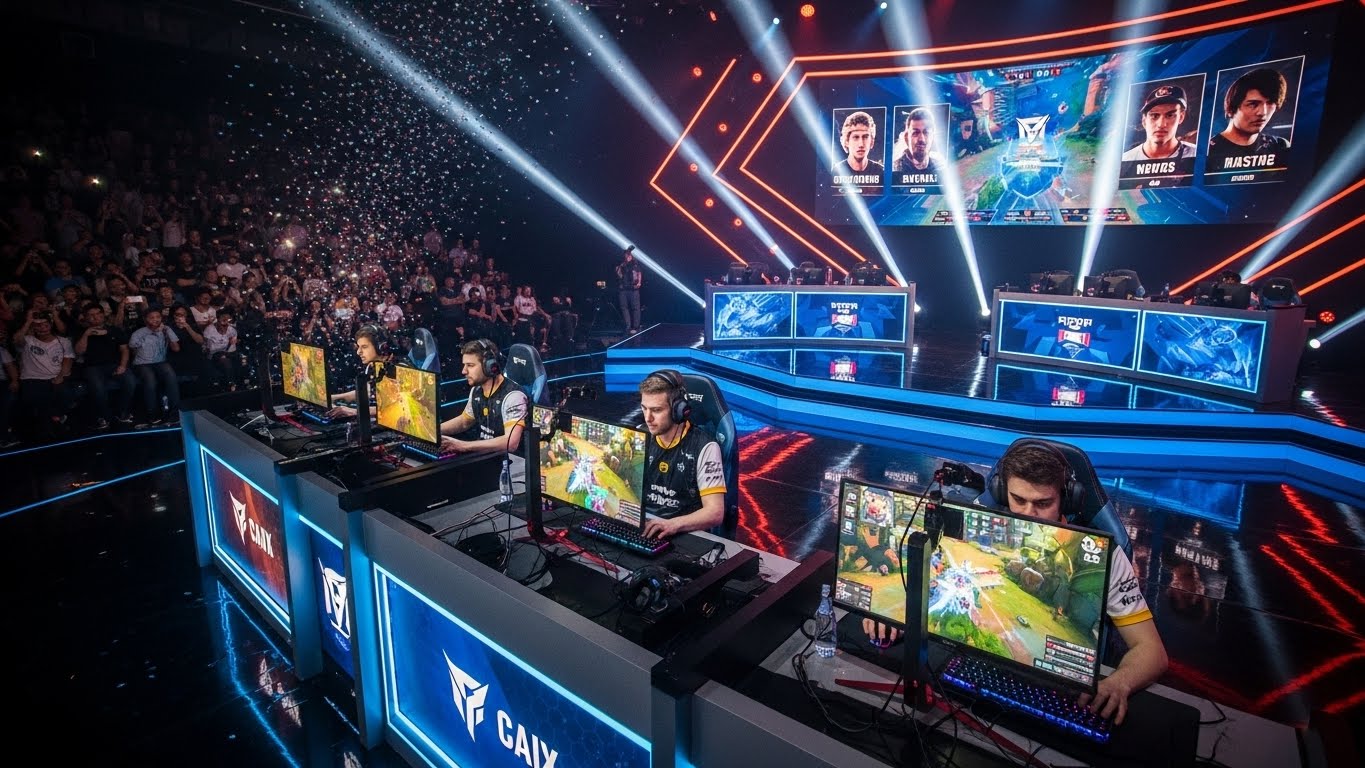
In recent years, a new form of competition has captured the attention of millions around the world — esports. Short for electronic sports, esports represents organized, competitive gaming that attracts both players and spectators alike. While gaming has been a popular pastime for decades, esports has transformed it into a legitimate, professional arena with global tournaments, massive prize pools, and millions of fans.
The rise of esports is not just a reflection of the gaming industry but a window into the future of entertainment, technology, and digital culture. From local competitions in arcades to massive international events streamed online, esports has become a global phenomenon, bridging cultures, ages, and communities through shared passion.
The Origins of Esports: From Arcades to Online Battlefields
The journey of esports began in the early 1970s and 1980s when video games like Pong, Space Invaders, and Pac-Man started appearing in arcades. Early gaming competitions were simple contests of skill, often limited to small groups of enthusiasts. One of the first recorded video game tournaments took place at Stanford University in 1972, featuring the game Spacewar.
During the 1990s, as home computers and gaming consoles became more widespread, competitive gaming gained momentum. Games like Street Fighter II, Doom, and StarCraft introduced multiplayer competition and strategic gameplay, laying the groundwork for modern esports. The advent of the internet further accelerated the phenomenon, allowing players to connect and compete globally. Online gaming communities began forming, and organized tournaments became possible without physical proximity.
By the early 2000s, professional teams and leagues started to emerge. Sponsorships and media coverage followed, setting the stage for the explosion of esports as a mainstream industry.
The Golden Age of Esports: 2010 Onwards
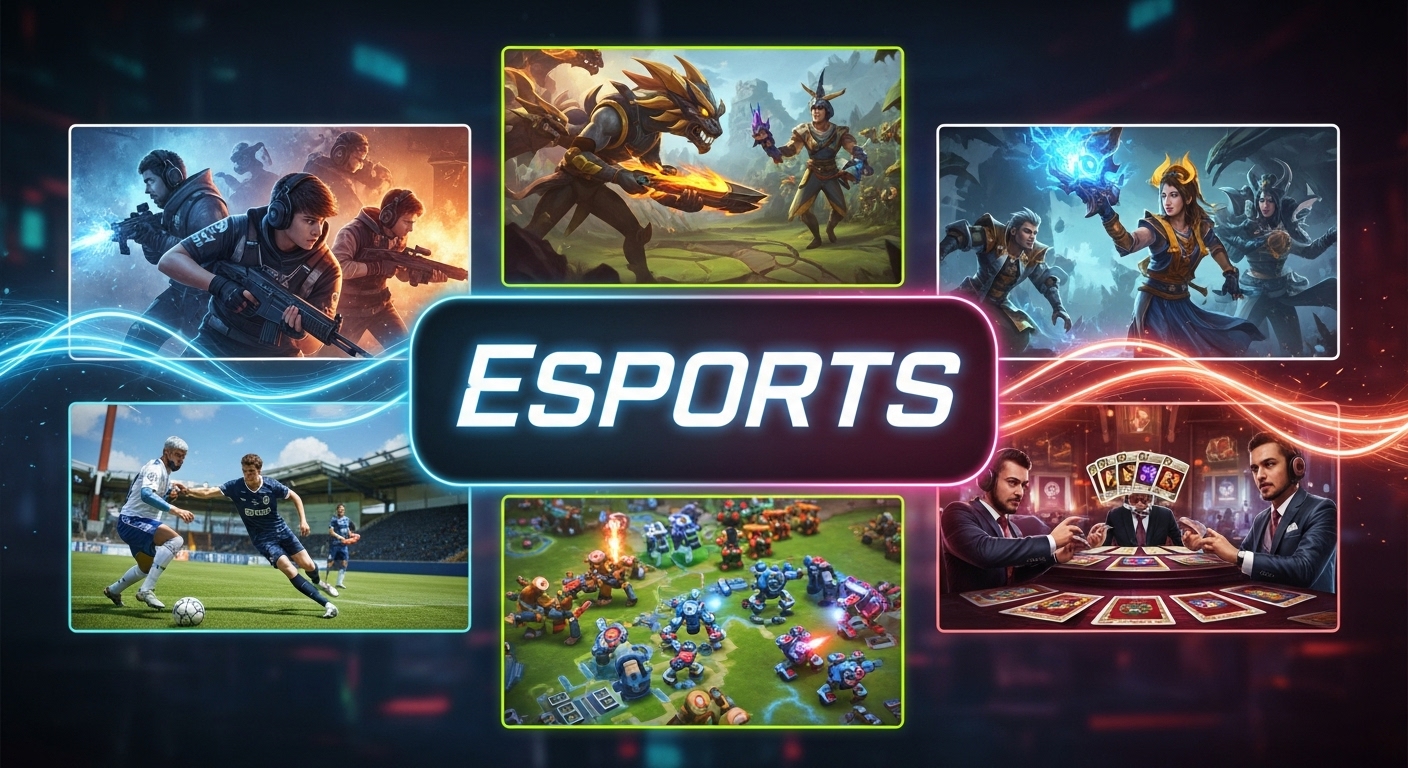
The 2010s marked the transformation of esports from a niche hobby into a mainstream entertainment powerhouse. Games like League of Legends, Dota 2, Counter-Strike: Global Offensive, and Overwatch captured the attention of millions. These titles not only challenged players’ skills but also created compelling narratives that drew in spectators.
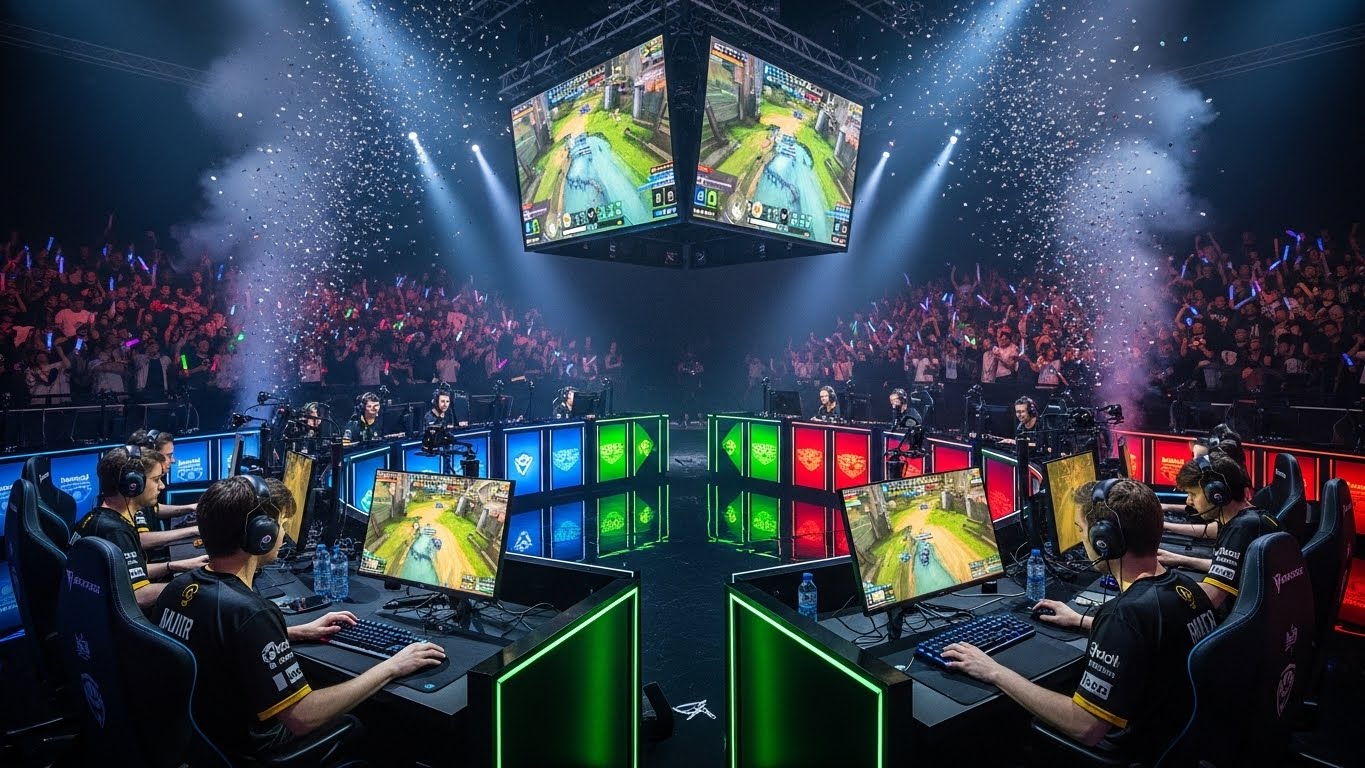
Major tournaments began offering enormous prize pools, sometimes exceeding tens of millions of dollars, funded by sponsors, game developers, and fan contributions. Events such as The International for Dota 2 and the League of Legends World Championship became global spectacles, attracting millions of viewers online and filling stadiums in person.
Streaming platforms played a crucial role in this era, giving fans unprecedented access to live gameplay, commentary, and community interaction. Unlike traditional sports, esports allowed audiences to engage directly with the action, fostering a unique connection between players and fans.
The Players: Modern Digital Athletes
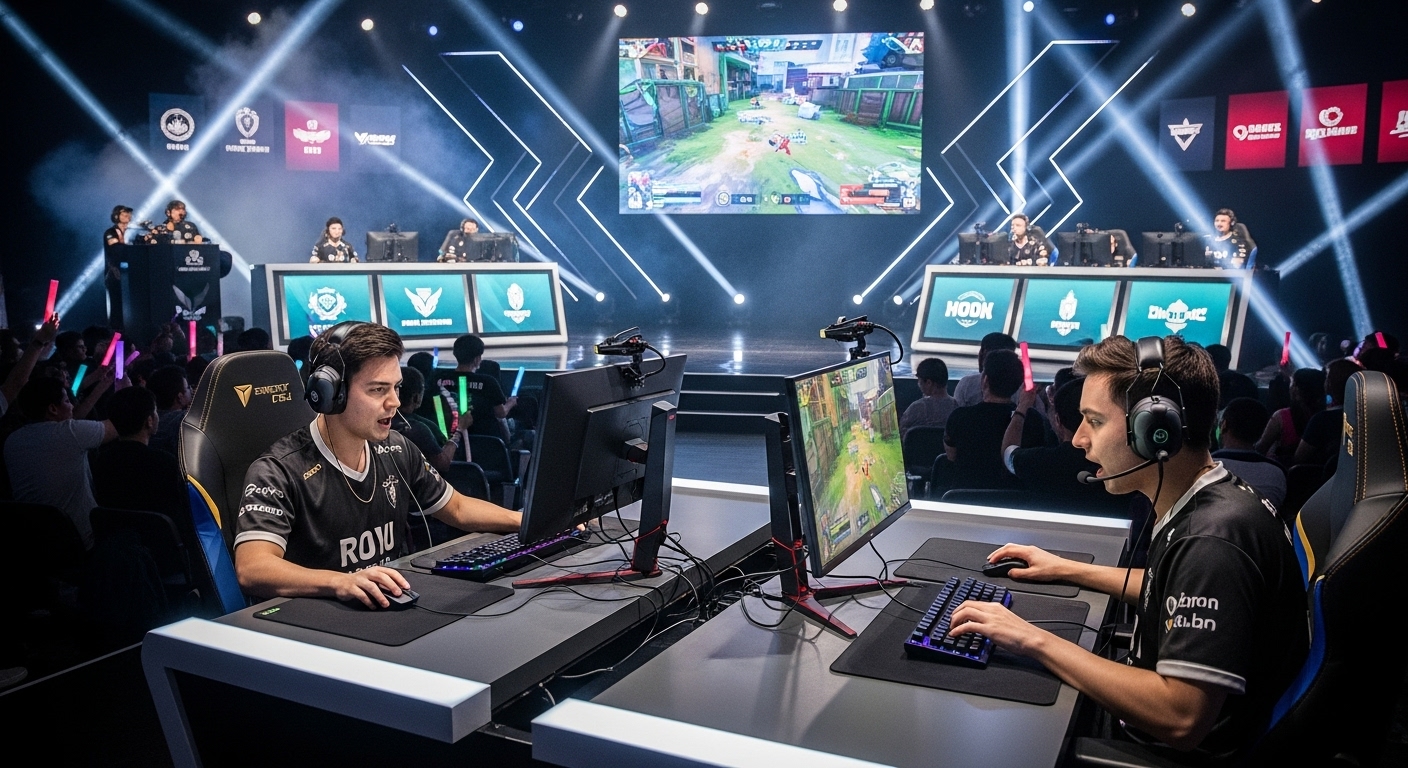
Esports players are often misunderstood as casual gamers, but in reality, they are highly trained professionals. Competing at the highest level requires rigorous practice, strategic thinking, and mental endurance. Players specialize in roles, analyze opponents, and constantly refine their skills.
The training regimen for professional esports athletes is demanding. Many practice for eight to twelve hours a day, focusing on reaction times, hand-eye coordination, and team strategies. Mental health is equally important, as intense competition can lead to stress and burnout. To address this, professional teams increasingly provide support in the form of nutritionists, psychologists, and physical trainers.
Esports requires physical stamina as well. Long sessions of gaming can lead to repetitive strain injuries, eye fatigue, and posture problems. Addressing these challenges is now part of the professional esports framework, reflecting the seriousness and legitimacy of the discipline.
The Business of Esports: A Global Industry
Esports is not just about competition; it is a rapidly growing business ecosystem. Revenue streams include media rights, sponsorships, merchandising, in-game purchases, and event ticket sales. Major brands from diverse industries have invested in esports to reach younger audiences who consume entertainment differently from traditional media.
Traditional sports teams, celebrities, and media organizations have also entered the esports arena, creating a crossover between conventional sports and competitive gaming. Universities around the world now offer scholarships for esports players, recognizing gaming as a professional and academic pursuit.
The esports industry continues to expand, attracting investors, advertisers, and entrepreneurs who see potential in its global reach and technological integration. With millions of active players and viewers worldwide, esports has become a significant part of the digital economy.
Technology and Innovation: Driving the Esports Revolution
The rise of esports is closely tied to advancements in technology. High-speed internet, sophisticated gaming hardware, and live-streaming platforms have all played a pivotal role. Graphics and virtual environments have evolved, making competitive gaming not only engaging for players but visually impressive for audiences.
Emerging technologies like virtual reality and augmented reality are beginning to redefine esports experiences. VR-based competitions allow players to physically interact with the game world, creating immersive experiences that traditional games cannot replicate. Artificial intelligence is also being used to analyze gameplay, track performance metrics, and enhance viewer engagement.
Technology has turned esports into a showcase of digital innovation, where entertainment, sport, and technology converge seamlessly.
Global Communities: Esports as a Cultural Bridge
One of esports’ most unique aspects is its global reach. Unlike traditional sports that are often limited by geography, esports transcends borders. Players from different countries can compete on equal footing, creating a truly international platform.
This inclusivity has fostered diverse communities that bring together people of various cultures, languages, and backgrounds. Countries such as South Korea, China, and the United States are leaders in competitive gaming, producing world-class players and hosting major events. Meanwhile, regions like Southeast Asia, Africa, and South America are emerging as significant contributors, highlighting esports as a worldwide phenomenon.
Esports communities thrive online, connecting players, fans, and content creators. These networks foster friendships, collaboration, and cross-cultural understanding, showing that gaming can unite people in ways traditional sports sometimes cannot.
Education and Career Opportunities
Esports is more than just playing games; it offers education and career opportunities. The industry requires skilled professionals in event management, content creation, broadcasting, marketing, coaching, and game development.
Universities have started offering specialized courses in esports management, digital media, and game design. These programs equip students with the skills needed to succeed in a booming industry. Competitive gaming also teaches valuable life skills, including teamwork, communication, strategic thinking, and leadership.
For many young people, esports provides a constructive avenue to pursue their passion while gaining professional experience and personal development.
Challenges and Controversies
Despite its growth, esports faces challenges. Player burnout, cheating, and performance-enhancing software are ongoing issues. Intense competition can lead to stress, mental health struggles, and career instability for players. Organizations are working to address these challenges through better support systems, training, and regulations.
Representation and diversity are also areas that require attention. While more women and marginalized players are entering esports, barriers remain. Initiatives to create inclusive and safe environments are crucial to ensure that esports continues to grow equitably.
Additionally, some skeptics question esports’ legitimacy compared to traditional sports. However, the increasing professionalism, structured leagues, and global fan base demonstrate that esports is more than a passing trend—it is a legitimate competitive discipline.
Cultural Impact: Esports Beyond the Game
Esports has a profound cultural influence. It shapes fashion, entertainment, and online culture, creating celebrities out of top players and influencers. Fans engage not only with the gameplay but with the personalities and stories of players, making esports a unique blend of sport and entertainment.
Streaming platforms allow audiences to connect with players in real time, fostering communities and fan engagement unlike anything seen in traditional sports. Esports has become a defining feature of modern digital culture, influencing trends, language, and social interaction.
The Future of Esports: Endless Possibilities
The future of esports is promising. Technology will continue to drive innovation, introducing more immersive gameplay, interactive viewing experiences, and enhanced player performance analytics. Esports is likely to grow further as a legitimate global sport and cultural phenomenon.
Its inclusion in international multi-sport events, recognition by governments, and integration into educational systems indicate that esports is more than a trend. It represents a new form of entertainment, competition, and community in the digital age.
As esports evolves, it will continue to shape the way people play, watch, and engage with games. Its global impact will redefine entertainment and redefine what it means to be an athlete in the 21st century.
Conclusion: Esports as a Modern Phenomenon
From the early days of arcade competitions to massive international tournaments, esports has grown into a cultural and economic powerhouse. It challenges traditional definitions of sport, entertainment, and professional careers, offering a platform that combines skill, strategy, and technology.
Esports connects millions worldwide, fosters communities, and provides opportunities for education, careers, and personal growth. It is a testament to the power of digital culture and innovation, proving that competitive gaming can inspire, entertain, and unite people across the globe.
In essence, esports is not just about playing games—it is about redefining competition, community, and entertainment in the digital era. The digital arena is open, and the world is watching, cheering, and competing like never before.