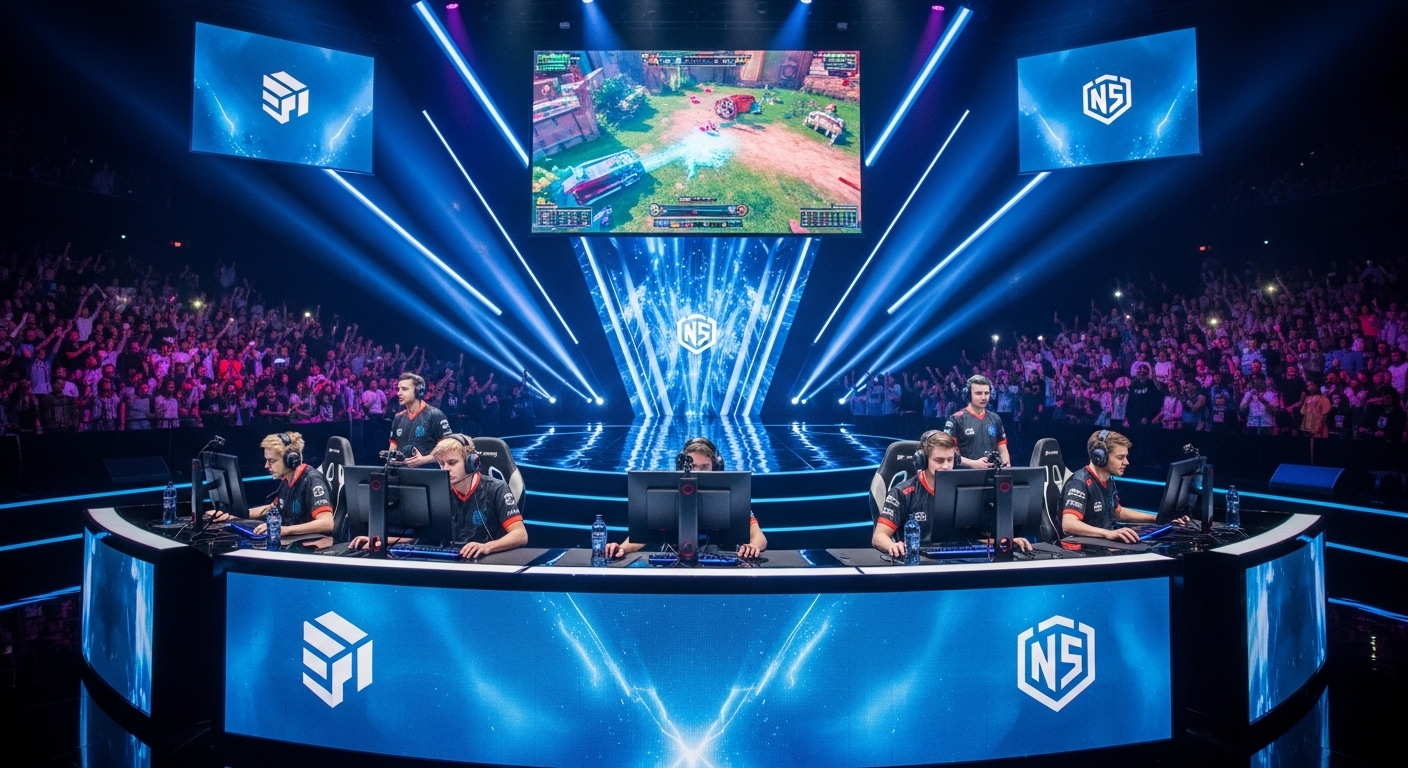

Esports, once a niche hobby for hardcore gamers, has become a global phenomenon, attracting millions of players and viewers alike. As esports continues to grow, one of the most fascinating aspects of this digital revolution is the financial engine driving it: tournaments. From massive prize pools to corporate sponsorships, esports tournaments have evolved into multi-million dollar events with substantial economic impact. But how exactly do these tournaments generate revenue? What are the costs involved, and how do organizers and teams benefit financially?
In this blog post, we’ll explore the economics behind esports tournaments, breaking down the revenue streams, expenses, and financial implications for stakeholders in the ecosystem. Whether you’re a seasoned esports fan or someone curious about the business side of gaming, this guide will offer insights into one of the most dynamic sectors in entertainment today.
1. The Rise of Esports Tournaments
From Grassroots to Global Phenomenon
The history of esports tournaments dates back to the early 2000s when games like StarCraft, Counter-Strike, and Warcraft III began to gain traction in competitive circles. Initially, these events were small-scale affairs, often organized by gaming communities or grassroots organizations. However, as gaming technology and internet connectivity improved, so did the scale of esports competitions. The introduction of professional tournaments with substantial prize money, live streaming platforms like Twitch, and the rise of online qualifiers helped the esports industry reach unprecedented heights.
The early days of tournaments were predominantly funded by community contributions, small sponsors, and entry fees. As the popularity of esports exploded, the financial structure of these tournaments grew more complex, with significant investments from global corporations, media companies, and broadcast networks.
World-Class Esports Competitions
Today, major esports tournaments like the League of Legends World Championship, The International (Dota 2), and CS:GO Major Championships have become as prestigious as traditional sports events. These tournaments are broadcast live to millions of viewers, creating a multi-faceted economy that fuels the broader esports ecosystem.
2. Revenue Streams of Esports Tournaments
Sponsorship Deals: The Backbone of Esports Revenue
Sponsorship is the most significant source of revenue for esports tournaments. Major global brands, such as Intel, Coca-Cola, Nike, and Mercedes-Benz, see esports as a way to engage with a younger, tech-savvy audience. These companies sponsor tournaments in exchange for visibility and association with the growing esports scene.
There are multiple ways sponsorships work in esports:
- Title Sponsorship: Some of the largest sponsorship deals involve companies sponsoring entire tournaments, effectively branding the event. For instance, Intel Extreme Masters (IEM) is one of the longest-running tournament series, sponsored by Intel. These kinds of deals give the sponsor a chance to be heavily associated with the event.
- Segment Sponsorship: In addition to overall tournament sponsorship, companies may sponsor individual segments, such as in-game content, team jerseys, or specific stages within the event.
- Team Sponsorships: Esports teams themselves secure sponsorships, which contribute to the overall tournament revenue. The more popular the teams, the more valuable the sponsorship deals. Teams like Cloud9, Fnatic, and T1 often have long-term agreements with major brands.
Sponsorships can cover a range of financial commitments, including venue costs, event production, and even player salaries.
Prize Pools: The Incentive for Competitors
One of the most iconic aspects of esports tournaments is the prize pool—the sum of money awarded to the top-performing teams or players. Prize pools can vary greatly, with some tournaments offering modest amounts while others exceed millions of dollars. For example:
- The International (Dota 2) boasts the largest prize pool of any esports tournament, with the 2021 prize pool reaching over $40 million.
- League of Legends World Championship also offers multi-million-dollar prize pools, typically exceeding $2 million.
Prize pools are typically funded through a combination of revenue from sponsorships, ticket sales, broadcasting rights, and crowdfunding efforts. For instance, The International’s prize pool is partially funded by the community through the sale of in-game cosmetic items.
Prize money is a major incentive for players, teams, and organizations. It not only drives competition but also helps in establishing the long-term sustainability of players’ careers. In many cases, the prize pool for top tournaments has transformed esports into a viable career path for talented gamers.
Ticket Sales: The Live Event Experience
While a significant portion of the audience for esports events comes from online streaming, live attendance still plays an essential role in the tournament’s financial success. Some of the largest events, like the League of Legends World Championship and The International, sell tickets to fans who want to experience the event in person.
Ticket prices can vary depending on the venue, but in some cases, especially for finals held in large arenas or stadiums, tickets can cost hundreds of dollars. For example, ticket sales for the League of Legends Worlds Finals have been known to generate millions in revenue, especially when hosted in a prestigious location such as the Staples Center in Los Angeles.
These ticket sales contribute not only to tournament revenue but also provide opportunities for merchandise sales, food and beverage income, and other live event-related profits.
Broadcasting Rights: Esports Goes Mainstream
As esports’ viewership continues to rise, broadcasting rights have become a key component of tournament economics. Major streaming platforms such as Twitch, YouTube Gaming, and Facebook Gaming compete for the rights to stream live esports events. These platforms pay significant sums to secure the exclusive broadcasting rights for high-profile tournaments.
The audience for esports events has exploded in recent years, with millions of people tuning in to watch live streams of their favorite teams and players. For example:
- The League of Legends World Championship Finals regularly draws more than 100 million unique viewers across multiple platforms.
- The International also attracts millions of viewers from all corners of the globe, ensuring that the broadcasting rights are highly valuable.
In addition to major streaming platforms, traditional sports networks like ESPN and Fox Sports have begun to explore broadcasting esports events on television, further driving revenue and exposure for the industry.
Merchandise Sales: Beyond the Screen
Another significant revenue stream for esports tournaments is the sale of official merchandise. From jerseys and hats to limited-edition items like posters and collector’s gear, merchandise has become a crucial revenue driver.
Fans are incredibly loyal to their favorite teams and players, often purchasing merchandise as a way to show support. Merchandising sales during tournaments, especially those held in person, can generate millions of dollars. In some cases, tournament organizers and teams collaborate to create exclusive collections, capitalizing on the growing demand for esports-themed products.
3. The Cost Structure of Esports Tournaments
Event Production Costs
While the revenue streams are substantial, organizing an esports tournament also comes with significant expenses. Event production is a massive cost center, particularly for large-scale tournaments. This includes:
- Venue rental: Renting out arenas, convention centers, or stadiums to host events is expensive, especially for high-profile tournaments.
- Staffing: From event organizers to production crew, commentators, analysts, and security personnel, esports tournaments require a large workforce to manage logistics.
- Technology: Given the technical complexity of esports tournaments, significant investments in IT infrastructure are required. This includes high-speed internet, gaming setups, video production equipment, and broadcasting gear.
- Player accommodations: Teams need to be flown in, housed, and provided with necessary accommodations, which can be a significant cost for global tournaments.
These costs often run into millions of dollars, but with the right sponsorships and ticket sales, they can be covered—ensuring that the tournament remains profitable.
4. The Impact of Esports on the Global Economy
Local and Global Economic Impact
Esports tournaments have a ripple effect on the local economy where they are hosted. Cities that host major events benefit from tourism, hotel bookings, transportation, and dining expenditures from fans, players, and staff. Local businesses often experience a boost during tournaments, with thousands of visitors flocking to the area.
On a global scale, esports tournaments contribute significantly to the digital economy, creating job opportunities across multiple sectors, including game development, event management, broadcasting, and digital marketing.
Conclusion: A Thriving Economic Ecosystem
The economics of esports tournaments are complex and multi-layered, but they highlight the immense growth and financial potential of the esports industry. From sponsorship deals and broadcasting rights to prize pools and ticket sales, esports tournaments have transformed into massive economic engines.
As the esports industry continues to mature, these financial dynamics will evolve even further, opening new opportunities for players, teams, organizers, and brands alike. One thing is clear: esports tournaments are not just a form of entertainment—they are a thriving industry that has changed the way we think about sports, competition, and entertainment on a global scale.