Introduction
Once dismissed as a hobby for the tech-obsessed or teenagers hiding behind screens, esports has grown into a multi-billion-dollar industry that stands shoulder-to-shoulder with traditional sports. From packed arenas to massive online audiences and professional players earning millions, competitive gaming has become a cultural and economic powerhouse. Esports has redefined what it means to be an athlete, to compete, and to entertain in the digital age. Its rise is not just about video games—it’s a story about community, technology, passion, and the relentless evolution of entertainment.
The Early Beginnings of Esports
The concept of organized competitive gaming is not new. The first recognized video game competition dates back to 1972 at Stanford University, where students competed in the game “Spacewar.” The prize? A one-year subscription to Rolling Stone magazine. It was humble, but it laid the foundation for something that would grow beyond imagination.
During the 1980s, arcade gaming culture exploded. Titles like Pac-Man, Donkey Kong, and Street Fighter introduced high-score competitions that captivated players around the world. Television programs like Starcade featured game competitions and gave gamers a small but visible platform. However, the real transformation began when gaming moved from arcades to living rooms with the introduction of consoles and PCs.
The Birth of Online Gaming
When the internet entered homes in the 1990s, gaming took its biggest leap forward. Multiplayer games like Quake, StarCraft, and Counter-Strike allowed players to face off against others across the world in real time. LAN parties became popular among passionate gamers who connected computers locally for all-night battles.
South Korea played a defining role during this era. The country’s government invested heavily in high-speed internet, which gave birth to PC bangs—gaming cafes that became social and competitive hubs. StarCraft turned into a national obsession, and professional players became household names. South Korea effectively pioneered the esports infrastructure, with televised matches, sponsorships, and professional leagues emerging long before other regions caught up.
The 2000s: The Professionalization of Esports
The early 2000s marked the period when esports began to professionalize globally. Games like Counter-Strike 1.6, Warcraft III, and Halo gave rise to serious competitive scenes. Tournaments such as the World Cyber Games and Major League Gaming created structured competition and provided gamers with career paths that previously didn’t exist.
Teams started forming with dedicated sponsorships from tech brands. Prize pools grew larger, fan bases expanded, and gaming began to shed its “just for fun” image. Streaming platforms were still in their infancy, but live events began attracting significant attention. The notion of a “pro gamer” started to gain legitimacy, even if mainstream recognition was still years away.
The Streaming Revolution
The launch of platforms like Twitch, YouTube Gaming, and other streaming services changed everything. Esports no longer relied solely on television coverage or live events. Anyone, anywhere, could watch their favorite players and tournaments with a single click. This accessibility allowed fans to connect directly with players, fostering communities around games and personalities.
The interactive nature of streaming created a unique entertainment experience. Viewers could comment in real time, donate to their favorite streamers, and even influence gameplay decisions. The barrier between fans and players disappeared, creating an entirely new kind of engagement. This direct connection between talent and audience became a key driver of esports’ explosive growth.
The Explosion of Esports Titles
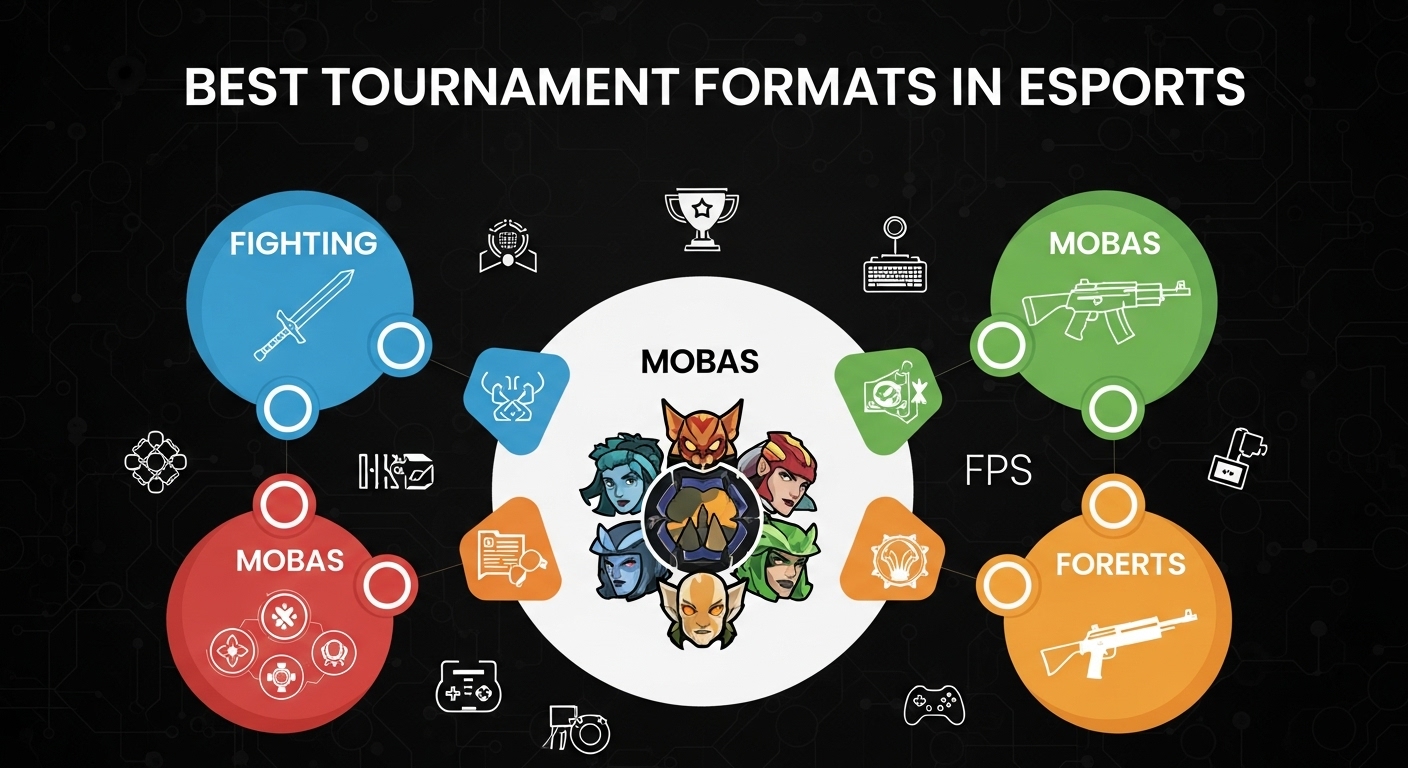
Unlike traditional sports, which remain relatively static, esports thrives on variety and innovation. Different games cater to different audiences and skills. Titles like League of Legends, Dota 2, Overwatch, Valorant, Call of Duty, and Fortnite each carved out their own competitive ecosystems.
League of Legends and Dota 2 became the faces of the Multiplayer Online Battle Arena (MOBA) genre, drawing millions of viewers for their world championships. Counter-Strike: Global Offensive dominated the first-person shooter category with its precision gameplay and loyal fan base. Meanwhile, Fortnite brought a new level of showmanship to esports with celebrity collaborations and massive online tournaments that combined pop culture with competition.
Each of these games built its own world of rivalries, legends, and unforgettable moments. The variety ensured that esports appealed to every kind of gamer, from casual viewers to die-hard fans.
The Globalization of Competitive Gaming
Esports is no longer dominated by one region or culture. What started in the United States, Japan, and South Korea has now become a truly global industry. Europe, China, Southeast Asia, and North America each host major tournaments and produce elite players. Esports arenas in Shanghai, Berlin, Los Angeles, and Riyadh now rival traditional sports venues in size and spectacle.
Major tournaments like The International, League of Legends World Championship, and CS2 Majors attract audiences from across continents. These events showcase not just skill but also national pride, with fans cheering for teams as passionately as they would for football or cricket matches.
The Role of Technology in Esports
Esports would not exist without technological innovation. From powerful gaming PCs and consoles to advanced graphics, fast internet connections, and VR/AR developments, technology has shaped every aspect of competitive gaming.
High-refresh-rate monitors, low-latency servers, and streaming software have made competitive play smoother and fairer. Analytics and AI tools are now being used to study player performance, predict outcomes, and even coach teams. The line between human skill and data-driven decision-making is blurring, creating new strategies and playstyles.
Virtual reality and augmented reality could be the next frontier, transforming how games are played and viewed. As immersive tech advances, esports may soon move beyond screens into full-body, 3D competitive experiences that merge physical and digital skill.
The Business of Esports
The economic power of esports is staggering. Revenue now comes from sponsorships, advertising, media rights, merchandise, ticket sales, and digital goods. Major brands outside the gaming world—like car manufacturers, energy drink companies, and fashion labels—have jumped on board. They see esports not just as entertainment but as a gateway to younger, tech-savvy audiences that traditional media struggles to reach.
Franchise models similar to traditional sports leagues are emerging. Teams are valued at hundreds of millions of dollars, and investors include celebrities, athletes, and major corporations. Esports organizations now operate like full-scale companies, complete with marketing teams, analytics departments, and training facilities.
The ecosystem also includes event organizers, broadcasters, content creators, and game developers. Together, they form an industry that has become one of the fastest-growing entertainment sectors in the world.
The Players Behind the Screens
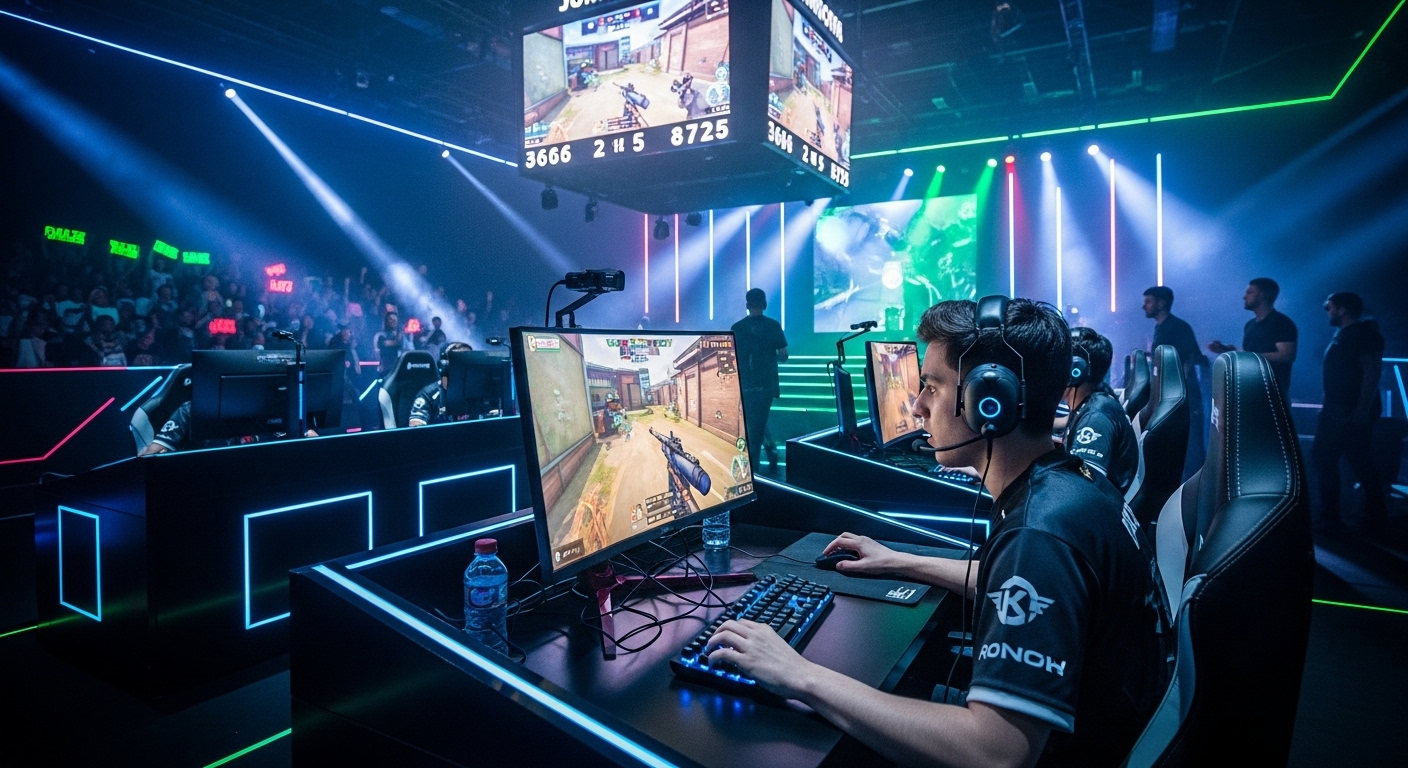
The heart of esports lies with the players. These competitors train for hours every day, refining reflexes, strategies, and teamwork. What many outsiders don’t realize is how physically and mentally demanding professional gaming can be.
Reaction time, hand-eye coordination, and split-second decision-making are crucial. Teams rely on communication and synergy much like football or basketball squads do. Many top players employ personal trainers, nutritionists, and sports psychologists to maintain peak performance.
The lifestyle can be intense—long hours, pressure from fans, and constant competition can lead to burnout. However, the passion for the game keeps most players going. They play not just for money, but for pride, recognition, and the thrill of victory.
Esports as a Cultural Movement
Beyond competition, esports has become a major cultural force. It influences music, fashion, and even education. Game soundtracks top charts, esports-inspired clothing lines sell out, and universities now offer scholarships for esports athletes.
The industry has also redefined social interaction. Gaming communities have become global meeting grounds where language, nationality, and background often take a backseat to shared passion. Friendships and rivalries span continents, showing how digital culture can unify people in ways traditional sports never could.
Streaming personalities and esports pros have become influencers with fan bases rivaling Hollywood celebrities. Their reach extends beyond gaming, shaping online culture, humor, and trends. Esports is not just a sport—it’s a lifestyle.
The Role of Education and Career Opportunities
As esports continues to expand, it’s opening up career paths far beyond professional playing. Commentators, analysts, event managers, software developers, marketing specialists, and content creators all play essential roles in the ecosystem.
Universities around the world now offer degrees in esports management, game design, and digital media. This formal recognition from educational institutions signals how serious the industry has become. Young people who once faced skepticism for “playing too many games” are now finding legitimate and lucrative careers in the field.
The Inclusion and Diversity Challenge
While esports has achieved incredible success, it still faces challenges—one of the most pressing being diversity and inclusion. The industry has been criticized for underrepresentation of women and marginalized groups. However, progress is being made.
More women are breaking into professional gaming, commentary, and leadership roles within esports organizations. Initiatives to make gaming spaces safer and more inclusive are gaining traction. Representation matters, and as the audience becomes more diverse, so too does the industry’s future.
Esports and Traditional Sports: Rivals or Partners?
There was a time when traditional sports looked down on esports, questioning its legitimacy. Today, many sports organizations are embracing it. Football clubs own esports teams, basketball leagues have digital counterparts, and athletes from traditional sports are investing in or even participating in gaming.
The synergy is undeniable. Both industries share values of teamwork, competition, and dedication. Esports offers new ways to reach fans and create hybrid entertainment experiences that merge digital and physical competition. The boundary between sports and esports is fading fast.
The Spectacle of Esports Events
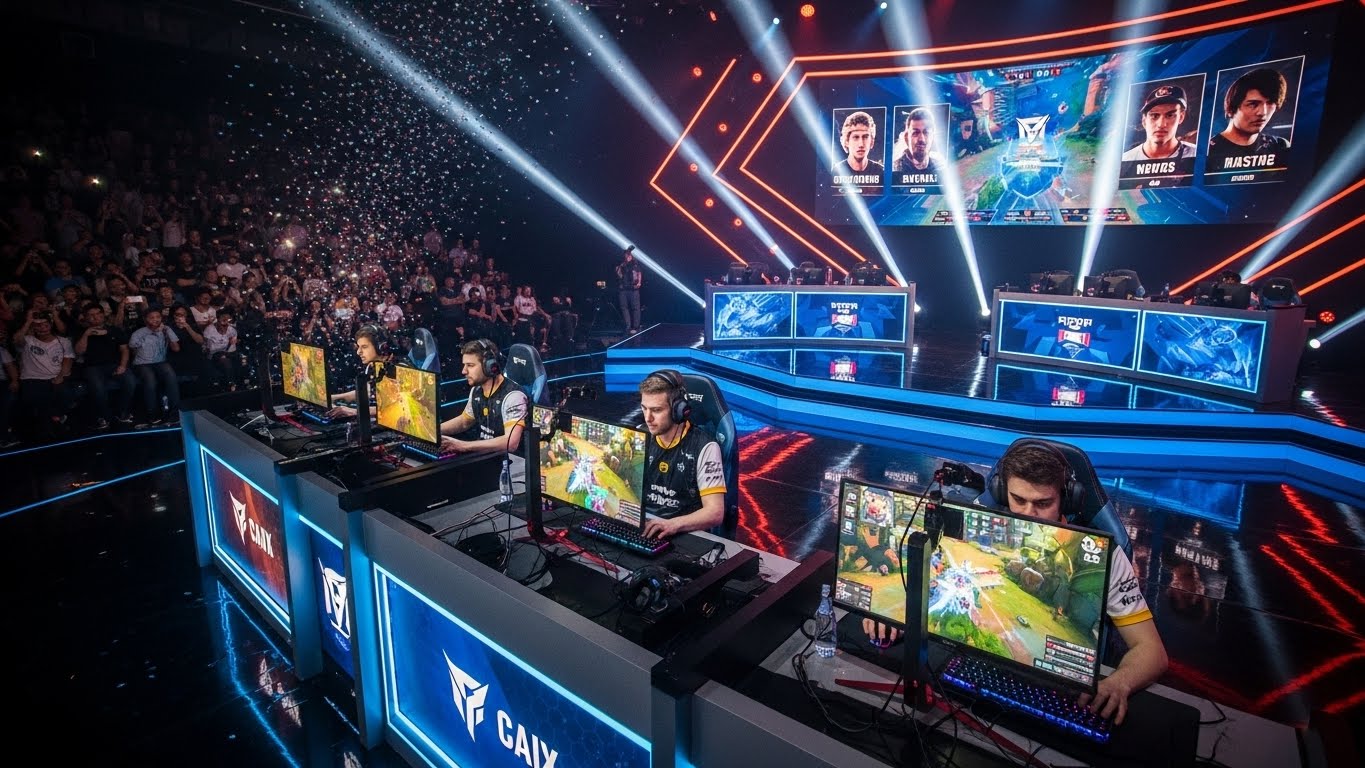
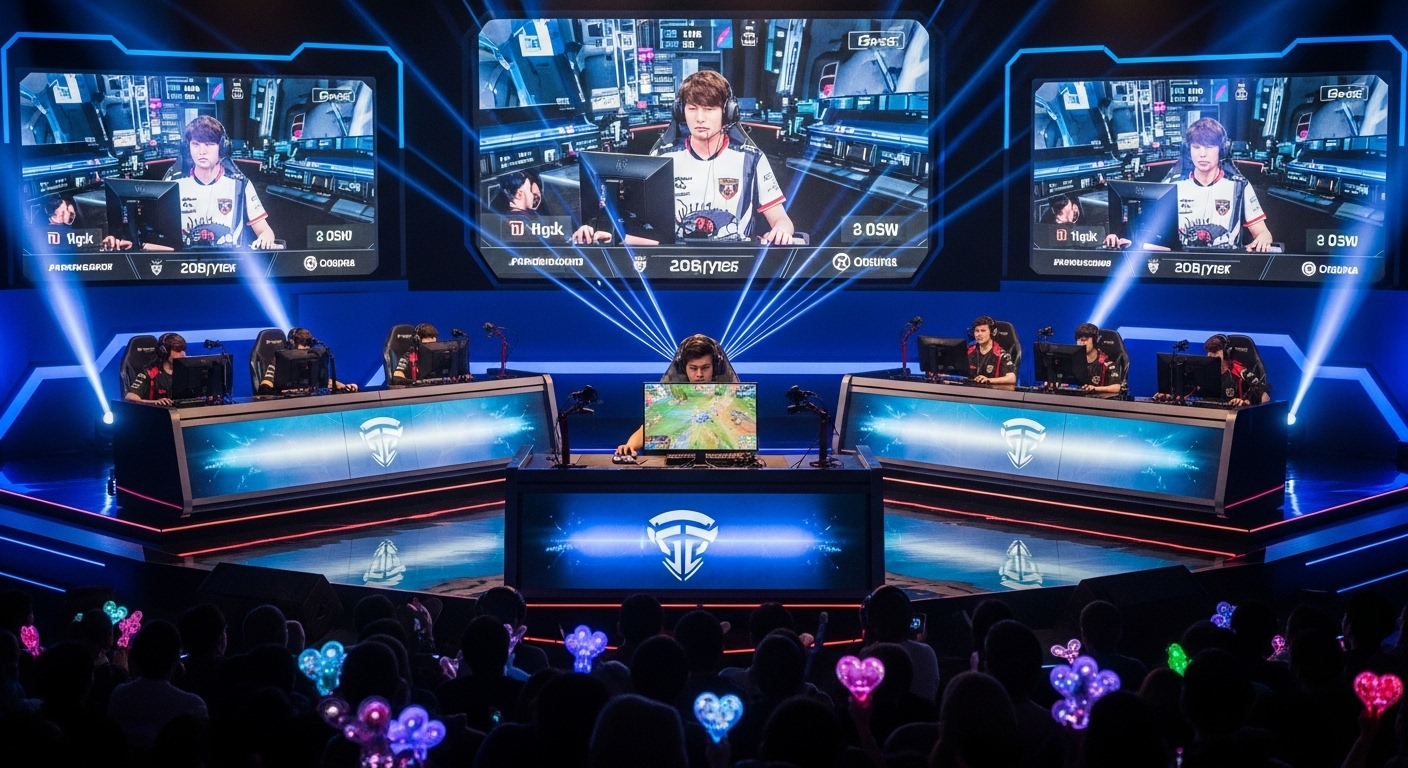
The energy of a live esports event is something that surprises newcomers. Packed arenas, roaring crowds, giant screens, and light shows rival any major concert or sporting final. Fans wave banners, chant for their teams, and share emotional highs and lows just like any traditional sport.
Tournaments like The International and League of Legends Worlds attract millions of viewers online and fill stadiums with fans from around the world. The production values are cinematic, blending technology, storytelling, and performance in ways that redefine live entertainment.
The Future of Esports
Looking ahead, the future of esports seems limitless. With continued technological advancement, expanding audiences, and deeper cultural integration, competitive gaming will only grow more influential. Emerging markets in Africa, South America, and the Middle East are bringing new players and fans into the fold.
Mobile esports, fueled by smartphones, are making competition accessible to millions more. Artificial intelligence could soon change coaching and strategy forever. The metaverse might redefine how we watch and participate in esports, blurring lines between player and spectator.
The next decade could see esports included in major multi-sport events, recognized as a full-fledged athletic pursuit. Whatever happens, one thing is certain: esports is not a trend—it’s a revolution.
Conclusion
From dimly lit arcades to global arenas, esports has journeyed from niche to mainstream in a few short decades. It has changed how people play, compete, and connect. The rise of esports is not just about games—it’s about human ambition, creativity, and the endless pursuit of excellence.
The players may hold controllers or keyboards instead of bats and balls, but their drive, discipline, and passion are no different. Esports represents the future of competition, entertainment, and global culture—a digital frontier where the world gathers not to watch, but to feel the pulse of the next generation of champions.