Introduction: Esports as a Modern Phenomenon
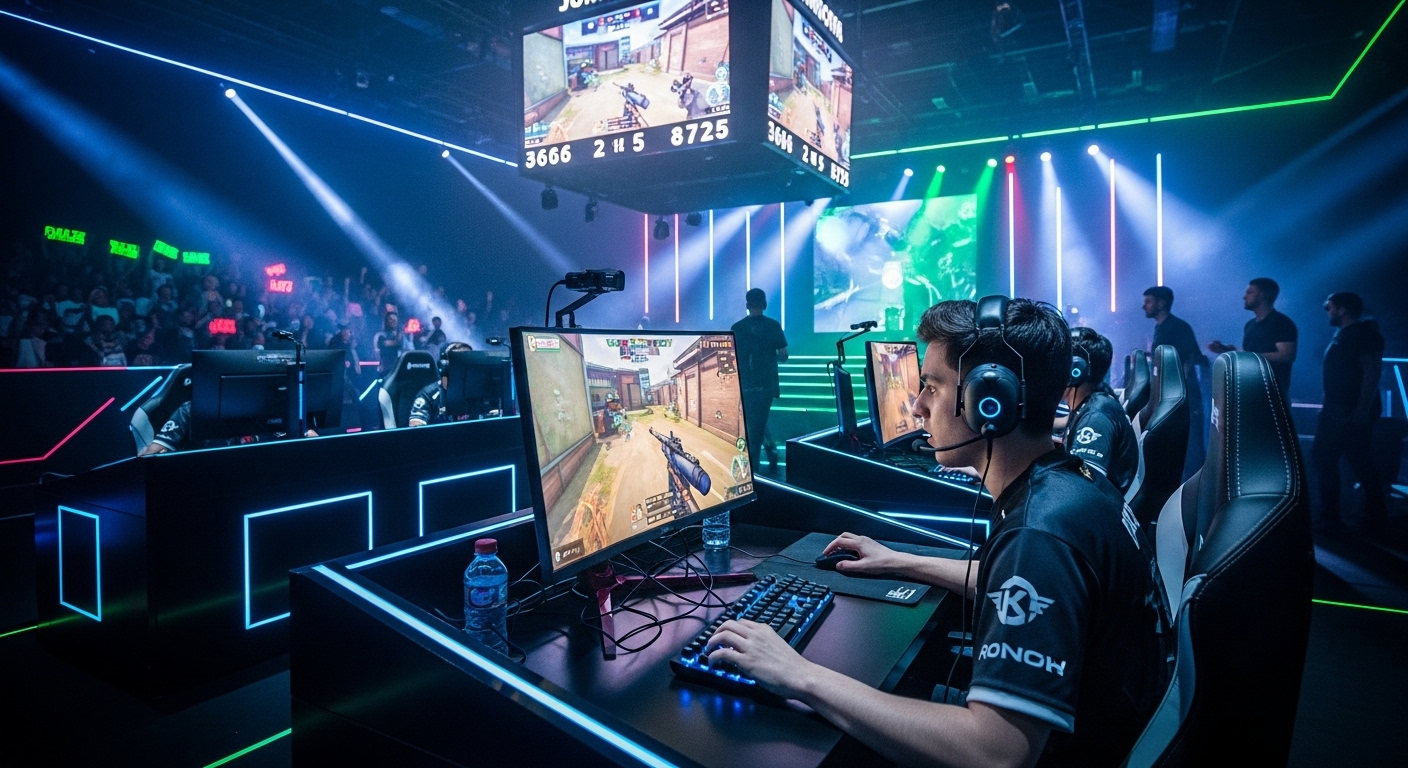
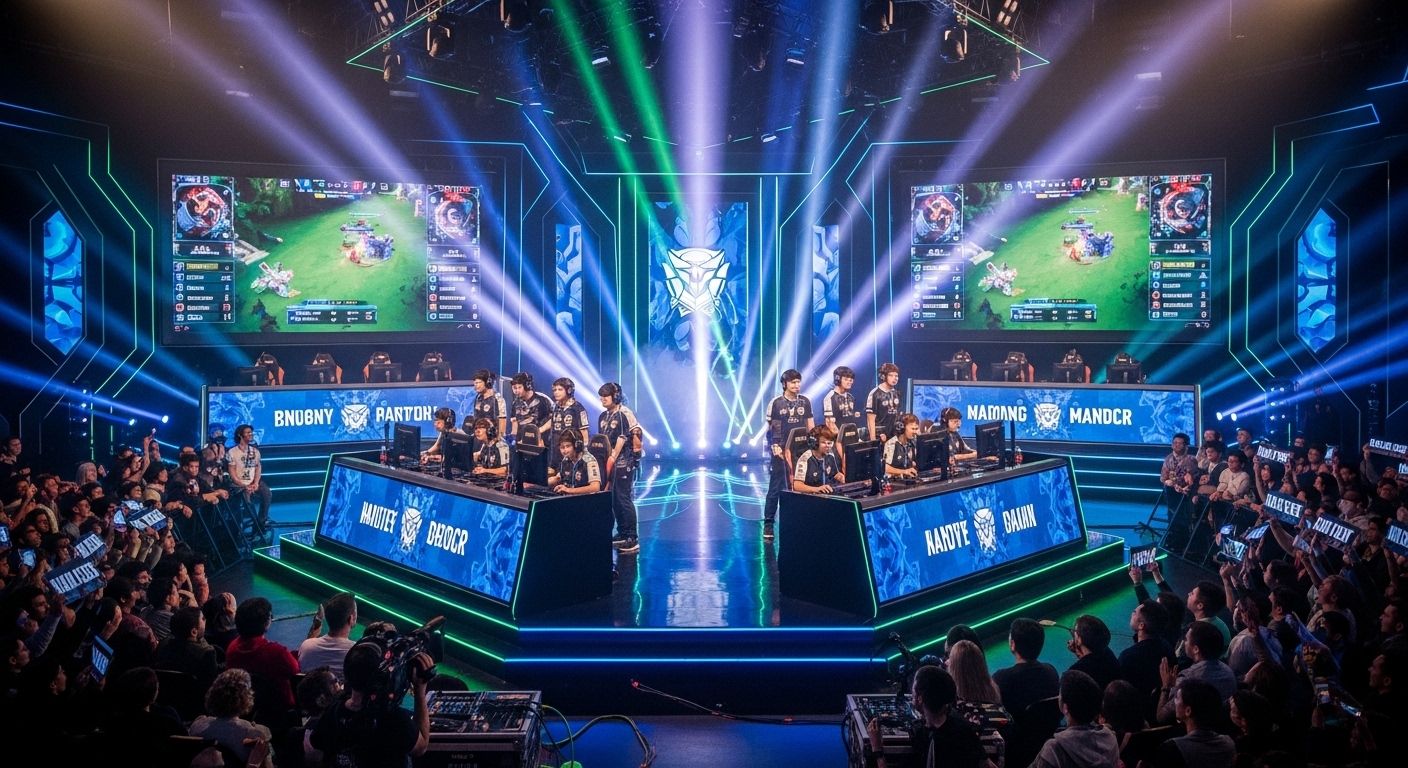
Esports, or electronic sports, has transformed from a niche hobby into a global phenomenon in just a few decades. What began as casual gaming among friends has evolved into professional competitions, massive tournaments, and a thriving industry that rivals traditional sports in both viewership and revenue. The rise of esports reflects broader changes in technology, culture, and entertainment, as digital gaming intersects with global audiences and professional athleticism. Today, esports is not just about playing video games—it is about competition, strategy, teamwork, and community on an unprecedented scale.
The Evolution of Competitive Gaming
The origins of competitive gaming trace back to the 1970s and 1980s, when arcade tournaments and early home computer games provided the first structured competitions. Titles like Pong and Space Invaders offered players opportunities to test their skills and compete for high scores. As personal computers and consoles advanced, so did the complexity of games and the potential for competition.
The 1990s and early 2000s marked the birth of organized esports, with games such as StarCraft, Counter-Strike, and Warcraft introducing competitive leagues. Players began to specialize, teams were formed, and tournaments gained international recognition. This period laid the foundation for the professionalization of esports and demonstrated that digital competition could attract audiences just like traditional sports.
The Modern Esports Ecosystem
Today, esports is a fully developed ecosystem encompassing professional players, teams, tournament organizers, sponsors, and global fanbases. The ecosystem thrives on several key elements:
1. Professional Players and Teams
Top esports athletes dedicate their lives to mastering their chosen games. They train for hours each day, analyzing strategies, practicing reflexes, and studying opponents. Professional teams function much like traditional sports teams, employing coaches, analysts, and support staff to maximize performance.
2. Global Tournaments
Major tournaments, such as The International, League of Legends World Championship, and the Fortnite World Cup, draw millions of viewers worldwide. Prize pools can reach millions of dollars, rivaling earnings in traditional sports. These tournaments combine live broadcasts, online streaming, and spectator engagement to create a high-stakes, immersive experience.
3. Sponsorships and Revenue
Esports generates revenue through sponsorships, advertising, merchandise, and media rights. Leading brands invest in teams, events, and content creators, recognizing the marketing potential of esports audiences. The industry continues to grow, with projections suggesting that esports will surpass several billion dollars in global revenue within the next few years.
Streaming Platforms and Esports Popularity
A crucial factor in the rapid rise of esports is streaming technology. Platforms such as Twitch, YouTube Gaming, and other streaming services allow fans to watch live competitions, interact with players, and participate in the community in real-time. Streaming transforms passive spectators into engaged audiences, fostering a sense of connection between players and fans.
Streamers also play a key role in expanding the esports ecosystem. Many competitive players maintain personal channels, offering commentary, tutorials, and entertainment beyond formal tournaments. This accessibility allows fans to learn, participate, and form personal attachments to their favorite players and teams.
Esports as a Career Path
Esports is no longer just a hobby—it is a legitimate career path. Professional players earn income through salaries, tournament winnings, sponsorship deals, and content creation. Beyond players, the industry offers careers in coaching, analysis, event management, marketing, and media production.
Colleges and universities have recognized esports’ potential, establishing programs, scholarships, and dedicated facilities for competitive gaming. These initiatives validate esports as a serious pursuit and provide opportunities for aspiring athletes to develop skills and gain education simultaneously.
The Global Reach of Esports
Esports is a global phenomenon that transcends geographic and cultural boundaries. Countries in Asia, Europe, and North America lead the industry, each contributing unique competitive styles, fan cultures, and game preferences. South Korea, for example, is renowned for its professional StarCraft and League of Legends players, while China hosts massive esports tournaments with record-breaking viewership.
International tournaments bring together players from diverse backgrounds, fostering cultural exchange and mutual appreciation. This global reach makes esports a unifying force, connecting individuals through shared passion for digital competition.
Popular Esports Titles
The success of esports is closely tied to the popularity and design of specific games. Popular esports titles span genres such as multiplayer online battle arenas (MOBA), first-person shooters (FPS), battle royale, and real-time strategy (RTS).
1. Multiplayer Online Battle Arenas (MOBA)
Games like League of Legends and Dota 2 dominate the MOBA genre. Players form teams to compete in strategic matches that require coordination, skill, and tactical thinking.
2. First-Person Shooters (FPS)
FPS games, including Counter-Strike: Global Offensive and Call of Duty, emphasize precision, reflexes, and teamwork. These games are spectator-friendly due to their fast-paced action and clear objectives.
3. Battle Royale
Games like Fortnite and PUBG have popularized the battle royale format, where large numbers of players compete in shrinking arenas until only one remains. This genre combines strategy, survival skills, and adaptability.
4. Real-Time Strategy (RTS)
RTS games, such as StarCraft II, challenge players to manage resources, control units, and develop complex strategies. RTS competitions reward both tactical insight and rapid decision-making.
Esports and the Role of Technology
Technology is central to esports. High-speed internet, advanced gaming hardware, live streaming software, and analytics tools all enable the competitive experience. Performance tracking, replay analysis, and virtual coaching enhance player development, while streaming platforms provide interactivity and accessibility for audiences.
Advancements in technology also make esports more inclusive. People from various locations and backgrounds can participate in online competitions, broadening the talent pool and fostering diversity within the industry.
The Cultural Impact of Esports
Esports has had a profound impact on modern culture. It has redefined concepts of sportsmanship, teamwork, and competition. The rise of esports influencers and personalities has blurred the lines between entertainment and athletics, creating a unique cultural space where gaming is both a profession and a lifestyle.
Esports also promotes cognitive skills such as strategic thinking, decision-making under pressure, and collaboration. Fans and players alike learn problem-solving and communication skills, demonstrating that competitive gaming can have educational and personal development benefits.
Challenges Facing the Esports Industry
Despite its rapid growth, esports faces challenges. One major issue is sustainability—career longevity for players can be short due to the physical and mental demands of competitive gaming. Ensuring mental health support, balanced training schedules, and retirement planning is critical for long-term success.
Another challenge is legitimacy. While acceptance has grown, some skeptics still question whether esports qualifies as a “real sport.” Advocacy, research, and continued professionalization are helping change perceptions, but cultural resistance remains in some regions.
Finally, regulation and standardization are ongoing issues. Different leagues and tournaments have varied rules, prize distribution policies, and governance structures. Developing industry standards can improve fairness, transparency, and growth.
The Future of Esports
The future of esports is promising. Technological innovations like virtual reality, augmented reality, and artificial intelligence could transform gameplay, training, and fan engagement. Expanding markets in underrepresented regions, increased sponsorships, and broader media coverage will further elevate the industry.
Esports may also intersect more closely with traditional sports, with collaborative events, hybrid competitions, and shared training methodologies. As esports continues to mature, it will solidify its place as both a mainstream entertainment form and a respected competitive discipline.
Conclusion: Esports as a Global Movement
Esports represents a shift in how people perceive competition, entertainment, and community. It combines skill, strategy, technology, and cultural influence in ways that traditional sports cannot fully replicate. From casual gamers to professional athletes, from fans in living rooms to massive stadium audiences, esports connects people across the globe in a shared passion for digital competition.
As technology continues to evolve and audiences grow, esports will remain at the forefront of entertainment and athletic innovation. It is no longer a fringe activity or passing trend—it is a defining cultural movement of the digital age, offering opportunities, inspiration, and excitement for millions worldwide.