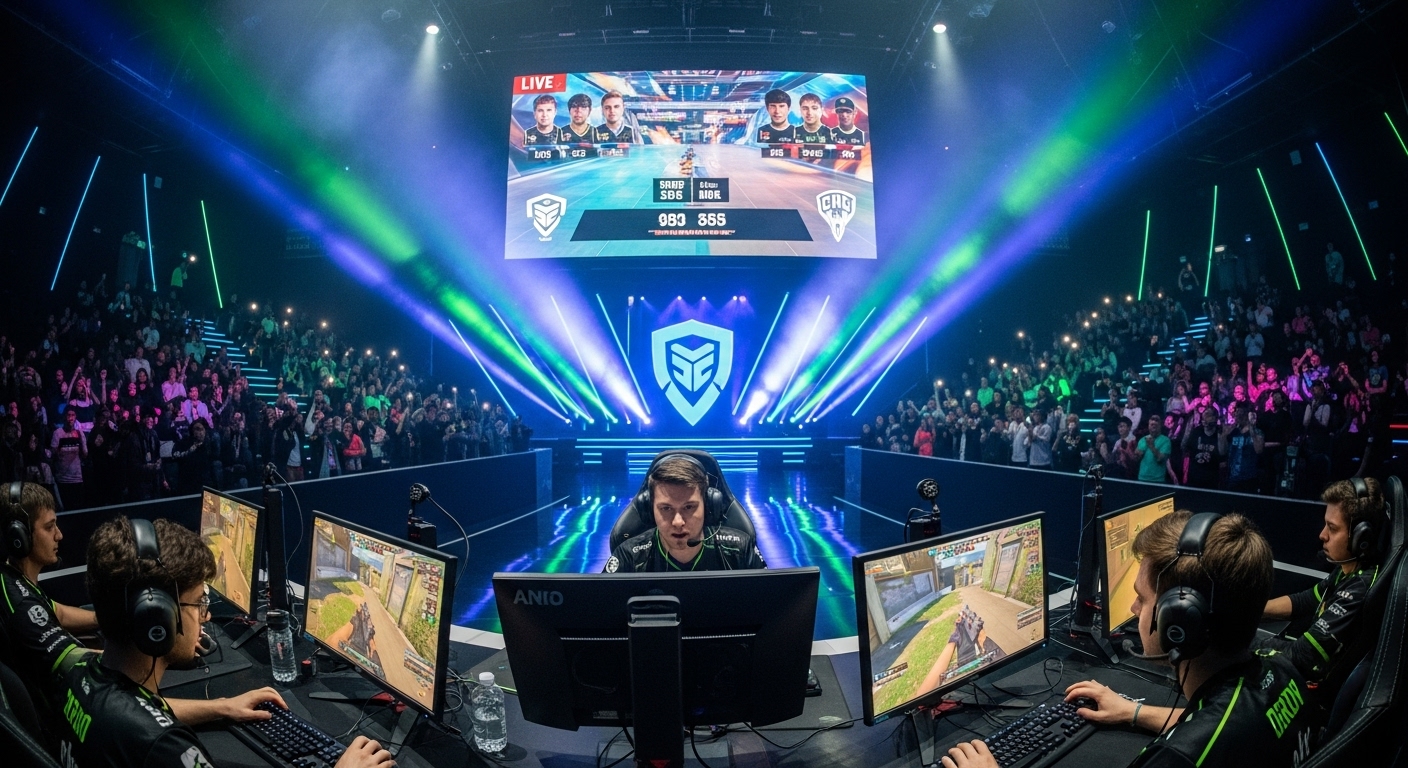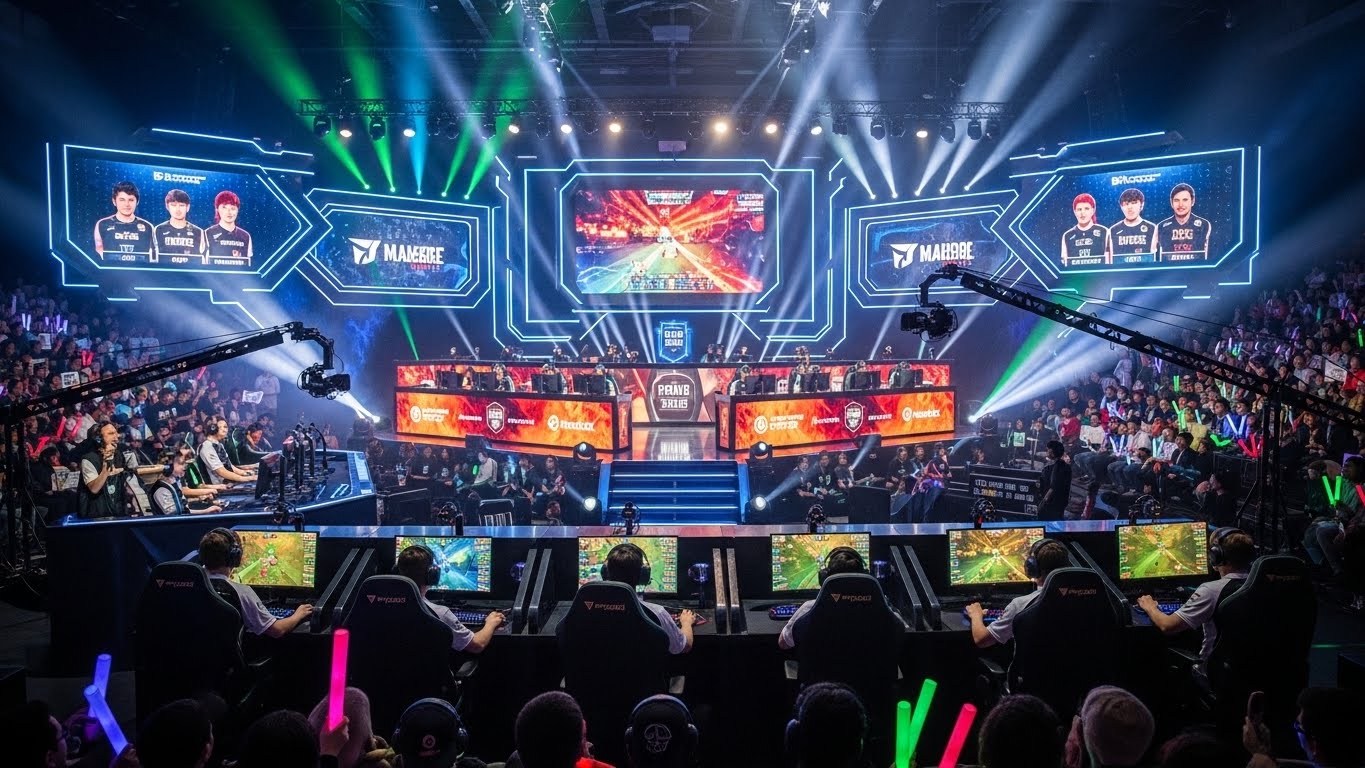
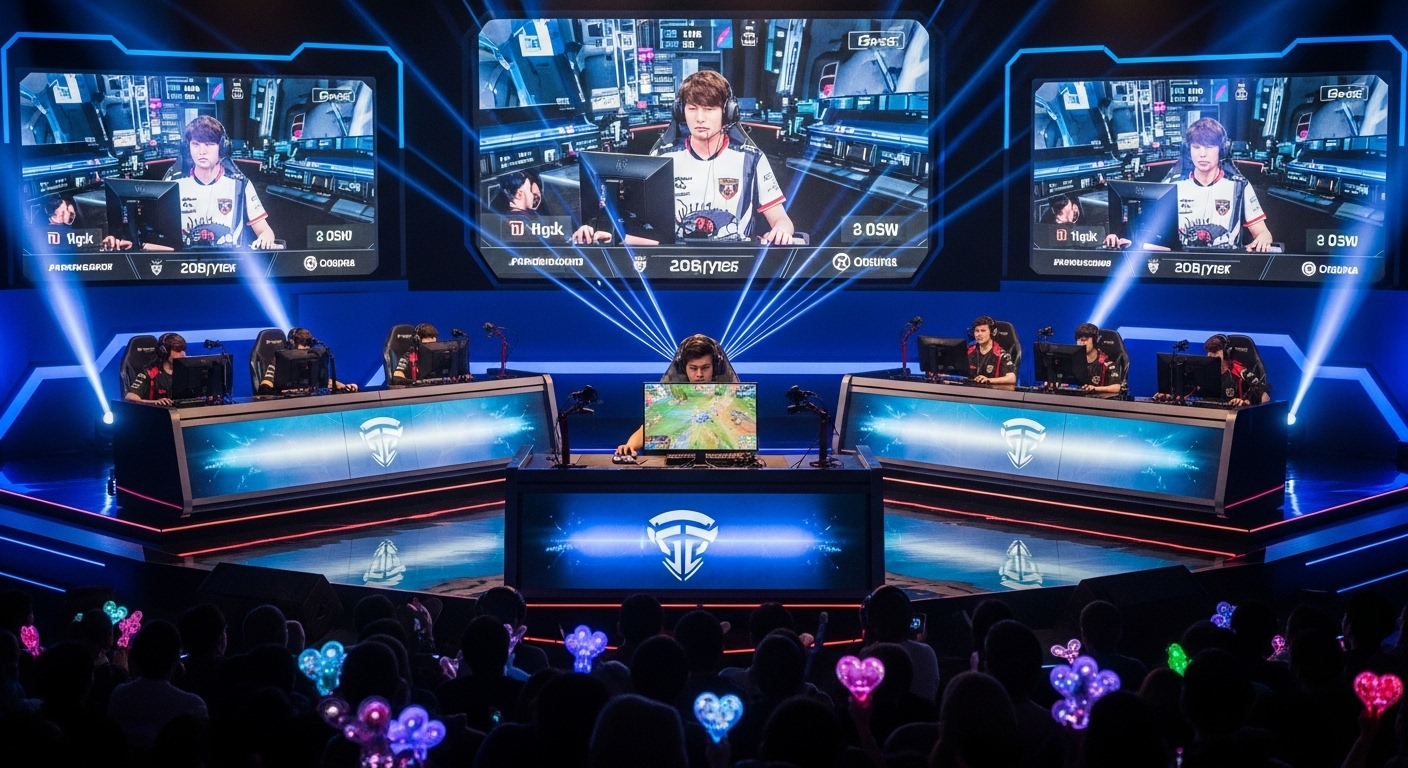
Esports, once a niche hobby for gamers and tech enthusiasts, has quickly risen to become a multi-billion-dollar industry with a massive global following. What began as friendly competitions between skilled players has evolved into high-stakes tournaments watched by millions, with professional teams, sponsorships, and a growing fanbase. From League of Legends and Dota 2 to Fortnite and Valorant, esports has transformed the way we view and participate in competitive gaming. But what is driving this meteoric rise? In this blog post, we will explore the growth and impact of esports, its transformation from a hobby to a professional industry, and the factors shaping its future.
The Evolution of Esports: From Casual Play to Competitive Glory
Esports has its roots in the early days of gaming, when players would compete against each other for fun and bragging rights. In the 1990s and early 2000s, the concept of gaming tournaments began to take shape. Events like Quake and StarCraft competitions provided the foundation for what would later become a highly organized, professional scene. The first major esports tournaments were localized, often held at gaming conventions or in smaller venues, and the audience was limited to those who were deeply invested in gaming culture.
As the internet matured and online gaming became more accessible, the competitive gaming scene began to grow. Games like Warcraft III and Counter-Strike helped build a foundation for professional-level esports competitions, with organized tournaments starting to emerge. By the mid-2000s, games such as StarCraft II and League of Legends began to push the esports industry into the mainstream, with international tournaments offering larger prize pools and attracting global audiences. These tournaments not only highlighted the skills of the players but also captured the attention of millions of spectators, both online and in-person.
Today, esports is an international phenomenon. Major tournaments such as The International (Dota 2) and League of Legends World Championship attract millions of viewers, rivaling traditional sports events in terms of global viewership. The rise of streaming platforms like Twitch has also played a critical role in expanding the reach of esports, allowing fans to watch live competitions, interact with players, and build communities around their favorite games.
The Business of Esports: Turning Passion into Profit
One of the key factors behind the explosive growth of esports is the business potential it holds. As more viewers tune into esports tournaments and content, companies across various industries have begun to see the value in sponsoring and partnering with esports organizations. What started as a grassroots movement has now turned into a lucrative business venture, with esports organizations, sponsors, and streaming platforms generating significant revenue.
Sponsorships and Advertising
Esports has become a magnet for major brands looking to connect with the coveted gaming demographic—primarily young, tech-savvy individuals who are highly engaged with digital content. Companies such as Red Bull, Coca-Cola, Intel, and Mercedes-Benz have invested heavily in esports sponsorships, forming partnerships with major esports leagues, teams, and events. These partnerships not only provide teams with financial backing but also help promote esports to wider audiences through cross-marketing efforts.
In addition to traditional advertising, esports teams and organizations have begun to create branded content, live-streaming events, and engaging with fans through social media platforms to boost their brand presence. These innovative marketing strategies have helped esports become a viable channel for advertisers, with sponsorship deals often rivaling those seen in traditional sports.
Prize Pools and Revenue Streams
Esports tournaments now offer prize pools that are comparable to those in traditional sports. For example, The International, Dota 2’s annual tournament, has consistently boasted prize pools of over $30 million, with some tournaments even surpassing $40 million in recent years. The size of these prize pools has made esports a viable career path for top-tier players, as successful competitors can earn a living through tournament earnings alone.
Beyond tournament winnings, esports teams also generate revenue through merchandising, ticket sales for live events, streaming, and even content creation on platforms like YouTube. With the advent of online streaming, players and teams are able to monetize their fan base through subscriptions, donations, and sponsorships. The sheer volume of viewers watching live broadcasts—often reaching millions for popular games—has turned esports into a revenue-generating powerhouse.
The Growth of Esports Viewership: The Shift from Traditional Sports to Digital
Esports viewership has seen an extraordinary increase in the past decade, driven by the accessibility of live streaming and the rise of platforms like Twitch, YouTube Gaming, and Facebook Gaming. These platforms have made it easier than ever for fans to watch their favorite teams and players compete in real time, with many tournaments being broadcast live for free.
Online Streaming and Global Audiences
One of the most significant factors in the rise of esports viewership is the growth of online streaming. Twitch, a platform dedicated to video game streaming, has become the go-to destination for esports fans, with millions of hours of gameplay and live competition being watched every day. This shift towards online platforms has made esports more accessible to a global audience, allowing viewers from all corners of the world to tune in and engage with their favorite games.
According to recent reports, esports viewership has surpassed that of many traditional sports in terms of online consumption. Major esports tournaments attract millions of viewers, with events like the League of Legends World Championship regularly surpassing 100 million total viewers. Esports has also become a year-round entertainment option, with leagues and tournaments being held continuously, unlike traditional sports, which often follow a seasonal schedule.
The rise of digital streaming has also allowed esports to reach a much younger demographic than traditional sports. With its widespread appeal to millennials and Gen Z, esports has quickly become a dominant force in entertainment, with younger audiences gravitating toward games that offer fast-paced, highly engaging action and community-driven experiences.
Interactive Fan Engagement
Another aspect of esports that differentiates it from traditional sports is the interactive nature of fan engagement. Fans of esports are not merely passive viewers; they actively participate in the experience. Platforms like Twitch offer real-time chat features, allowing viewers to interact with streamers, players, and other fans while watching matches. This level of engagement has created a sense of community within esports, where fans feel connected to the players and the broader esports ecosystem.
Additionally, the accessibility of esports tournaments through digital platforms means that fans can watch and support their favorite players and teams no matter where they are in the world. Many professional players also engage with their fans on social media, providing behind-the-scenes content, sharing personal experiences, and even interacting directly with their followers. This interaction has created a closer bond between players and their fanbases, contributing to the rise of esports as a global entertainment industry.
The Impact of Esports on the Gaming Industry
Esports has also played a significant role in the growth and development of the gaming industry as a whole. Games that are featured in esports tournaments, such as Dota 2, League of Legends, and Counter-Strike, have seen their player bases and popularity soar. Competitive gaming has not only provided a new avenue for game developers to showcase their titles but has also contributed to the long-term success and longevity of games in the market.
Game Development and Balance
The success of esports has pushed game developers to create games that are not only enjoyable to play casually but also balanced and competitive for the professional scene. This has led to the development of games that are designed with esports in mind, featuring deep mechanics, strategic gameplay, and constant updates to maintain fairness and competitiveness. Developers now view esports as a major factor in the success of a game, as competitive play can drive both player engagement and long-term interest in the title.
Games like Fortnite and PUBG have found success not only through their casual player base but also through their competitive elements, with major esports tournaments held around the world. The success of these games has helped solidify the idea that gaming can be both an entertainment experience and a professional sport, blurring the lines between casual play and competitive gaming.
The Professionalization of Gaming Careers
As esports has grown, so has the professionalization of the industry. Esports organizations now operate much like traditional sports teams, with professional players, coaches, analysts, and support staff. Players can sign contracts, receive salaries, and even be drafted into top-tier organizations, much like athletes in conventional sports leagues.
For young gamers, the opportunity to turn professional through esports is becoming an increasingly viable career path. With the rise of streaming platforms, content creation, and sponsorships, gamers can build lucrative careers by growing their personal brands. In many ways, the world of esports offers similar financial and career opportunities to those found in traditional sports, but with a unique digital and global flair.
The Future of Esports: Challenges and Opportunities
While esports is undeniably on the rise, it still faces several challenges. One of the biggest hurdles is the lack of regulation and standardized governance within the industry. Unlike traditional sports, which have well-established governing bodies, esports lacks a unified system for organizing tournaments, managing teams, and overseeing player conduct. This has led to issues with cheating, match-fixing, and inconsistent tournament formats.
Additionally, there are concerns about the physical and mental well-being of professional esports players. Long hours of practice, the pressure to perform, and the demands of public life can lead to burnout, anxiety, and injury. Just like traditional athletes, esports players need proper support systems in place to ensure their long-term health and success.
Despite these challenges, the future of esports looks promising. With more investment, better infrastructure, and increased recognition from mainstream media, esports is poised to continue its rapid growth. As the industry matures, we can expect further professionalization, increased fan engagement, and an even greater global reach.