Introduction: Esports as a Modern Entertainment Revolution
Esports, short for electronic sports, has grown from a niche hobby to a global entertainment powerhouse. Competitive gaming now rivals traditional sports in viewership, sponsorship, and cultural influence. What was once limited to small tournaments in arcades or online forums has expanded into a multi-billion-dollar industry with professional teams, global championships, and millions of passionate fans.
Esports is more than just playing video games; it is a convergence of skill, strategy, teamwork, and entertainment. Players train rigorously, coaches develop sophisticated strategies, and audiences engage in ways that blend sports fandom with digital culture. This evolution reflects broader shifts in society, technology, and entertainment consumption. In this blog, we explore the history, growth, structure, impact, and future of esports, highlighting why it has become a defining feature of modern entertainment.
The Origins of Esports: From Arcades to Online Arenas
The history of competitive gaming dates back to the 1970s and 1980s. Arcade games like Space Invaders, Pac-Man, and Donkey Kong attracted players eager to showcase their skills. High-score competitions and local tournaments allowed gamers to gain recognition and camaraderie.
The 1990s introduced multiplayer PC games, creating more complex competitive environments. Titles like Doom, Quake, and StarCraft became staples in early esports. These games demanded both individual skill and team coordination, paving the way for structured tournaments.
With the rise of the internet in the late 1990s and early 2000s, esports experienced rapid expansion. Online multiplayer platforms allowed gamers to compete globally, breaking geographical barriers and creating communities across continents. LAN tournaments and early online leagues began to formalize competitive play, setting the stage for the professional ecosystem we see today.
Professionalization of Esports: Teams, Leagues, and Careers
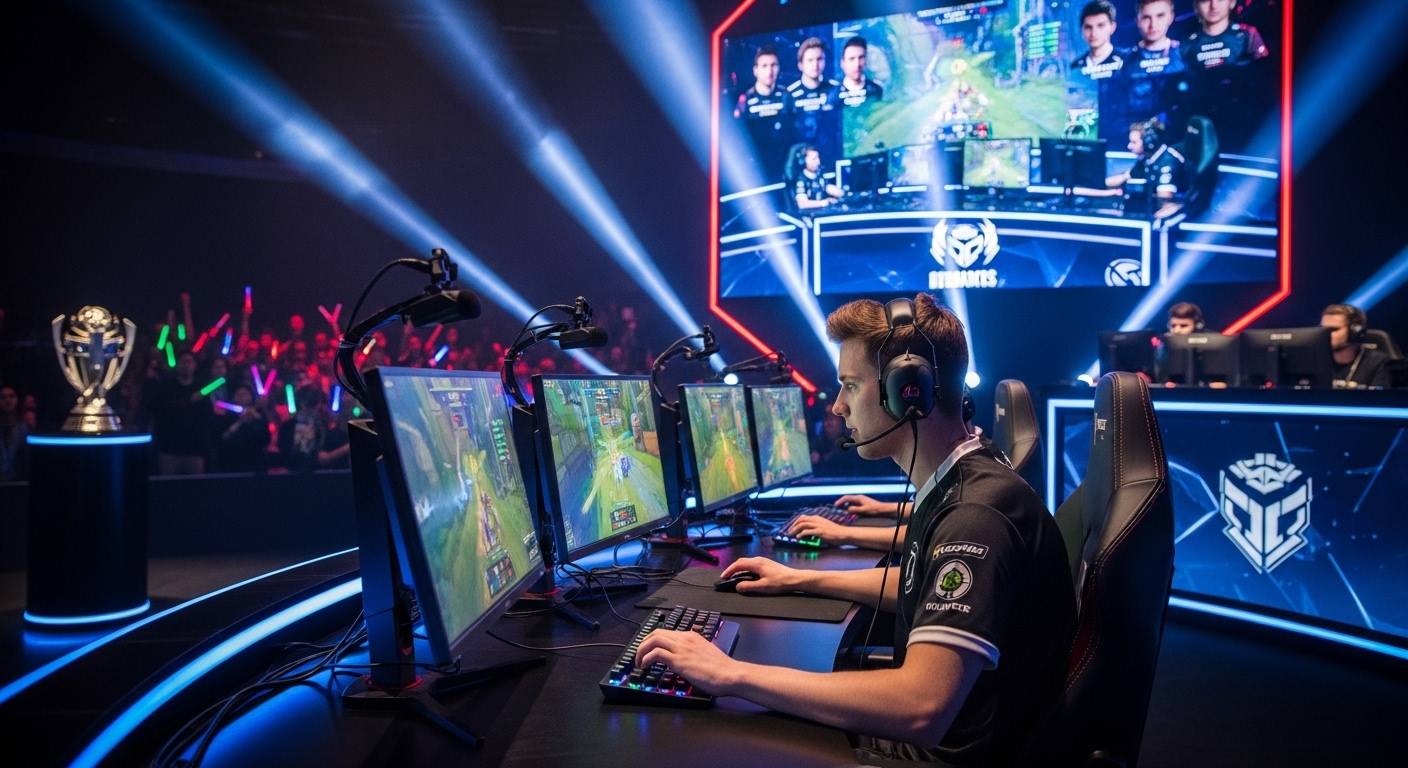
Today, esports is a professional industry. Teams operate much like traditional sports franchises, with dedicated coaching staff, analysts, and marketing teams. Players follow rigorous training schedules, often practicing eight to twelve hours daily to perfect mechanics, strategies, and teamwork.
Professional leagues exist for virtually every major competitive game. League of Legends has the LCS, LEC, and other regional leagues culminating in a World Championship. Dota 2 features The International, one of the largest esports tournaments by prize pool. Counter-Strike: Global Offensive has numerous regional and global competitions, while games like Fortnite and Call of Duty host high-profile events worldwide.
Players can earn substantial incomes from salaries, tournament winnings, and sponsorships. The industry also supports careers beyond players, including content creators, event organizers, analysts, and marketing specialists. This professionalization has legitimized esports as a career path and elevated it into mainstream consciousness.
The Role of Streaming Platforms in Esports Growth
Streaming platforms like Twitch, YouTube Gaming, and Facebook Gaming have been instrumental in popularizing esports. Fans can watch live matches, interact with players, and follow tournaments from anywhere in the world. This accessibility has helped esports reach massive audiences and build global fan communities.
Streaming also allows amateur players to gain recognition and develop careers. Influencers create tutorials, gameplay commentary, and entertainment content, contributing to esports culture. Social interaction through live chat, fan forums, and online communities creates a participatory experience that goes beyond traditional sports spectating.
The ability to broadcast and engage with a worldwide audience in real time has fundamentally transformed esports. It is no longer just a competitive activity; it is a form of entertainment with an interactive and global reach.
Major Esports Titles and Competitive Scenes
Several games define esports as an industry, each with its unique competitive ecosystem.
- League of Legends: Combining strategic teamwork with individual skill, this game dominates professional circuits with regional leagues and a highly anticipated World Championship.
- Dota 2: Known for its complexity and strategic depth, Dota 2 features The International, an annual tournament with one of the largest prize pools in esports history.
- Counter-Strike: Global Offensive: A tactical shooter emphasizing precision, coordination, and strategy, CS:GO hosts numerous professional tournaments and global competitions.
- Fortnite and Call of Duty: These games cater to fast-paced action enthusiasts, integrating competitive play with massive live events that attract younger audiences.
Each game offers a distinct gameplay style, professional ecosystem, and fan culture, contributing to esports’ diversity and widespread appeal.
Structure and Organization of Esports Competitions
Esports competitions are carefully structured to highlight skill, strategy, and teamwork. Tournaments range from single-elimination formats to league-based systems, with teams earning rankings and qualifying for playoffs or global championships.
Prize pools in major tournaments can reach millions of dollars, funded through sponsorships, crowdfunding, and media deals. High stakes create intense competition, motivating players to constantly refine skills and strategies.
Analytical tools are widely used to improve performance. Teams study opponent strategies, analyze gameplay data, and optimize both individual and collective performance. This scientific approach to training mirrors trends seen in traditional professional sports.
Community and Culture in Esports
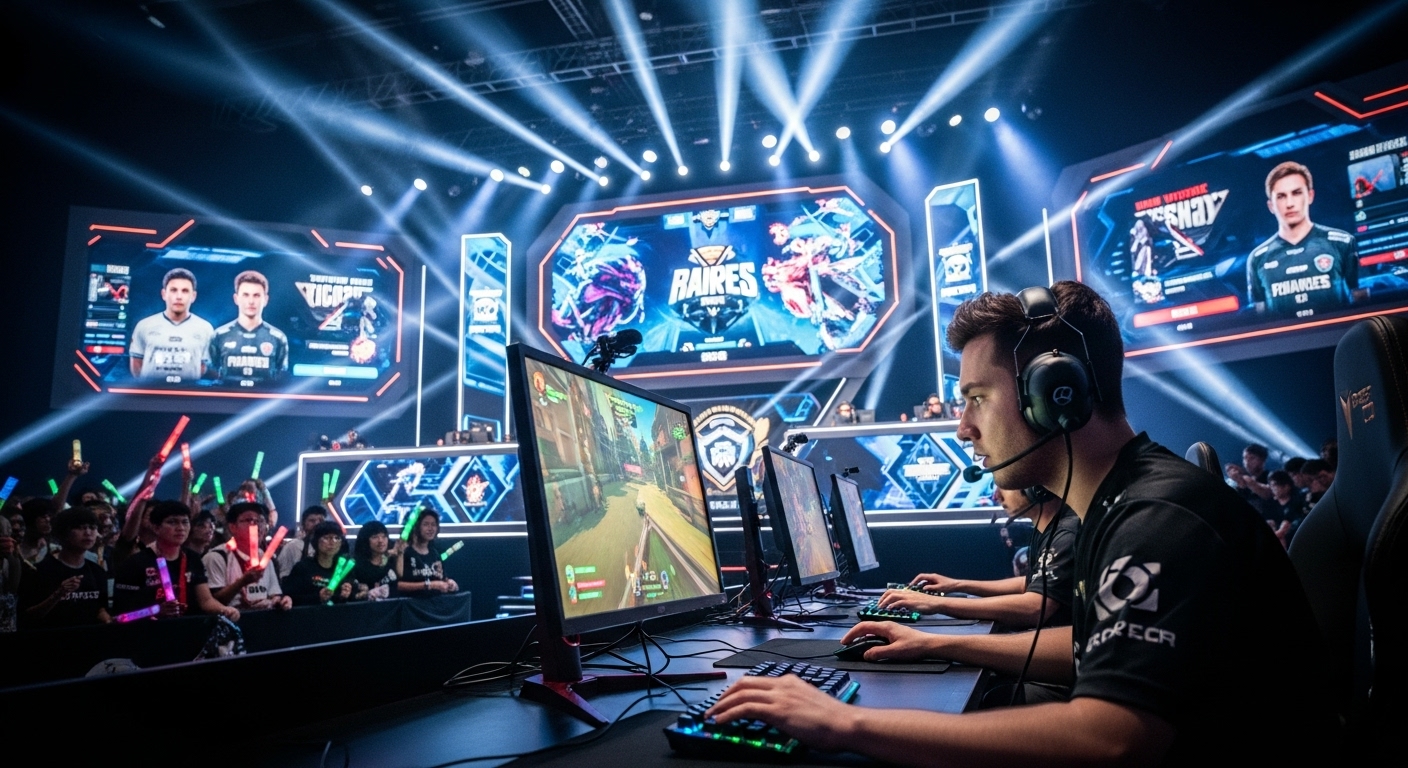
Esports is not just competition; it is a culture. Fans form online communities, share memes, create fan art, and participate in discussions around gameplay and strategy. Events like live tournaments, fan conventions, and online meet-ups strengthen this sense of community.
Cosplay and creative engagement have become integral parts of esports culture. Fans celebrate favorite characters, create content, and engage with players, building a vibrant and participatory ecosystem.
Community participation also nurtures the next generation of players. Amateur tournaments, local leagues, and online competitions provide opportunities for aspiring gamers to hone their skills and gain exposure, ensuring the sustainability of the esports ecosystem.
Comparing Esports to Traditional Sports
Esports shares many characteristics with traditional sports, including teamwork, strategic thinking, skill mastery, and fan engagement. Professional players train, analyze data, and follow structured competition formats. Leagues maintain standardized rules, seasonal matches, and championship events.
However, esports differs in accessibility and global reach. Online platforms allow anyone with an internet connection to compete and spectate, removing geographical barriers. The physical demands of traditional sports are replaced by mental acuity, reflexes, and coordination. The spectator experience is also more interactive, with real-time engagement and digital media integration.
Economic Significance of Esports
Esports has grown into a multi-billion-dollar global industry. Revenue streams include sponsorships, advertising, merchandise, ticket sales, and streaming partnerships. Major tournaments generate significant economic activity, attracting international brands and investment.
The industry also drives technological innovation. Companies develop gaming hardware, streaming infrastructure, and analytics tools to support professional competition. Career opportunities extend beyond players, encompassing content creation, event management, marketing, and analysis.
This economic impact solidifies esports as a legitimate professional and cultural enterprise, rivaling traditional sports in influence and profitability.
Challenges Facing Esports
Despite its success, esports faces challenges. Player burnout, mental health concerns, and physical strain are prevalent due to intense training schedules and high-pressure environments. Travel for international tournaments adds to the stress.
Inclusivity and diversity remain areas for improvement. Efforts are being made to increase participation among women and minority groups, but barriers persist. Cheating and match-fixing are also concerns, requiring robust governance and regulation.
The sustainability of esports depends on balancing growth, player welfare, and innovation while adapting to technological and cultural changes.
The Future of Esports
The future of esports is promising and dynamic. Virtual reality and augmented reality could redefine gameplay, offering immersive experiences that blur the lines between real and digital worlds. Artificial intelligence may enhance player training, strategy analysis, and audience engagement.
Universities now offer esports scholarships, recognizing gaming as a viable academic and professional pursuit. Global leagues continue to expand, and collaborations with mainstream entertainment—films, music, and merchandise—create new opportunities.
Esports will continue to evolve, integrating technology, storytelling, and fan engagement in innovative ways. It is poised to remain a dominant form of interactive entertainment for decades to come.
Conclusion: Esports as a Cultural and Competitive Force
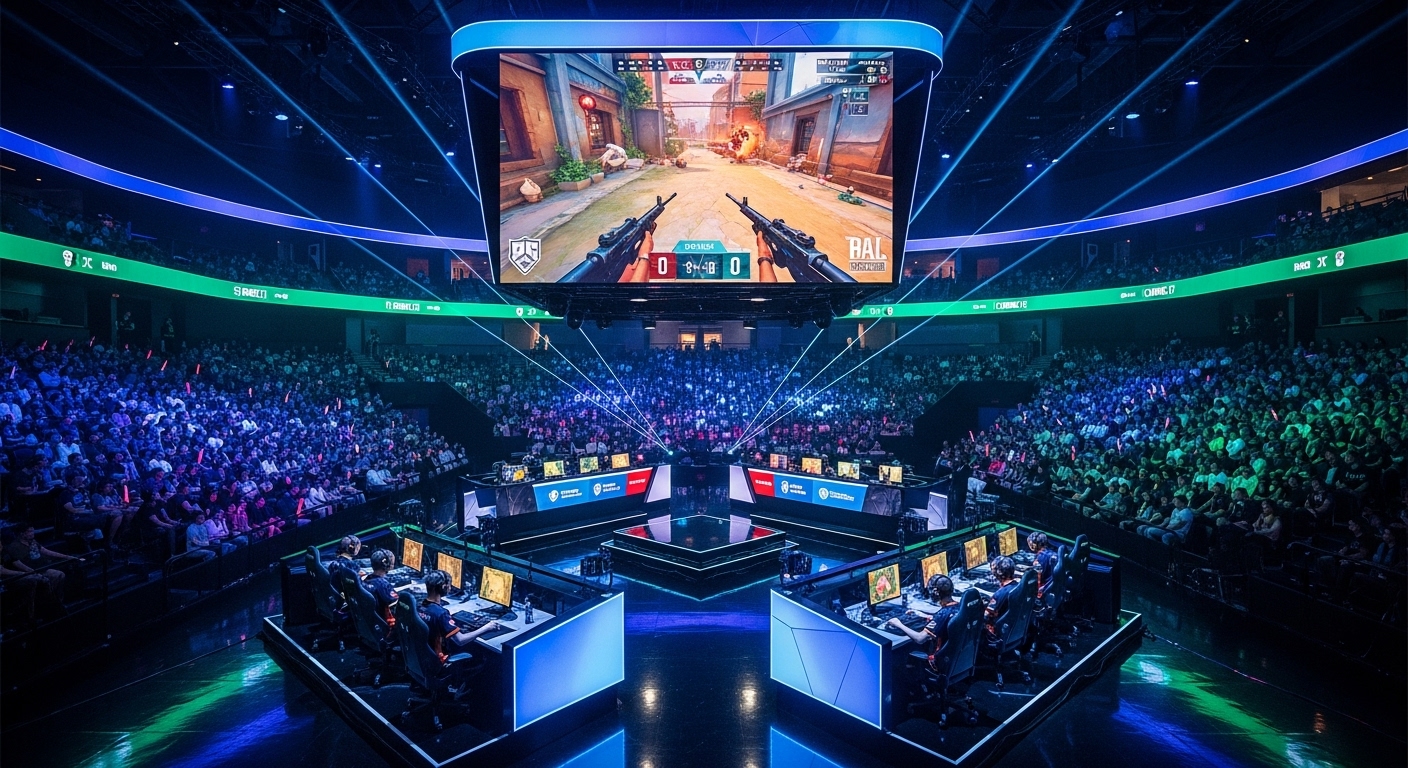
Esports has redefined entertainment, merging skill, strategy, and community into a global cultural phenomenon. From early arcade tournaments to international stadium events, it has transformed competitive gaming into a professional, spectator-driven industry.
Esports engages players, fans, and creators in ways that are participatory, interactive, and global. It has proven that video gaming is more than a pastime—it is a legitimate form of sport, art, and entertainment. As technology advances and audiences expand, esports will continue to shape the future of entertainment, offering endless opportunities for competition, creativity, and connection.
Esports is not only the future of competitive gaming—it is a symbol of innovation, passion, and global community in the digital age. Its story reflects the limitless potential of entertainment in the 21st century.