Introduction: The Rise of Esports
Over the past two decades, esports has evolved from a niche hobby into a multi-billion-dollar industry, captivating millions of players and viewers worldwide. What began as small-scale tournaments in university halls and online forums has transformed into an international phenomenon, with professional players, high-profile events, and streaming platforms dominating the entertainment landscape. Esports is no longer just about casual gaming; it has become a global industry in its own right, shaping the future of entertainment and sports alike.
In this blog post, we will explore the world of esports, examining its origins, rapid growth, impact on popular culture, the business side of the industry, and the potential future it holds. From professional leagues to influencer-driven streams, esports is redefining what it means to be an athlete, a fan, and a spectator in the 21st century.
The Origins of Esports: From Arcade Competitions to Global Tournaments
Esports can trace its origins back to the 1970s and 1980s when competitive gaming first emerged in arcades. The first documented video game competition took place in 1972 with the game Space Invaders at Stanford University. While this event was modest, it set the stage for future gaming competitions. By the 1990s, competitive gaming began to gain more traction, especially with the rise of the internet and the ability for gamers to play with one another online.
The true birth of modern esports, however, can be traced to the early 2000s with the launch of professional gaming leagues like the World Cyber Games and the Electronic Sports World Cup. These early competitions brought together top-tier players and teams from around the world to compete for global recognition and cash prizes. Games like StarCraft, Warcraft III, and Counter-Strike became the focal points of these tournaments, laying the foundation for the esports landscape we recognize today.
As broadband internet became more widely available, the global connectivity required for esports tournaments became possible. This, combined with the rise of platforms like Twitch in the mid-2010s, propelled esports into mainstream visibility, with millions of viewers tuning in to watch live streams of their favorite games and players.
The Growth of Esports: A Global Phenomenon
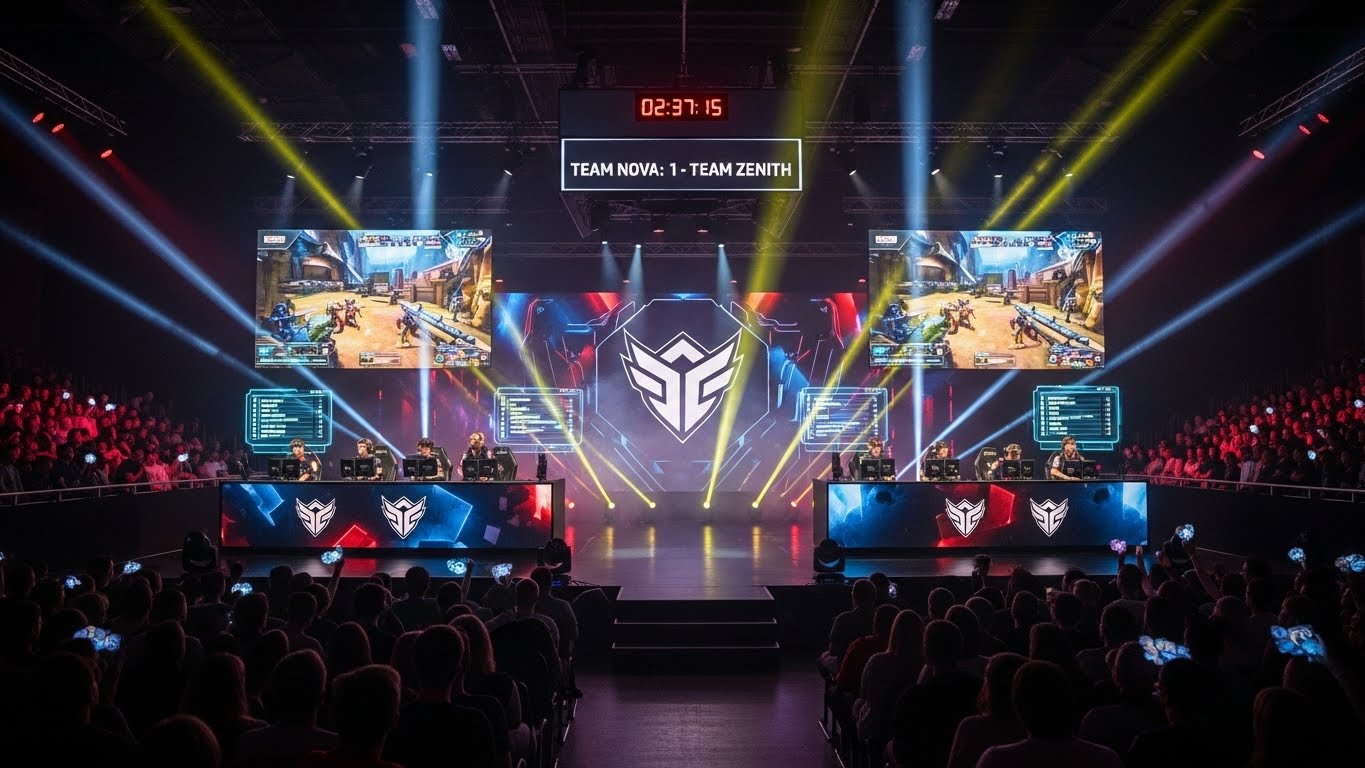
In just a few short years, esports has evolved from underground tournaments to large-scale, professionally organized competitions. Today, esports boasts a global fanbase in the hundreds of millions. According to recent studies, the global esports audience is expected to exceed 500 million viewers by 2026, including both live event spectators and online viewers.
The popularity of esports has also been fueled by the rise of gaming as a mainstream form of entertainment. In contrast to traditional sports, esports has a relatively low barrier to entry—anyone with a gaming console or PC can compete at some level, and players don’t need to be physically gifted to excel. This has democratized competitive gaming and brought in players from all walks of life. Esports has also benefited from the rise of streaming platforms like Twitch, YouTube, and Facebook Gaming, where professional gamers and casual players alike can showcase their skills, build fanbases, and earn money from sponsorships, advertisements, and donations.
One of the defining features of esports’ rise is its unique combination of traditional sports elements with modern digital technology. Like traditional sports, esports features professional teams, coaches, analysts, broadcasters, and commentators. Yet, unlike physical sports, esports allows for a global, online audience to participate in real-time, watching matches and tournaments from virtually anywhere in the world.
Esports and Popular Culture: Gaming’s Integration into Mainstream Entertainment
Esports has firmly embedded itself into popular culture, with major media outlets and even traditional sports leagues embracing the phenomenon. Mainstream networks like ESPN and Turner Broadcasting have broadcast esports tournaments, signaling the growing recognition of competitive gaming as a legitimate form of entertainment. Esports stars are no longer just gamers; they are celebrities in their own right, with sponsorship deals, brand partnerships, and millions of social media followers.
Esports has also influenced other aspects of popular culture. Video games like Fortnite, League of Legends, and Overwatch have not only become household names but have also been integrated into broader entertainment experiences, from live concerts to movie collaborations. Players like Ninja, Shroud, and Sommerset have become household names, not only for their gaming skills but for their broader presence in pop culture.
The partnership between esports and music is another example of this crossover. Popular artists like Marshmello and Travis Scott have performed live virtual concerts inside games like Fortnite, reaching millions of viewers and solidifying gaming’s role as a central part of modern entertainment. This integration of gaming, sports, and music reflects how esports has transcended its origins as a niche hobby to become a multi-faceted cultural phenomenon.
Esports as a Profession: The Business of Competitive Gaming
One of the most exciting aspects of the esports industry is its professionalization. What once started as a hobby for enthusiasts has now evolved into a multi-billion-dollar business. Top-tier esports organizations like Cloud9, Team Liquid, Fnatic, and T1 have attracted global attention, securing sponsorships from major corporations such as Coca-Cola, Intel, and Nike. These partnerships are essential in supporting player salaries, prize pools, and the infrastructure needed to run high-profile tournaments.
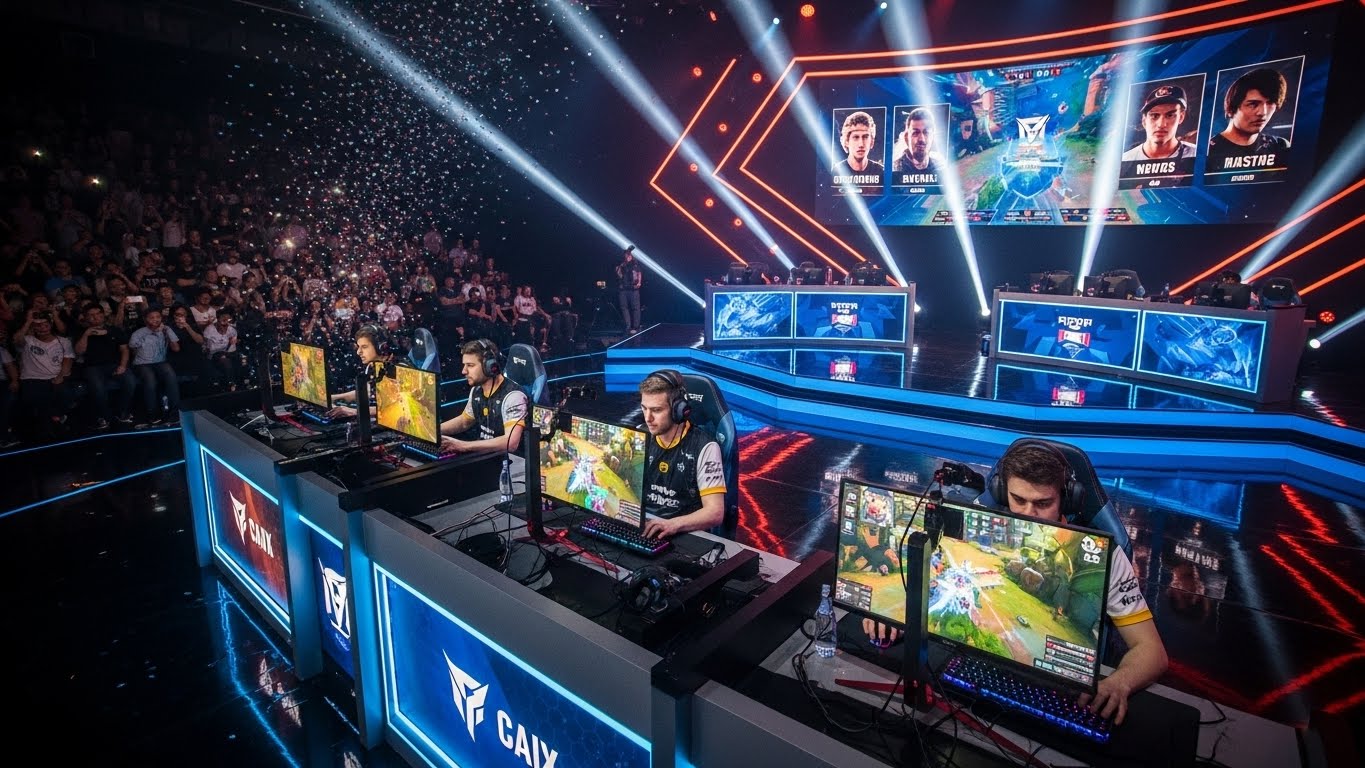
The economics of esports have created a viable career path for gamers. Players can earn money not only from tournament winnings but also from streaming platforms, sponsorships, and merchandise sales. Major tournaments like The International (Dota 2) and League of Legends World Championship offer multi-million-dollar prize pools, with individual players taking home life-changing sums of money.
Furthermore, esports organizations have started to treat players like professional athletes. Teams have coaches, analysts, psychologists, and even nutritionists to help players improve both mentally and physically. These teams are often structured similarly to traditional sports franchises, with full-time staff supporting the athletes’ competitive success.
Beyond professional players, there are many career opportunities in esports. These include roles in event management, broadcasting, marketing, and content creation. As the industry continues to grow, the demand for skilled workers in various fields related to esports is also increasing, contributing to the creation of a comprehensive esports ecosystem.
The Impact of Esports on Youth Culture and Education
One of the most profound impacts of esports is its influence on youth culture. Competitive gaming has become a significant part of the social lives of young people, with millions of kids and teenagers around the world participating in online gaming communities. For many, esports is not just about playing games but about building friendships, developing skills, and gaining recognition.
Esports has also begun to make its way into educational institutions. High schools and universities around the world are introducing esports programs, offering scholarships to talented players, and even hosting their own tournaments. Institutions like the University of California, Irvine, and the University of Akron have established esports teams, complete with coaches, facilities, and academic courses focused on esports management and production.
This integration of esports into education has provided students with new opportunities for career advancement. Students can now pursue degrees in game design, esports management, and digital media, preparing them for professional roles in the growing industry. In this way, esports is not only fostering personal development for players but is also shaping the future workforce for the digital age.
The Future of Esports: Challenges and Opportunities
While esports has come a long way, it is still in its formative years. The industry faces numerous challenges, including issues related to player health and wellness, the sustainability of business models, and the growing need for diversity and inclusivity. As esports continues to grow, these challenges will need to be addressed to ensure the long-term success of the industry.
However, the future of esports also holds exciting possibilities. Virtual and augmented reality could take esports to the next level, offering immersive experiences for both players and viewers. Mobile gaming continues to expand, especially in regions like Asia, where games like Mobile Legends and PUBG Mobile dominate the competitive scene. The rise of cloud gaming platforms like Google Stadia and Nvidia GeForce Now may also democratize access to high-end gaming, making it easier for players to compete without expensive hardware.
Furthermore, the continued integration of esports into mainstream entertainment suggests that it will only become more deeply embedded in global culture. Major traditional sports leagues, such as the NBA and NFL, have already begun investing in esports, recognizing the potential for crossover and brand expansion. As esports becomes more recognized as a legitimate sport, its future seems bright, with new players, new teams, and new opportunities on the horizon.
Conclusion: The Evolution of a Cultural Force
Esports has come a long way from its humble beginnings in arcades and online forums. Today, it is a dynamic, multi-faceted industry that has captured the attention of millions of fans worldwide. From professional players to casual streamers, esports is a cultural force that continues to shape the future of entertainment, sports, and technology.
As the esports ecosystem grows, it will undoubtedly face challenges, but it will also continue to open new doors for players, fans, and businesses. The influence of esports on youth culture, education, and the broader entertainment landscape cannot be overstated. In a world increasingly defined by digital experiences, esports is set to remain at the forefront of this cultural revolution for years to come.