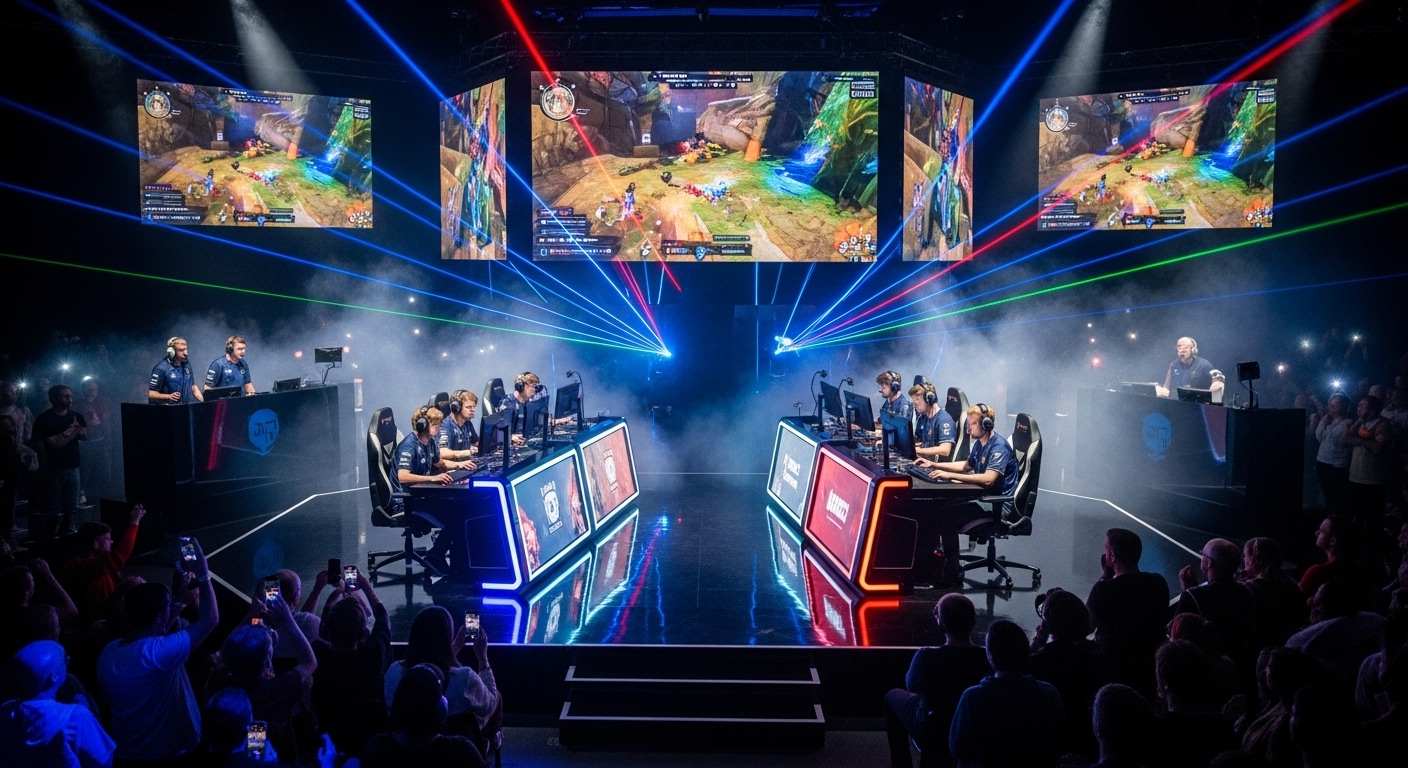
Esports has grown from small LAN parties into a global entertainment powerhouse. With this growth comes an industry that thrives not just on tournaments and streaming but also on merchandise. Fans want to feel connected to their favorite teams, players, and brands. That’s where esports merchandise comes in.
From jerseys that mirror professional teams to branded mice, keyboards, and even lifestyle apparel, merchandise has become a massive part of the esports economy. It fuels team revenues, boosts brand visibility, and provides fans with tangible ways to express loyalty.
In this blog, we’ll explore the evolution of esports merchandise, the different product categories, why fans buy them, and how they shape the culture of competitive gaming.
The Evolution of Esports Merchandise
In the early days of competitive gaming, merchandise was almost nonexistent. Players often competed in regular clothes with no professional branding. Fans had little access to apparel or gaming gear that represented their favorite teams.
As esports gained traction in the 2000s, teams and organizations realized the importance of building a brand. Jerseys became the first piece of true merchandise. Modeled after traditional sports uniforms, these jerseys displayed team logos, sponsors, and player names.
Today, merchandise has expanded far beyond jerseys. Gaming organizations release full fashion lines, partnerships with sneaker brands, custom gaming gear, and even limited-edition collectibles. Merchandise is no longer just about identification—it’s about lifestyle.
Jerseys: The Foundation of Esports Merchandise
Jerseys are still the most recognizable item in esports merchandise. They symbolize unity and professionalism. Fans wear them to show support during live events or while streaming games at home.
Modern esports jerseys are designed with high-quality materials, often using breathable fabrics for players competing under hot stage lights. Teams collaborate with sportswear brands to produce sleek, stylish designs that fans proudly wear outside gaming events.
Custom jerseys with player names and gamertags are particularly popular. They allow fans to feel like part of the team. This personalization mirrors traditional sports merchandising, where fans buy jerseys with the names of their favorite athletes.
Gaming Peripherals as Merchandise
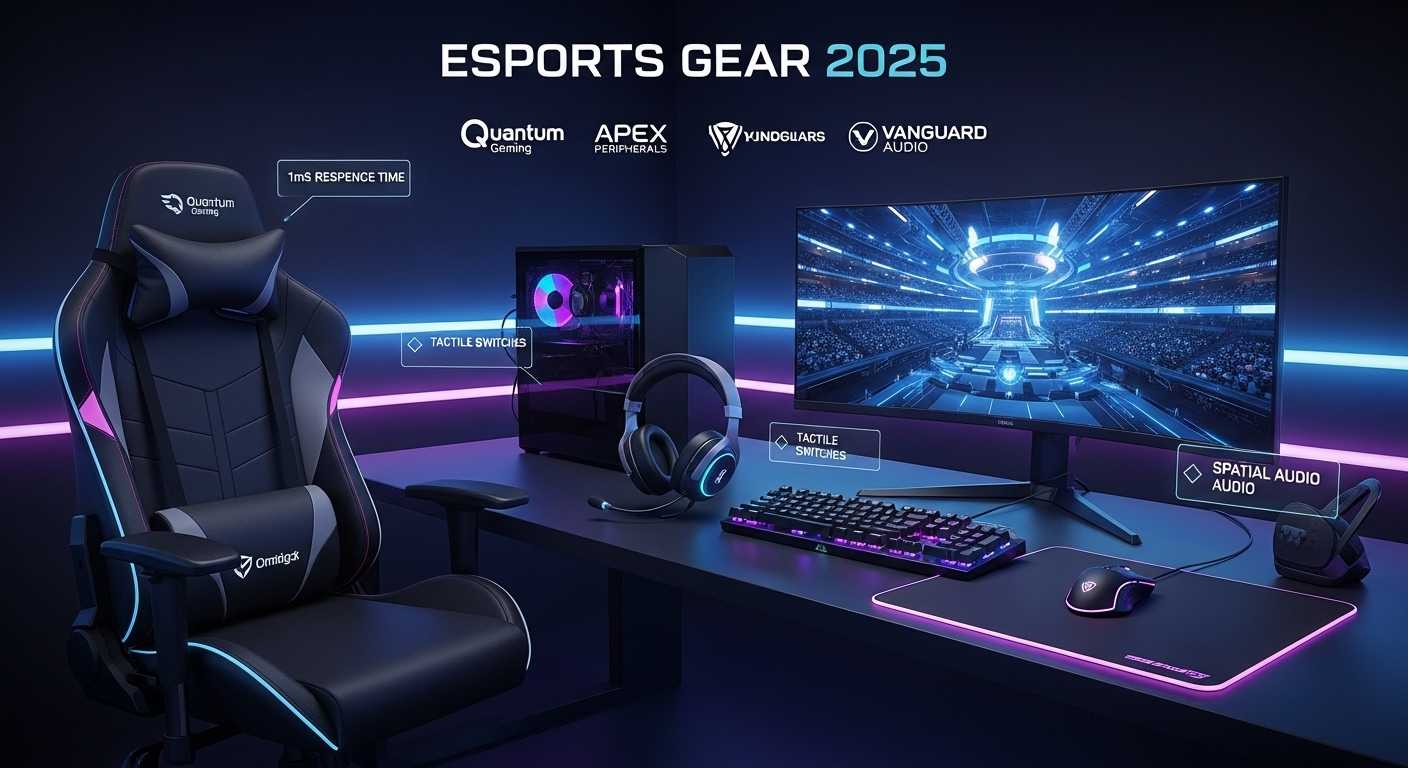
Unlike traditional sports, esports has a unique merchandise category: gaming gear.
Mice, keyboards, and headsets branded by top teams or sponsored by gaming companies are highly sought after. Fans believe that owning the same equipment as their favorite pros might give them an edge in their own gameplay.
Professional players often collaborate with hardware companies to release signature editions. A pro Counter-Strike player might work with a mouse manufacturer to fine-tune the sensor or grip. These products are marketed as tools that help fans play like their idols.
This merging of equipment and merchandise is unique to esports. It not only serves practical purposes but also strengthens the bond between fans and players.
Apparel Beyond Jerseys
Jerseys may be the foundation, but esports fashion has grown into streetwear and casual apparel. Hoodies, jackets, caps, and sneakers are now common releases by major esports organizations.
The influence of streetwear culture plays a big role here. Limited drops, bold designs, and collaborations with fashion labels make esports apparel appealing even to those who don’t follow competitive gaming closely.
Teams like FaZe Clan and 100 Thieves have blurred the line between esports and lifestyle brands. Their hoodies and apparel sell out quickly, attracting both fans and fashion enthusiasts. This crossover shows the power of esports culture in mainstream fashion.
Collectibles and Accessories
Another major category of esports merchandise is collectibles. Fans love items that serve as mementos of their favorite moments, players, or teams.
These can include:
- Posters and signed prints
- Action figures of players or in-game characters
- Branded mousepads
- Team flags and banners
- Limited-edition in-game skins linked to real-world merch
For many fans, these collectibles are more than products. They are symbols of passion and belonging to a community. Owning a rare, limited-edition item can feel like a badge of honor.
In-Game Merchandise
Esports merchandise doesn’t stop in the physical world. In-game skins, emotes, and cosmetic items tied to professional teams have become a major revenue stream.
Games like League of Legends, Dota 2, and CS2 sell team-branded skins that allow fans to show support inside the game itself. A fan can wear their favorite team’s logo while competing in matches.
This digital merchandise appeals to fans who spend most of their time in-game. It’s affordable, widely accessible, and allows for global participation in supporting teams.
Why Fans Buy Esports Merchandise
Esports merchandise satisfies multiple fan desires.
- Identity and Belonging – Fans wear jerseys or apparel to feel part of their team’s community.
- Support – Buying merchandise directly supports teams and players, helping them thrive financially.
- Performance – Gaming peripherals endorsed by pros promise better gameplay, making fans believe they can improve by using them.
- Fashion and Lifestyle – Esports apparel often looks stylish beyond the gaming scene, appealing to everyday wear.
- Collectibility – Limited runs of products give fans exclusive items that feel special and valuable.
This emotional connection is what makes merchandise more than just “stuff.” It’s a bridge between fans and the esports culture they love.
The Role of Sponsorships in Merchandise
Sponsorships play a huge role in shaping esports merchandise. Jerseys are covered in logos from sponsors, from gaming hardware companies to energy drinks and tech brands.
These partnerships often lead to co-branded merchandise. A headset company might release a special edition headset with a team logo. A sneaker brand might drop limited shoes designed with an esports team’s color scheme.
These collaborations not only generate revenue but also expand the visibility of esports in mainstream markets. A fan buying a co-branded product helps both the team and the partner brand.
Merch as Revenue for Teams
Unlike traditional sports teams with broadcasting rights and stadium ticket sales, esports organizations rely heavily on merchandise for revenue.
Ticket sales for live events do contribute, but they are smaller compared to global sales of jerseys, peripherals, and apparel. Merchandise allows esports teams to scale financially even when their fanbase is spread across the world.
For many organizations, merch drops are critical moments in their yearly business. A successful line can bring in millions and sustain operations for months.
Limited Edition Drops and Hype Culture
Esports has adopted hype culture strategies from streetwear. Limited edition merchandise drops build excitement and exclusivity. Fans rush online to buy before stock runs out.
This strategy creates buzz on social media and encourages secondary markets where rare items sell for inflated prices. Scarcity makes merchandise even more desirable.
100 Thieves, for example, has built its entire brand around limited apparel drops. This approach not only drives sales but also strengthens brand identity.
Merch as a Marketing Tool
Beyond revenue, merchandise is a powerful marketing tool. Fans wearing jerseys, hoodies, or caps become walking billboards for their favorite teams.
At gaming conventions or tournaments, merchandise creates visibility. Team logos flood the crowd, reinforcing brand recognition and community presence.
Even outside gaming spaces, stylish apparel sparks curiosity. Someone might wear a hoodie from FaZe Clan without knowing esports, leading to conversations and spreading awareness.
Globalization of Esports Merchandise
Esports is global, and so is its merchandise market. A fan in Brazil might buy the same jersey as a fan in South Korea. Online stores make products accessible worldwide.
However, global shipping and regional differences create challenges. Some fans face high shipping costs or long delivery times. Teams are working on regional partnerships with local distributors to make merchandise more accessible.
Global reach also means designs need to appeal to diverse audiences. Cultural influences often shape how teams design apparel and gear for their worldwide fanbases.
Esports Merchandise and Mainstream Culture
One of the most fascinating aspects of esports merchandise is how it intersects with mainstream culture.
Collaborations with celebrities, musicians, and fashion designers have elevated esports apparel into the wider fashion world. Partnerships with athletic brands like Nike and Adidas give esports legitimacy in the eyes of the general public.
These crossovers show that esports is more than just gaming. It’s part of a cultural movement where fashion, entertainment, and competition blend together.
Future Trends in Esports Merchandise
The future of esports merchandise is full of potential. Here are some trends to watch:
- Customization at Scale – Fans will want more personalized jerseys and gear with their own names and tags.
- Sustainable Merch – Eco-friendly materials and production methods will appeal to socially conscious fans.
- Tech-Enhanced Apparel – Smart jerseys with integrated sensors could track performance or connect with games.
- Virtual Merchandise – Augmented reality and NFTs may expand the digital side of collectibles.
- Fashion Collaborations – More partnerships with mainstream fashion brands will blur the line between esports and lifestyle.
These trends suggest that merchandise will continue to evolve as esports becomes even more integrated into everyday life.
Conclusion
Esports merchandise is far more than just jerseys and mice. It’s a vibrant, diverse industry that fuels the financial health of teams, strengthens fan loyalty, and shapes the culture of gaming.
From performance gear to streetwear apparel, from in-game skins to collectibles, merchandise allows fans to connect with esports on multiple levels. It turns fandom into identity and transforms simple products into cultural symbols.